
19th Century Walking Stick
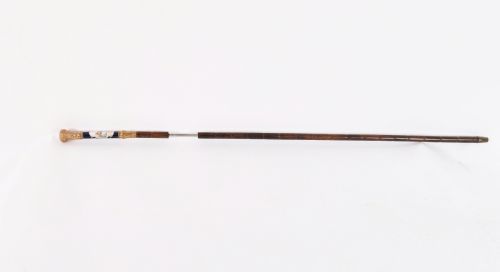
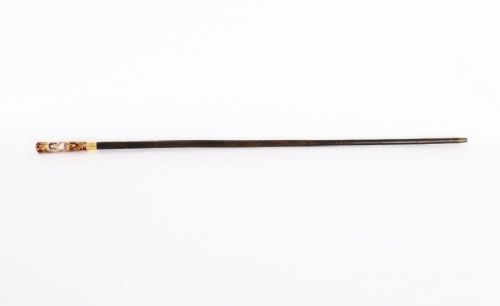
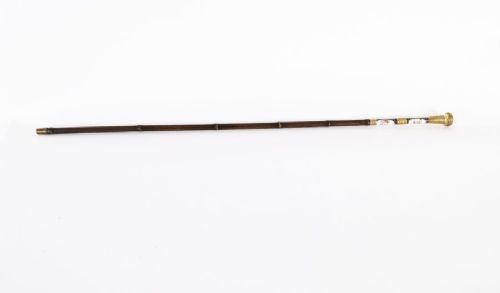
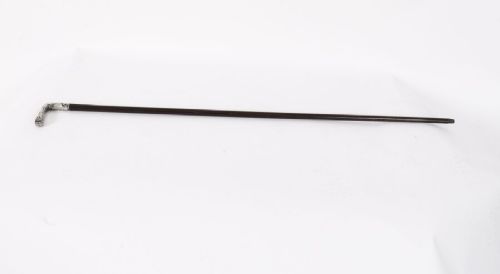
When evaluating a 19th century walking stick, collectors encounter functional accessories, hidden sword blades, and elaborate silver handles that reflect Victorian gentility.
19th Century Walking Stick
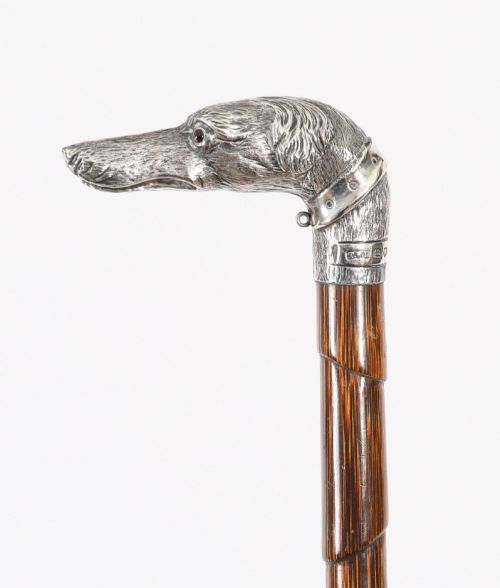
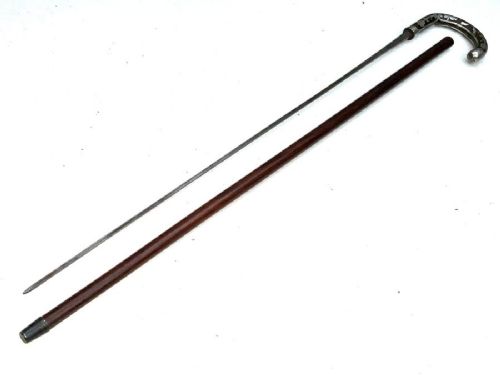
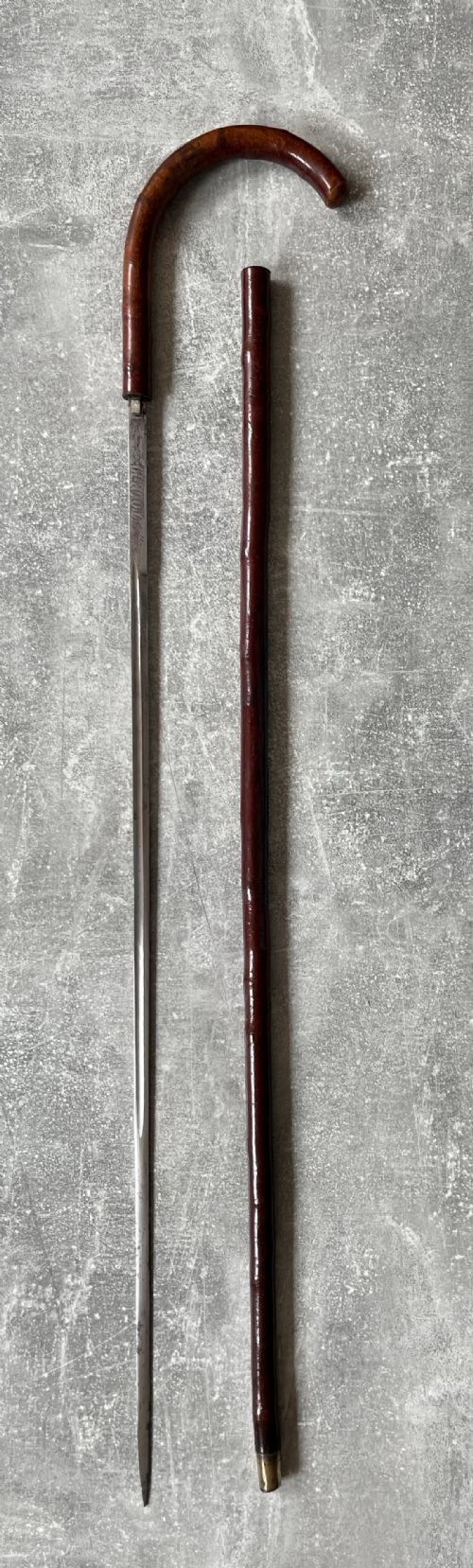
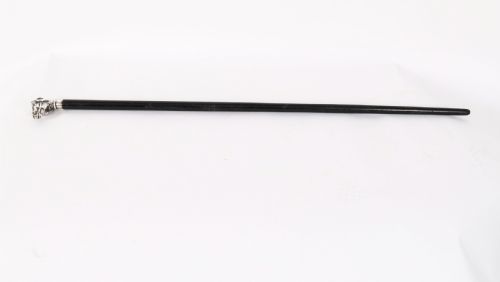
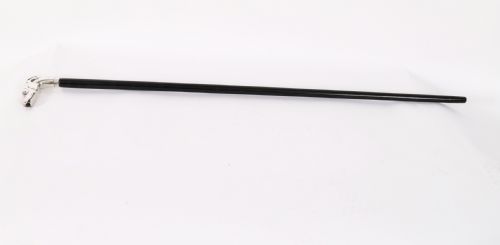
A 19th century walking stick encompasses standard gentleman's canes, specialised sword sticks, and functional gadget pieces featuring hidden compartments like snuff boxes or corkscrews. Examples span simpler regional woods like hazel, blackthorn, and cherrywood alongside sophisticated continental designs with animal head pommels.
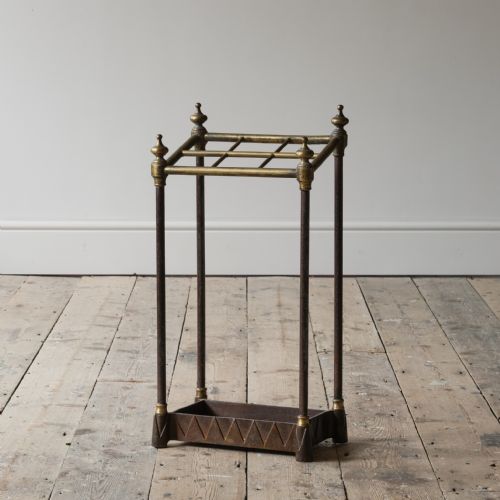
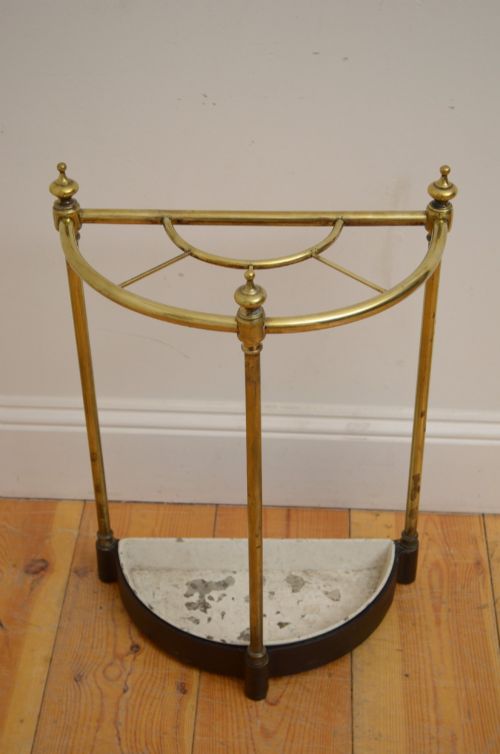
The category also embraces allied hall furniture such as umbrella and stick stands manufactured from cast iron, pitch pine, and carved Black Forest wood. These pieces served practical domestic purposes in hallways while displaying the decorative tastes of the Victorian and Edwardian periods.
Origins range widely from English workshops and French studios to Chinese export pieces and Zulu ethnographic art. Pieces equipped with gold or silver pommels demonstrate the higher status associated with urban daily promenade wear.
How They Were Made
Shafts rely on resilient natural materials including malacca, bamboo, snake wood, whalebone, and ebonized hardwoods shaped for daily support. Artisans joined these timber shafts to metal collars and handles using traditional adhesives and mechanical pinning.
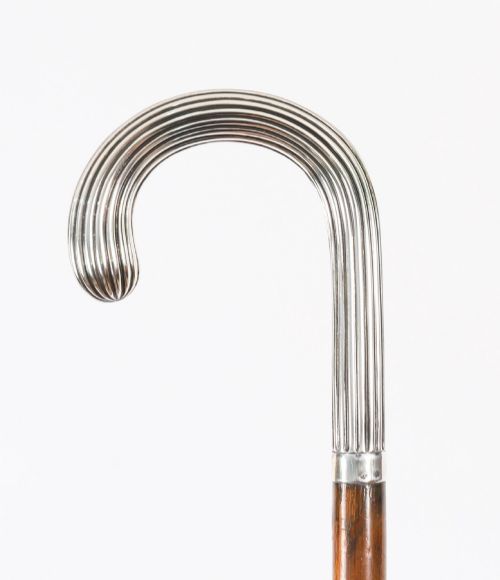
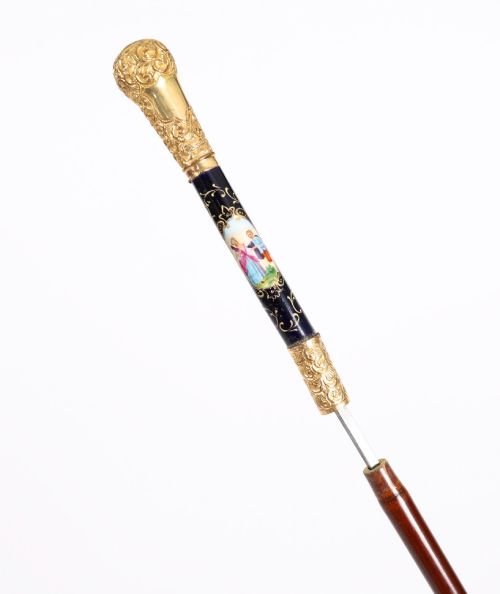
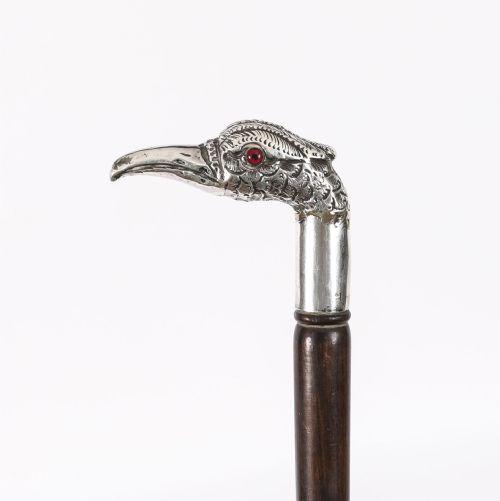
Handles and pommels incorporate cast silver, gold plate, brass, porcelain from Sevres, and carved bone or horn. Many feature intricate relief work, animal motifs, or hinged mechanisms concealing blades, watches, and pens.
19th Century Walking Stick Retail Price Guide 2026
Typical asking prices for 19th century walking stick among the pieces listed under this phrase on Sellingantiques today, from the lower quarter to the upper quarter. They describe what is for sale here now, not the wider market.
What Varies in Quality
Quality rests upon the execution of the handle work and the complexity of any integrated mechanism, such as automated monkey mouths or hidden corkscrews. Pieces bearing maker stamps or precious metal hallmarks command greater interest than unmarked utility canes.
The choice of shaft material and the artistic merit of carved figures, such as detailed hound or boar heads, dictate the desirability of the piece. Superior examples maintain the original integrity of their fitted blades, glass inserts, or precious metal mounts.
Brigg·Wang Hing And Company·Falkirk Ironworks
The 19th Century Walking Stick Glossary
- Pommel
- The rounded or decorative handle at the top of a walking stick. These were frequently fashioned from silver, gold, brass, or carved bone.
- Sword stick
- A concealed blade housed within the wooden shaft of a walking cane. These items combined personal defence with the appearance of a standard gentleman's accessory.
- Gadget cane
- A multifunctional walking stick containing hidden implements such as watches, snuff boxes, or corkscrews. Collectors prize these clever mechanical variations.
- Knobkerrie
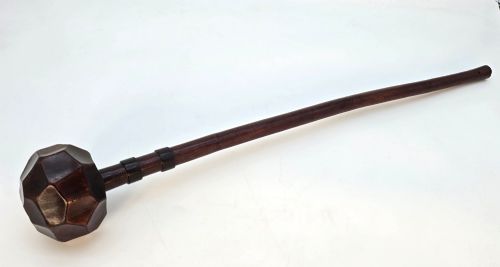
- A traditional African wooden throwing club or walking stick featuring a heavy rounded head. Examples from regions like Zululand survive as distinct ethnographic items.
- Sevres
- A type of porcelain frequently utilised for decorative handle panels on French walking sticks. These ceramic mounts often display hand-painted details.
- Malacca
- A slender, patterned rattan cane imported from Southeast Asia and prized for elasticity. It served as a favoured material for high-grade walking stick shafts.
19th Century Walking Stick: Frequently Asked Questions
What is a gadget walking stick?
A gadget walking stick is a cane engineered to conceal utilitarian items within the shaft or handle. These hidden compartments often housed items like corkscrews, watch movements, or snuff boxes.
Craftsmen designed these pieces for discreet daily utility, allowing owners to carry multiple tools disguised as a standard gentleman's accessory during the Victorian era.
How are sword sticks constructed?
Sword sticks feature a tapered metal blade, sometimes forged in Toledo, secured entirely within the hollow core of the wooden shaft. A locking mechanism or simple friction fit keeps the blade safely seated until drawn.
These weapons allowed travellers and gentlemen to maintain personal protection during walks without openly carrying an arm.
How do I identify a stick stand?
Stick stands are hallway furniture pieces designed to hold umbrellas, swords, and walking sticks upright. They were produced in materials such as cast iron, pitch pine, and carved Black Forest wood.
These stands often feature half-moon designs or barrel shapes to fit neatly against domestic hallway walls.