
Silver Walking Stick
A silver walking stick brings together fine metalwork and sturdy timber, offering both daily support and remarkable novelty craftsmanship.
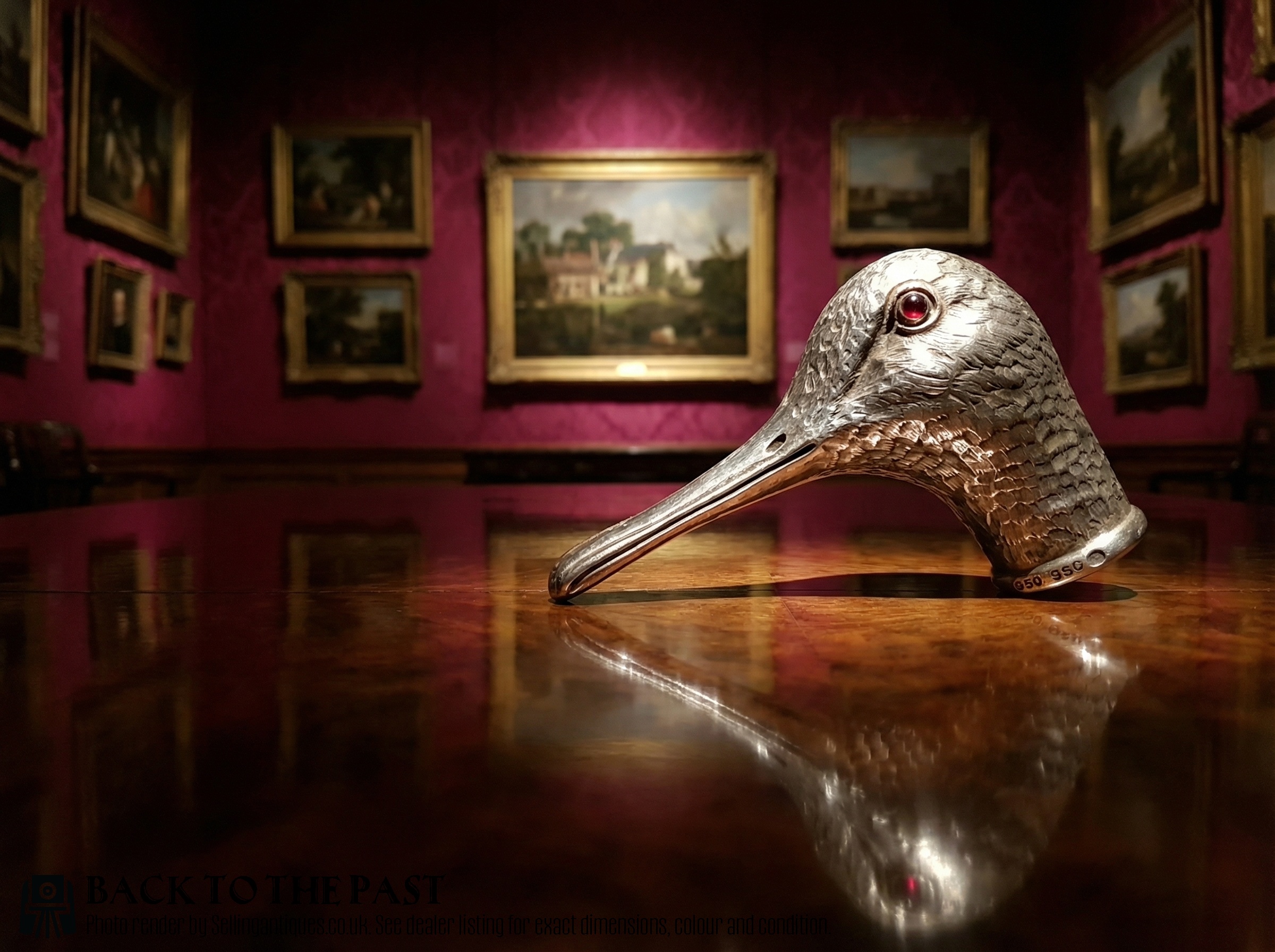
Silver Walking Stick
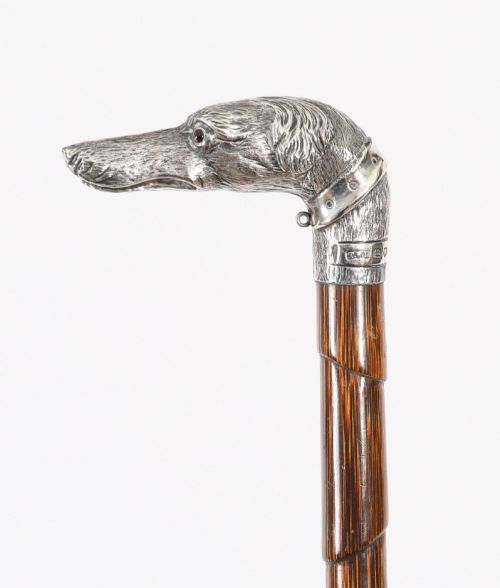
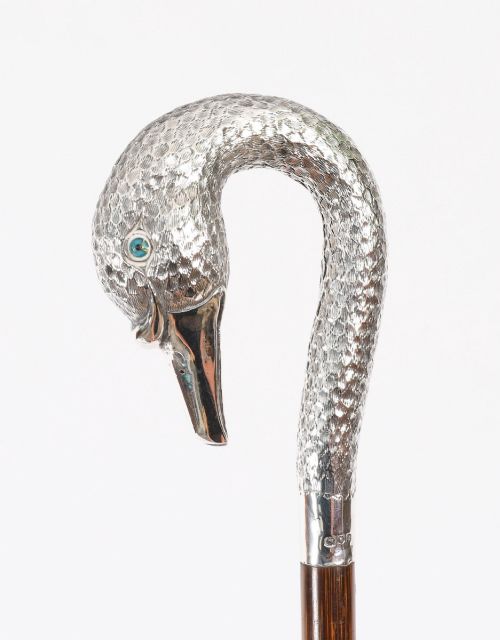
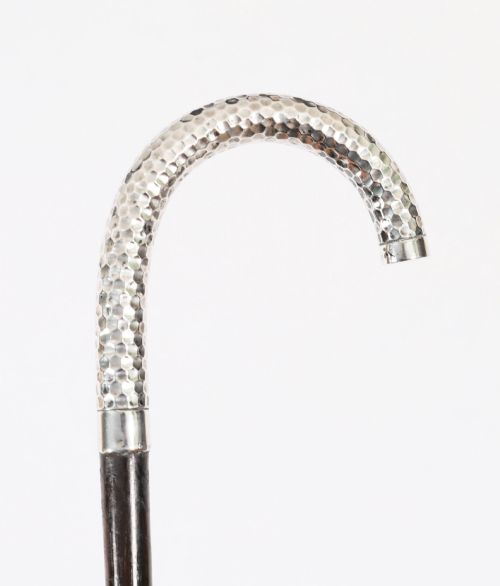
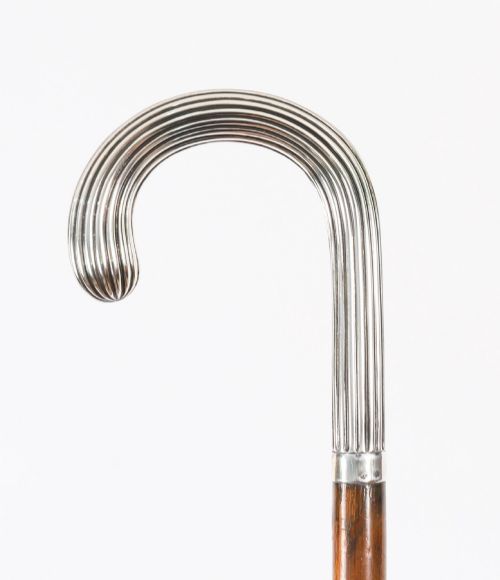
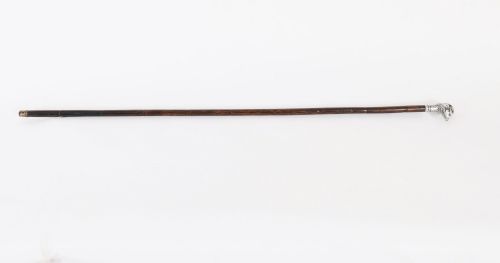
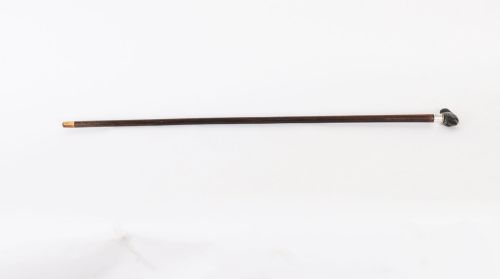
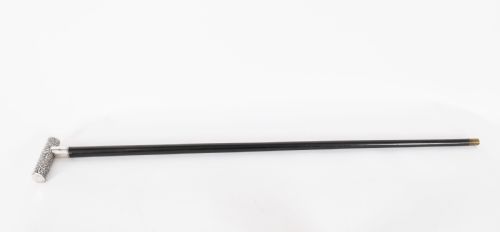
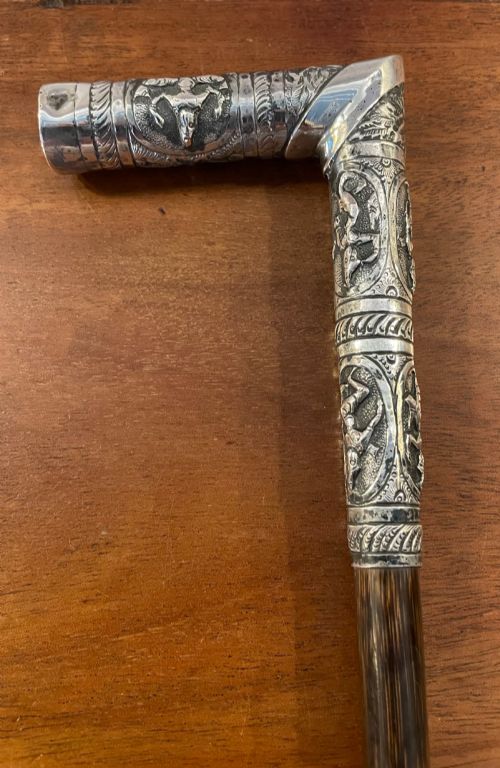
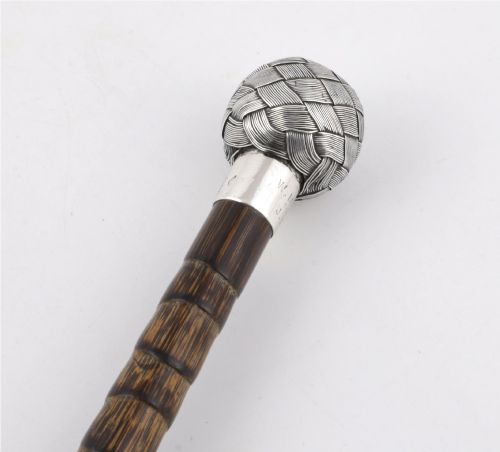
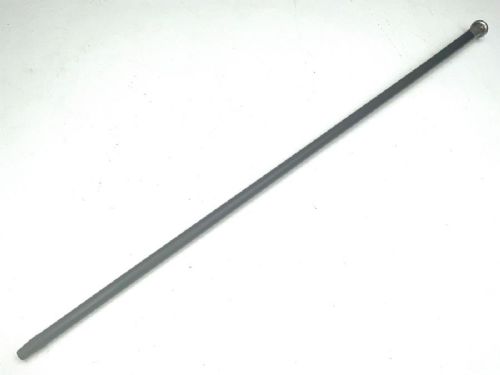
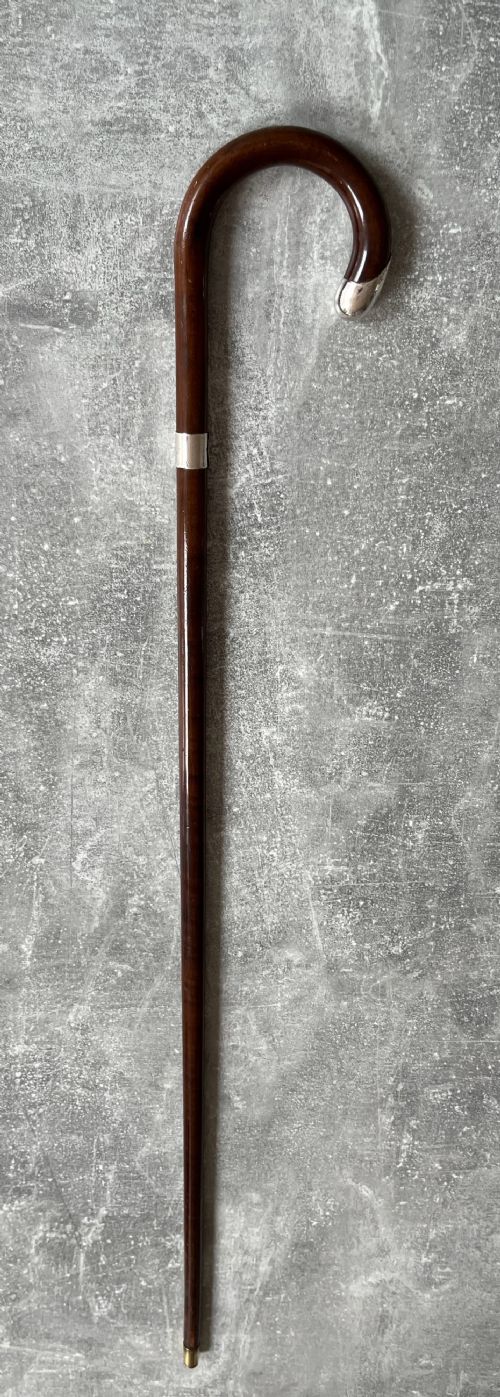
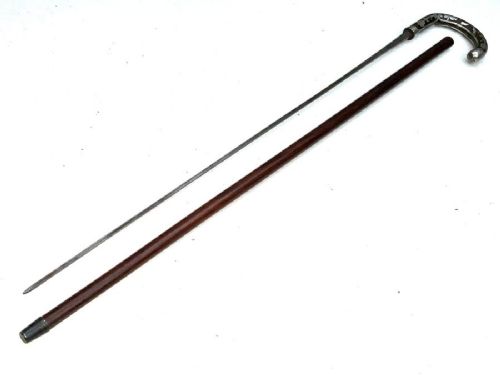
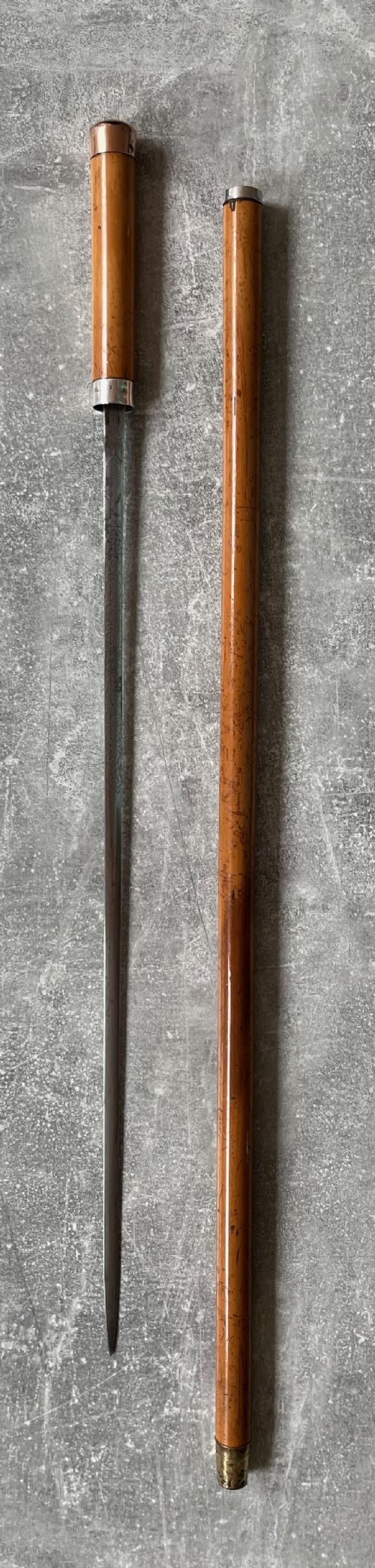
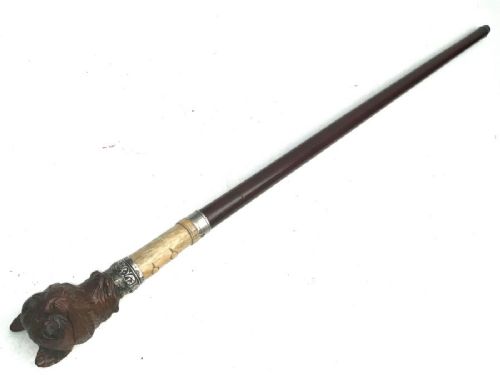
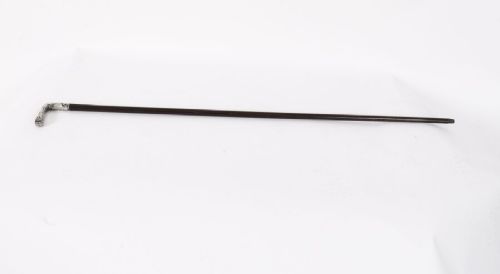
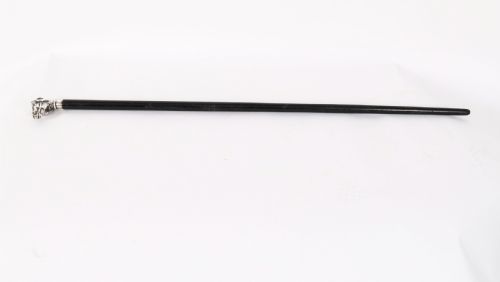
A silver walking stick combines a functional shaft of hardwood, bamboo or malacca with a decorative silver handle or mount. The selection encompasses plain silver-topped gentleman's canes, elaborate animal head handles including greyhounds, ducks and boars, and functional gadget sticks housing concealed blades or internal mechanisms.
Most examples originate from the Victorian and Edwardian eras, alongside late nineteenth-century French and Asian export pieces. Buyers frequently encounter canes featuring embossed pommels, silver collars, and specialised shafts such as ebonised wood or thorn wood.
How they were made
Internal mechanisms in sword sticks and gadget canes required precise metalworking, pairing steel blades with fitted brass collars and hidden latches. Mounts often carried hallmarks indicating the assay office and year of production.
Silver Walking Stick Retail Price Guide 2026
Typical asking prices for silver walking stick among the pieces listed under this phrase on Sellingantiques today, from the lower quarter to the upper quarter. They describe what is for sale here now, not the wider market.
Several walking sticks double as secret watch-holders, horse measures, or hidden drinking flasks for the resourceful Victorian walker.
What varies in quality
The distinction between standard utility items and superior examples lies in the artistic execution of the silver handle and the selection of materials. Finely modeled animal heads with crisp chasing, distinct feather or fur detailing, and substantial gauge silver represent the higher tier of production.
Shaft integrity, the precision of the fit between handle and timber, and the presence of clear hallmarks or maker attribution further elevate the standing of a piece. Gadget sticks command attention through the smooth operation of their concealed components.
Wang Hing And Company·Jonathan Howell·Kendall And Sons·Kutz Gottlieb
The Silver Walking Stick Glossary
- Pommel
- A rounded handle or knob on the top of a walking stick, often fashioned from solid silver or silver-plated metal. These upper sections provided the primary grip for the user.
- Assay office
- A body charged with testing the purity of precious metals and stamping items with official hallmarks. British pieces often bear marks from London, Chester or Birmingham.
- Gadget cane
- A walking stick housing a concealed tool, weapon or utility such as a sword blade, watch, snuff box or measuring device. These dual-purpose items served practicality or amusement.
- Malacca
- A prized rattan cane imported from Southeast Asia, known for its rich brown mottled bark and structural resilience. It formed a favored shaft material for high-end gentleman's sticks.
- Repoussé
- A metalworking technique where the artisan hammers the silver from the reverse side to create a raised design in relief on the front.
Silver Walking Stick: Frequently Asked Questions
How do I date a silver walking stick?
Dating relies heavily on silver hallmarks stamped onto the collar or handle, which indicate the assay office and year of manufacture. Stylistic markers such as Art Nouveau curves or Victorian motifs also help narrow the period.
Makers' marks provide additional context when researching specific workshops or retailers active during the nineteenth and early twentieth centuries.
What woods were used for the shafts?
Makers utilised a diverse range of timbers and natural canes to provide strength and balance. Common selections included ebonised wood, hazel, rosewood, snakewood and thorn wood alongside bamboo and malacca.
Each material offered distinct weight characteristics and visual grain patterns that complemented the metal handle.
Were these canes used for walking?
Many examples served as daily walking aids for gentlemen and ladies, combining physical support with social status. Others were carried primarily as fashion accessories or dandy's accoutrements.
Specialised variants included military swagger sticks and concealed sword sticks intended for personal defence or novelty.
What is a gadget cane?
A gadget cane is a walking stick featuring a hidden utility or mechanical compartment built into the shaft or handle. Common integrations included sword blades, corkscrews, horse measures and snuff boxes.
These pieces reflect the ingenuity of Victorian and Edwardian novelty manufacturers who catered to collectors of curiosities.