
19th Century Cane
A 19th century cane encompasses both the woven vegetable materials used for seating and the sophisticated walking sticks and umbrella stands of the period.
19th Century Cane
When you search for 19th century cane, you encounter two distinct categories of items: seating furniture incorporating woven canework and personal walking sticks or umbrella stands.
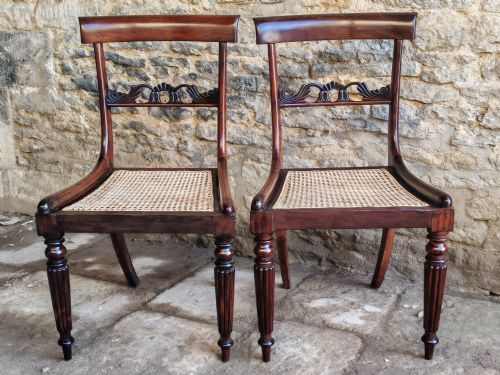
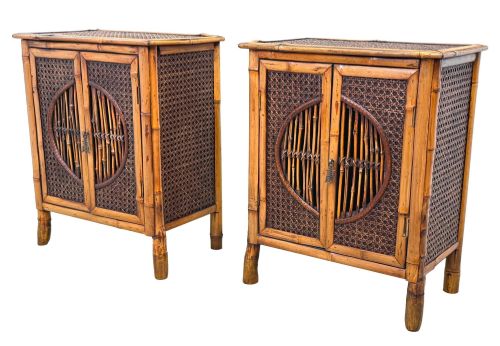
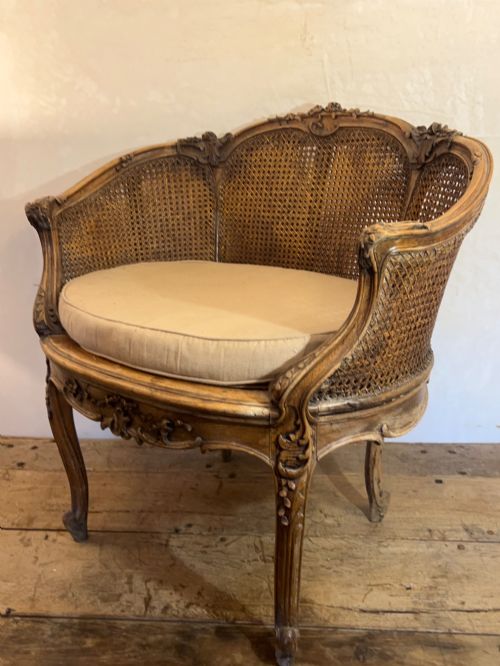
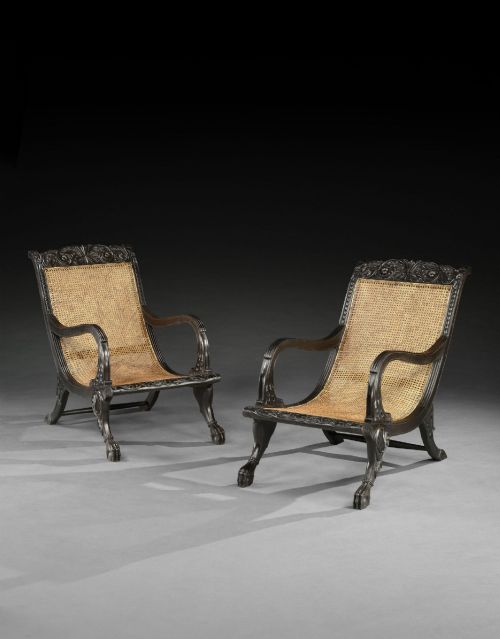
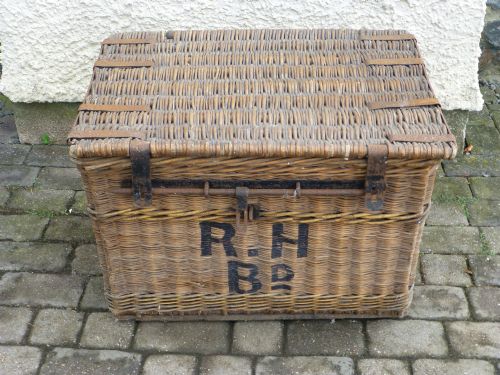
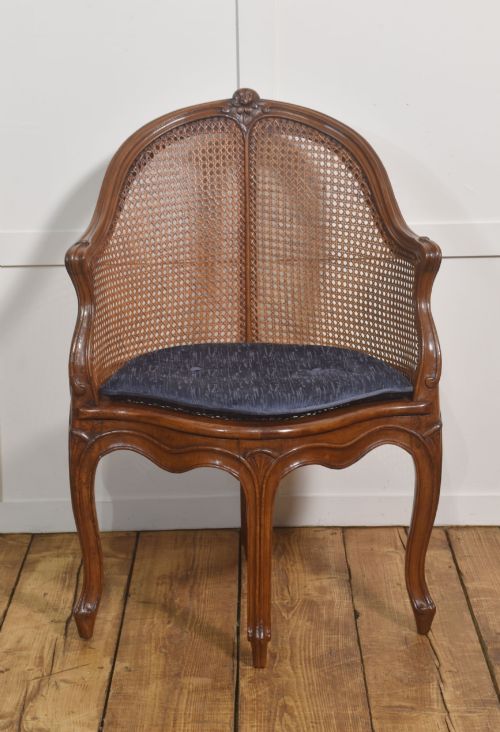
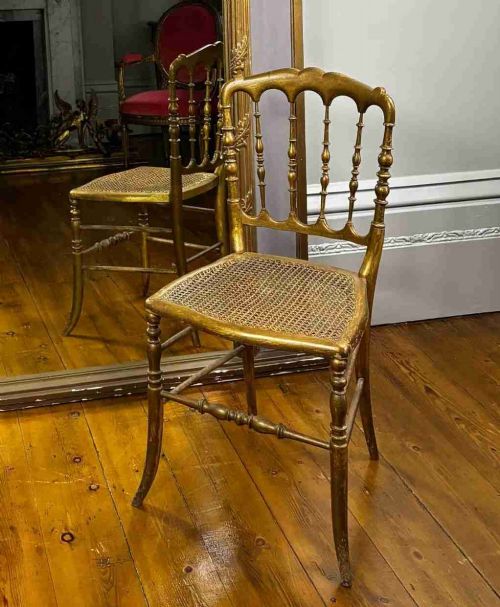
The seating includes French salon chairs, bergères, and campaign chairs with woven seats or panels, alongside industrial storage baskets.
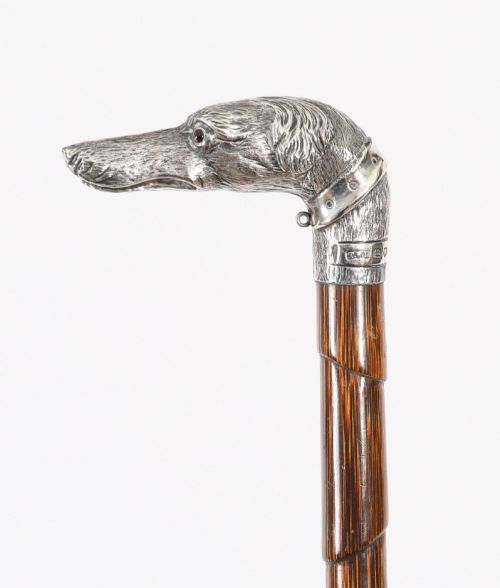
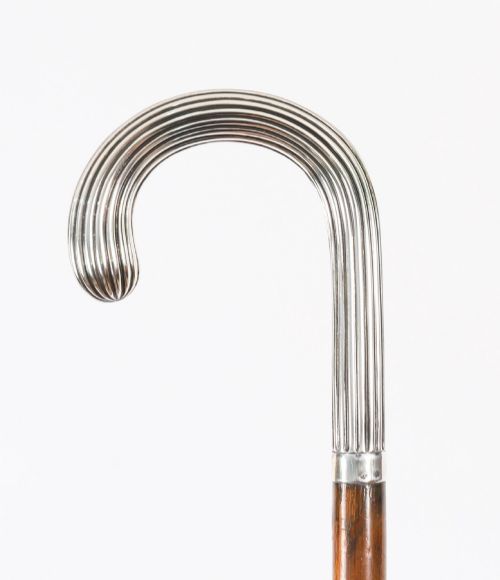
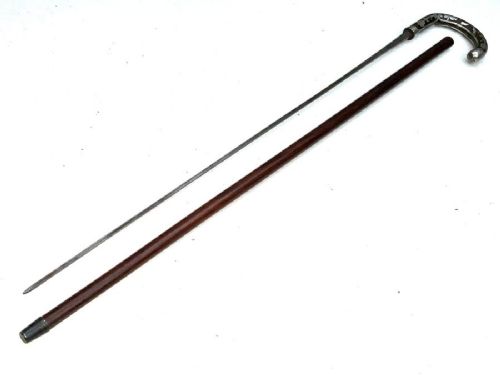
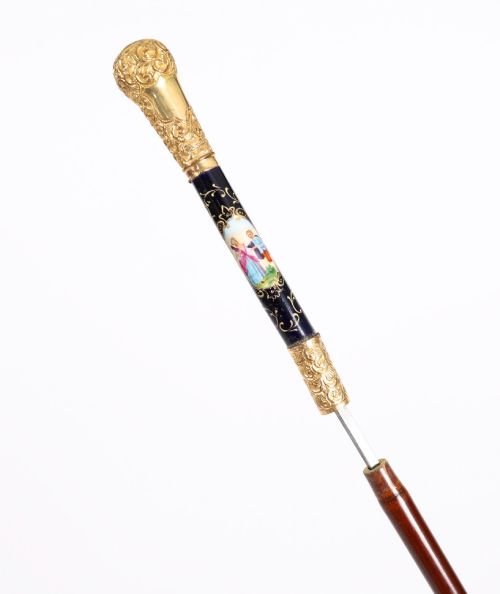
The walking sticks and canes often feature silver, gold, porcelain, or carved animal pommels, sometimes concealing blades or mechanisms.
Materials and construction methods
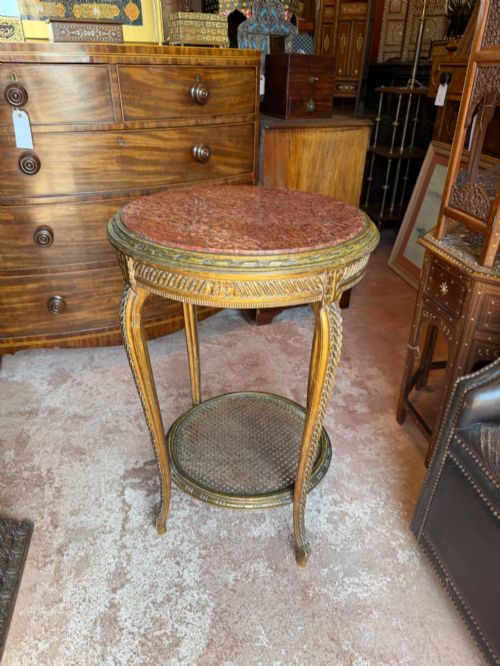
Seating frames utilise woods such as mahogany, walnut, cherrywood, and ebonised timber, paired with hand-woven natural plant cane or split rattan panels.
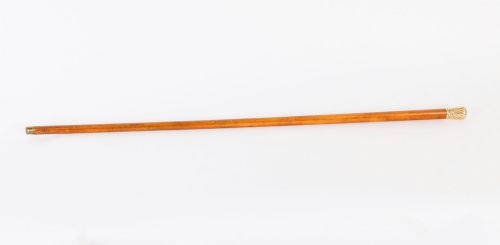
Walking sticks and canes combine timber shafts like malacca and bamboo with cast metal, brass, silver, and gold fittings.
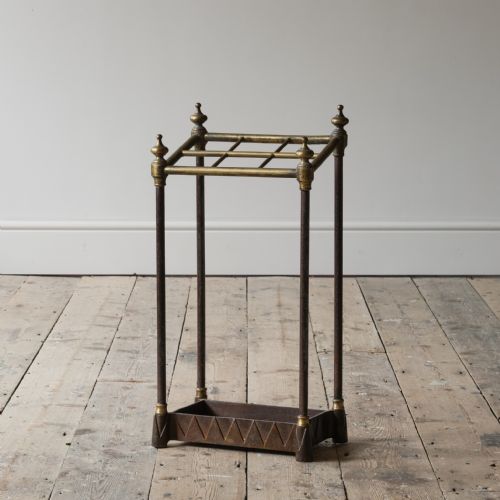
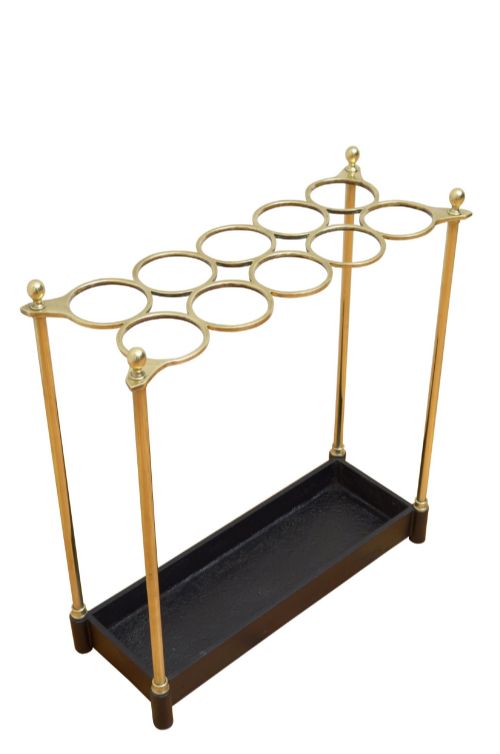
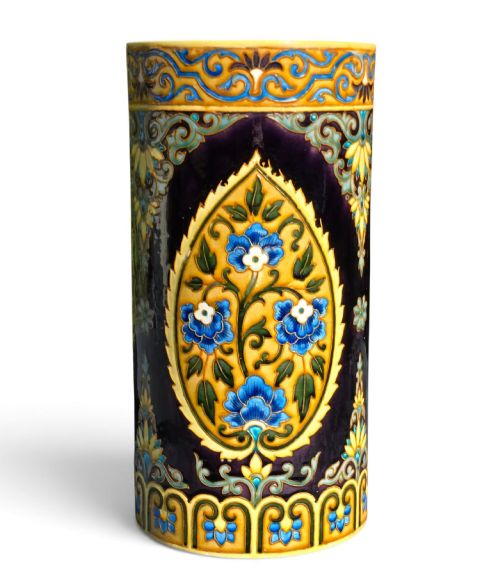
Umbrella and stick stands rely on heavy structural materials including cast iron, brass, porcelain, and pine to support wet items.
Several walking canes conceal an automated opening mouth activated by pressing a hidden button beneath a carved monkey head.
Standards of craftsmanship
Quality shows in the tightness and regularity of the hand-woven cane work on chair seats and backs, alongside the structural joinery of the wooden frames.
On walking sticks, excellence appears in the detail of chased silver, gold pommels, or carved horn and bone handles.
Cast iron and brass umbrella stands vary according to the crispness of their moulding and the presence of makers' marks or date stamps.
Théodore Deck·Brigg
The 19th Century Cane Glossary
- Canework
- Woven plant material used to form light, supportive panels for chair seats and backs. It requires careful hydration to prevent snapping over time.
- Bergère
- An enclosed upholstered armchair with exposed wooden framing and caned side panels. This seating style originated in France and remains popular in period interiors.
- Pommel
- The ornamental handle at the top of a walking stick or cane. These decorative grips frequently incorporate silver, gold, or carved animal forms.
- Sword stick
- A walking cane containing a concealed blade within the shaft. These dual-purpose items often feature release mechanisms hidden beneath the handle.
- Tazza
- An elevated shallow cup or dish on a pedestal foot. Examples can feature decorative red cane glass decoration within a moulded crystal body.
19th Century Cane: Frequently Asked Questions
How do I care for antique caned furniture?
Keep caned chair seats and panels away from direct heat sources and radiators to prevent the natural plant fibres from drying out and becoming brittle.
Periodically wiping the underside with a damp sponge helps maintain the moisture balance of the woven cane.
Were 19th century walking sticks used as weapons?
Many walking canes from this era served strictly as fashionable accessories for gentlemen and ladies taking promenade.
However, specific examples incorporate concealed Toledo steel blades or mechanical compartments for self-defence.
What woods were commonly used for frames?
Cabinet makers utilised a wide variety of native and exotic timbers depending on the regional style and intended function of the chair.
Common selections include mahogany, walnut, cherrywood, ebony, and ebonised beech, often complemented by gilt or parcel gilt highlights.
How are umbrella stands constructed?
These hall accessories rely on durable, water-resistant materials designed to catch moisture from wet walking sticks and umbrellas.
Found examples frequently combine heavy cast iron frames with brass rails, ceramic liners, or wooden troughs.