


Carved Silver Cane
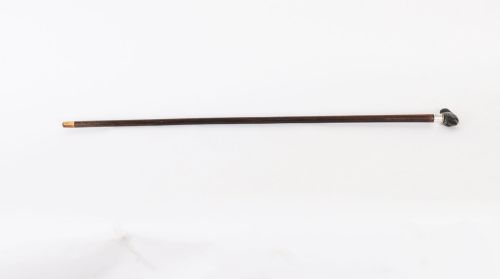
These carved silver cane pieces are distinguished walking sticks and novelty items featuring precious metal mounts and sculptural handles.
Carved Silver Cane
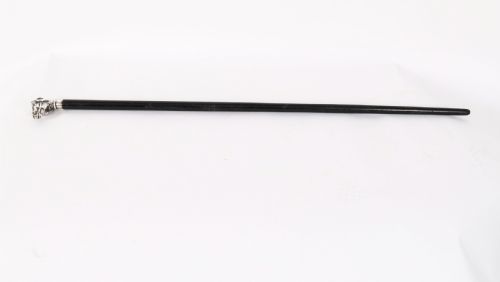
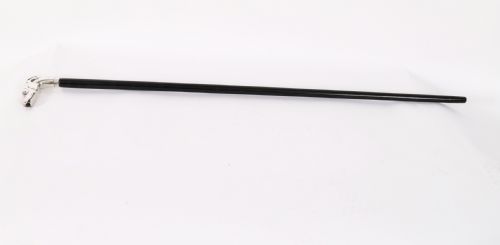
A carved silver cane combines practical support with sculptural metalwork, frequently taking the form of walking sticks and riding crops. These pieces emerge primarily from the nineteenth century, the Edwardian era, and the nineteen-thirties.
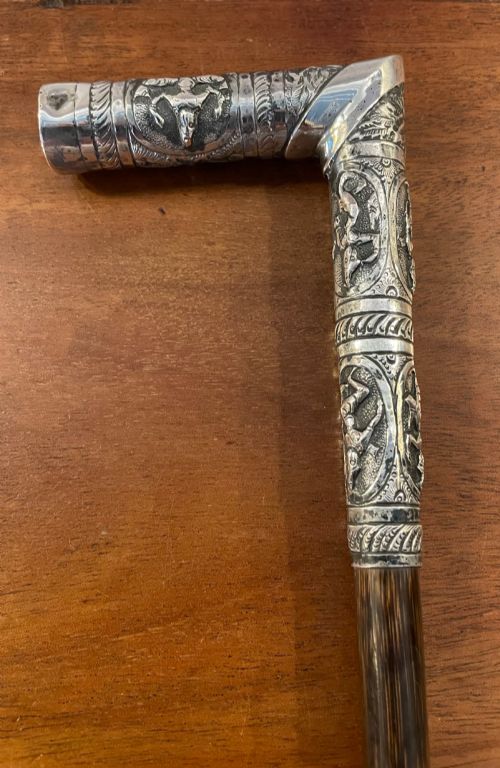
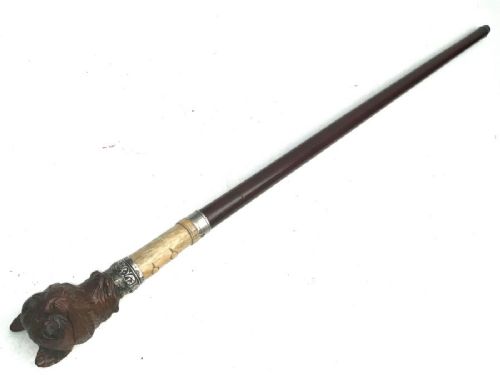
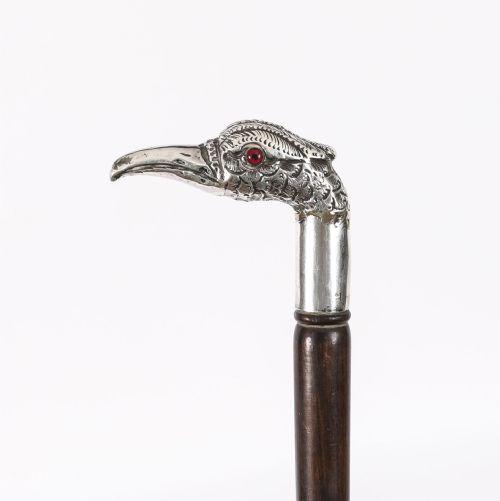
Handles dominate the design, often rendered as animal heads including horses, greyhounds, boars, rabbits, and parrots. Such novelty examples showcase the playful and elaborate tastes of their original owners.
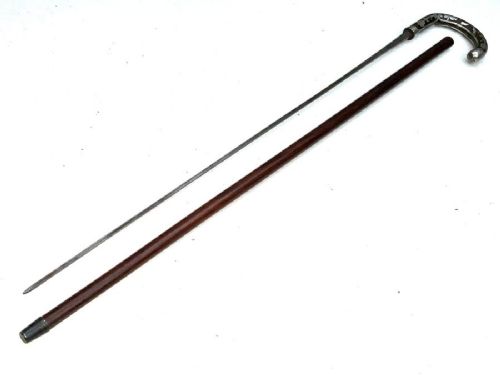
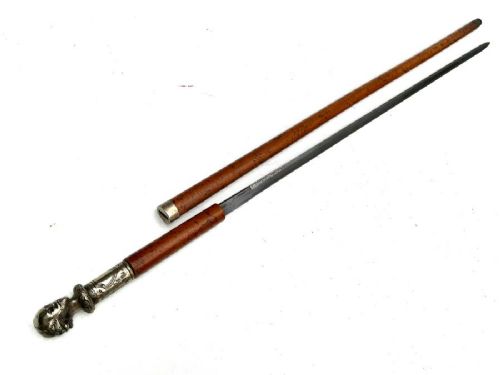
Many of these objects incorporate concealed functional elements, transforming standard walking sticks into sword sticks or gadget canes housing snuff boxes and corkscrews. These dual-purpose items reflect ingenuity alongside decorative craftsmanship.
Materials and construction
Makers combine silver mounts and embossed handles with shafts shaped from various woods, bamboo, malacca, horn, and ebonised timber. Steel appears frequently for the blades concealed within sword sticks.
Metalwork involves casting, chasing, and embossing silver to form detailed animal motifs or floral patterns like the four-leaf clover. Artisans attach these decorative handles securely to wooden or natural-form shafts using collars.
Materials recorded across these listings include silver, bamboo, malacca, ebonised wood, horn, and steel blades.
Quality and execution
The precision and depth of the metal carving set individual pieces apart, particularly in animal head handles where anatomical accuracy and expressive detail define the work. Superior examples display crisp chasing on the silver and a balanced weight in the shaft.
The integration of hidden mechanisms, such as locking blades in sword sticks or functional compartments in gadget canes, demonstrates the skill of the maker. The choice of materials, from dense hardwoods to quality bamboo, also influences the overall standard of the piece.
BRIGG·Henry Borlase Stevens
The Carved Silver Cane Glossary
- Gadget cane
- A walking stick fitted with a hidden practical function such as a concealed tool, weapon, or compartment. These pieces were popular among gentlemen for utility and amusement.
- Sword stick
- A walking stick that conceals a steel blade within the shaft, secured by a locking mechanism. Examples range from military officer issues to civilian novelty pieces.
- Collar
- The decorative metal band joining the handle of a cane to its main shaft. It often bears hallmarks or maker marks.
- Malacca
- A sturdy, polished rattan cane imported from Southeast Asia, prized for its flexibility and distinct mottled brown finish. It serves as a primary shaft material.
- Ebonised wood
- Timber treated with a dark finish to imitate the appearance of ebony. It provides a stark contrast against bright silver mounts.
Carved Silver Cane: Frequently Asked Questions
What is a gadget cane?
A gadget cane is a walking stick designed with a concealed practical feature, such as a hidden blade, a corkscrew, or a compartment for snuff. These items combined everyday utility with discreet entertainment.
Craftsmen integrated these mechanisms carefully within the wooden shaft and silver handle so the stick appeared entirely conventional at a glance.
How do I identify the period?
Periods are often identified through stylistic cues in the silver work and the choice of materials, alongside any accompanying hallmarks or stamps. Nineteenth-century examples frequently feature elaborate animal head handles and embossed decoration.
Edwardian pieces and later nineteen-thirties items tend to show subtle shifts in proportion and manufacturing techniques, reflecting the design trends of those decades.
Were these canes used as weapons?
Certain pieces, particularly sword sticks associated with military officers or colonial service, were intended for personal defence. The steel blade remained securely locked inside the wooden shaft until needed.
Other examples functioned purely as fashion accessories or novelty items for gentlemen and ladies walking out.
How should I display a cane?
Canes are typically displayed upright in a dedicated umbrella stand or mounted horizontally on wall brackets to showcase the detailed silver handles. This keeps the shaft straight and prevents warping.
Placing them away from direct heat sources protects both the wood and the silver mountings from environmental stress.