



Silver Pommel Cane
A silver pommel cane is an accessory of authority or leisure, pairing a substantial handle with timber.
Silver Pommel Cane
A silver pommel cane combines a precious metal handle with a shaft of wood, bamboo, or ebonised hardwood. These pieces serve as gentleman's accessories, military items, or novelty pieces spanning the Victorian and Edwardian eras.
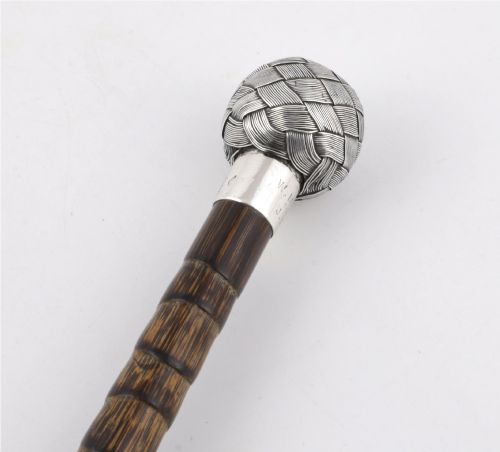
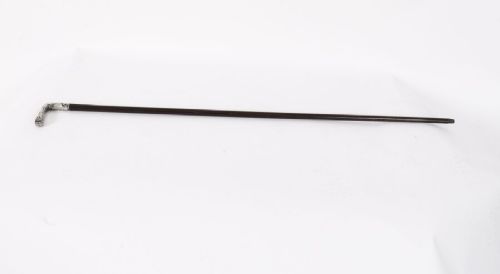
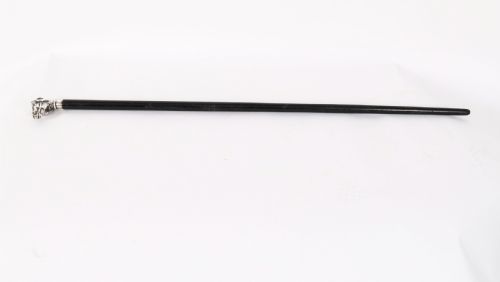
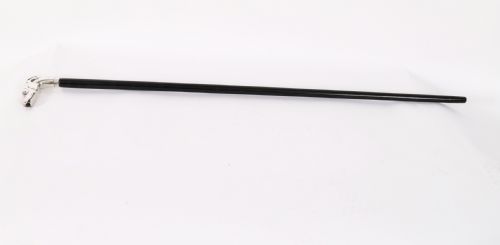
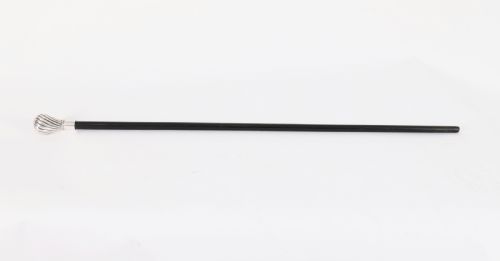
The most common examples on this page are nineteenth-century and early twentieth-century sticks featuring distinct silver tops, ranging from plain spherical mounts to animal heads and military swagger sticks.
Materials and construction
Makers fashioned the pommels from solid silver or silver plate, shaping them into smooth balls, animal forms, or classical motifs. Smiths often applied hallmarks or engraved decoration directly onto the metal surface.
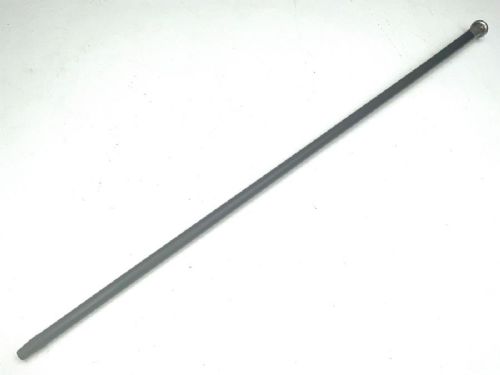
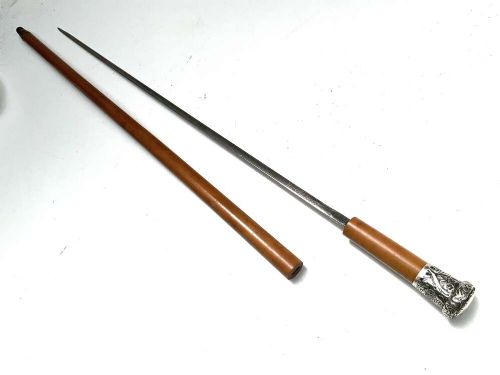
Shafts rely on durable natural materials including bamboo, malacca, snakewood, and ebonised wood. Some shafts conceal steel blades, turning the walking stick into a sword stick or housing an operational watch mechanism.
Silver Pommel Cane Retail Price Guide 2026
Typical asking prices for silver pommel cane among the pieces listed under this phrase on Sellingantiques today, from the lower quarter to the upper quarter. They describe what is for sale here now, not the wider market.
Listings feature items from the Victorian and Edwardian periods, utilising materials such as bamboo, malacca, snakewood, and ebonised wood alongside silver and steel.
Judging quality and craftsmanship
Quality rests in the sculptural detail of the silver pommel and the integrity of the shaft. Hand-chased animal heads or figural designs require superior metalsmithing compared to plain spherical tops.
The connection between the silver top and the wooden shaft indicates the standard of manufacture. Secure seating, straight timber, and intact collars separate everyday utility pieces from finer presentation or novelty canes.
The Silver Pommel Cane Glossary
- Pommel
- The rounded or decorative knob forming the handle of the cane. It provides the grip for the user.
- Swagger stick
- A short cane carried by military personnel rather than used for walking. These often feature distinctive regimental metal mounts.
- Ebonised wood
- Timber treated to resemble ebony, providing a deep black finish for the shaft. It creates a formal contrast against the bright silver top.
- Malacca
- A sturdy rattan cane stem prized for its mottled brown finish and flexibility. Makers utilised this material for resilient walking sticks.
- Hallmark
- An official stamp applied to precious metals indicating purity and origin. These marks help verify the period of the silver pommel.
Silver Pommel Cane: Frequently Asked Questions
What is a silver pommel cane?
A silver pommel cane is a traditional walking stick featuring a decorative silver handle mounted to a wooden or bamboo shaft. These accessories were widely carried by gentlemen and officers during the nineteenth and early twentieth centuries.
Today, collectors appreciate them for their varied craftsmanship, incorporating everything from plain spherical mounts to intricate animal figures and concealed blades.
How do I date a cane?
Dating relies on examining hallmarks stamped on the silver pommel, alongside the style of the handle and the type of wood used in the shaft. Victorian and Edwardian examples often display specific manufacturing traits and design motifs characteristic of their decade.
Archive records and comparative examples also assist in narrowing down the period of manufacture when hallmarks are absent or rubbed.
Were all canes used for walking?
Not all sticks served a purely ambulatory purpose, as military swagger sticks were carried as symbols of rank rather than support. Additionally, some examples function as sword sticks or incorporate hidden watch faces in the pommel.
These functional variations reflect the diverse social roles these accessories played for their original owners.
How should I store my cane?
Canes require storage in a stable environment away from extreme temperature fluctuations and direct sunlight to protect the wood and silver. Keeping them upright in a suitable stand prevents warping of the timber shaft.
Gentle dusting preserves the finish of both the metal pommel and the natural wood without abrasive cleaning.