


Silver Head Walking Cane
A silver head walking cane combines daily utility with sculptural metalwork, offering collectors figural animals and classical forms from the nineteenth and early twentieth centuries.
Silver Head Walking Cane
A silver head walking cane is a traditional support and status symbol featuring a metal handle fitted to a wooden shaft. The pieces gathered here span the Victorian, Edwardian, and Art Deco periods, alongside nineteenth-century French and Continental examples.
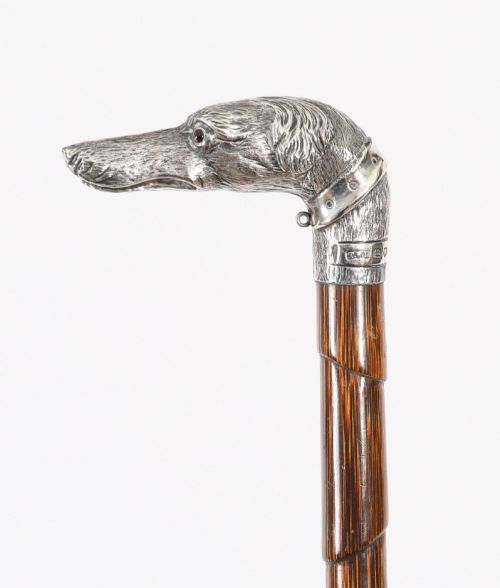
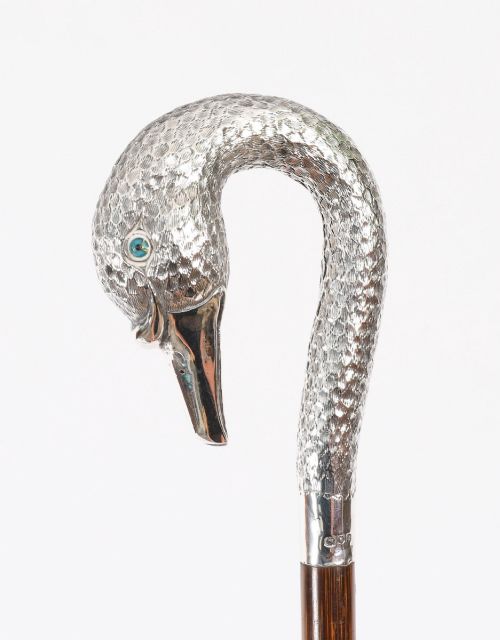
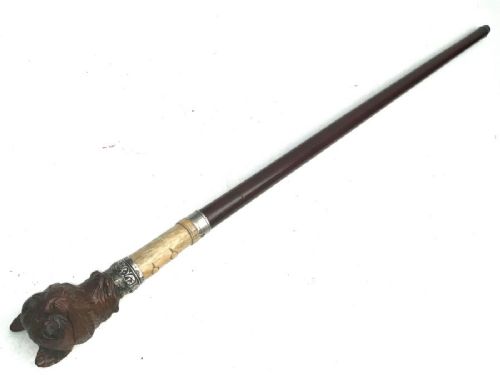
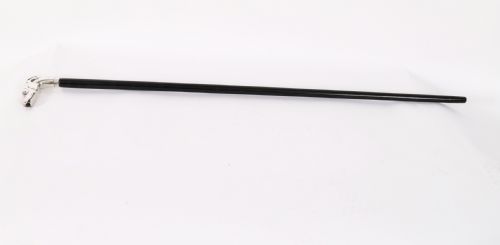
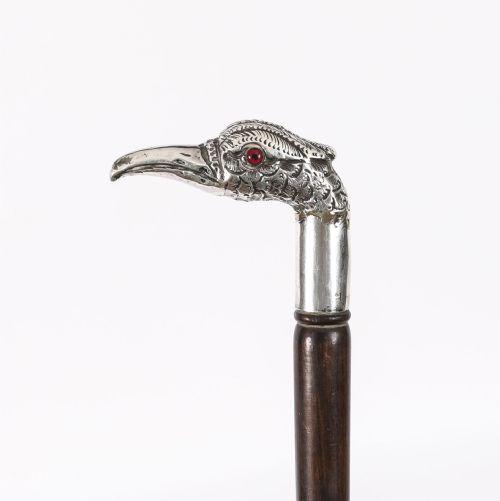
Handles take the form of domestic and wild animals including greyhounds, swans, ducks, parrots, horses, boars, and herons. Other variations include military officer sword sticks, golf club shapes, and parasol handles.
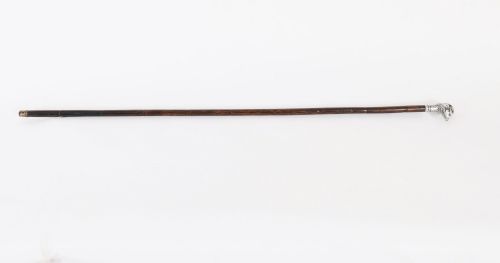
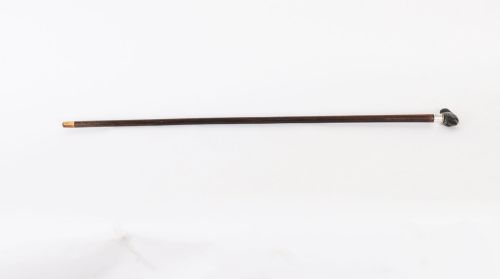
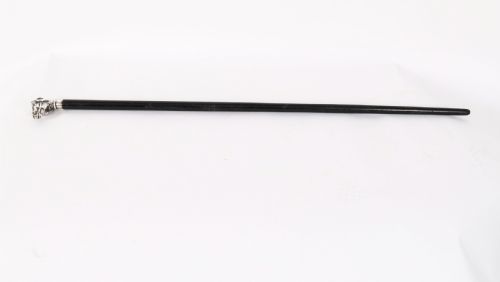
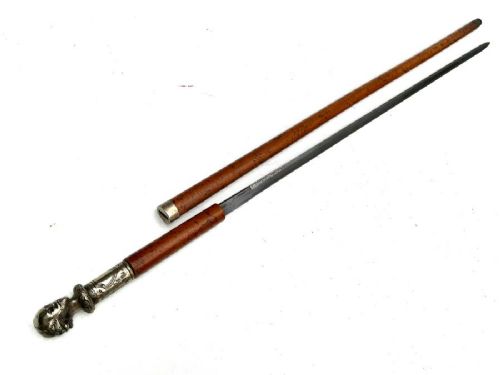
Shafts are constructed from hardwoods, bamboo, or ebonised wood, sometimes paired with concealed steel blades. Most survivals date between eighteen hundred and nineteen thirty, reflecting the height of gentlemanly and fashionable street accessories.
Materials and Construction
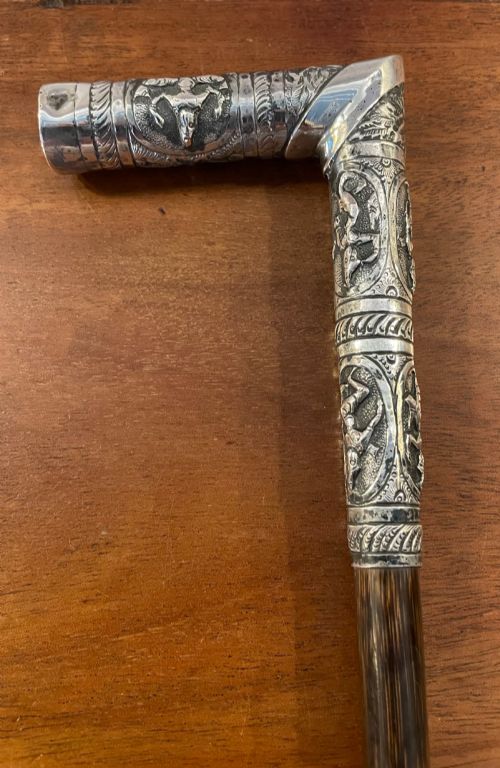
Handles are cast, chased, or repoussé-worked in silver or sterling silver, occasionally using silver plate over base metal. Artisans shaped these metals into detailed animal heads and neoclassical motifs before attaching them securely to the wooden supports.
Shafts utilise timber such as hardwood, bamboo, and ebonised wood to provide rigidity and balance. Metal ferrules protect the lower ends, while internal steel blades transform select walking aids into concealed sword sticks.
Listings feature silver head walking canes spanning the nineteenth century through the nineteen-thirties, including Victorian, Edwardian, and Art Deco designs.
Craftsmanship and Detail
Quality rests in the sculptural depth of the silver handle and the crispness of the chasing. Superior examples display fine feather, fur, and facial detail on animal heads, whereas simpler pieces show softer casting and minimal surface work.
The integrity of the join between the silver handle and the wooden shaft dictates the overall durability. Full hallmarks, maker marks, and precise date stamps elevate historical interest compared to unmarked or plated alternatives.
Asprey·Ben Cox·Brigg
The Silver Head Walking Cane Glossary
- Silver head
- A metal handle fashioned from silver, fitted to the top of a walking stick or cane. These handles often depict figural animal heads or decorative motifs.
- Sword stick
- A walking cane containing a concealed steel blade within the wooden shaft. These pieces feature a locking mechanism or screw joint to secure the blade.
- Sterling silver
- A silver alloy containing ninety-two point five percent silver by mass and seven point five percent other metals, usually copper. British pieces frequently bear assay office hallmarks.
- Ebonised wood
- Timber treated with a stain or finish to imitate ebony. This dark, polished material provides a contrasting dark shaft for bright silver handles.
- Parasol handle
- A curved or straight metal handle originally designed for sunshades rather than walking supports. These share decorative metalwork techniques with cane handles.
Silver Head Walking Cane: Frequently Asked Questions
How do I date a silver head walking cane?
Dating relies heavily on hallmarks stamped into the silver handle, which indicate the assay office, year letter, and maker. Stylistic cues such as Art Deco geometric lines or Victorian figural realism also help narrow the production era.
Shaft materials and construction methods provide supporting clues. Nineteenth-century examples often display hand-chased detailing, while twentieth-century pieces may incorporate distinct maker stamps from London workshops.
What wood was used for the shafts?
Shafts were typically turned from dense hardwoods, bamboo, or ebonised timber to ensure structural strength. These materials offered the necessary rigidity to function as genuine walking supports.
Some specialised items concealed steel blades inside the wooden body. The choice of timber often corresponds to the fashion of the period, ranging from natural bamboo to polished black ebonised wood.
Are all silver handles solid sterling?
Handles vary between solid silver, sterling silver, and silver plate over a base metal core. Hallmarks stamped directly onto the metal confirm the exact standard and purity of the silver used.
Unmarked pieces or those described as silver-plated generally indicate a more accessible manufacturing tier. Examining the metal weight and wear patterns helps distinguish solid construction from plated surfaces.
How were these canes used historically?
Gentlemen and ladies carried these accessories as standard items of daily attire during the nineteenth and early twentieth centuries. They served both as fashionable additions to dress and as practical walking aids.
Certain variants, such as sword sticks or novelty animal heads, reflected personal status or specific hobbies like golf and military service. Parasol handles fulfilled a similar ornamental role for sun protection.