
Silver Dress Cane
These silver dress cane examples combine functional support with ornamental metalwork, offering collectors tactile pieces of period history.
Defining the silver dress cane
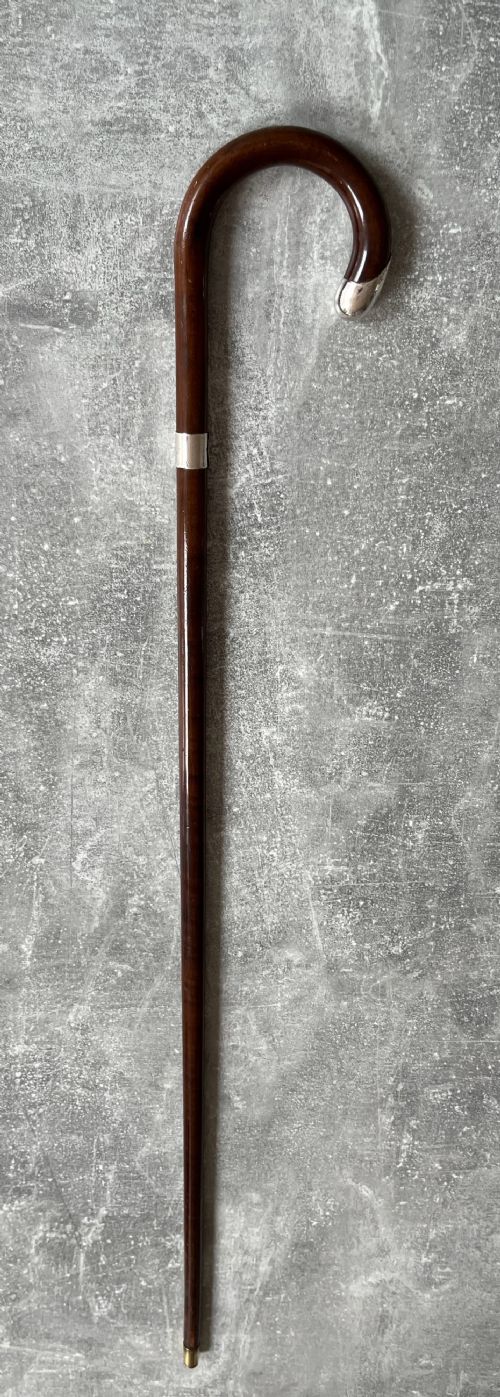
A silver dress cane serves as an ornamental walking accessory featuring precious metal mounts, handles or full grips. These items represent personal gear worn or carried during formal outings in the nineteenth and early twentieth centuries.
Examples on this page span Victorian, Edwardian, and French Belle Epoque periods, alongside Chinese Export and Neoclassical styles. Makers produced both robust walking sticks and slender canes topped with distinctive handles.
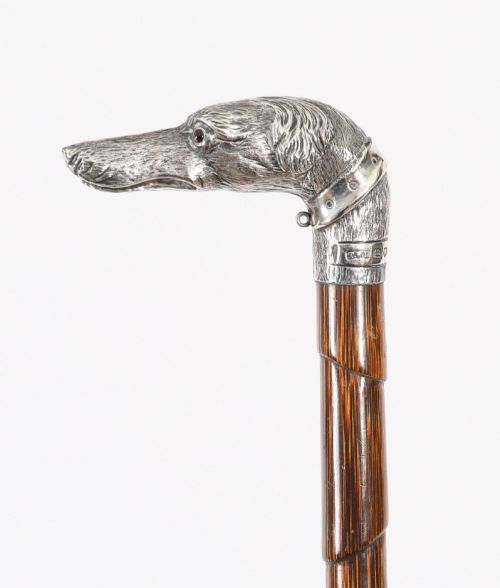
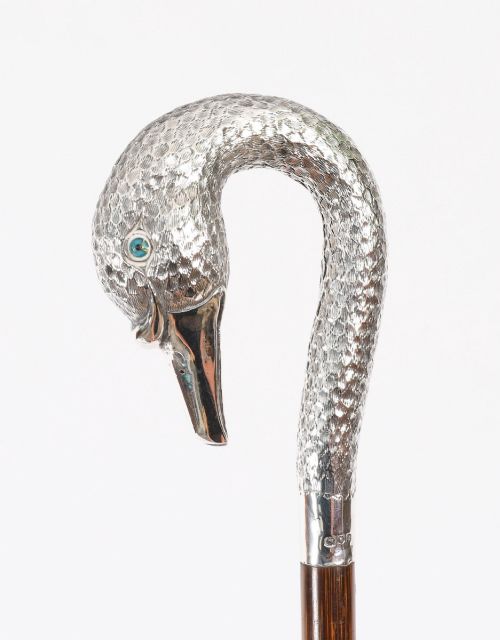
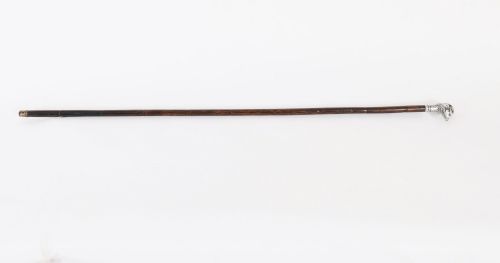
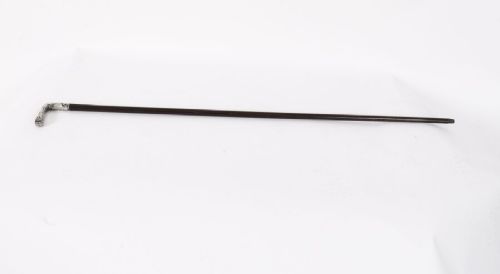
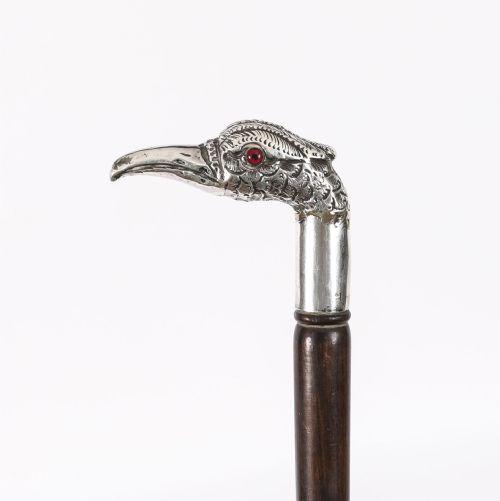
The most frequent items encountered include pieces featuring figural animal heads or floral motifs mounted on wooden shafts. These range from continental European works to British Edwardian pieces and Asian export items.
Construction and materials
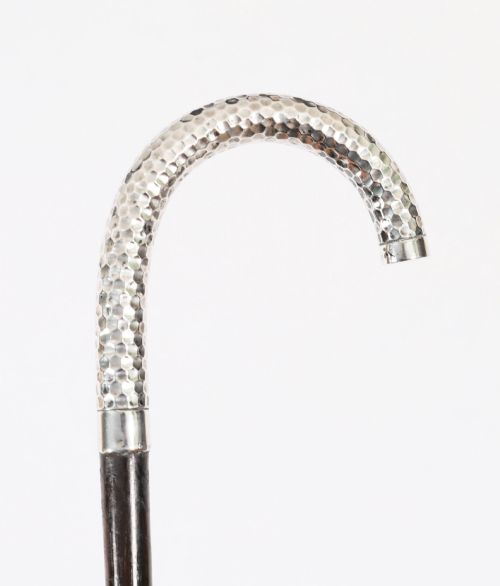
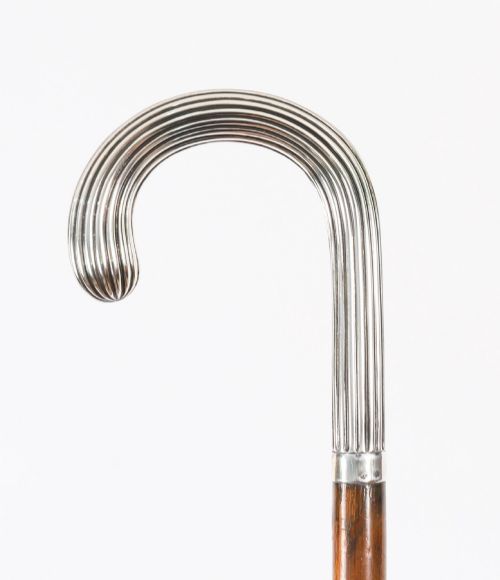
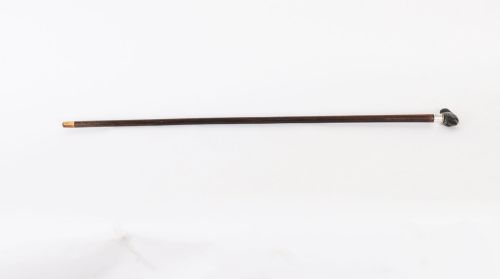
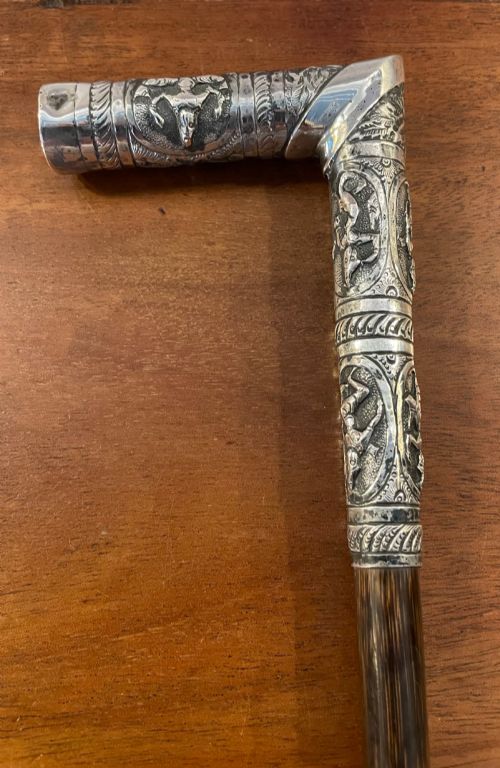
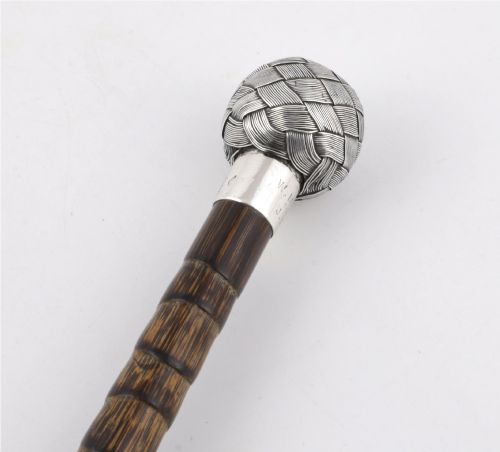
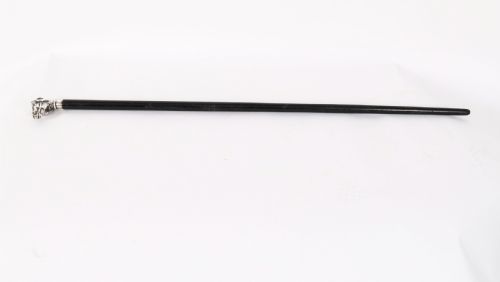
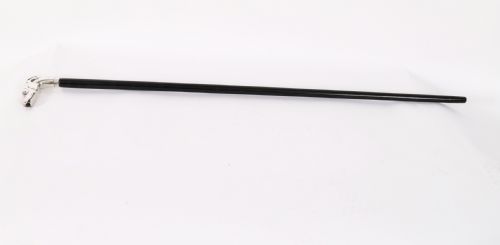
Shifts in materials reveal distinct combinations of silver, wood, ebonised wood, brass, and glass across the inventory. Handles are shaped from sheet or cast silver, frequently depicting subjects like horses and hares or adorned with prunus blossom designs.
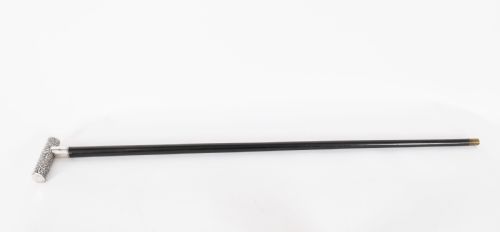
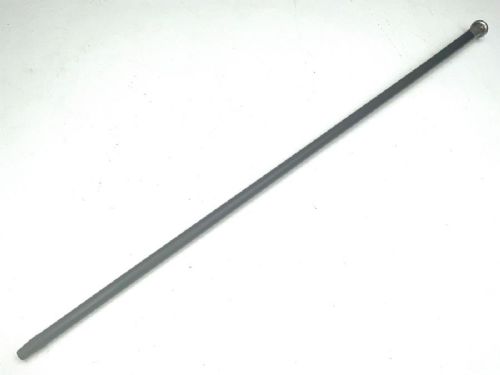
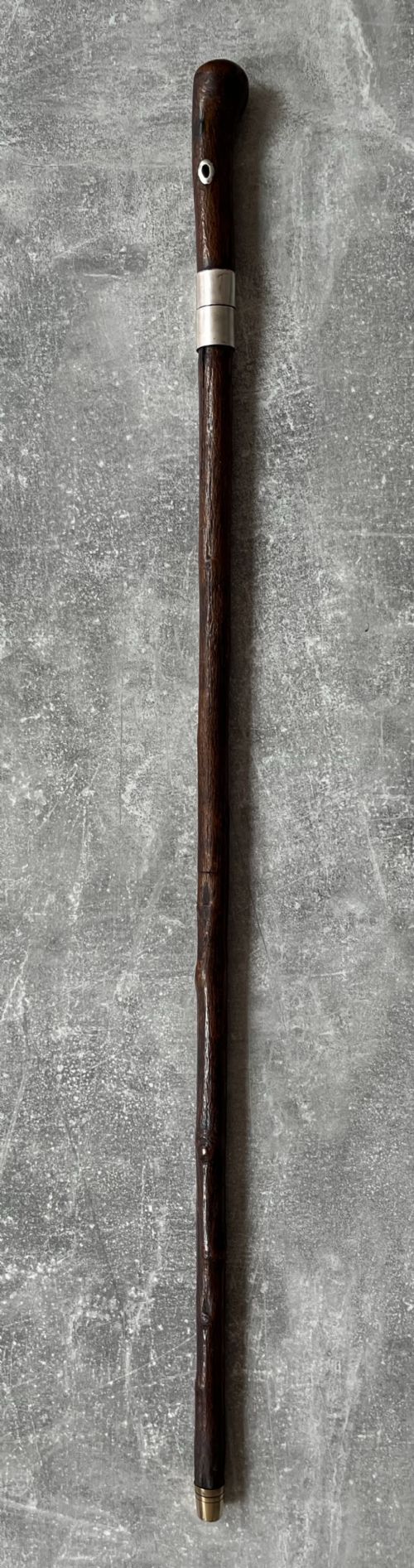
Shafts rely on sturdy timbers such as ebonised wood or standard wood to provide structural integrity beneath the metal top. Artisans secured these silver handles to the wooden lengths using internal pins or adhesives appropriate to the period.
Retail Price Guide 2026
Typical UK retail prices for silver dress cane, calculated from the Sellingantiques database of over a million retail prices indexed since 2003. This retail price guide relies exclusively on Sellingantiques data; no external sources or auction records are used, so the figures do not describe the wider market.
Assessing quality and craftsmanship
Quality separates simple utility walking sticks from high-status dress accessories through the depth and detail of the metalwork. Finely chased or cast figural handles, such as the horse head or hare motifs, demonstrate superior artistic investment by the maker.
The choice and preparation of the wooden shaft also dictate the overall standard of the piece. Denser woods, clean straight grains, and intact mounts elevate the piece above utilitarian examples.
The Silver Dress Cane Glossary
- Dress cane
- A lightweight walking stick intended for social wear rather than heavy support. These accessories were standard additions to formal attire.
- Ebonised wood
- Timber treated with a dark stain to resemble ebony. This material provides a uniform, deep black finish popular for walking stick shafts.
- Neoclassical
- A style drawing inspiration from classical antiquity. It appears on continental silver mounts through restrained and symmetrical ornamentation.
- Prunus blossom
- A decorative motif depicting plum flowers. This design frequently occurs on Chinese Export silver handles.
Frequently Asked Questions
What is a silver dress cane?
A silver dress cane is an ornamental walking accessory featuring a precious metal handle mounted on a wooden shaft. They were used historically as fashion statements during formal outings rather than strictly for medical support.
These pieces combine practical shafts made of wood or ebonised wood with detailed metalwork, often shaped into animals or floral patterns.
How do I date a silver dress cane?
Dating relies on stylistic clues, historical motifs, and manufacturing techniques visible in the silver mounts and wooden shafts. Periods represented range from the nineteenth century through the Edwardian era and French Belle Epoque.
Examining the handle style, such as Neoclassical designs or specific animal carvings, helps place the piece within its correct era.
Were these canes used for walking?
Yes, although dress canes were primarily fashion accessories for gentlemen and ladies during formal social engagements. They provided light balance and completed an outfit rather than acting as heavy orthopaedic support.
Their slender builds and decorative silver handles made them better suited for urban promenades than rugged terrain.
How do I care for a silver dress cane?
Care involves keeping the piece away from excessive moisture and extreme temperature fluctuations to protect both the wood and the metal. Gentle dusting preserves the finish of the wooden shaft without harming the aged surface.
Silver mounts should be cleaned sparingly with appropriate cloths to maintain their historical character rather than achieving a modern mirror shine.