
Silver Handled Cane
A silver handled cane combines the utility of a traditional walking stick with the refined craftsmanship of period silversmithing.
Silver Handled Cane
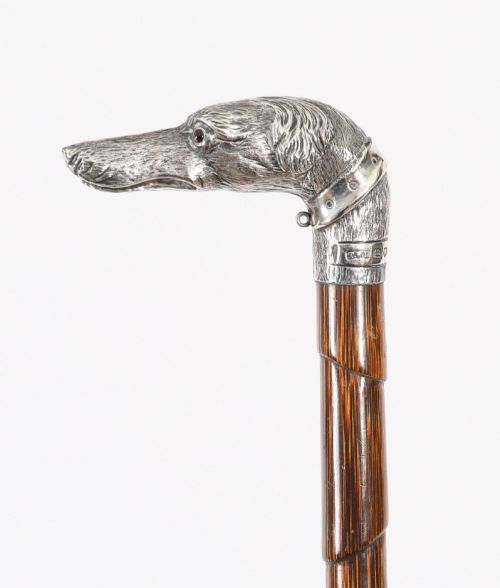
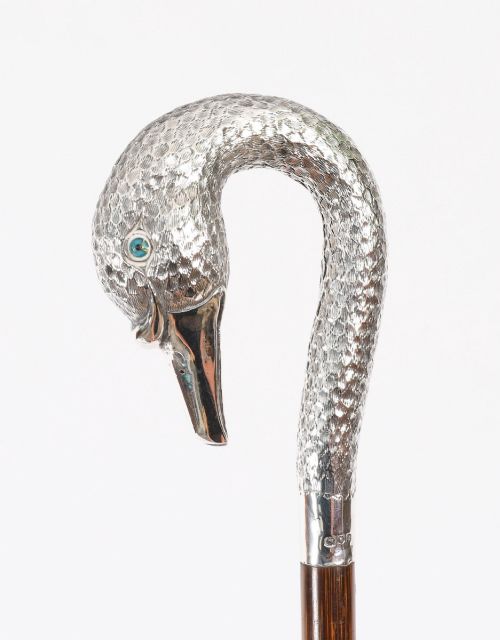
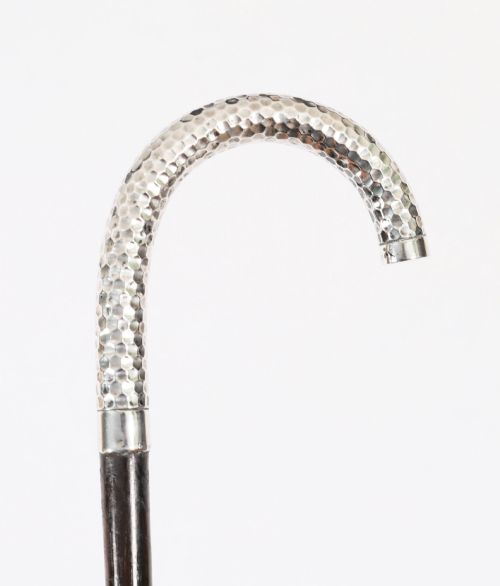
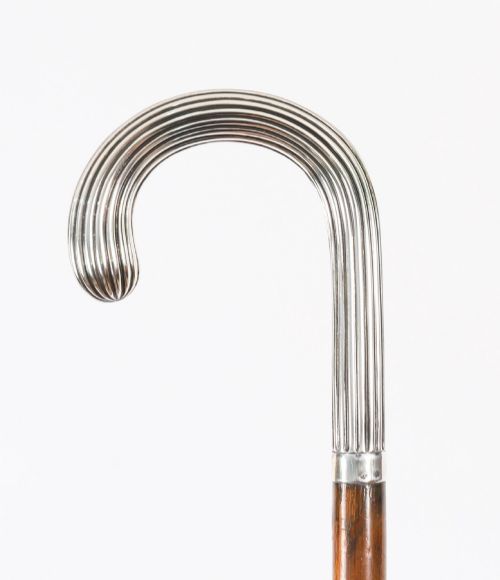
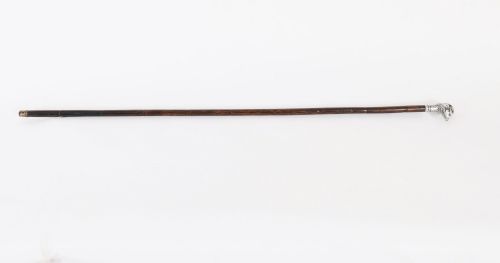
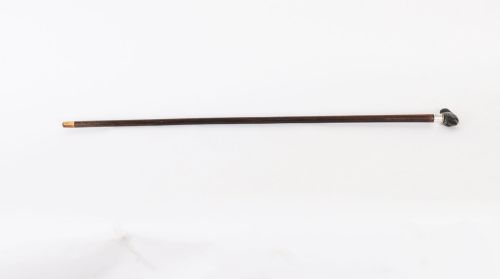
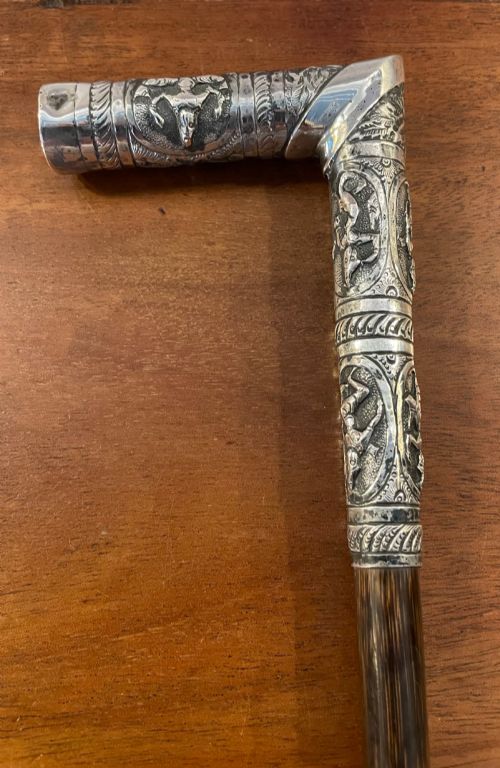
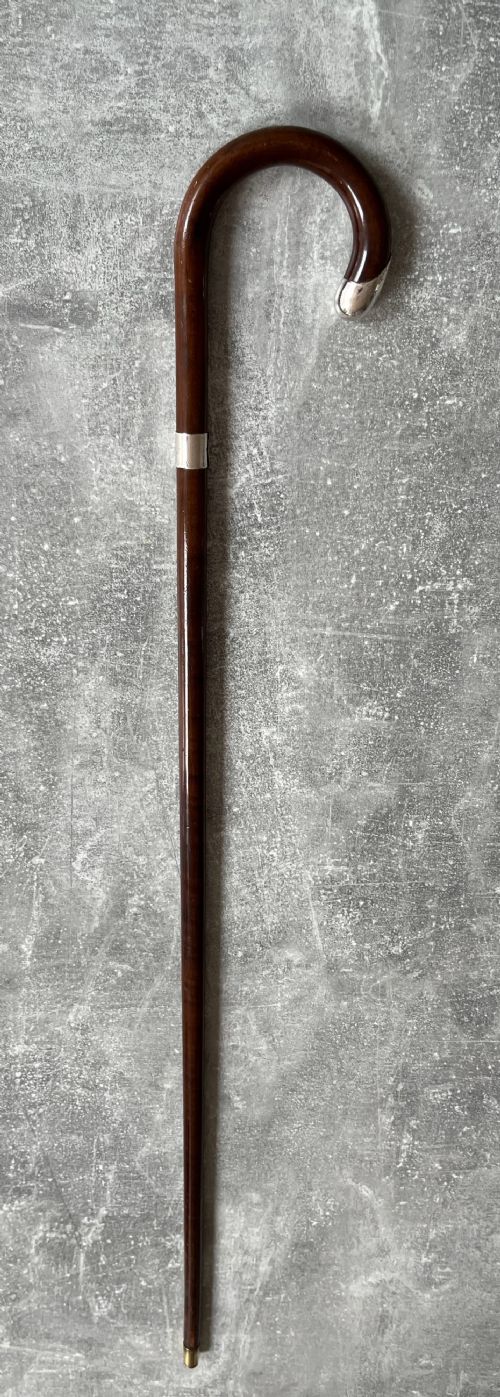
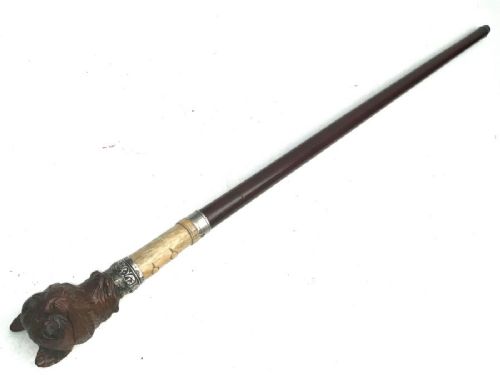
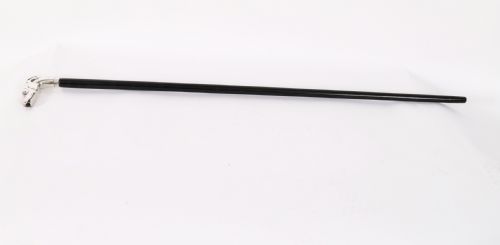
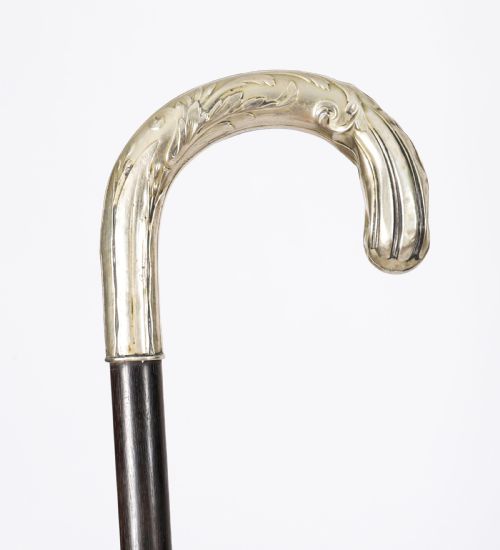
A silver handled cane serves as both a functional support and a statement of personal status across the nineteenth and early twentieth centuries. Pieces featuring animal heads, such as greyhounds, ducks, and swans, appear frequently alongside plain embossed mounts and silver collars.
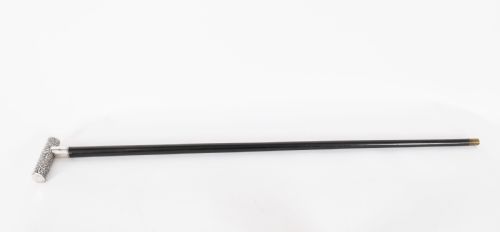
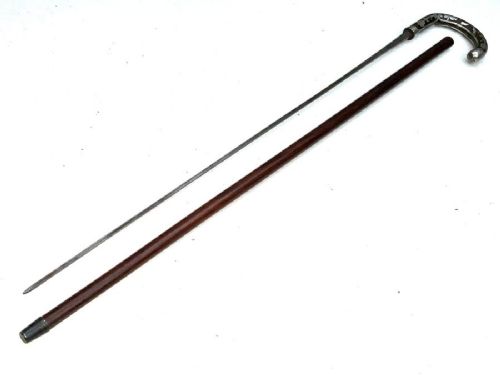
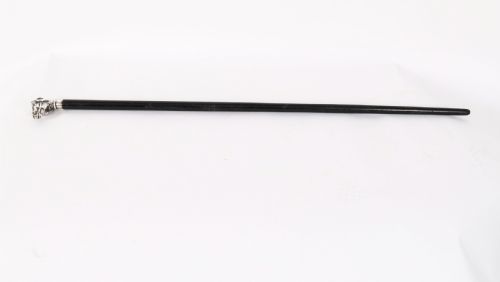
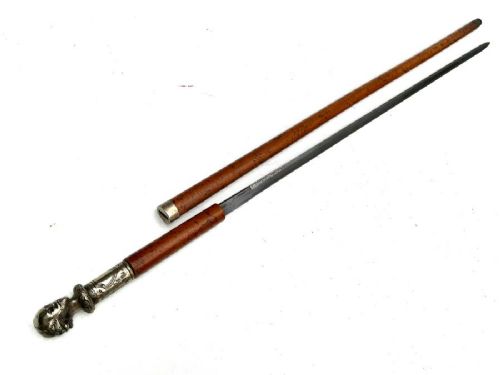
The materials paired with the silver handle vary from traditional hardwoods and bamboo to ebonised wood and palm wood. Examples range from standard gentleman's walking canes to specialised gadget sticks concealing swords or snuff boxes.
Origin points span British, French, and Continental workshops, with specific pieces reflecting styles like Art Deco, Art Nouveau, and Chinese Export. These variations show how different cultures adapted the form for daily use and formal presentation.
Distinctions in craftsmanship and design
The integrity of the connection between handle and shaft, alongside the quality of the timber grain, determines the durability of the piece. Superior examples maintain a straight shaft and a secure metal collar that shows minimal wear from handling over generations.
Several Victorian walking sticks double as covert drinking vessels or hide pocketknives, proving that historical commuters valued portable utility alongside decorative silver handles.
Brigg·Swaine Adeney Brigg·Wilkinson·Asprey·Roberts and Belk·Liberty and Co·Archibald Knox
The Silver Handled Cane Glossary
- Sterling silver
- A silver alloy containing 92.5 percent pure silver by mass and 7.5 percent other metals, usually copper. This standard appears frequently on British hallmarked mounts and handles.
- Sword stick
- A walking stick with a concealed blade fitted within the wooden shaft. These functional items often feature a release mechanism hidden in the silver collar or handle.
- Repoussé
- A metalworking technique where the silversmith hammers the metal from the reverse side to form a raised design in relief. It is commonly seen on embossed floral handles.
- Knop
- A rounded knob or ornamental handle at the top of a stick. This term describes the grip portion before it tapers into the shaft.
- Ebonised wood
- Timber treated with a dark stain or finish to resemble ebony. It provides a stark contrast against bright silver handles and collars.
Silver Handled Cane: Frequently Asked Questions
How do I date a silver handled cane?
Dating relies primarily on hallmarks stamped into the silver handle or collar, which indicate the assay office and year of manufacture. Stylistic markers such as Art Deco geometric lines or Victorian floral embossing also help narrow down the period.
Makers' marks provide further confirmation when matched against historical registry records. Examining the construction methods of the shaft alongside the silver hallmarks gives a complete chronological picture.
What are gadget canes?
Gadget canes are specialised walking sticks that conceal functional tools within the shaft or handle. Common hidden items include sword blades, corkscrews, snuff boxes, and magnifying glasses.
These pieces were designed for practicality or amusement during the nineteenth century. The mechanisms are usually operated by pressing the silver collar or twisting the handle.
How should I display a walking cane?
Canes are best displayed upright in a dedicated floor stand or mounted horizontally on wall brackets that support the weight evenly. This prevents warping of the wooden shaft over time.
Keeping the display away from direct sunlight and fluctuating radiator heat protects the timber and horn components from drying out. Periodic gentle handling helps maintain the natural oils in the wood and horn.
What woods were used for cane shafts?
Makers utilised dense, resilient timbers capable of supporting daily use and balancing the weight of a metal handle. Common woods include malacca, rosewood, palm wood, and ebonised hardwood.
Bamboo and root wood also appear frequently, selected for their natural flexibility and distinctive textural patterns. Each wood type required specific preparation to ensure straightness and durability.