



Silver Pommel Stick
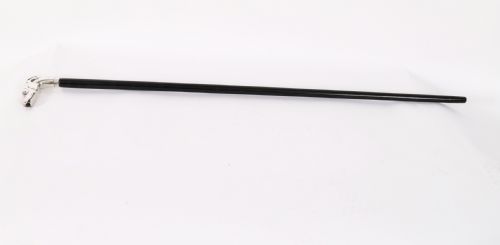
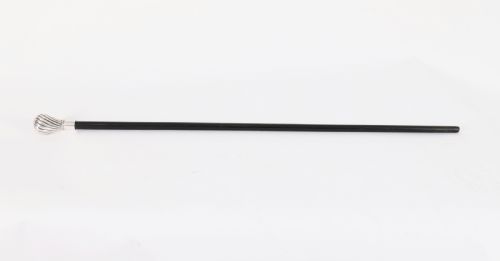
A silver pommel stick combines a sturdy wooden shaft with a decorative metal grip, offering both practical support and distinct character.
Silver Pommel Stick
A silver pommel stick is a traditional walking aid featuring a metal handle fitted to a wooden or bamboo shaft. When you search for a silver pommel stick, you encounter varied forms intended for daily support, military use, or gentlemanly display.
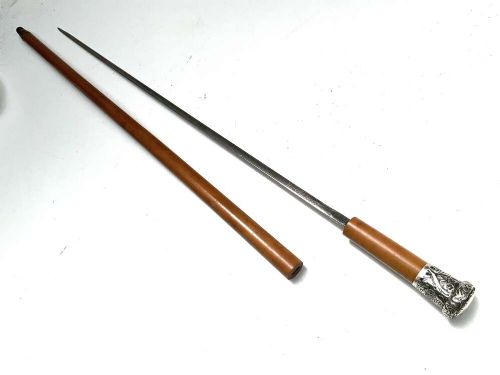
The versions most commonly found here date from the Victorian and Edwardian eras, spanning the nineteenth and early twentieth centuries. These pieces range from simple silver-topped canes to specialised sword sticks and novelty animal designs.
Makers produced these items in various styles including French, continental Neoclassical, and Chinese export. Collectors appreciate them for their craftsmanship and the tangible link they provide to historical dress accessories.
How they were made
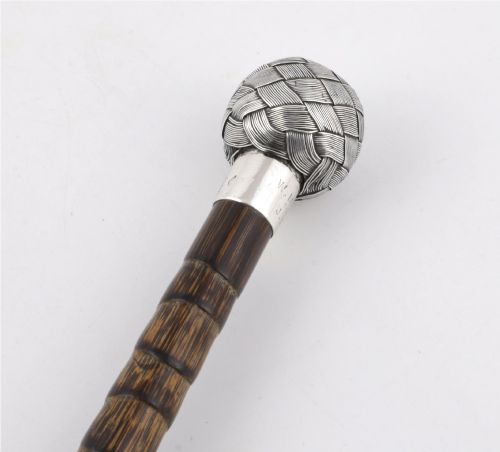
Craftsmen paired precious metal handles with shafts fashioned from timber such as ebonised wood, hardwood, snakewood, malacca, and bamboo. The silver pommel or top was typically shaped by hand, chased, or cast before being secured to the wooden body with collars and bands.
Some examples incorporated concealed steel blades to form functional sword sticks, while others integrated timepieces like watch movements directly into the pommel. Metal components also included brass and silver-plating alongside solid silver.
What varies in quality
Quality in a silver pommel stick rests upon the weight and detail of the metalwork and the selection of the shaft material. Finely chased animal heads or intricate wire knot designs represent a higher grade of artistry than plain caps.
The integrity of the connection between the pommel and the shaft dictates structural merit. Dense hardwoods and properly seasoned bamboo provide superior durability compared to softer timbers.
The Silver Pommel Stick Glossary
- Pommel
- The rounded handle or knob fitted to the top of a walking stick.
- Swagger stick
- A short, light cane traditionally carried by military officers.
- Sword stick
- A walking cane containing a concealed steel blade within the shaft.
- Ebonised wood
- Timber treated to resemble dark, dense ebony.
- Malacca
- A type of mottled rattan cane prized for flexibility and strength.
Silver Pommel Stick: Frequently Asked Questions
How do I date a walking cane?
Dating a cane relies on examining silver hallmarks, maker marks, and stylistic clues from the Victorian and Edwardian periods. Metal components often feature stamps indicating the year of assay and the city of origin.
The materials used, such as specific tropical hardwoods or bamboo varieties, also help narrow down the decade of manufacture. Comparing the construction techniques to dated examples in archives provides further accuracy.
Were all sword sticks used as weapons?
Sword sticks served primarily as gentlemanly accessories for personal defence and fashion during the Victorian era. The concealed blades offered reassurance to travellers navigating poorly lit nineteenth-century streets.
Military personnel and dandyish gentlemen carried these items as part of their daily attire. Today, they are collected as historical artefacts of a bygone era.
How should I display a cane?
Displaying a cane requires a stable stand or wall mount that supports the shaft without putting pressure on the silver pommel. Keeping the piece away from direct sunlight and extreme humidity protects both the wooden shaft and the metal finish.
Regular, gentle dusting preserves the natural patina of the wood and silver. Proper placement ensures the cane remains secure while allowing its decorative details to be admired.