
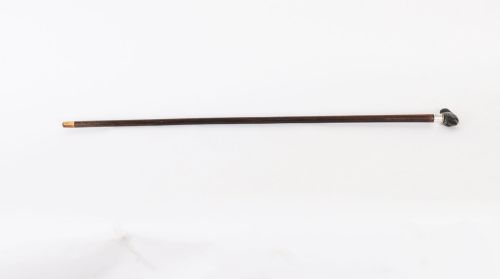

Dark Wood Cane
A dark wood cane offers practical support and hidden utility, prized for its craftsmanship and historical character.
Understanding the dark wood cane
Examples on this page predominantly originate from the Victorian era and French Belle Epoque, spanning the period from eighteen-eighty to nineteen-hundred. Buyers frequently encounter French silver-mounted designs and traditional Irish blackthorn examples alongside standard hardwood supports.
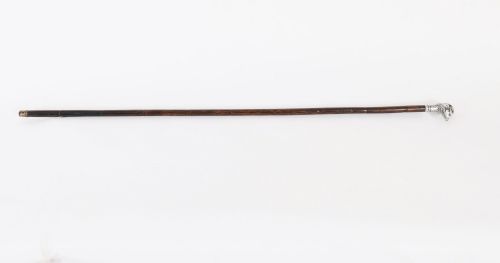
Formats vary from full-sized adult walking canes measuring over ninety centimetres to shorter child-sized walking sticks. Functional diversity includes watch-mounted sticks and multi-purpose mechanism canes designed for daily carriage or gentlemanly pursuits.
Materials and construction
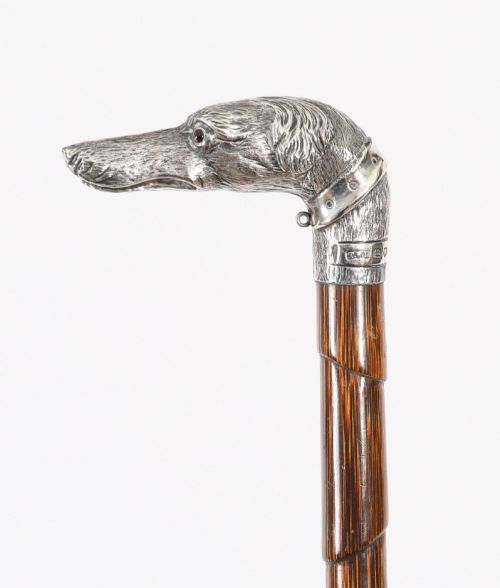
Construction relies upon robust natural materials such as hardwood, blackthorn wood, and horn, paired with metal, steel, and silver or silver plate. Artisans shaped these dense timbers into sturdy shafts capable of daily use while retaining deep natural colouration.
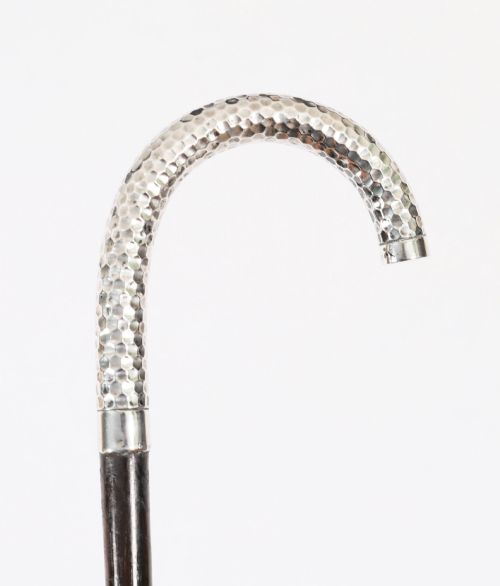
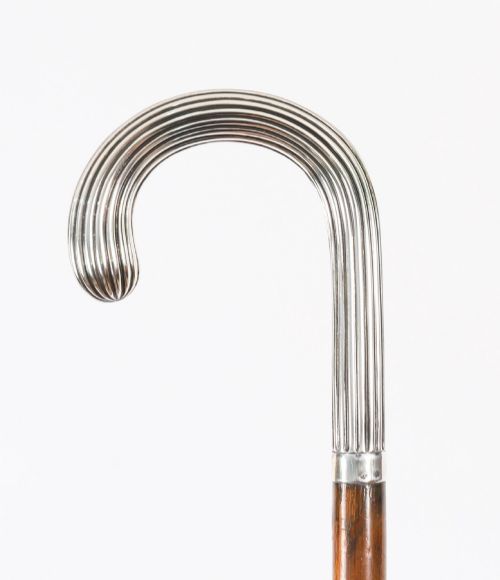
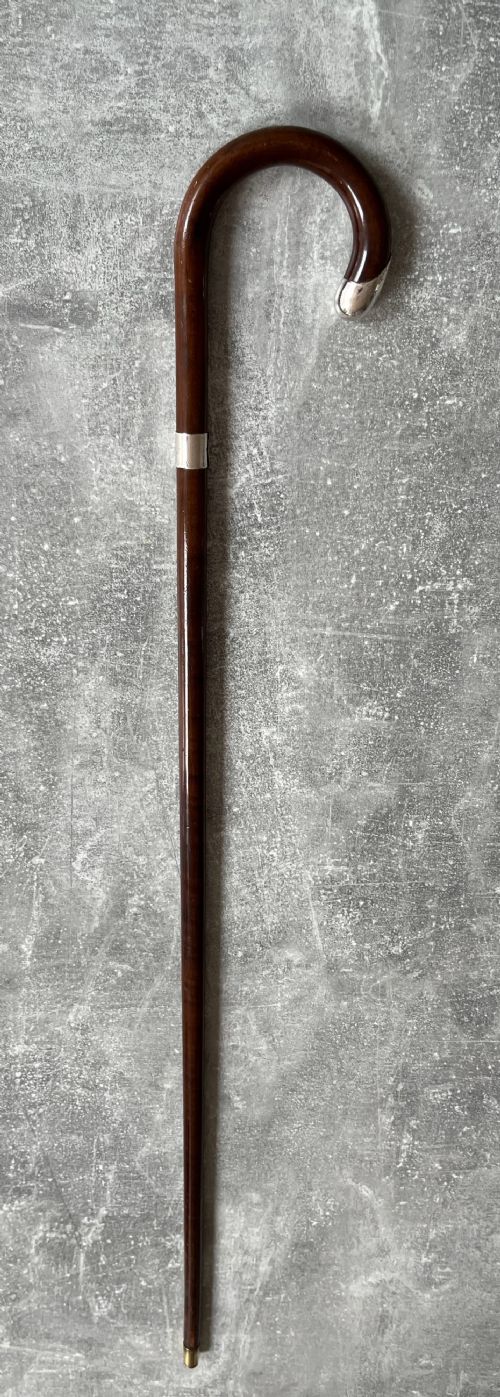
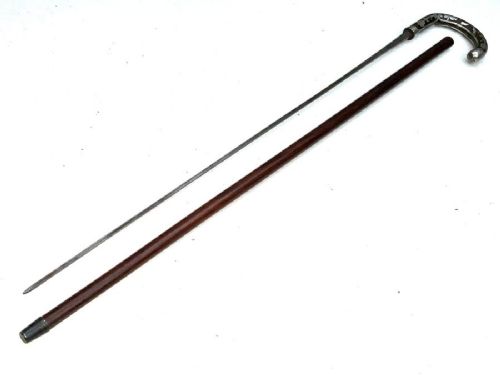
Mounts, handles, and decorative elements incorporate cast and worked silver or silver plate, often featuring intricate motifs like the four-leaf clover. Concealed mechanisms integrate functioning timepieces, snuff boxes, and steel blades securely within the wooden structures.
Retail Price Guide 2026
Typical UK retail prices for dark wood cane, calculated from the Sellingantiques database of over a million retail prices indexed since 2003. This retail price guide relies exclusively on Sellingantiques data; no external sources or auction records are used, so the figures do not describe the wider market.
Current listings feature nineteenth-century pieces incorporating silver, hardwood, blackthorn wood, and steel.
Distinctions in execution
Superior execution is evident in the precision of the silver mounts and the seamless integration of functional gadgets such as watch movements or concealed snuff boxes. Finer examples display meticulous metalwork and balanced proportions between the hardwood shaft and decorative handle.
The choice of specific natural materials, from standard hardwood to textured blackthorn or horn, dictates the character and tactile quality of the piece. Craftsmanship at the highest level ensures that hidden mechanisms operate smoothly while maintaining the structural integrity of the cane.
The Dark Wood Cane Glossary
- Hardwood
- Dense timber derived from broad-leaved trees, providing the durable structural foundation for traditional walking sticks.
- Gadget cane
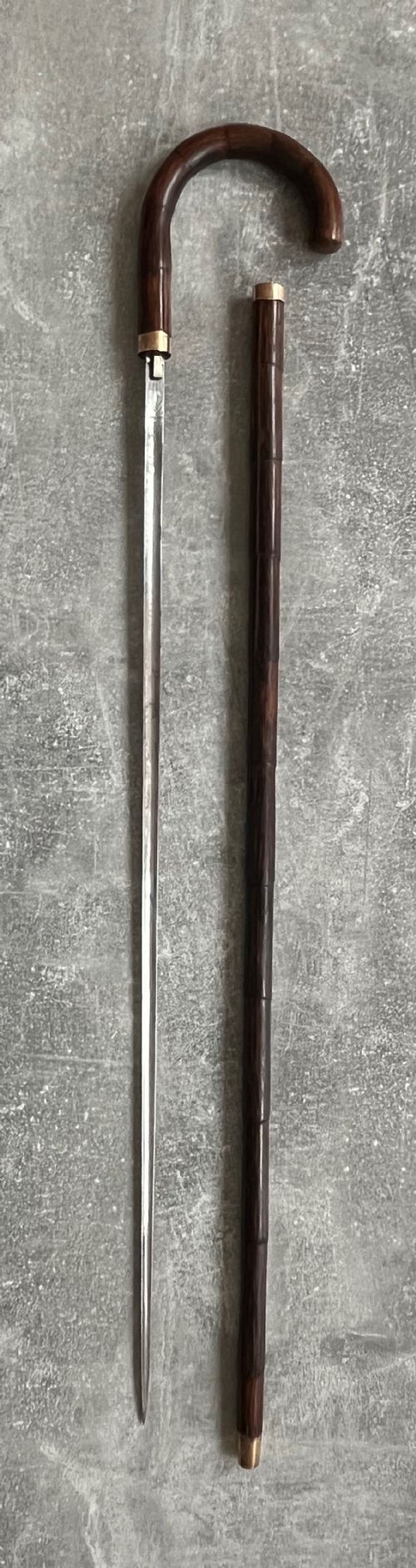
- A walking stick featuring a concealed utility such as a sword, watch, or snuff box within the shaft or handle.
- Blackthorn wood
- Natural timber harvested from the blackthorn shrub, traditionally utilised in Irish walking sticks for its rustic knots and resilience.
- Silver plate
- A thin layer of silver applied over a base metal foundation, commonly used for decorative handles and collars.
Frequently Asked Questions
What is a gadget cane?
A gadget cane is a walking stick designed with a hidden utilitarian function. These pieces conceal items such as steel blades, timepieces, or snuff boxes within the shaft.
Such designs were popular in the nineteenth century among individuals who appreciated discreet utility alongside traditional walking support.
How old are these walking sticks?
The pieces available date from the nineteenth century, specifically spanning the period between eighteen-eighty and nineteen-hundred. This era encompasses Victorian and French Belle Epoque production.
Stylistic details and metal hallmarks help historians and collectors narrow down the exact decade of manufacture.
What materials were used?
Construction utilises natural timbers such as hardwood and blackthorn wood, frequently accented with horn, metal, and steel. Handles and mounts commonly feature solid silver or silver-plated elements.
These durable materials ensured the canes could withstand regular daily carriage while displaying decorative refinement.
Are sword sticks legal to own?
Sword sticks incorporate a concealed steel blade within the wooden shaft of the walking cane. Regulations regarding ownership vary by region and jurisdiction.
Collectors must verify local legal requirements concerning the possession of edged weapons integrated into historical artefacts.