



Silver Crook Cane
A silver crook cane offers a distinguished silhouette and reliable support, crafted from rich hardwoods with gleaming mounts.
Silver Crook Cane
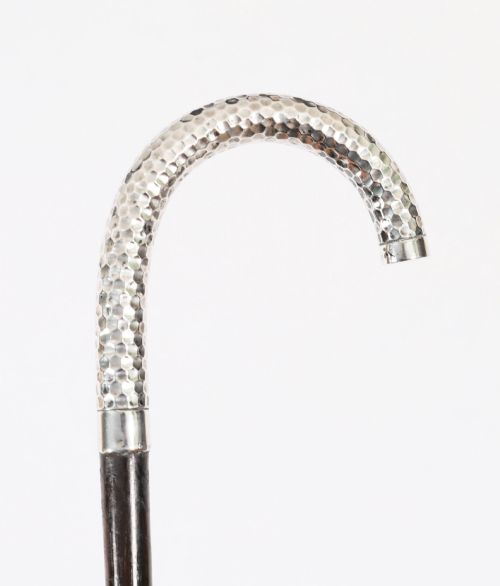
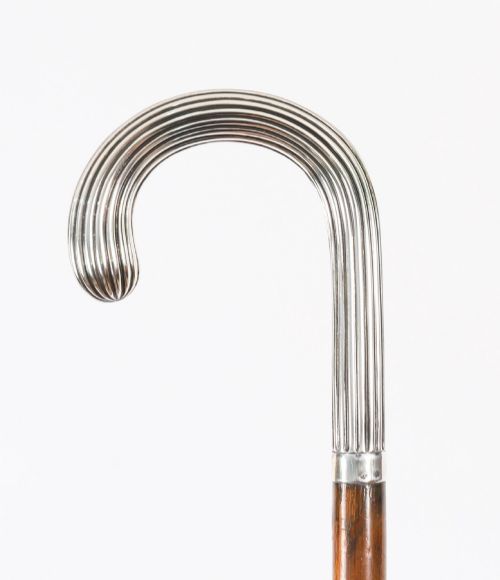
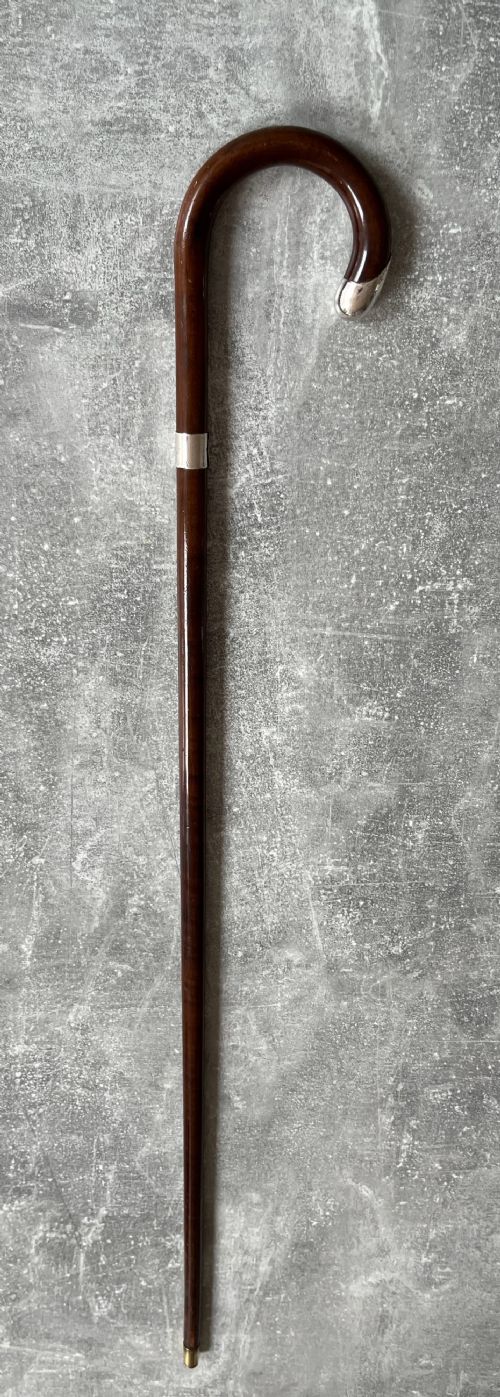
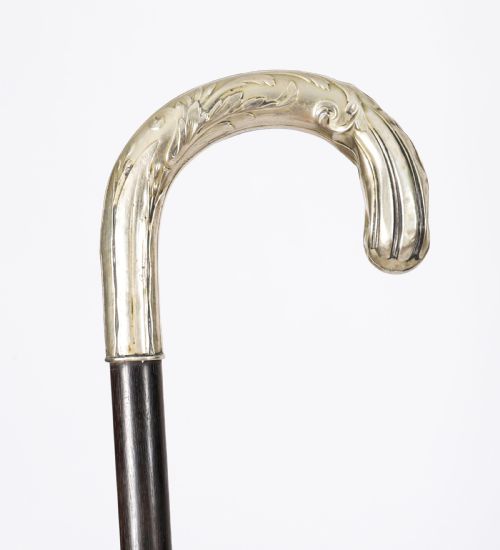
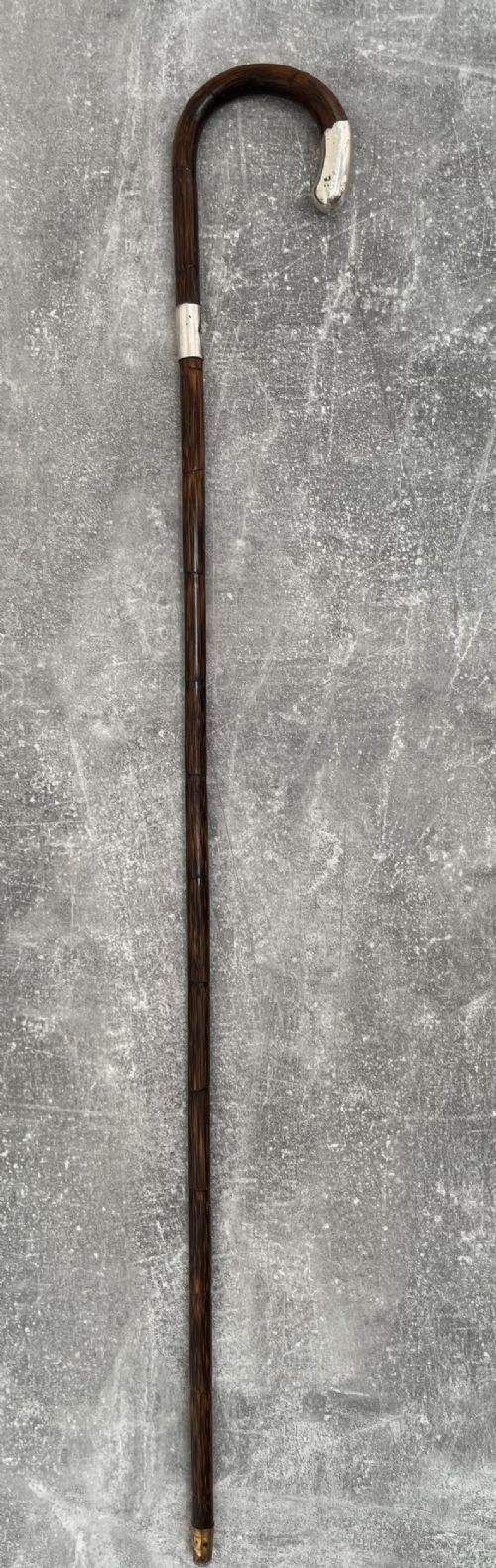
A silver crook cane is a traditional walking aid featuring a curved handle designed for hooking over the arm, combined with a sturdy wooden shaft. The silver crook cane selection spans the 19th Century, the Edwardian era, and periods around 1900, 1910, and 1930.
Most examples you meet on this page are walking sticks and canes constructed from hardwoods like ebony, malacca, and thorn wood, finished with silver or silver-plated mounts. Styles vary from Victorian and Edwardian pieces to French Belle Epoque, Art Nouveau, Chinese Export, and Arts & Crafts designs.
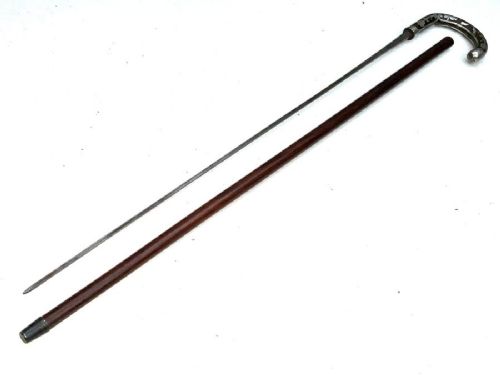
Beyond standard walking canes, certain pieces incorporate concealed blades, functioning as sword sticks with silver collars or mounts. Origins range from British makers to French and Continental workshops, as well as Chinese Export pieces.
Materials and construction
Makers fashioned shafts from dense timbers including hardwood, ebonized oak, thorn wood, and malacca, providing durability and weight. Handles incorporate natural horn or solid silver, sometimes enhanced with brass, steel, and silver-plate.
Silversmiths decorated the handles and collars through embossing and mounting techniques, securing them firmly to the wooden shafts.
Styles span Victorian, Edwardian, Art Nouveau, and Chinese Export designs from the 19th Century onward.
Judging quality and craftsmanship
Quality rests in the weight and balance of the hardwood shaft, alongside the depth and crispness of the silver embossing on the handle or collar. Superior pieces feature substantial silver work and dense timbers such as ebony or malacca rather than lighter stained woods.
The integration of the handle to the shaft dictates the durability and finish, distinguishing standard walking sticks from finer gentleman's accessories.
BRIGG·Wang Hing & Company·Jonathan Howell
The Silver Crook Cane Glossary
- Crook handle
- A curved handle shaped like a shepherd's crook, allowing the cane to hang conveniently over the arm. This traditional shape provides a secure and comfortable grip for daily use.
- Malacca
- A sturdy rattan cane imported from Southeast Asia, prized for its mottled brown finish and strength. It forms a resilient and highly sought-after shaft for walking sticks.
- Silver plate
- A thin layer of silver fused to a base metal, creating the appearance of solid silver. This technique appeared on various canes and children's walking sticks.
- Sword stick
- A walking cane containing a concealed steel blade within the shaft. These pieces usually feature a secure locking mechanism at the silver collar.
Silver Crook Cane: Frequently Asked Questions
What is a silver crook cane?
A silver crook cane is a traditional walking stick featuring a curved metal handle and a wooden shaft.
These pieces combine practical support with decorative silver mounts, often dating from the 19th Century and Edwardian periods.
How do I date a walking cane?
Dating relies on stylistic clues, materials, and any hallmarks present on the silver mounts.
Comparing the design against Victorian, Edwardian, or Art Nouveau periods helps narrow down the era of manufacture.
Were all crook canes used for walking?
While most served as daily walking aids, some concealed functional blades within their wooden shafts.
These sword sticks were carried by gentlemen for personal protection during the 19th Century and early 20th Century.
What woods are used for shafts?
Shafts were typically turned from dense hardwoods such as ebony, malacca, thorn wood, and ebonized oak.
These timbers offered the necessary strength and straightness required for reliable daily support.