


Ebony Walking Cane
An ebony walking cane is a dense, dark accessory combining practical support with distinct craftsmanship, treasured by collectors for its striking material contrast.
What these pieces are
An ebony walking cane is a traditional support stick featuring a heavy dark wood shaft, frequently encountered from the nineteenth century alongside later examples from nineteen-ten. These pieces include simple gentleman's walking sticks, military interest items from colonial India, and Chinese export pieces.
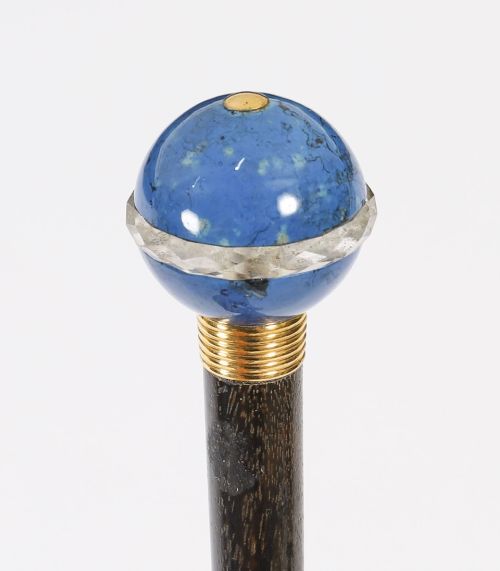
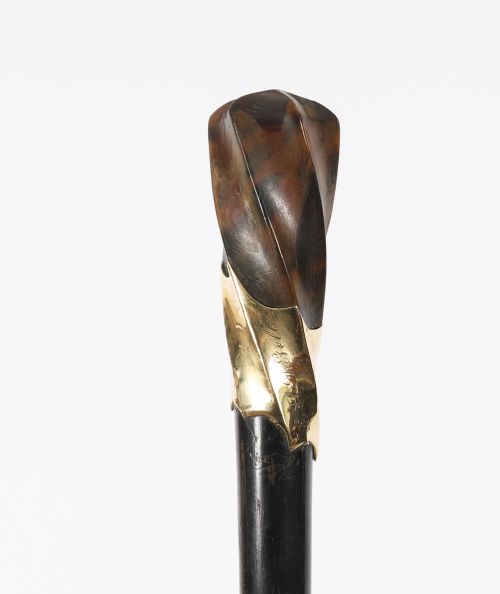
Makers utilised dark ebony alongside contrasting mounts of silver, silver collars, bronze heads, carved horn, and gold. Surviving examples incorporate functional elements including sword stick blades, snuff box handles, and carved tribal figures.
The material record spans Victorian, Neoclassical, Chinese Export, and Anglo-Indian styles, reflecting both domestic gentleman's accessories and global trade items.
How they were made
Makers fashioned shafts from dense ebony wood, pairing the dark timber with precious metals including silver collars and gold handles. Selected pieces feature intricate carved wood or carved horn depicting figures and motifs such as a four leaf clover.
Metalwork components involved engine turned gold, cast bronze heads, and fitted metal blades for sword sticks. Artisans integrated functional compartments like snuff box handles directly into the handle architecture.
Retail Price Guide 2026
Typical UK retail prices for ebony walking cane, calculated from the Sellingantiques database of over a million retail prices indexed since 2003. This retail price guide relies exclusively on Sellingantiques data; no external sources or auction records are used, so the figures do not describe the wider market.
Certain canes double as secret spice containers for nineteenth-century banquets.
What varies in quality
Quality rests in the precision of the handle attachment and the integrity of the ebony shaft. Superior examples display crisp chasing on silver pommels and finely detailed carved horn or wood work rather than plain finish.
The presence of integrated functional elements, such as working snuff boxes or concealed sword blades, elevates the ambition of the piece. Maker attribution and documented colonial or military provenance further distinguish finer items.
Wang Hing And Company·Henry Borlase Stevens·Brigg
The Ebony Walking Cane Glossary
- Ebony
- A dense, heavy dark hardwood prized for walking cane shafts due to its substantial weight and deep colour. It takes a fine polish and provides robust structural support.
- Collar
- A metal band encircling the cane shaft immediately below the handle, frequently inscribed with maker marks or owner initials. It reinforces the joint between handle and shaft.
- Sword stick
- A specialised cane containing a concealed metal blade within the hollowed wooden shaft. It combines personal defence with standard walking support.
- Snuff box handle
- A hollowed cane pommel fitted with a hinged lid designed to hold dry tobacco powder. This integrated compartment represents a multifunctional accessory.
Frequently Asked Questions
How do I date an ebony walking cane?
Dating relies on style markers, hallmarks on silver mounts, and construction methods. Victorian pieces often exhibit ornate metalwork, while twentieth-century examples show distinct manufacturing shifts.
Material combinations like carved horn tiger motifs or specific colonial provenances also help narrow down the period of origin.
Are sword sticks legal to own?
Regulations regarding concealed blades vary by jurisdiction, so buyers must verify local laws concerning historical sword sticks. These pieces function primarily as historical gentleman's accessories.
Many examples reflect military interest or colonial service rather than modern utility.
What is a gadget walking cane?
A gadget cane incorporates a hidden practical function within the handle or shaft, such as a snuff box or a concealed blade. Makers designed these for convenience or discreet defence.
Collectors prize these multifunctional items for their mechanical ingenuity.
How should I care for ebony wood?
Ebony requires stable indoor humidity to prevent the dense wood from splitting or drying out over time. Gentle dusting and occasional treatment with suitable wood conservation products maintain the finish.
Avoid exposing silver mounts to harsh cleaning agents that damage delicate chasing.