
Edwardian Walking Stick
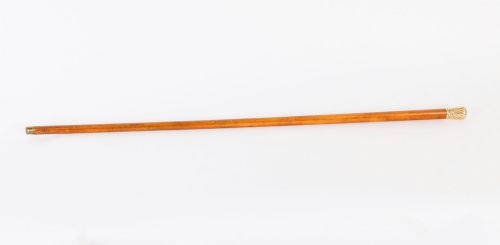
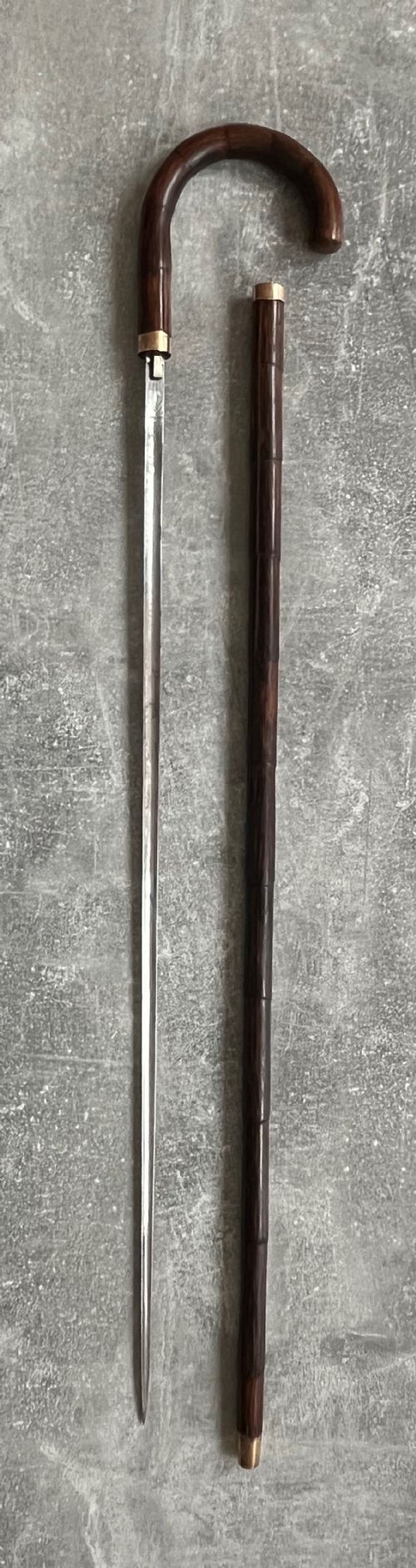
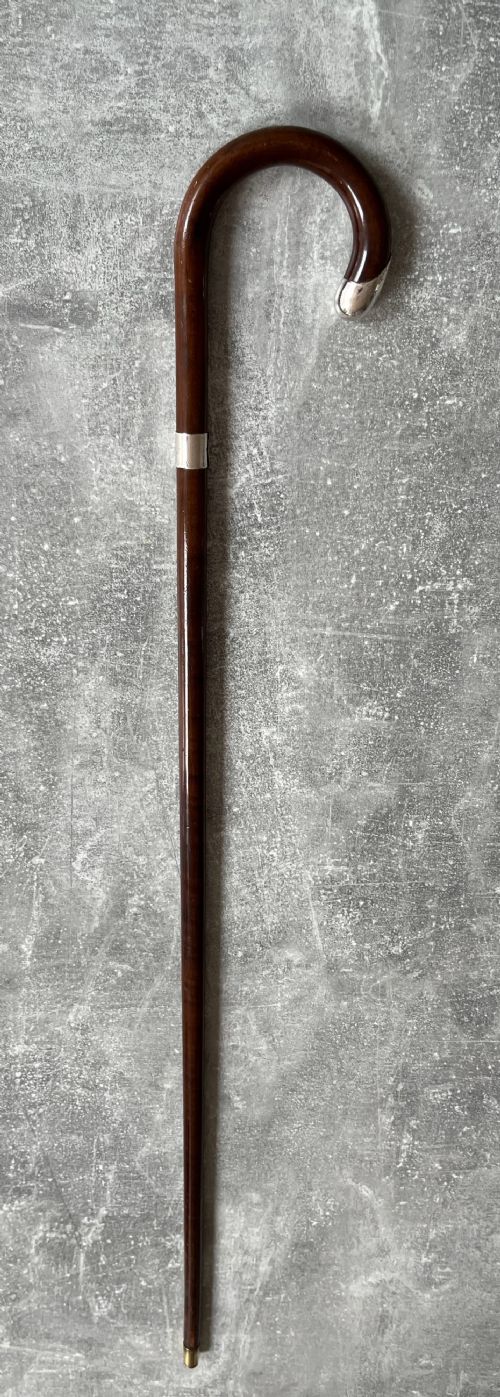
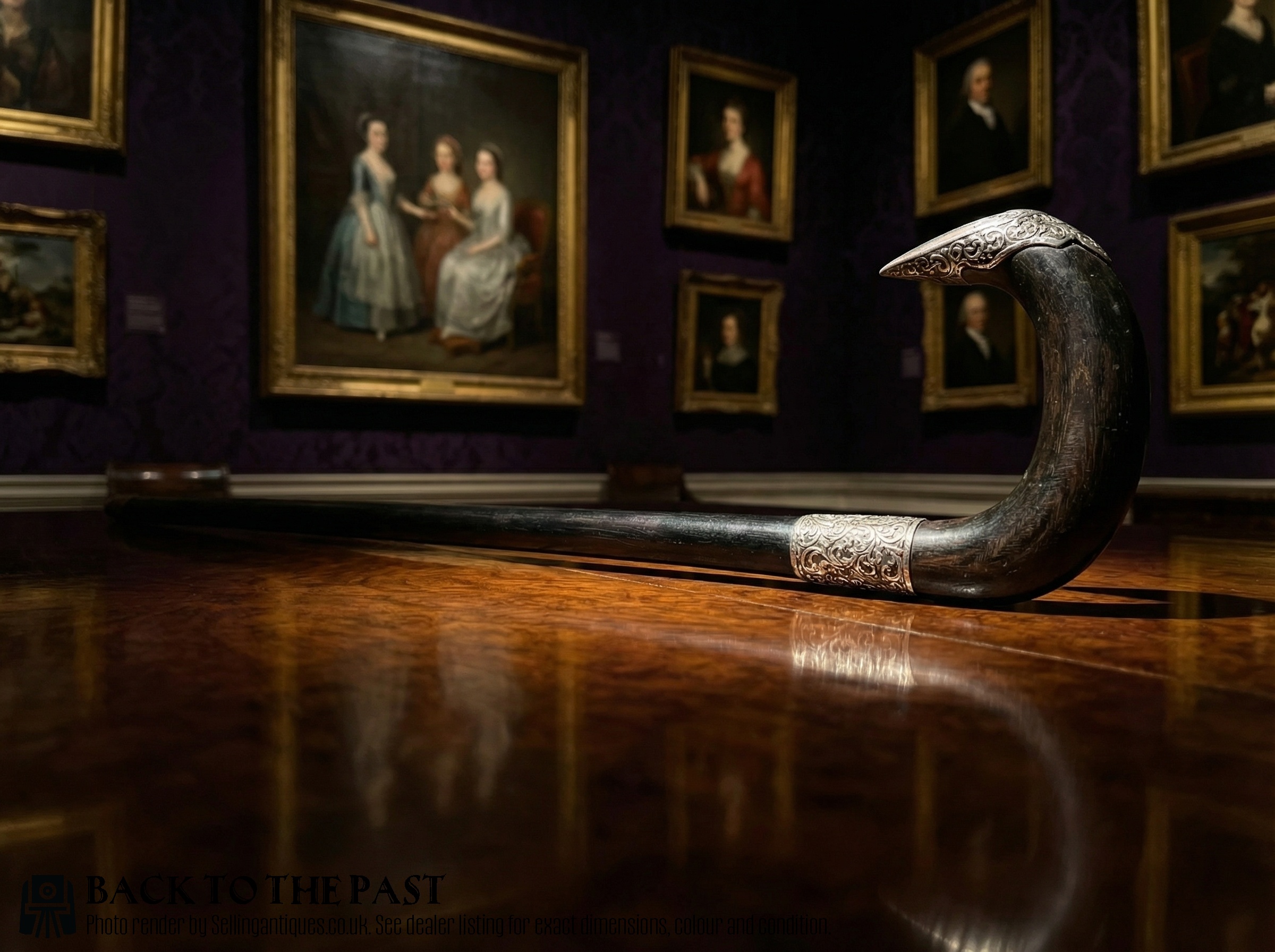
These edwardian walking stick examples combine practical daily support with gentlemanly display, prized for their fine mounts and clever hidden blades.
What these pieces are
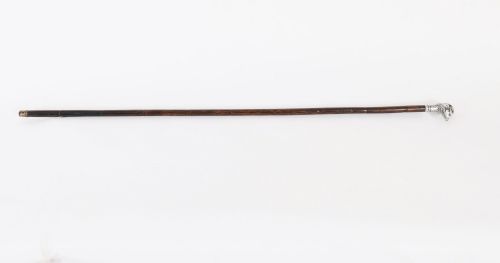
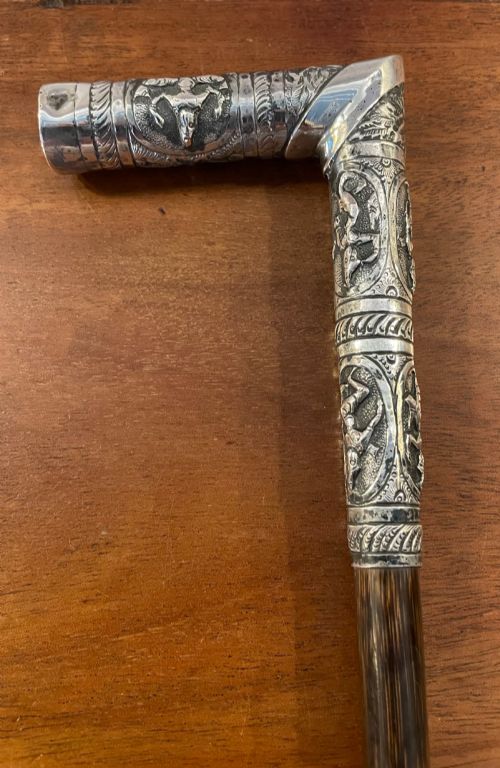
An edwardian walking stick serves as both a daily support and a gentleman's accessory, taking forms from simple timber canes to sophisticated sword sticks and gadget pieces. The selection on this page centres on items from the early twentieth century, spanning the Edwardian period and years around nineteen hundred and ten.
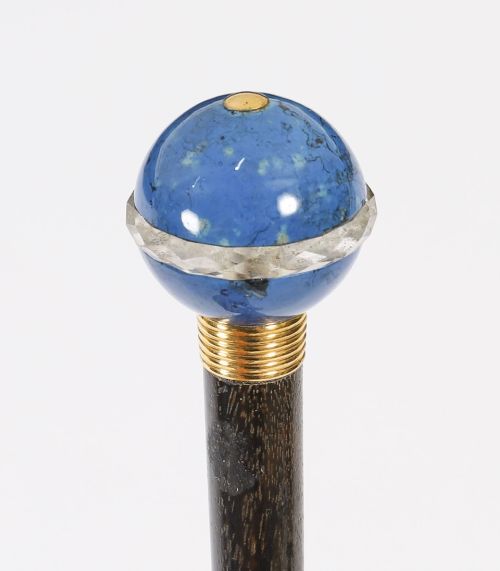
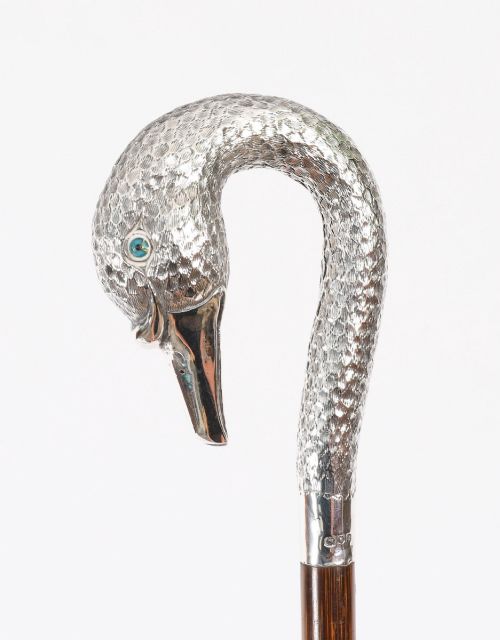
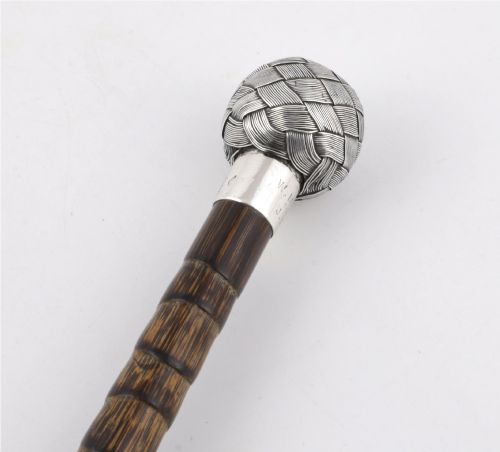
Meticulously fashioned wooden shafts support detailed pommels, collars, and mounts in silver, brass, or ormolu. Collectors find standard walking sticks alongside specialised designs featuring horn, bamboo, malacca, ebony, and ebonised wood.
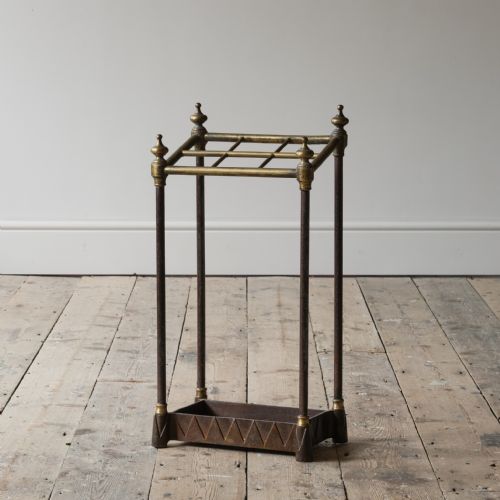
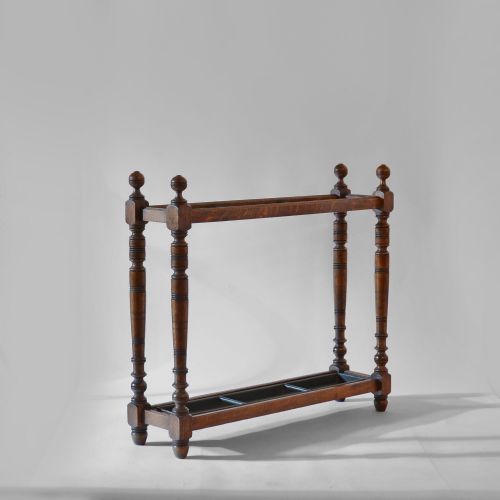
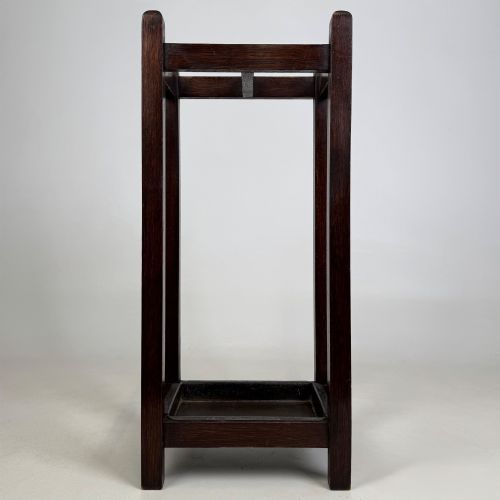
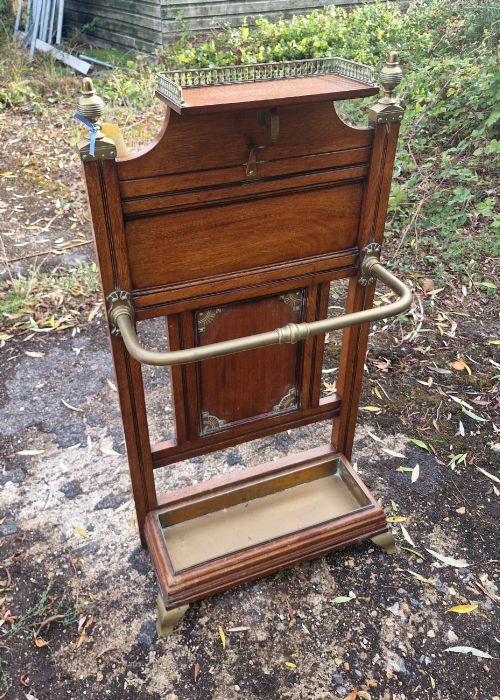
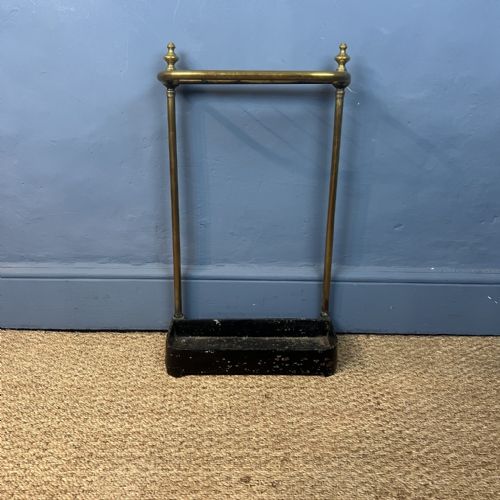
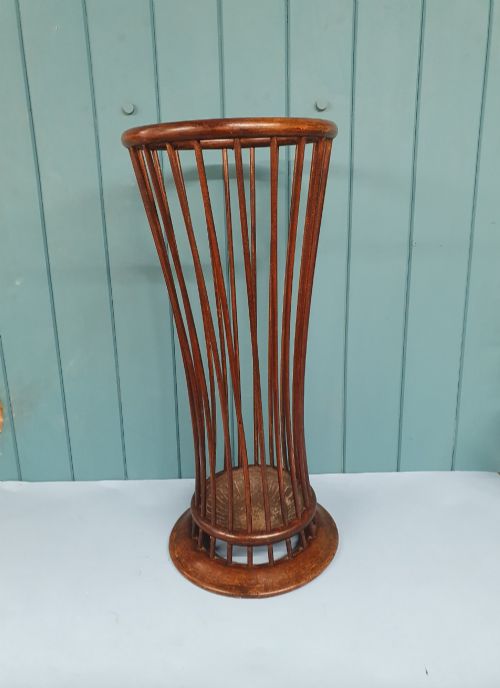
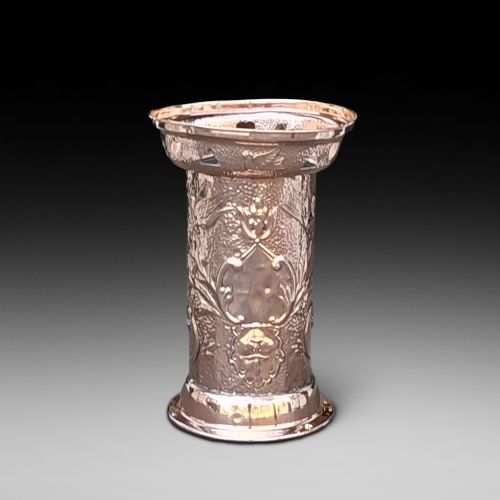
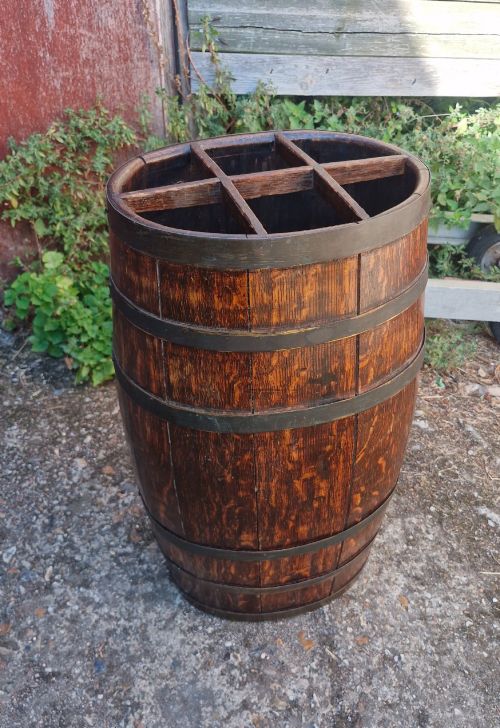
The objects mirror the formal dress codes of their era, serving well as walking companions or as part of a traditional hallway display alongside umbrella stands.
How they were made
Craftsmen built these walking sticks using dense hardwoods such as ebony, coromandel, mahogany, and malacca, often pairing them with supple bamboo. Shafts were carefully straightened, seasoned, and fitted with metal tips or ferrules for outdoor use.
Metalwork involved working sterling silver, silver plate, brass, and ormolu into collars, pommels, and mounts, frequently bearing hallmarks or dates. Handle sections also utilised carved horn, bone, and specialised wooden grips like stocking leg forms.
Retail Price Guide 2026
Typical UK retail prices for edwardian walking stick, calculated from the Sellingantiques database of over a million retail prices indexed since 2003. This retail price guide relies exclusively on Sellingantiques data; no external sources or auction records are used, so the figures do not describe the wider market.
Some Edwardian walkers strolled with confidence while secretly leaning on a carved horn tiger.
What varies in quality
Quality rests upon the choice of timber and the execution of any hidden mechanism, such as the blade fitting snugly inside a sword stick. Heavier gauge silver mounts and intricate horn carvings elevate a piece far above standard utilitarian examples.
The integrity of the construction, from the secure attachment of the pommel to the straightness of the shaft, marks the difference between basic workshop production and superior gentleman's goods.
The Edwardian Walking Stick Glossary
- Ferrule
- The metal cap fitted to the bottom of a walking stick shaft to protect the wood from wear during use.
- Pommel
- The knob or handle at the top of a cane, designed to be held in the hand and often cast in silver or carved from horn.
- Sword stick
- A concealed blade housed securely within the wooden shaft of a walking stick, released via a catch or screw mechanism.
- Malacca
- A sturdy, mottled rattan cane imported from Southeast Asia and prized for its resilience and distinctive appearance.
- Ebonised wood
- Timber treated to imitate genuine ebony, offering a deep black finish commonly seen on period walking sticks.
Frequently Asked Questions
How do I date an Edwardian walking stick?
Dating relies heavily on hallmarks stamped onto silver mounts or collars, which often record the assay office and year of production. Stylistic details and materials like bamboo, malacca, and carved horn further point toward the early twentieth century.
Comparing construction methods with dated examples in archives helps confirm whether a stick belongs to the Edwardian period or the surrounding decade.
What woods were used for these canes?
Maker workshops utilised a variety of dense timbers, including ebony, coromandel, mahogany, and malacca, alongside flexible bamboo and ebonised wood. These materials provided the necessary strength and weight for daily walking support.
Exotic woods were often selected for their grain pattern and ability to take a high polish beneath metal mounts.
Were all Edwardian walking sticks fitted with swords?
Only a specific subset of walking sticks, known as sword sticks or gadget canes, contained concealed blades or hidden compartments. The majority served as traditional gentleman's walking canes without internal mechanisms.
Specialised pieces with blades were engineered to look like ordinary walking sticks while offering concealed utility.
How should I display a walking stick collection?
Period pieces are traditionally housed in hall stands made of oak or brass designed specifically for walking sticks and umbrellas. Upright storage prevents warping and keeps the shafts straight over time.
Displaying them vertically allows the mounted pommels and varied timber grains to be easily appreciated.