


Silver Collar Walking Stick
A silver collar walking stick combines practical support with ornamental metalwork, offering collectors a refined accessory from the Victorian and Edwardian eras.
What these pieces are
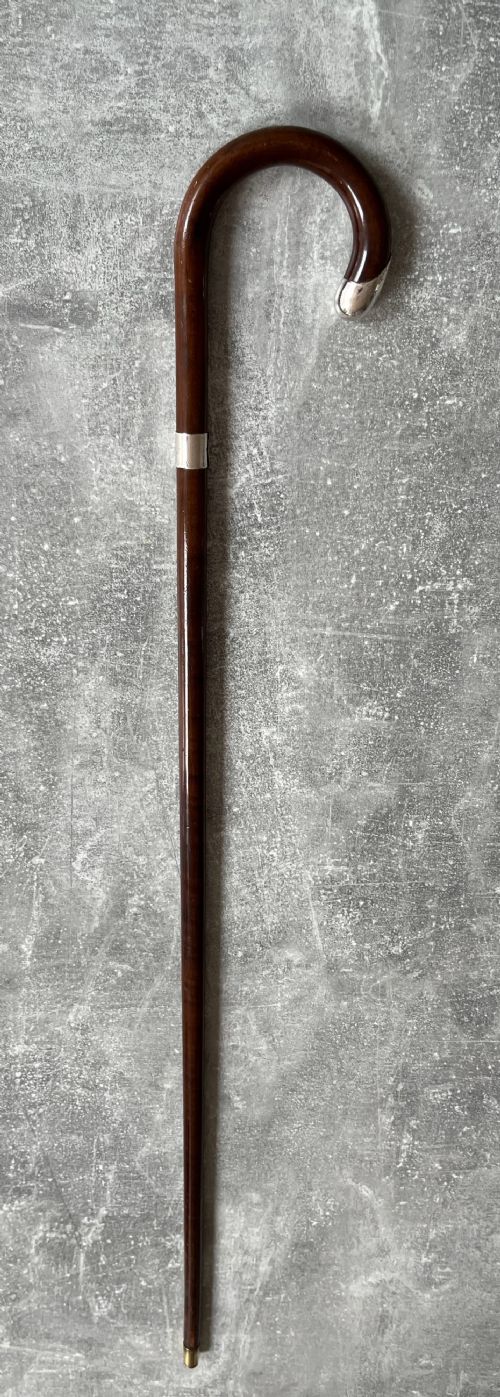
A silver collar walking stick is a gentleman's accessory featuring a metal band securing the handle to the shaft. These items originate from the 19th Century, 1900, 1910, and the Victorian period.
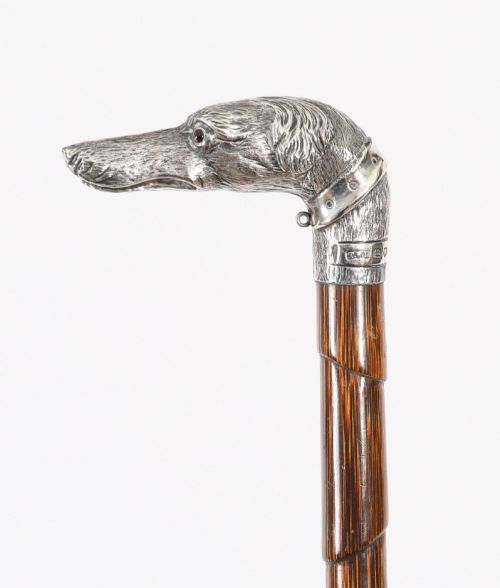
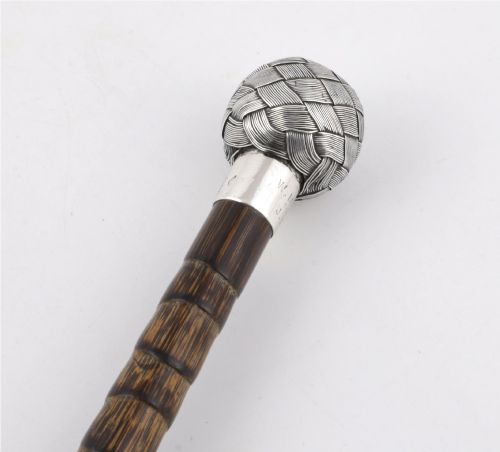
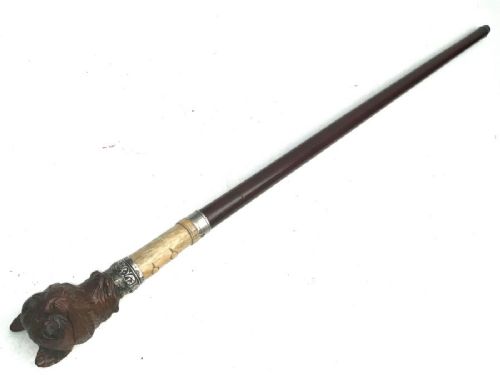
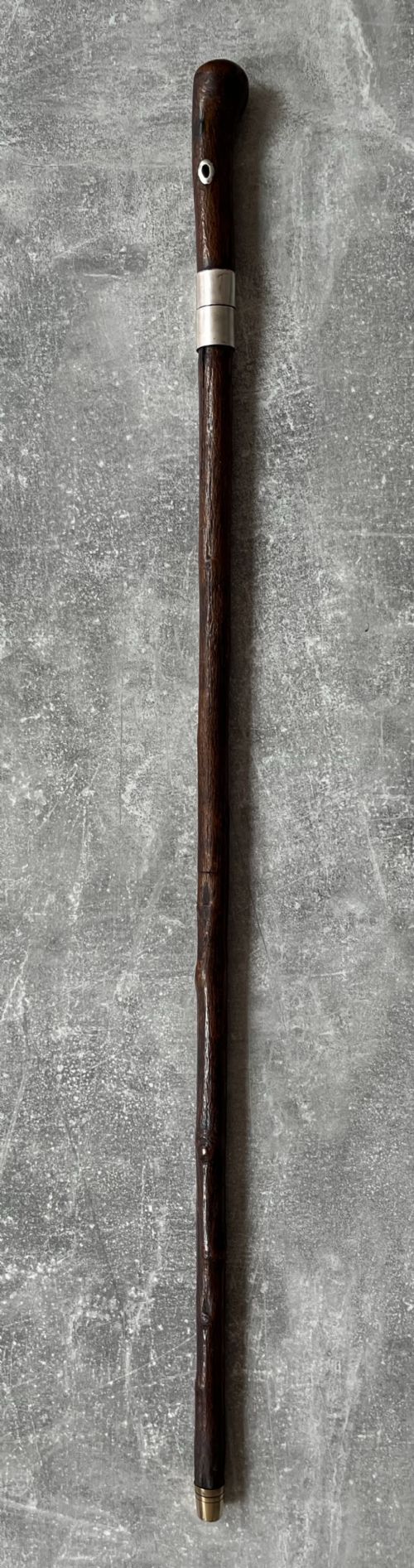
The shafts on this page appear in various materials including wood, bamboo, malacca, palm wood, and malacca cane. Handles take multiple forms such as greyhound heads, wire knots, bone knops, stag horn, and plain horn.
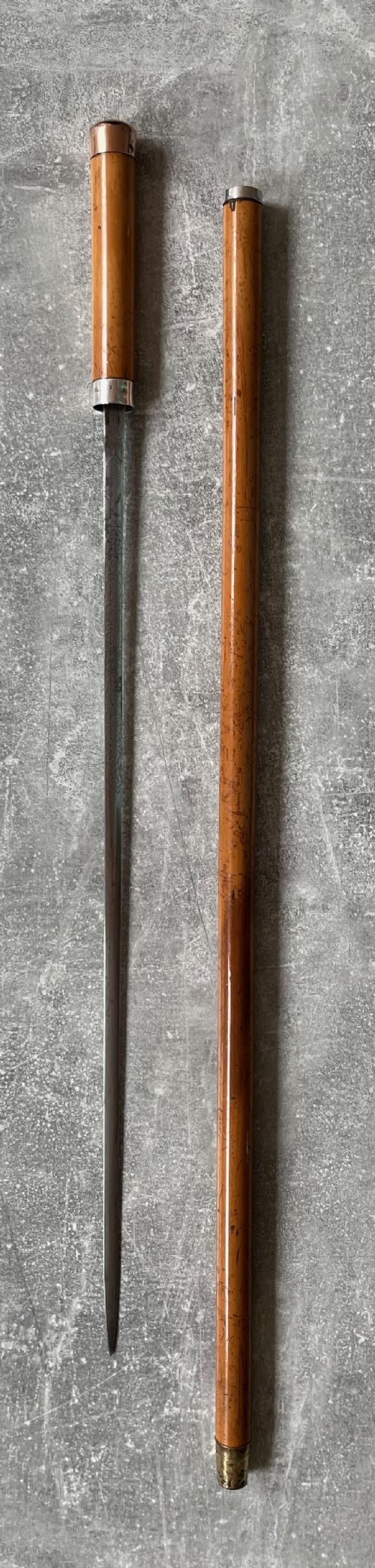
Some examples function additionally as concealed blade weapons, appearing as sword sticks or daggers housed within the timber shaft. Engraved initials and hallmarks often decorate the silver collar itself.
How they were made
Maker construction relies on joining a timber or cane shaft to a distinct handle using a metal collar for structural transition. Metals utilised include silver, gold, brass, and steel alongside natural woods and bamboo.
Bladed variants incorporate specialised steel blades, such as Wilkinson examples, fitted precisely inside hollowed cane sections. Collars receive decorative treatment through engraving, hallmarks, and wire work.
Retail Price Guide 2026
Typical UK retail prices for silver collar walking stick, calculated from the Sellingantiques database of over a million retail prices indexed since 2003. This retail price guide relies exclusively on Sellingantiques data; no external sources or auction records are used, so the figures do not describe the wider market.
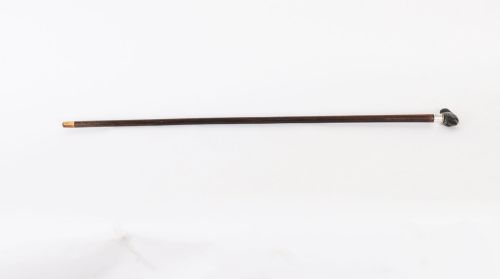
A gentleman could steady his stroll with a black dog carved into the handle.
What varies in quality
Quality separates standard wooden supports from specialised pieces featuring animal head carvings, engraved inscriptions, or integrated sword blades. The choice of shaft material, from common timber to fine malacca or bamboo, influences the character of the piece.
The presence of Birmingham hallmarks or precious metal mounts distinguishes standard utility items from higher-status gentleman's accessories. Fine craftsmanship shows in the secure fit of the silver collar and the detailed shaping of horn or bone handles.
Wilkinson Blade
The Silver Collar Walking Stick Glossary
- Collar
- A metal band encircling the top of the walking stick shaft. It typically secures the handle and frequently bears engravings or hallmarks.
- Malacca
- A sturdy stem from the rattan palm used to form resilient walking stick shafts. It is known for its mottled brown finish and jointed nodes.
- Knop
- A rounded knob or ornamental handle fitted to the top of a cane. Common materials include bone, horn, and silver.
- Sword stick
- A walking stick containing a concealed blade within the shaft. It operates as a dual-purpose gentleman's accessory.
- Hallmark
- An official stamp applied to precious metals indicating standard purity and origin. Birmingham is a recorded location for these marks on these items.
Frequently Asked Questions
What is a silver collar walking stick?
A silver collar walking stick is a traditional gentleman's accessory featuring a decorative metal band just below the handle. The band reinforces the join between the upper grip and the wooden or cane shaft.
These pieces date primarily from the Victorian and Edwardian eras. They reflect the formal dress codes and functional requirements of the nineteenth and early twentieth centuries.
How were sword sticks used?
Sword sticks served as walking supports that doubled as personal defence items. A concealed steel blade remained hidden safely inside the hollow wooden shaft until needed.
Owners typically released the blade using a friction fit or screw mechanism built into the collar. Gentlemen carried them routinely for protection during urban and rural travel.
What materials make up the shafts?
Shafts utilise various natural timbers and plant stems chosen for strength and flexibility. Common materials include bamboo, malacca cane, palm wood, and standard wood.
Some shafts incorporate steel or brass components alongside the primary timber. Each material imparts a distinct weight, texture, and colour to the finished piece.
How do you date these walking sticks?
Dating relies on stylistic clues, handle designs, and official metal hallmarks stamped onto the silver collars. Victorian and Edwardian examples often feature specific horn shapes, wire work, or engraved initials.
Assay office marks and date letters provide precise years of manufacture where present. Comparing shaft materials and blade types also helps place an item within its historical period.