
Vintage Dress Cane
A vintage dress cane is a sophisticated accessory of fashion and status, crafted from fine woods and metals to elevate any formal appearance.
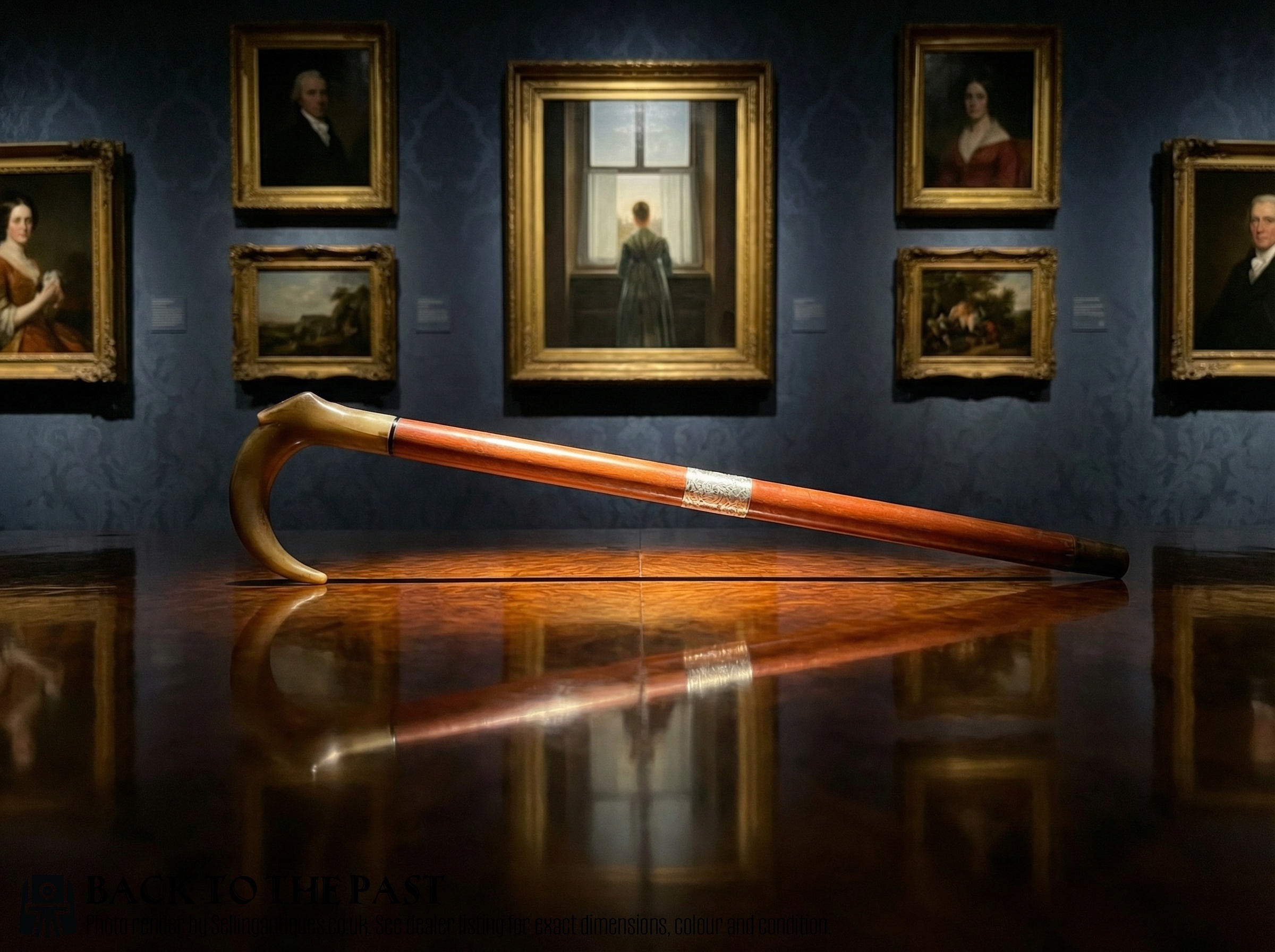
What vintage dress canes are
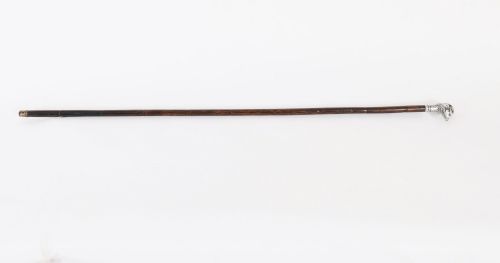
A vintage dress cane serves as a refined accessory rather than a simple medical aid, historically carried for fashion and social standing. These pieces represent a blend of personal adornment and utility, frequently finished with elaborate handles.
The items found here span the Victorian, Edwardian, and Art Deco periods, alongside 19th Century French, Spanish Renaissance Revival, and Asian Export traditions. Forms range from standard walking sticks to those concealing blades, known as sword sticks.
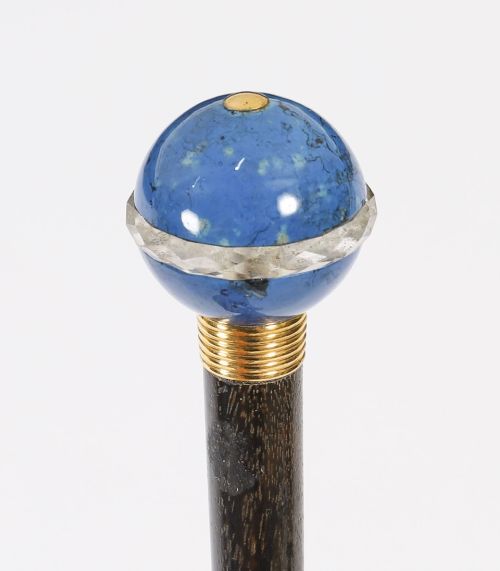
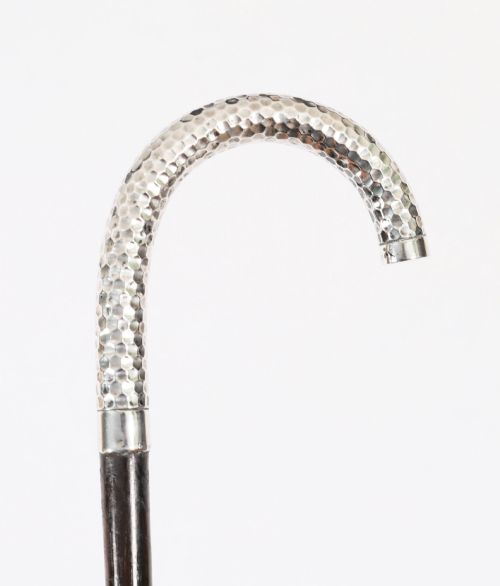
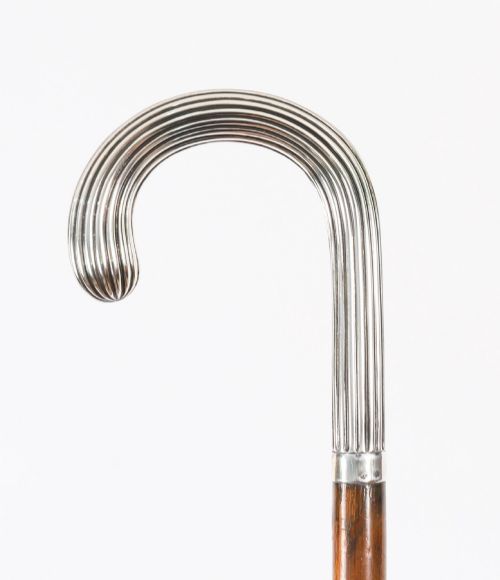
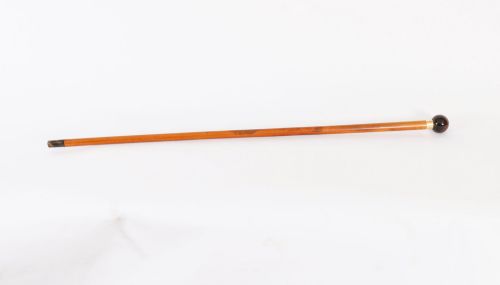
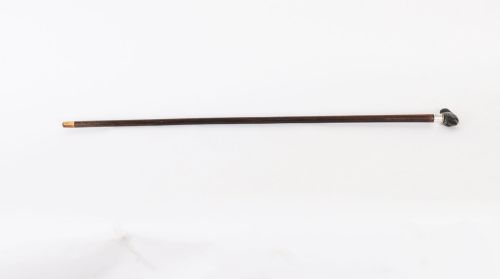
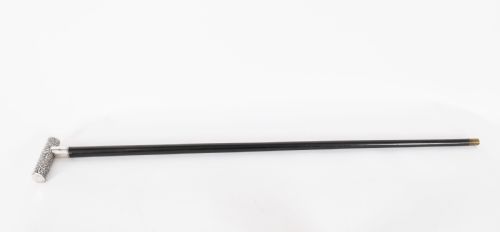
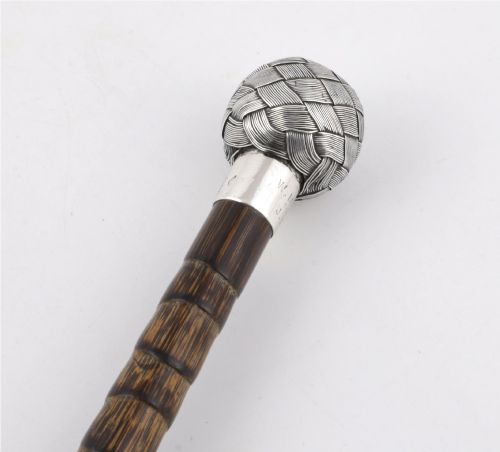
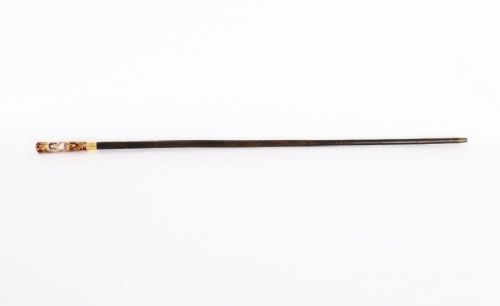
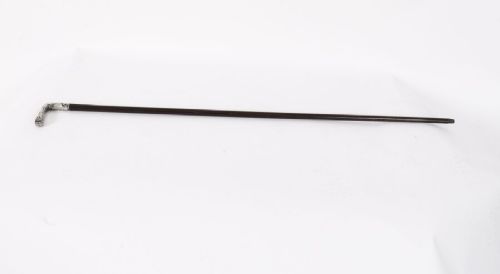
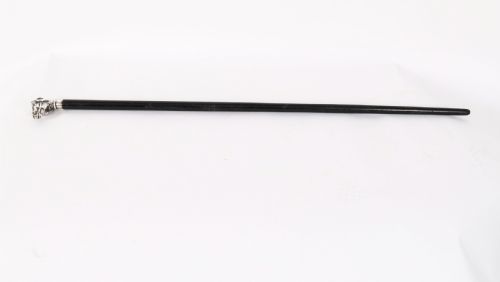
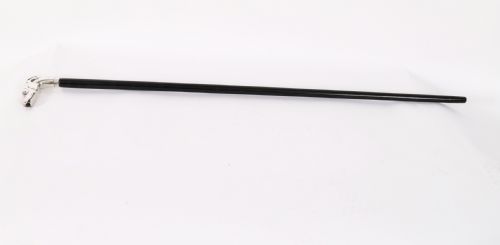
Handles take many inventive shapes, including duck heads, novelty parrots, silver wire knots, and round pommels. Materials vary from palm wood and bamboo to hardwood shafts paired with precious metals.
How they were made
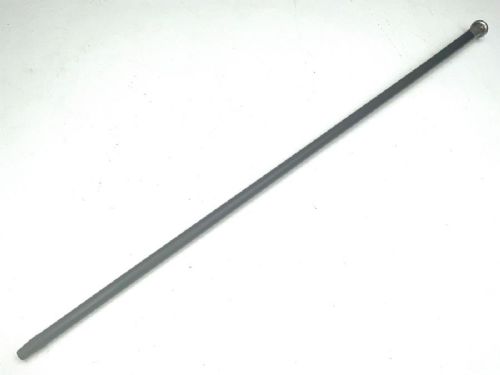
Makers construct the shafts of these canes from durable natural materials such as bamboo, palm wood, horn, and various hardwoods. Some pieces incorporate steel and brass components to reinforce the structure or conceal blades within.
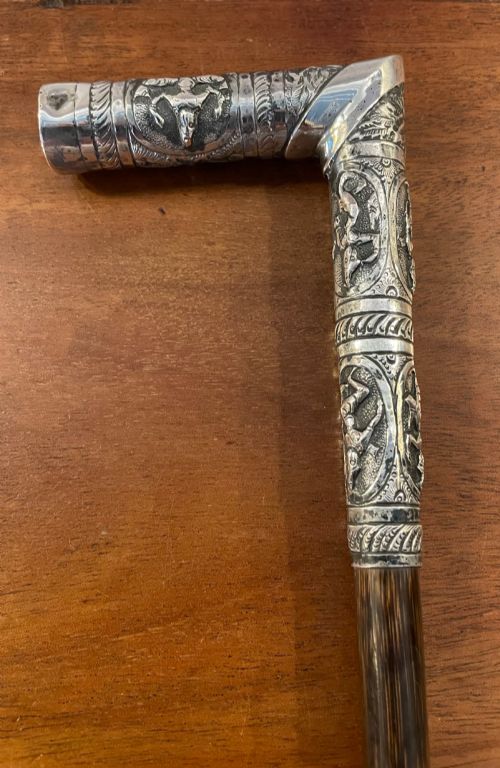
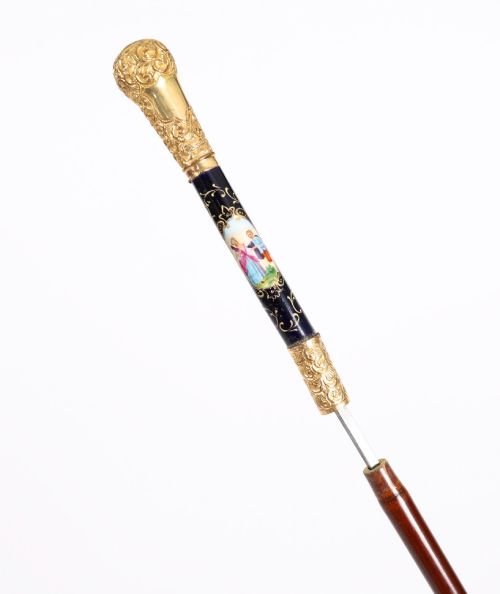
Handles and pommels feature worked silver, gold plate, 18ct gold, and Sevres porcelain. Artisans also apply intricate surface details, including steel gold damascene inlay and silver wire work.
Retail Price Guide 2026
Typical UK retail prices for vintage dress cane, calculated from the Sellingantiques database of over a million retail prices indexed since 2003. This retail price guide relies exclusively on Sellingantiques data; no external sources or auction records are used, so the figures do not describe the wider market.
One cheerful Edwardian dandy apparently felt entirely undressed without a silver duck head glaring suspiciously from the top of his walking stick.
What varies in quality
The distinction between standard examples and the finest items rests in the complexity of the handle and the preciousness of the metals utilised. An 18ct gold pommel or hand-carved porcelain element elevates a piece significantly beyond a basic wooden shaft.
Thomas Johnson·Brigg's
The Vintage Dress Cane Glossary
- Pommel
- The rounded handle or knob at the top of a cane. This part often displays hallmarks or decorative carving.
- Damascene
- The art of encrusting different metals into a dark oxidized steel background. Toledo pieces frequently utilise this technique.
- Sevres
- A type of fine porcelain produced in France. Examples appear on decorative handle mounts.
- Sword stick
- A walking cane designed with a concealed blade inside the shaft. These combine formal accessorising with hidden defence.
Frequently Asked Questions
How do I identify the period?
Dating relies on stylistic markers, hallmarks on the metal mounts, and the specific forms popular during eras like the Victorian or Art Deco periods.
Makers often inscribed dates or used distinctive motifs, such as avian heads or wire knot patterns, typical of turn-of-the-century design.
Were all dress canes used for support?
Most dress canes served purely as fashion accessories for gentlemen and ladies of high social standing during the nineteenth and early twentieth centuries.
Some variants, however, incorporated hidden functional elements such as concealed steel sword blades.
What materials are common?
Shafts typically utilise bamboo, palm wood, horn, and various dense hardwoods. Handles showcase precious metals including 18ct gold, silver, and gold plate alongside porcelain and brass.
Specialist pieces also incorporate decorative steel inlay techniques like damascene.