


Collectable Walking Sticks
Collectable walking sticks combine daily support with hidden blades, precious metal pommels and carved animal heads from the nineteenth and early twentieth centuries.
Collectable Walking Sticks
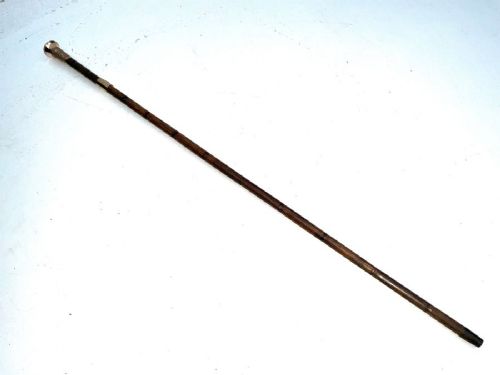
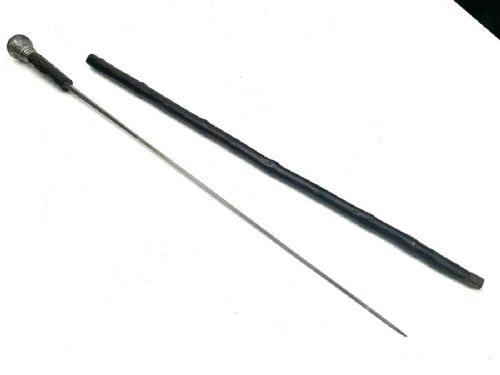
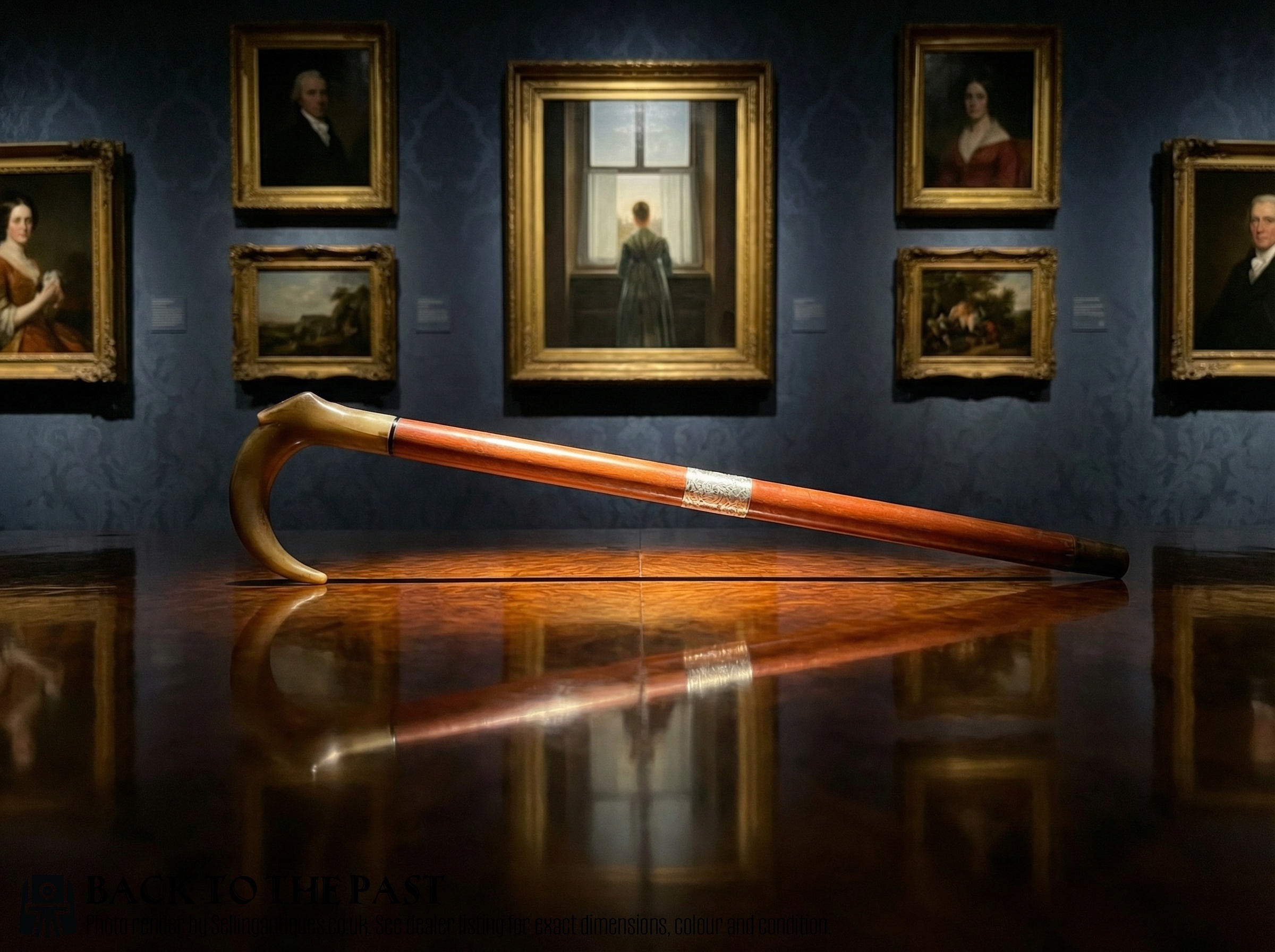
Collectable walking sticks encompass functional supports and gentleman's canes produced across the nineteenth and early twentieth centuries, including the Victorian and Edwardian eras. Buyers encounter pieces configured as standard walking canes alongside specialised forms incorporating hidden sword blades.
How they were made
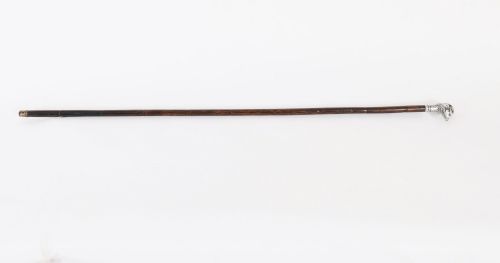
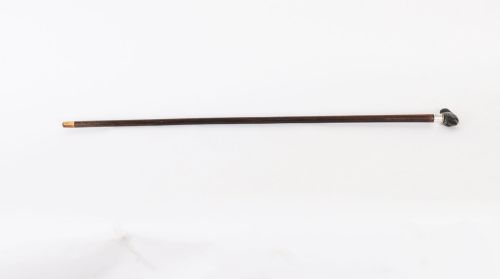
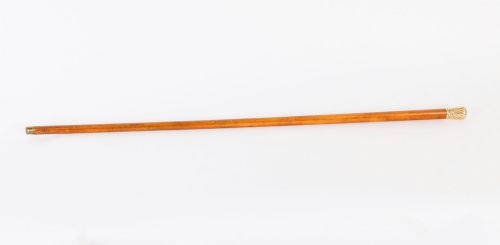
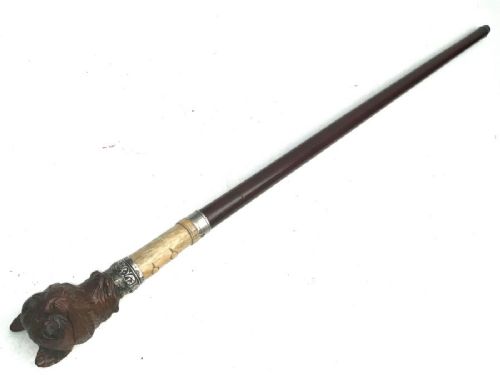
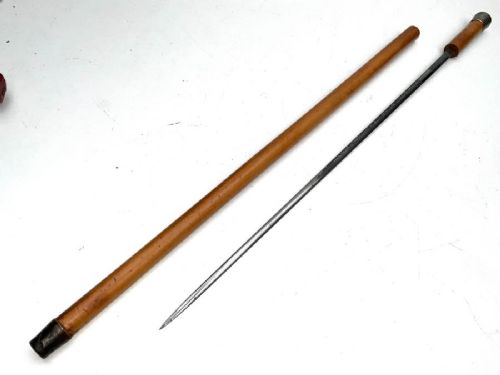
Craftsmen utilised sturdy woods such as hardwood, holly, malacca and palm wood for the shafts, frequently mounting them with handles fashioned from horn, bone, leather or ebonised timber. Internal blades relied on tempered steel.
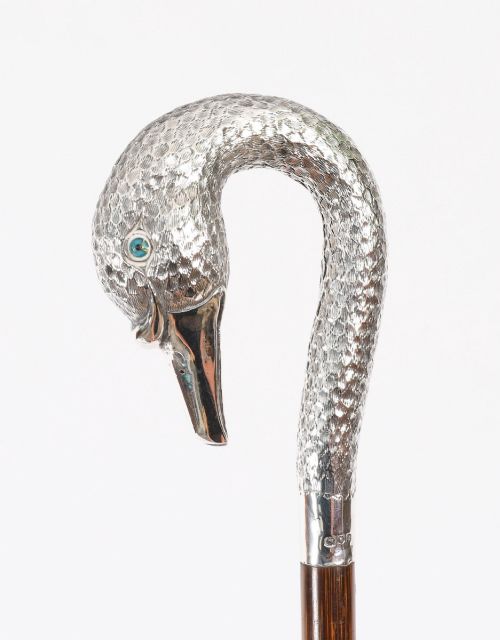
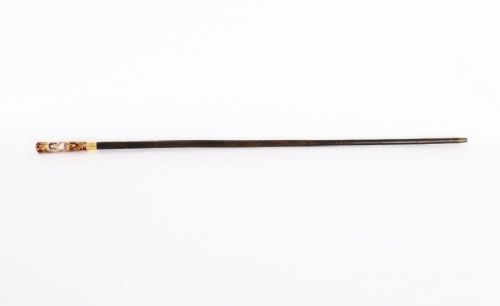
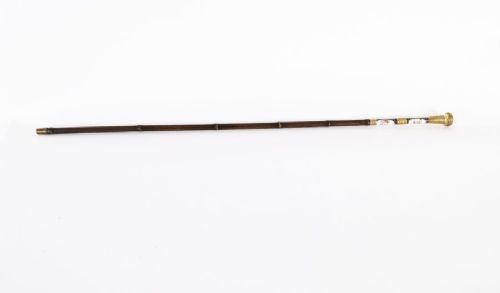
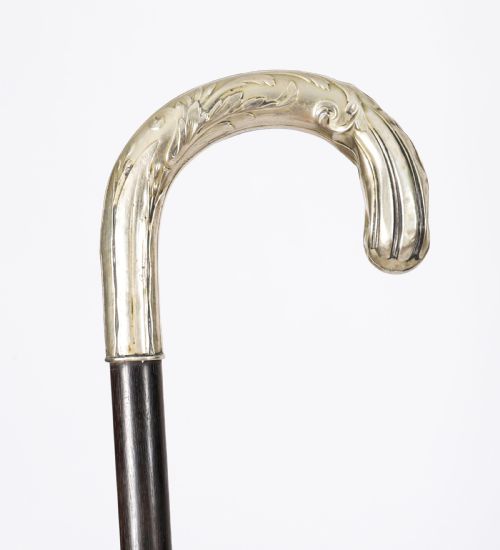
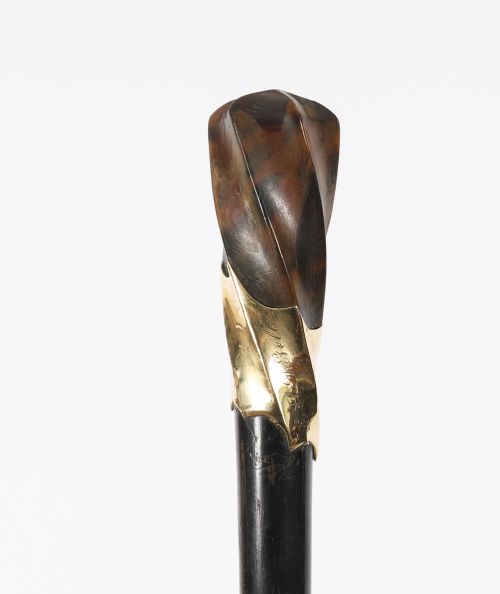
Handles and mounts incorporate precious metals including silver, gold plate and eighteen-carat gold, alongside hand-painted Sevres porcelain and intricate metal damascene work. Makers applied silver knops and engraved decoration to blades and pommels.
Collectable Walking Sticks Retail Price Guide 2026
Typical asking prices for collectable walking sticks among the pieces listed under this phrase on Sellingantiques today, from the lower quarter to the upper quarter. They describe what is for sale here now, not the wider market.
Listings feature nineteenth-century and Edwardian examples utilising materials from silver and eighteen-carat gold to horn, porcelain and palm wood.
What varies in quality
Quality rests upon the execution of the handle carving and the grade of the materials employed, distinguishing mass-produced items from finely detailed artist or maker pieces. Hand-painted porcelain pommels and cast silver animal heads demonstrate superior craftsmanship.
The integration and condition of hidden mechanisms within sword sticks and gadget canes dictate the standing of a piece. Robust blade retention and precise fit within the wooden shaft separate standard utility items from high-grade gentleman's accessories.
Brigg's
The Collectable Walking Sticks Glossary
- Pommel
- The rounded handle or knob at the top of a walking stick. These often take the form of precious metal spheres, carved bone or detailed animal heads.
- Sword stick
- A walking cane concealing a functional steel blade within the wooden shaft. They served as personal protection for gentlemen in the nineteenth century.
- Malacca
- A sturdy rattan cane imported from Southeast Asia, prized for its mottled brown finish and strength. It forms the shaft of many formal walking sticks.
- Damascene
- The art of inlaying different metals, such as gold, into a dark steel background. This technique decorates specialty blades and shafts.
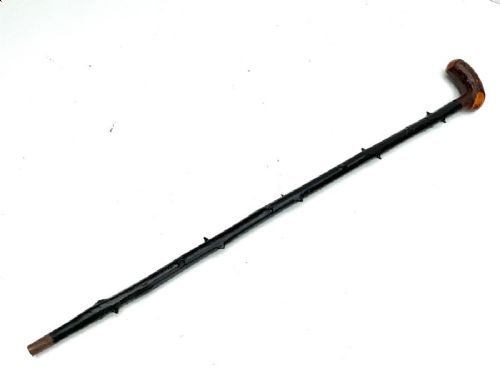
- Blackthorn
- A dense, tough wood traditionally utilised for Irish walking sticks and shillelaghs. It is characterised by distinct knot formations along the shaft.
Collectable Walking Sticks: Frequently Asked Questions
What is a sword stick?
A sword stick is a walking cane that houses a hidden steel blade inside the wooden shaft. A release mechanism or screw thread secures the handle to keep the blade concealed until needed.
Gentlemen carried these items during the Victorian and Edwardian periods for personal defence during urban travel. They combine the outward appearance of a standard gentleman's cane with functional weaponry.
How do I date an antique walking stick?
Dating relies upon hallmarks on silver or gold pommels, maker signatures, and stylistic indicators such as Art Nouveau curves or Art Deco geometry. Materials and construction methods also point to specific decades.
Pieces from the nineteenth century often exhibit hand-carved bone, porcelain mounts, or specific military and Masonic insignia. Comparing the wear patterns and metal types helps narrow down the era of production.
Were walking sticks used as weapons?
Many walking sticks functioned purely as fashionable accessories or mobility aids for gentlemen and military officers. However, specific designs incorporated hidden blades or heavy metal pommels for protection.
Sword sticks and gadget canes served both as walking supports and covert self-defence tools. Military officers and civilians alike utilised them during times when carrying visible arms was restricted or unfashionable.
How should I display walking sticks?
Walking sticks display best in floor-standing umbrella stands, wall-mounted wooden racks, or specialised vintage display cabinets. These methods secure the long shafts upright and prevent tipping.
Keeping canes away from direct sunlight and damp environments protects the wooden shafts, leather coverings, and delicate silver or porcelain handles. Proper spacing allows you to view the carved animal heads and pommels clearly.