


Edwardian Silver Cane
These pieces of edwardian silver cane combine practical support with distinguished gentlemanly style, offering a refined accessory for daily use or collection.
Understanding the edwardian silver cane
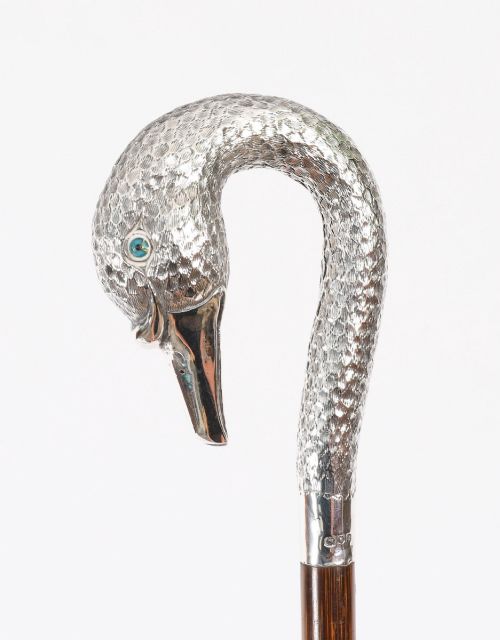
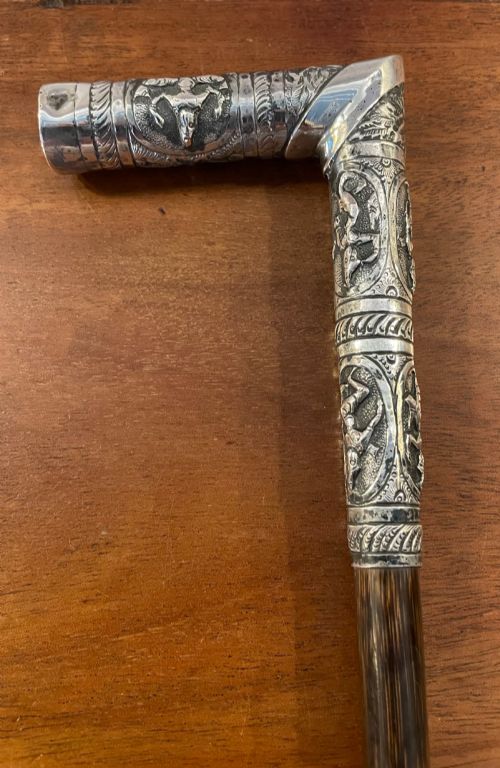
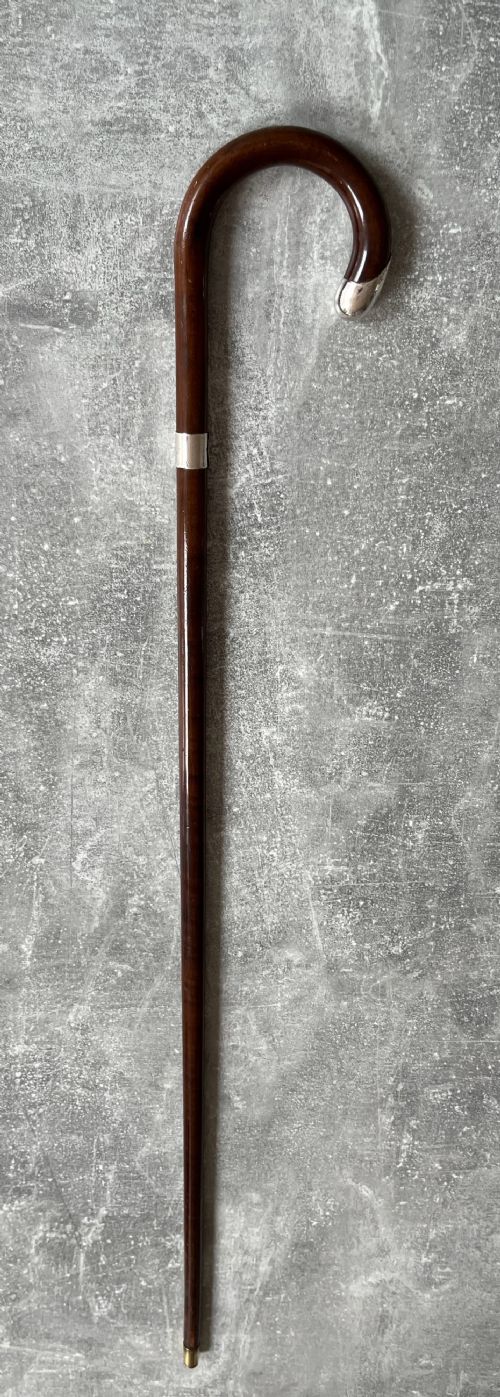
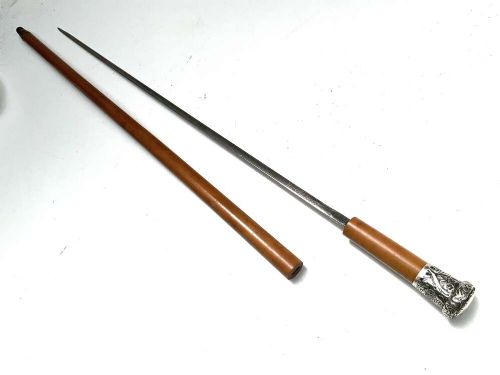
An edwardian silver cane serves as a traditional walking aid, combining a robust wooden shaft with decorative metalwork. You will frequently encounter examples featuring embossed silver handles or detailed metal mounts from the early twentieth century.
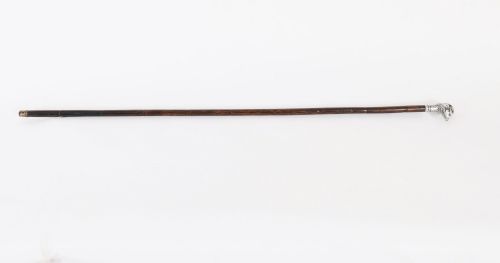
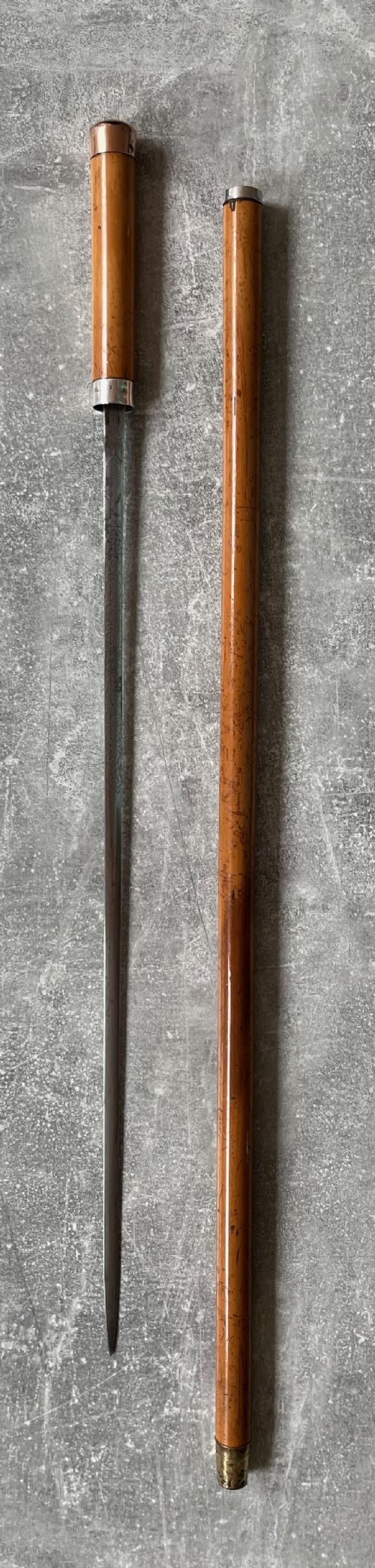
The selection ranges from simple walking sticks with silver collars to more elaborate pieces featuring carved animal heads or concealed blades. Many retain their original proportions, measuring around ninety centimetres in length.
Originating predominantly from British workshops around nineteen hundred and ten, these items reflect the formal accessorising habits of the period. Collectors value both the tactile quality of the handle and the grain of the underlying timber.
Materials and construction
Shafts are turned from dense timbers including ebony wood, palm wood, coromandel, malacca and ebonised oak. These woods provide the necessary rigidity and weight for a dependable walking stick.
Handles and mounts are fashioned from sterling silver or silver plate, often secured to the wooden shaft with small brass or metal pins. Techniques such as repoussé work create raised decorative patterns across the surface of the silver.
Retail Price Guide 2026
Typical UK retail prices for edwardian silver cane, calculated from the Sellingantiques database of over a million retail prices indexed since 2003. This retail price guide relies exclusively on Sellingantiques data; no external sources or auction records are used, so the figures do not describe the wider market.
Listings feature four distinct wood types paired with silver or silver plate.
Assessing quality and craftsmanship
The distinction between standard and superior pieces lies in the depth and crispness of the silver ornamentation. Hand-chased repoussé work demonstrates greater artisan skill than simple machine stamping.
The choice of shaft material also influences the standing of the piece, with exotic tropical hardwoods and marked sterling silver components marking out the more accomplished examples.
Sangster
The Edwardian Silver Cane Glossary
- Repoussé
- Metalworking technique where the silver is hammered from the reverse side to create a raised design on the front. This method was widely used for detailed ornamentation on cane handles.
- Pommel
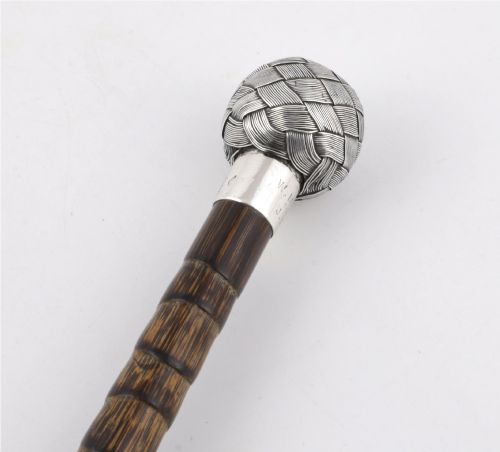
- The rounded knob or decorative grip at the top of a cane handle. It provides a comfortable surface for the hand.
- Knop
- A knob or rounded lump on the handle or shaft, often serving as an ornamental feature or a secure gripping point.
- Malacca
- A slender rattan cane imported from Southeast Asia, prized for its strength and distinctive mottled brown bark. It forms the flexible yet sturdy core of many formal walking sticks.
Frequently Asked Questions
How do I identify an edwardian silver cane?
Look for hallmarks on the silver mounts that indicate British assay offices and the period around nineteen hundred to nineteen ten. The style of the handle and the choice of dense hardwoods also point toward this era.
Examination of the construction methods, such as pinned mounts and hand-finished repoussé work, helps confirm the age and authenticity of the piece.
What woods are commonly found on these canes?
Shafts frequently utilise tropical and domestic hardwoods such as ebony, malacca, palm wood, coromandel and ebonised oak. Each timber offers a distinct weight, colour and grain pattern.
Darker woods were often polished to a high sheen to contrast with the bright silver handle.
How should I care for a silver handled cane?
Keep the piece away from direct sunlight and excessive moisture to protect the wooden shaft and prevent the timber from splitting. Gentle dusting preserves the natural finish of the wood.
Polish the silver mounts sparingly with a soft cloth to avoid wearing away thin plating or fine repoussé details.