

Silver Handle Walking Stick
A silver handle walking stick combines everyday utility with sculptural metalwork, offering collectors wearable art from past centuries.
Silver Handle Walking Stick
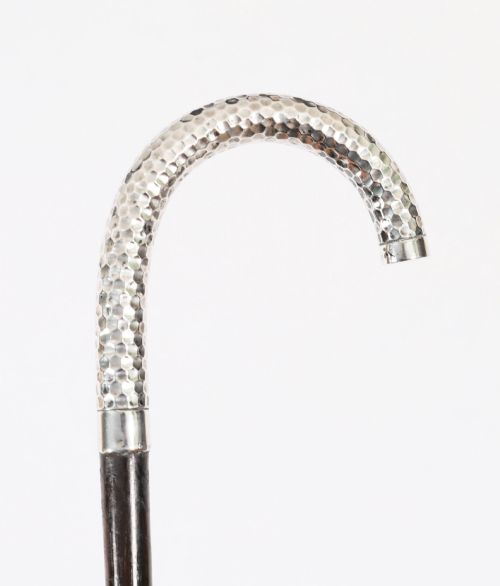
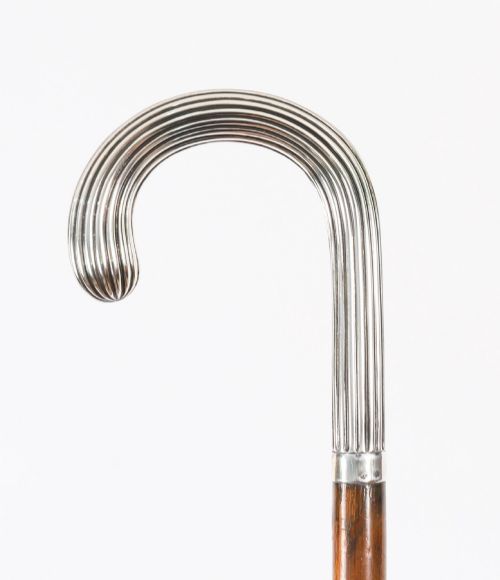
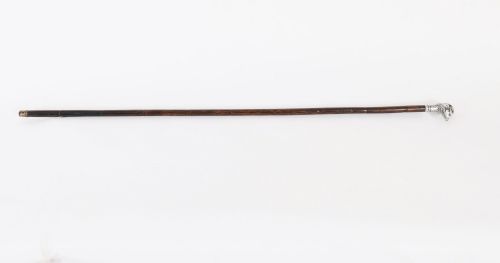
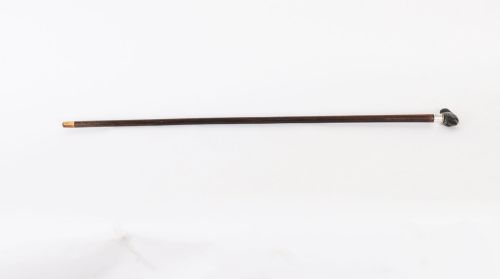
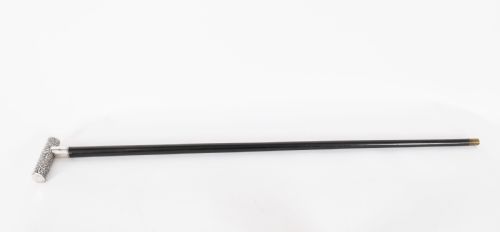
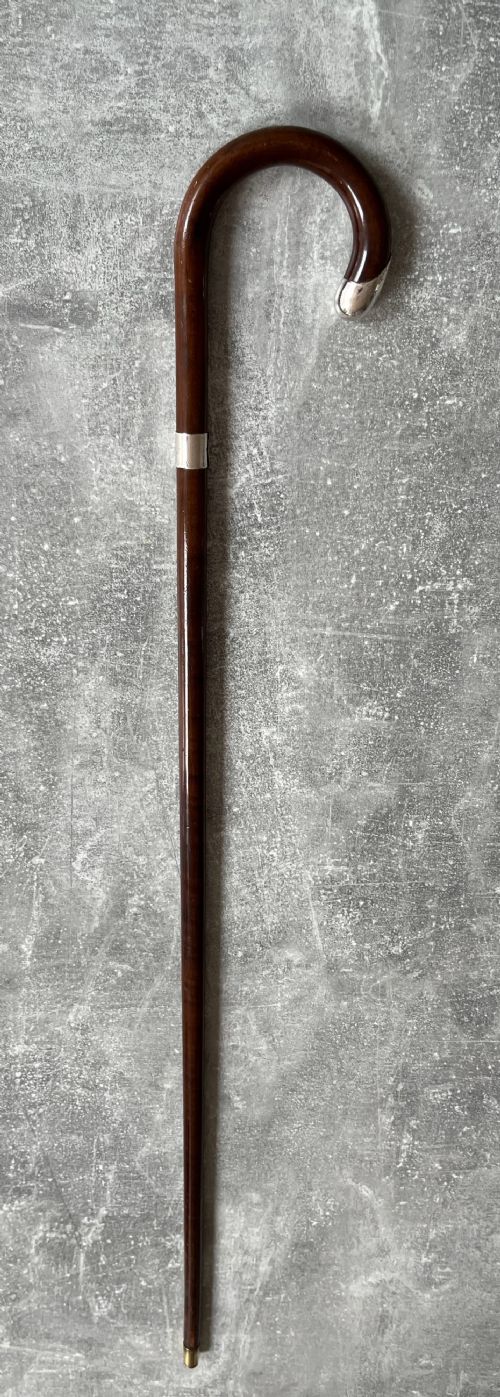
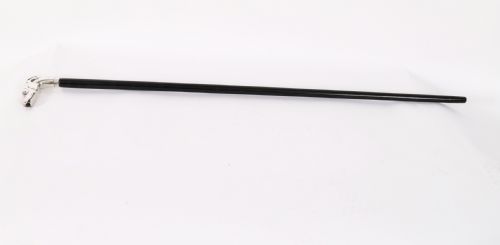
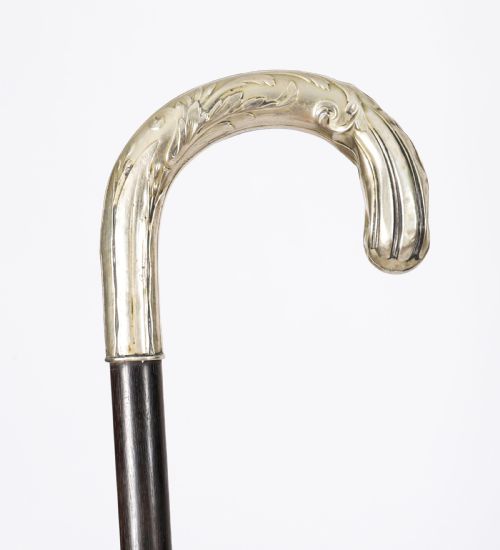
A silver handle walking stick serves as both a practical support and a refined accessory used across the nineteenth and twentieth centuries. Examples span Victorian, Edwardian, and Art Deco periods, featuring plain mounts, embossed metalwork, and figurative animal designs.
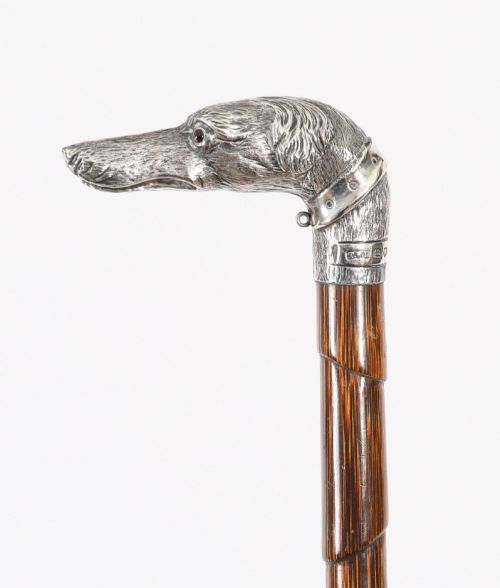
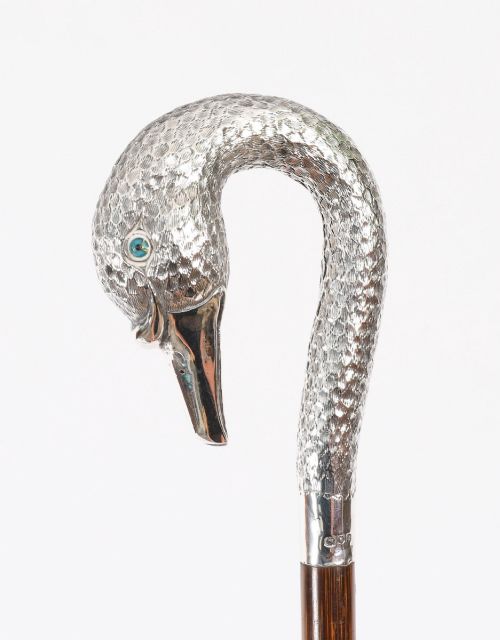
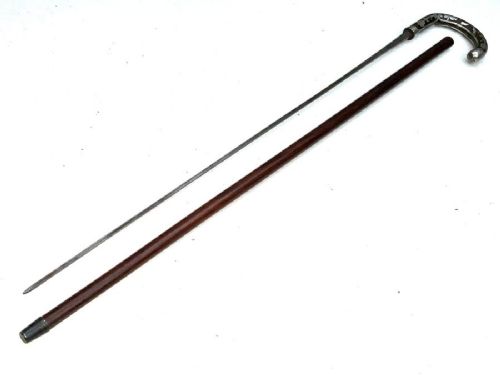
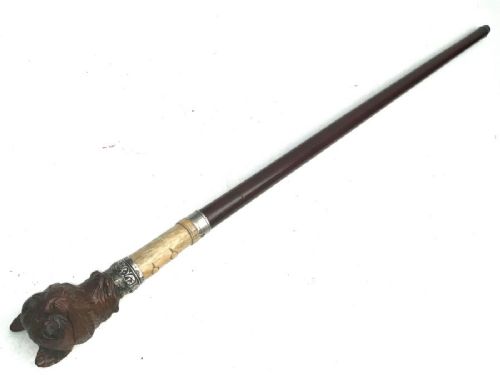
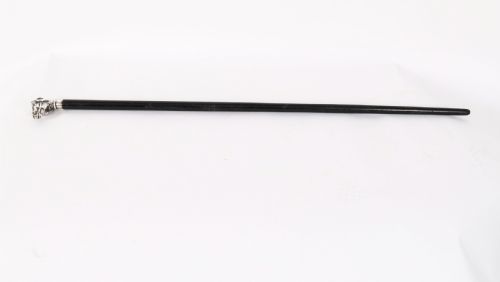
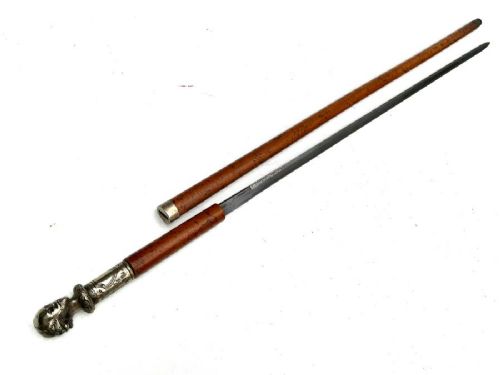
Makers fashioned these pieces with handles shaped like greyhounds, ducks, swans, and parrots, alongside specialised gadget variants incorporating hidden blades, snuff boxes, or corkscrews. Shafts match the upper grips using hard woods, bamboo, palm, ebonised timber, and malacca.
Origins stretch from British workshops to French ateliers, Chinese export houses, and continental Europe. Collectors encounter simple silver collars on horn handles as well as substantial solid silver figural grips.
How they were made
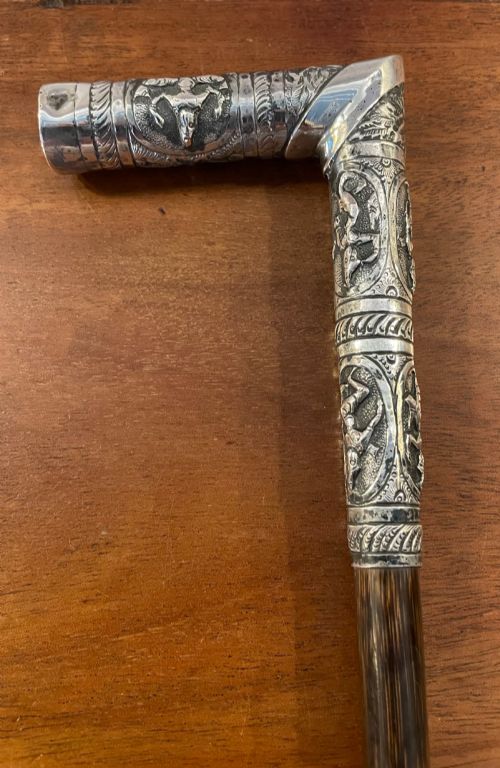
Silversmiths formed hollow handles through repoussé and chasing techniques, hammering sheet metal from the reverse or casting solid silver details to depict birds, dogs, and human figures. Makers frequently engraved these surfaces with foliage, monograms, or geometric motifs, adding hallmarks to denote standard purity and origin.
Shafts rely on natural timbers and organic materials such as malacca, bamboo, ebonised wood, rosewood, and horn, joined to the metal grips via internal wooden spigots and adhesives. Metal collars reinforce the junction where the silver handle meets the wooden shaft.
Some Victorian walking sticks doubled as secret cocktail bars, hiding miniature glass vials and corkscrews inside the wooden shaft.
What varies in quality
The artistic ambition of the handle defines the upper tier, distinguishing cast figural sculptures of animals or human forms from mass-produced embossed collars. Detail depth, crisp chasing lines, and the weight of the silver elevate individual pieces.
Shaft selection impacts overall construction, with figured hardwoods, specialised bamboo, and integrated sword mechanisms representing higher manufacturing effort than plain replacement shafts. Maker attribution through clear hallmarks adds documentary value.
Brigg·Ben Cox·Henry Howell·Asprey·Wilkinson
The Silver Handle Walking Stick Glossary
- Hallmark
- An official stamp applied to precious metals indicating purity, maker, and assay office. British pieces often display date letters and city marks.
- Repoussé
- A metalworking technique where the smith hammers sheet silver from the reverse side to create a raised design on the front.
- Malacca
- A slender, patterned rattan cane imported from Southeast Asia and prized for elasticity and strength in walking stick shafts.
- Collar
- A metal band encircling the top of the walking stick shaft directly beneath the handle, frequently bearing engraved initials or hallmarks.
- Sword stick
- A specialised cane containing a concealed blade within the wooden shaft, released via a locking mechanism.
Silver Handle Walking Stick: Frequently Asked Questions
How do I date a silver handle walking stick?
Assay office hallmarks stamped on the silver components provide the most reliable dating evidence, including specific year letters for British manufacture. Stylistic indicators like Art Deco geometry or Victorian floral embossing help narrow down unmarked examples.
Comparison with archival records and known maker marks further refines the production period, typically placing pieces between the early nineteenth and mid-twentieth centuries.
What are gadget canes?
Gadget canes conceal functional tools inside the wooden shaft or handle, such as sword blades, corkscrews, snuff boxes, or glass flasks. Victorian gentlemen utilised these items for covert utility, self-defense, or entertainment.
Makers integrated release mechanisms cleverly into the collar or handle joint so the hidden compartment remained secure during normal walking use.
Which materials were used for shafts?
Shafts incorporate sturdy natural materials chosen for straightness and resilience, including bamboo, malacca, ebonised oak, rosewood, and palm wood. Horn segments also appear near the grip or form curved crooks.
Craftsters fitted these organic shafts with metal ferrules at the base to prevent wear during outdoor use.
How should I display my walking stick?
Display these pieces upright in floor-standing umbrella stands or secured horizontally on wall-mounted display racks that support the shaft at multiple points. Avoid direct sunlight and extreme temperature fluctuations to protect organic wood and adhesives.
Ensure metal handles remain dry and clean to prevent tarnish accumulation on detailed silver surfaces.