
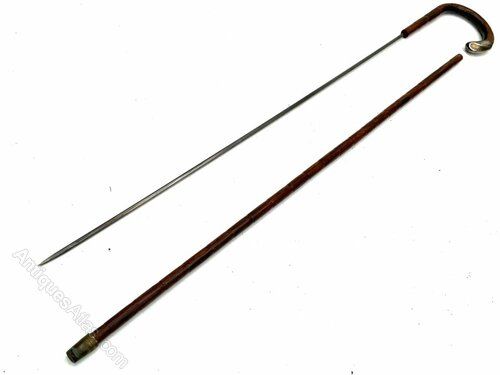
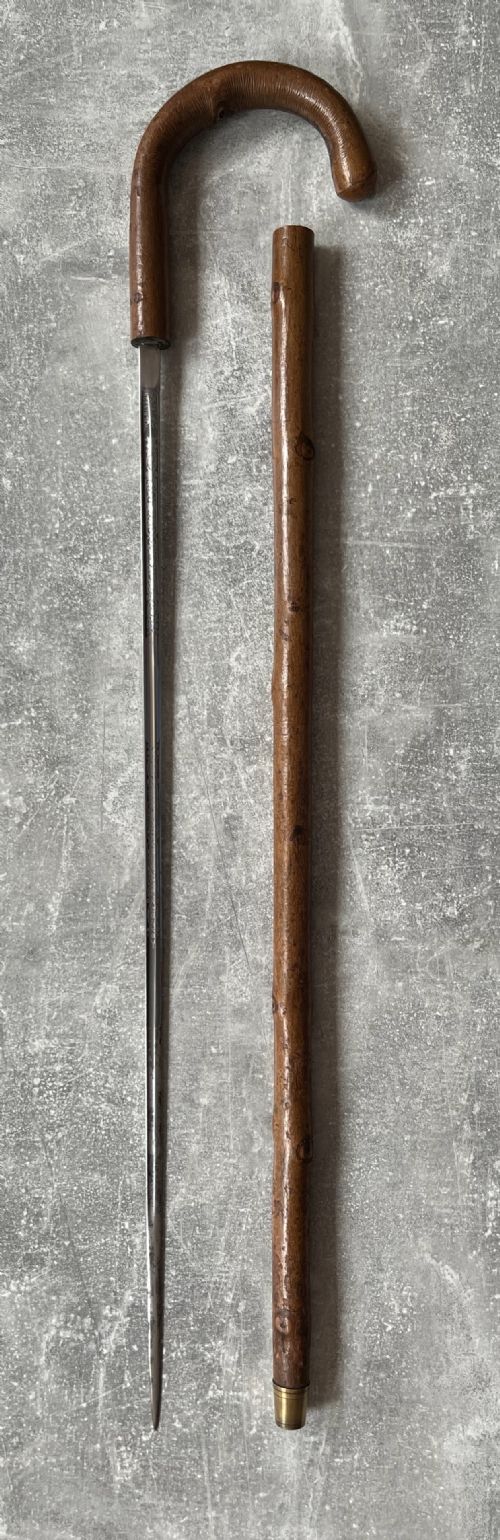
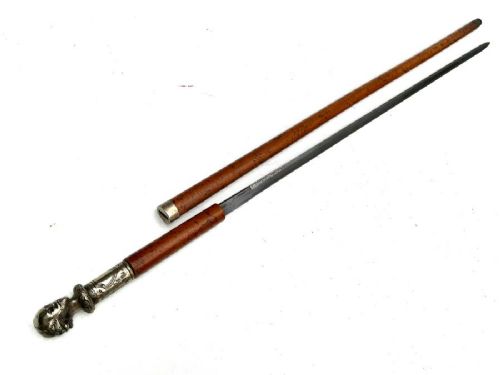
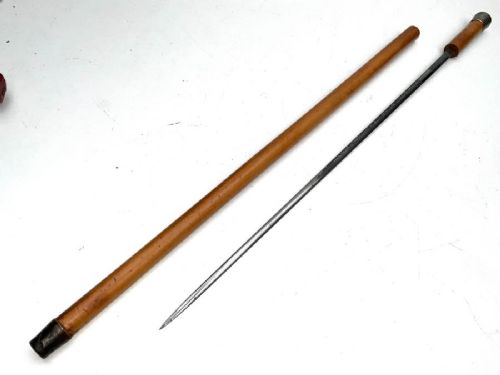





Steel Blade Cane
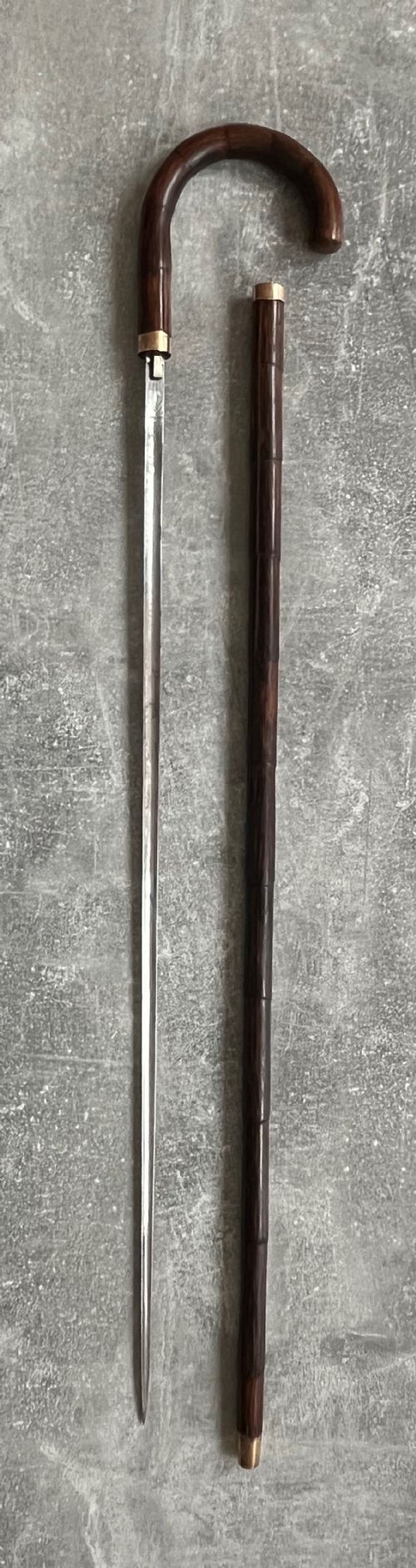
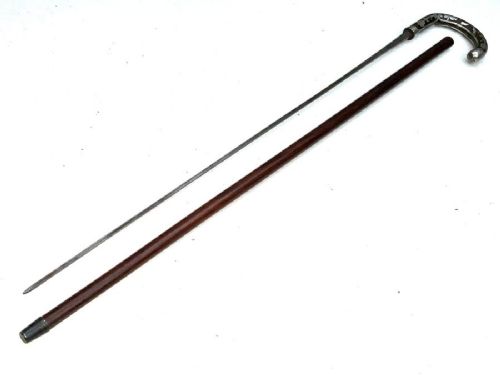
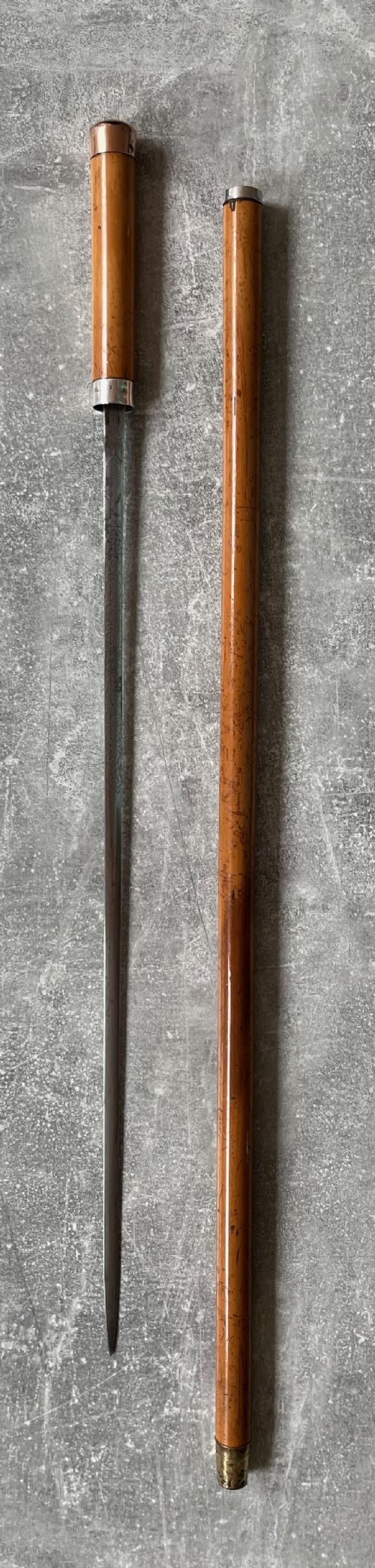
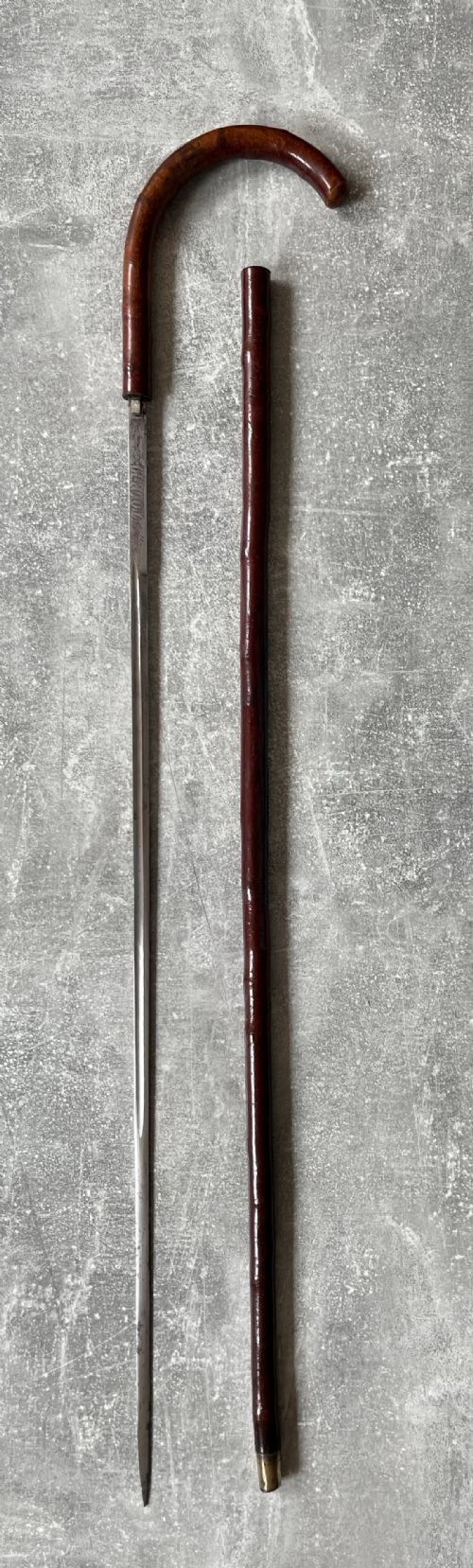
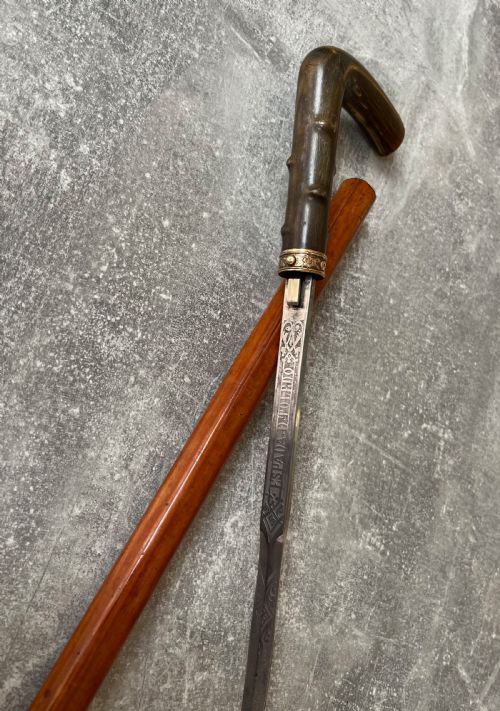
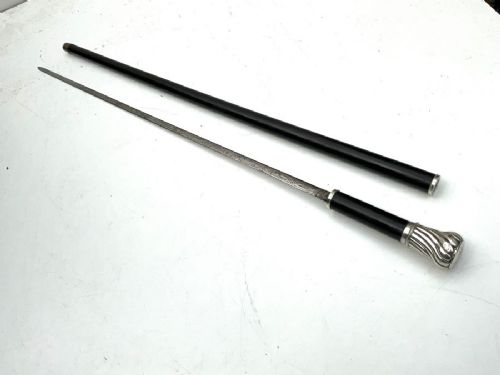
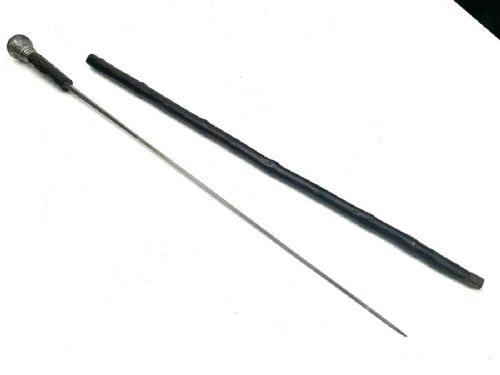
A steel blade cane conceals a hidden metal weapon beneath a traditional walking stick handle, combining everyday support with discreet personal defence.
What a steel blade cane is
When you search for a steel blade cane, you are looking at nineteenth and early twentieth-century gentleman's walking sticks and sword sticks. These pieces date from the Victorian, Edwardian, 1880, 1890, 1900, and 1920 periods.
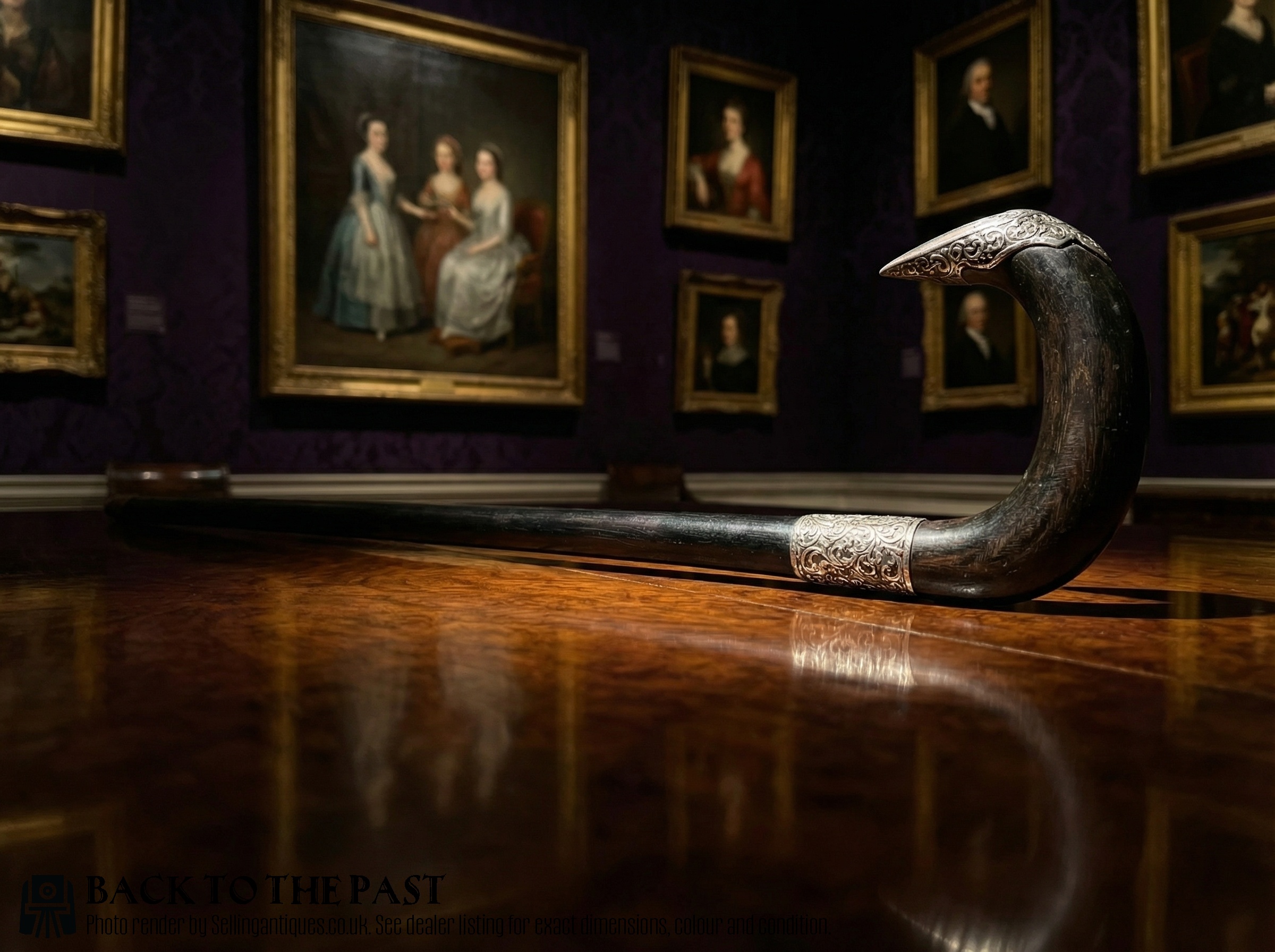
The versions you are most likely to meet on this page include cherrywood, blackthorn wood, bamboo, hardwood, and ebonised wood shafts. Handles vary in form from root ends and bone pistol grips to Masonic designs.
Originating as practical items for gentlemen requiring both walking support and discreet protection, these canes span from the late nineteenth century into the twentieth century. Each piece integrates a concealed metal blade within the wooden shaft.
How they were made
Maker construction combines natural woods such as cherrywood, blackthorn, bamboo, and hardwood with internal steel blades and brass or horn fittings. Wood shafts are shaped and fitted to house the metal components securely.
Blades utilise steel, sometimes featuring specific origins like Toledo, paired with handles carved from bone, root ends, or shaped wood. Materials are selected for durability and the ability to maintain a concealed profile.
Retail Price Guide 2026
Typical UK retail prices for steel blade cane, calculated from the Sellingantiques database of over a million retail prices indexed since 2003. This retail price guide relies exclusively on Sellingantiques data; no external sources or auction records are used, so the figures do not describe the wider market.
Some gentlemen preferred a bone pistol grip on their sword stick, ensuring their morning stroll had a distinctly dramatic edge.
What varies in quality
Quality differences lie in the selection of materials, from standard ebonised wood to distinctive blackthorn, cherrywood, or bamboo shafts with specialised bone pistol grips or root-ended handles. The refinement of the handle carving and the quality of the internal steel blade separate standard items from superior gentleman's examples.
The integration of the blade mechanism within the wooden shaft demonstrates the maker's skill. Tighter tolerances in the fit between the shaft and the handle indicate a higher grade of manufacture.
The Steel Blade Cane Glossary
- Steel Blade Cane
- A walking stick featuring a concealed internal metal blade. These pieces date across Victorian and Edwardian periods.
- Sword Stick
- An alternative term for a walking stick housing a concealed blade. They often utilise cherrywood, blackthorn, or bamboo shafts.
- Ebonised Wood
- Timber treated to resemble ebony, providing a dark and uniform finish. This material appears frequently in nineteenth-century walking sticks.
- Pistol Grip
- A handle shaped to resemble the grip of a firearm. Examples on these canes are sometimes formed from bone.
- Blackthorn Wood
- A dense timber derived from the sloe bush, utilised for traditional Irish walking sticks. It retains a knobby and tactile exterior.
Frequently Asked Questions
What is a steel blade cane?
A steel blade cane is a gentleman's walking stick that conceals a metal blade inside its wooden shaft. These pieces combine the appearance of an ordinary walking aid with a hidden weapon.
They date primarily from the Victorian and Edwardian eras, spanning the late nineteenth and early twentieth centuries.
How were these canes used?
These items served a dual purpose as everyday walking supports and discreet instruments for personal defence. Gentlemen carried them in public for stability and security.
The concealed blade remained protected within the wooden shaft until needed.
What materials are used?
The shafts are constructed from various woods including cherrywood, blackthorn, bamboo, hardwood, and ebonised wood. Handles feature materials such as bone, horn, and brass.
Internal blades are made of steel, occasionally originating from centres like Toledo.
How do I date a cane?
Dating relies on stylistic markers, materials, and documented periods such as Victorian, Edwardian, 1880, 1890, 1900, and 1920. Handle designs and wood types often correspond to specific decades.
Comparison with documented examples helps establish the likely era of manufacture.