




Antique Defence Cane
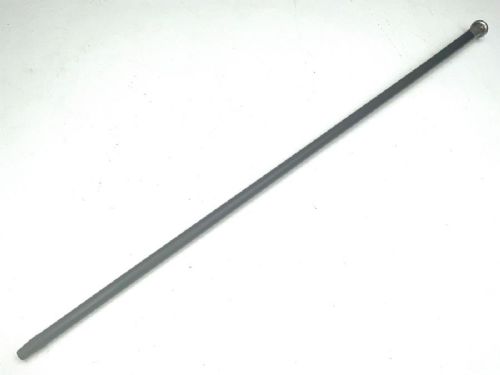
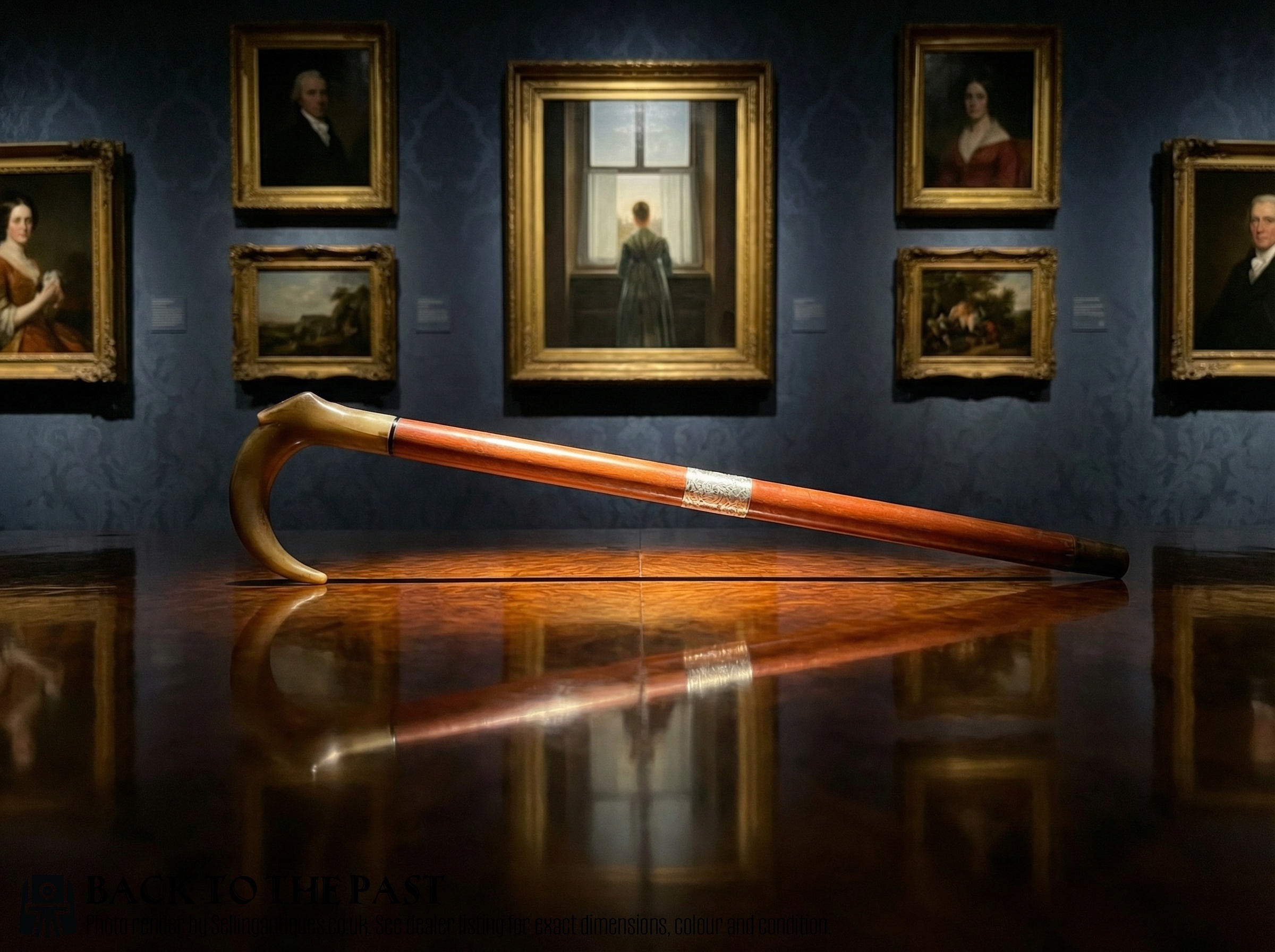
An antique defence cane provides discreet personal protection, combining the appearance of a gentleman's everyday walking stick with a concealed blade.

What an antique defence cane is
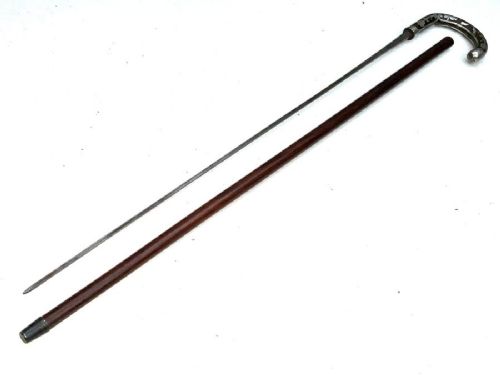
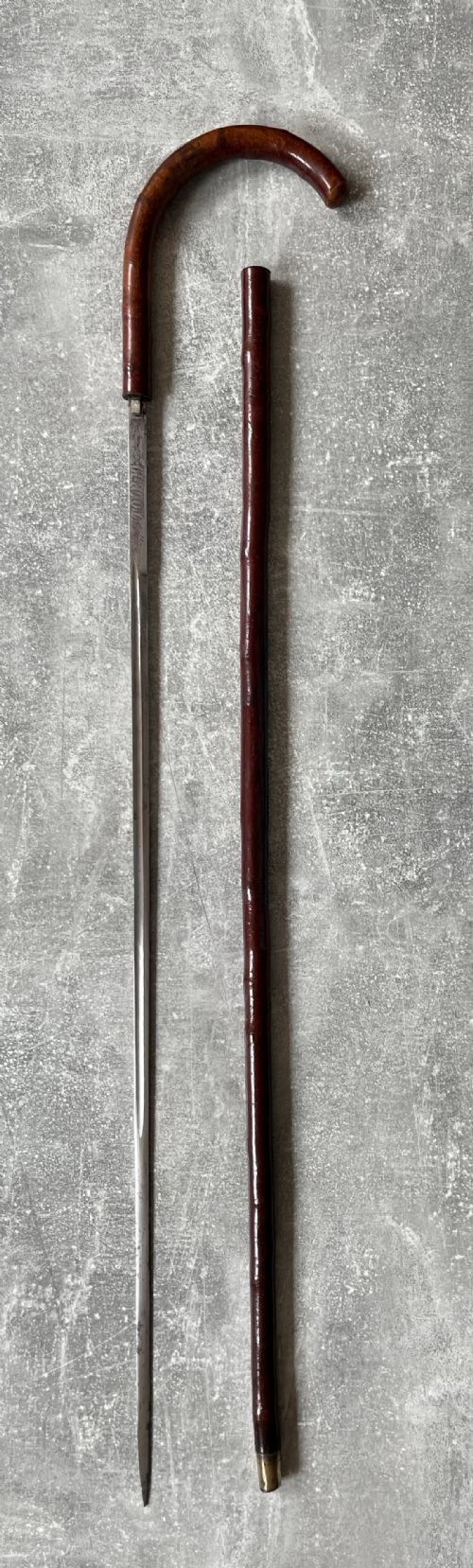
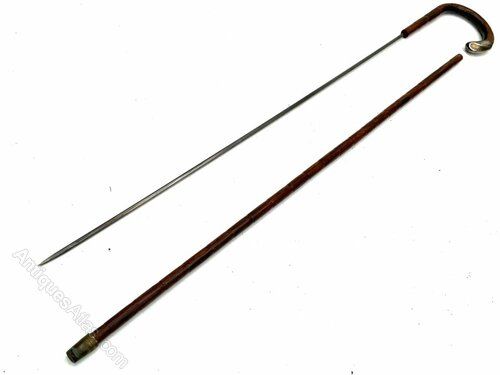
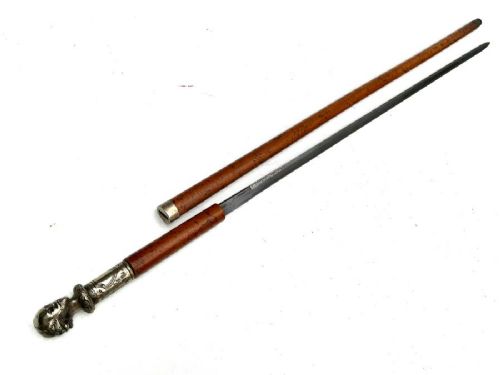
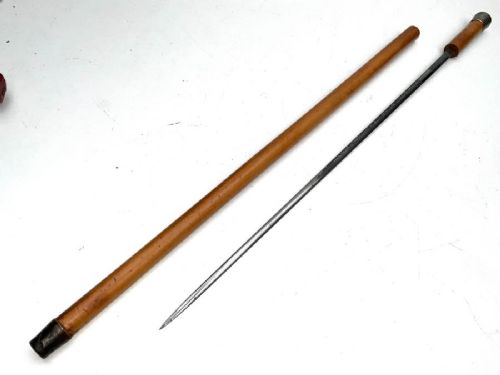
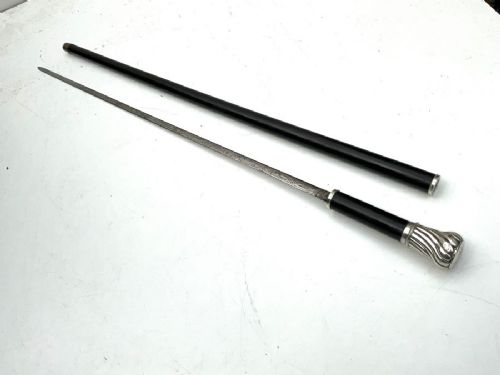
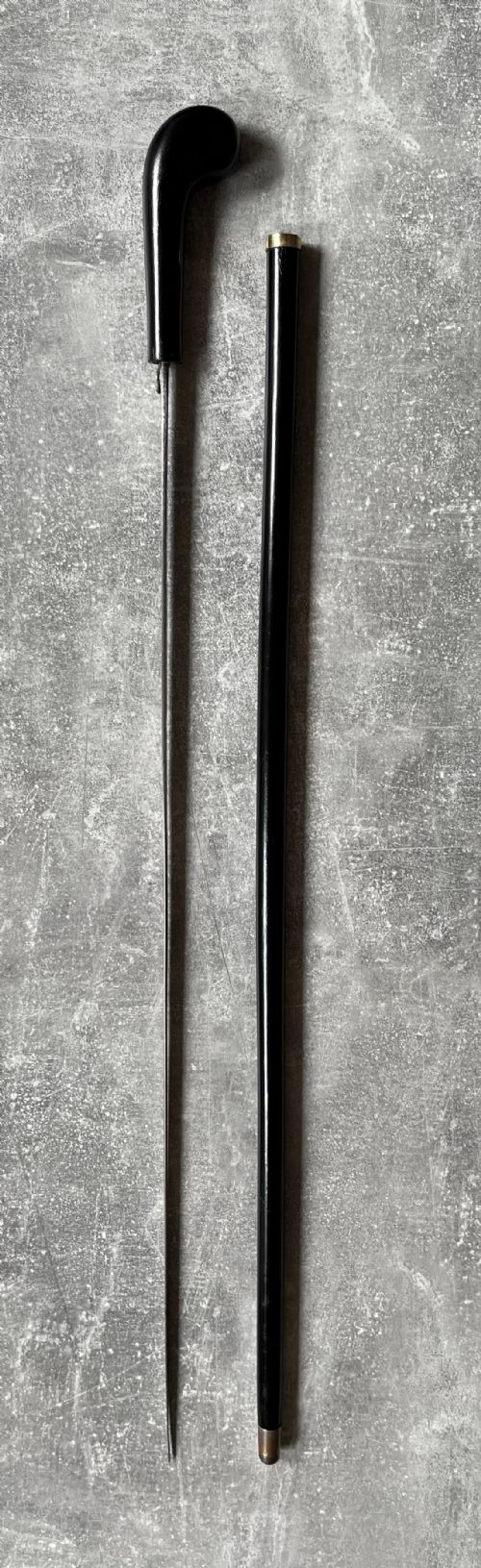
An antique defence cane masquerades as a standard walking stick while housing a sharp steel blade hidden safely inside the shaft. These dual-purpose objects appear across the Victorian, Edwardian, and Imperial German periods, reflecting a historical demand for personal security in urban and rural environments.
The versions most commonly met on this page include military officer examples, Masonic pieces, and London-hallmarked civilian walking sticks. Formats range from simple bamboo shafts to polished rosewood, partridge wood, and blackthorn.
Makers utilised various natural materials to disguise the concealed weapon, pairing wooden or horn handles with metal locking mechanisms. Each piece balances the outward dignity of a gentleman's accessory with functional utility.
How they were made
Craftsmen built these pieces using rigid timbers such as rosewood, partridge wood, and bamboo to form the outer scabbard, integrating steel blades that fit flush within the interior cavity. Horn, silver, and metal details often finished the handles and collars, securing the blade housing against daily wear.
Makers fitted precision mechanisms, including screw joints or catch releases, to ensure the blade remained firmly seated during normal walking use yet detached swiftly when required. Natural materials like Irish blackthorn and bamboo retained their organic exterior textures while concealing the hollow core.
Retail Price Guide 2026
Typical UK retail prices for defence cane, calculated from the Sellingantiques database of over a million retail prices indexed since 2003. This retail price guide relies exclusively on Sellingantiques data; no external sources or auction records are used, so the figures do not describe the wider market.
Secret blades allowed Victorian gentlemen to stroll dark streets feeling entirely prepared for ruffians.
What varies in quality
Quality in an antique defence cane rests upon the seamless alignment of the handle to the shaft and the rigidity of the concealed steel blade. Superior examples display tight joins that hide the seam entirely when closed, alongside refined metalwork and hallmarked silver collars.
Lesser pieces exhibit looser tolerances in the locking mechanism and simpler wood finishing, separating utilitarian civilian walking sticks from finely appointed military and Masonic commissions.
The Antique Defence Cane Glossary
- Sword stick
- A walking cane fitted with a concealed internal blade. This primary format defines the entire category of antique defence canes.
- Collar
- A metal band encircling the top of the shaft just below the handle. Silver and metal collars often bear hallmarks or maker marks.
- Scabbard
- The hollow wooden or bamboo body of the cane that encloses and protects the steel blade. It functions as both walking support and sheath.
Frequently Asked Questions
What is an antique defence cane?
An antique defence cane is a traditional walking stick that conceals a steel blade inside its wooden or bamboo shaft.
These pieces were carried for personal protection during the Victorian and Edwardian eras by gentlemen, military officers, and members of fraternal organisations.
How do you release the hidden blade?
The blade is typically secured inside the shaft by a screw mechanism, a push button, or a friction catch.
Pulling the handle firmly separates the upper section from the outer scabbard to reveal the steel blade.
What materials were used for the shaft?
Makers utilised robust natural timbers and plant stems including rosewood, partridge wood, bamboo, and Irish blackthorn.
Handles were frequently shaped from horn or ornamented with silver collars and metal mounts.
How do you date an antique defence cane?
Dating relies on the prevailing style, the materials, and any official hallmarks stamped onto silver collars or metal mounts.
Periods such as the Edwardian era or Imperial Germany often display distinct manufacturing characteristics and military associations.