
Antique Cane Sword
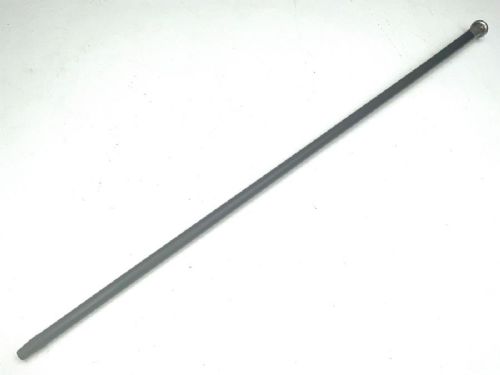
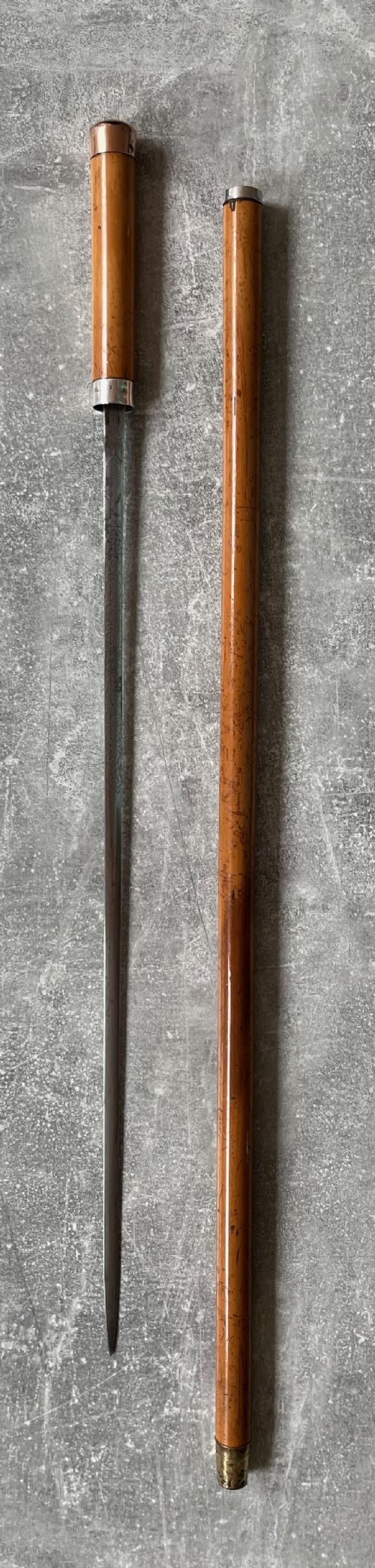
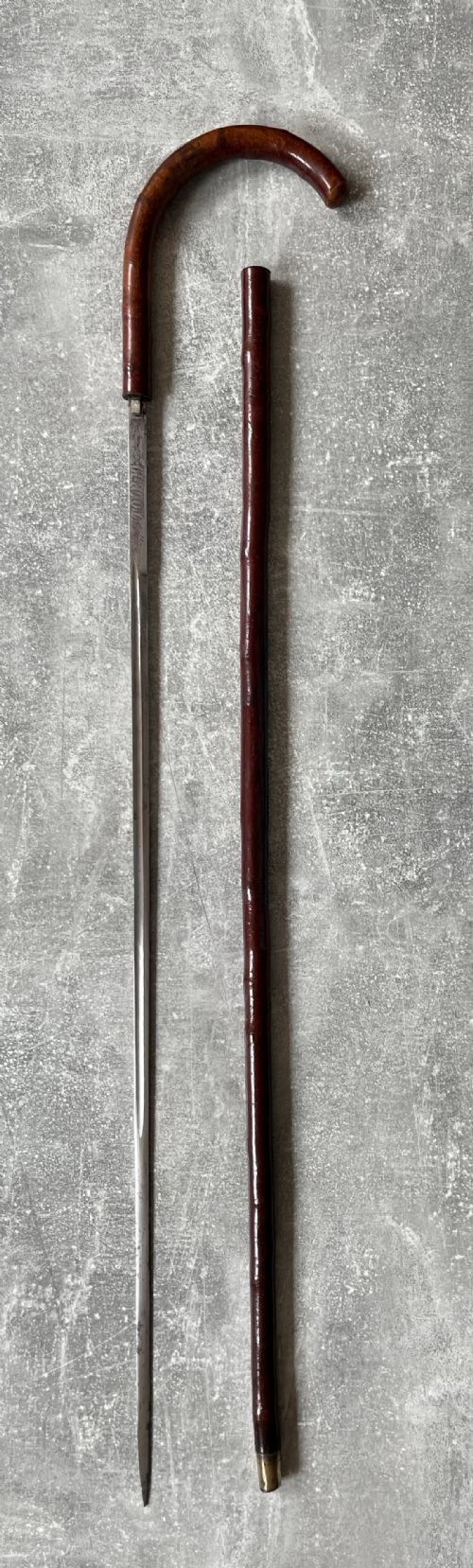
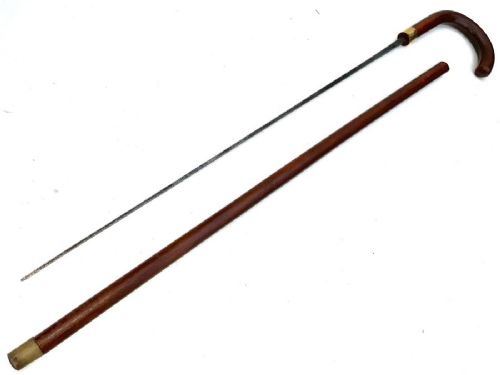
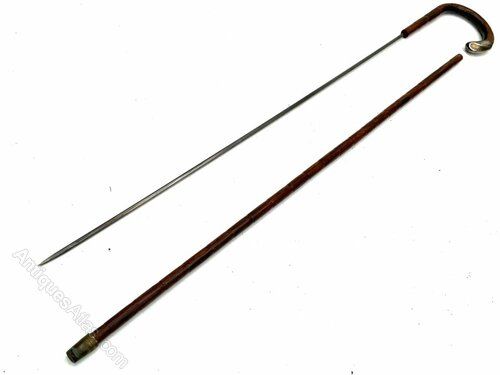
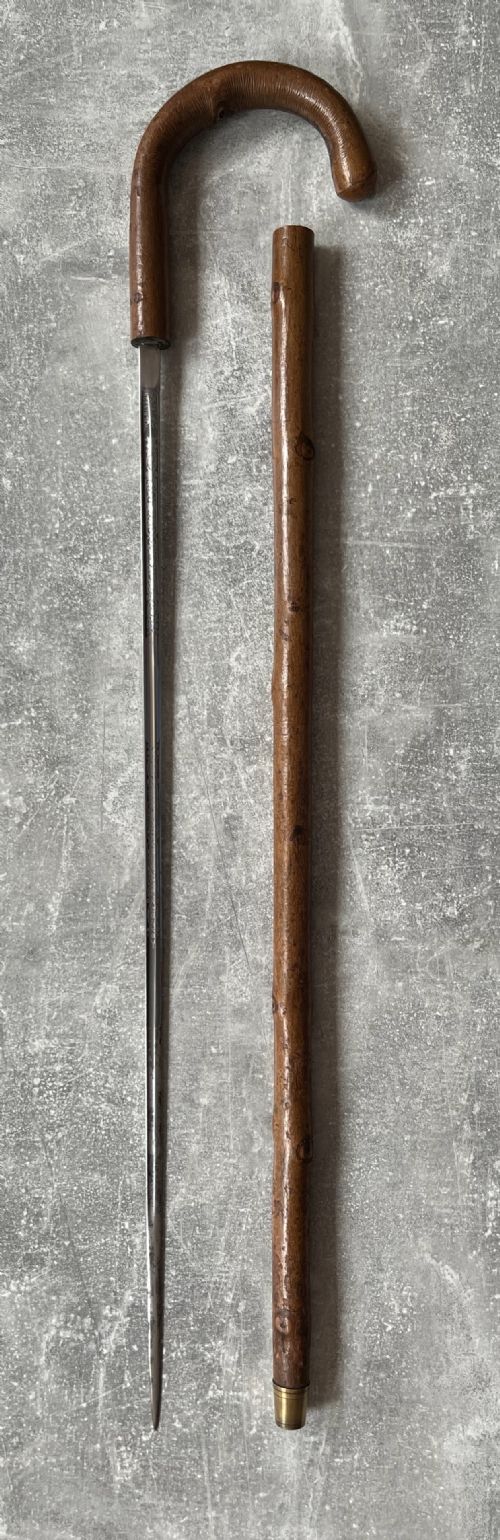
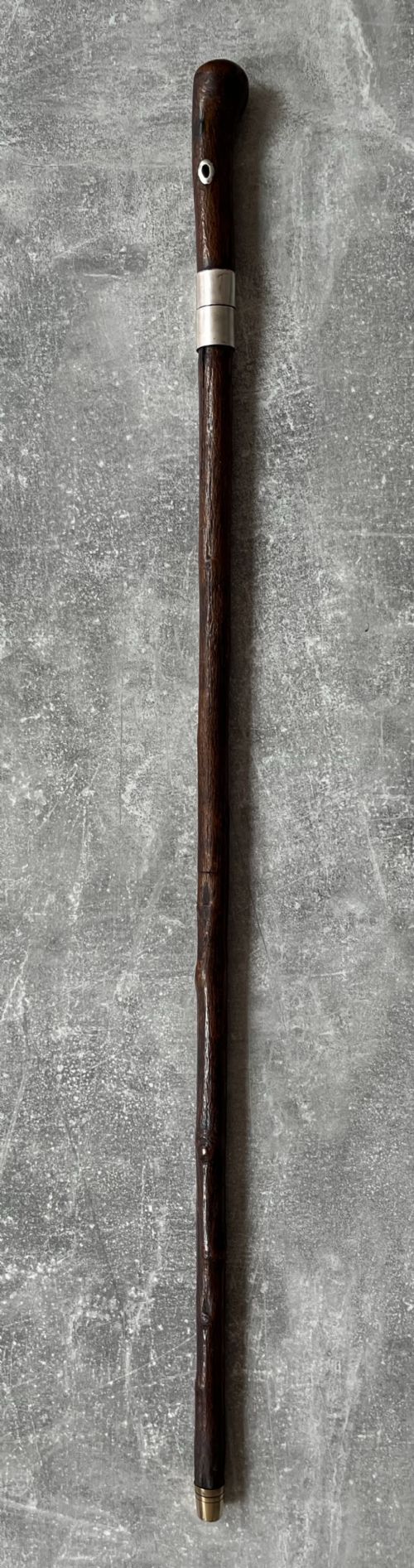
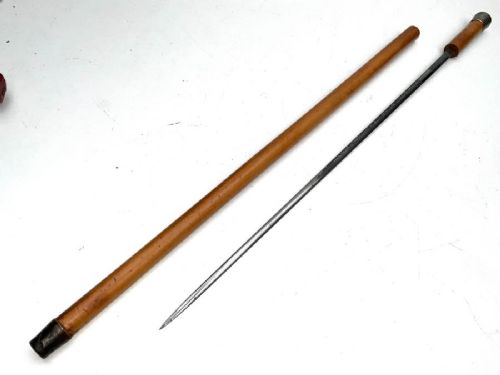
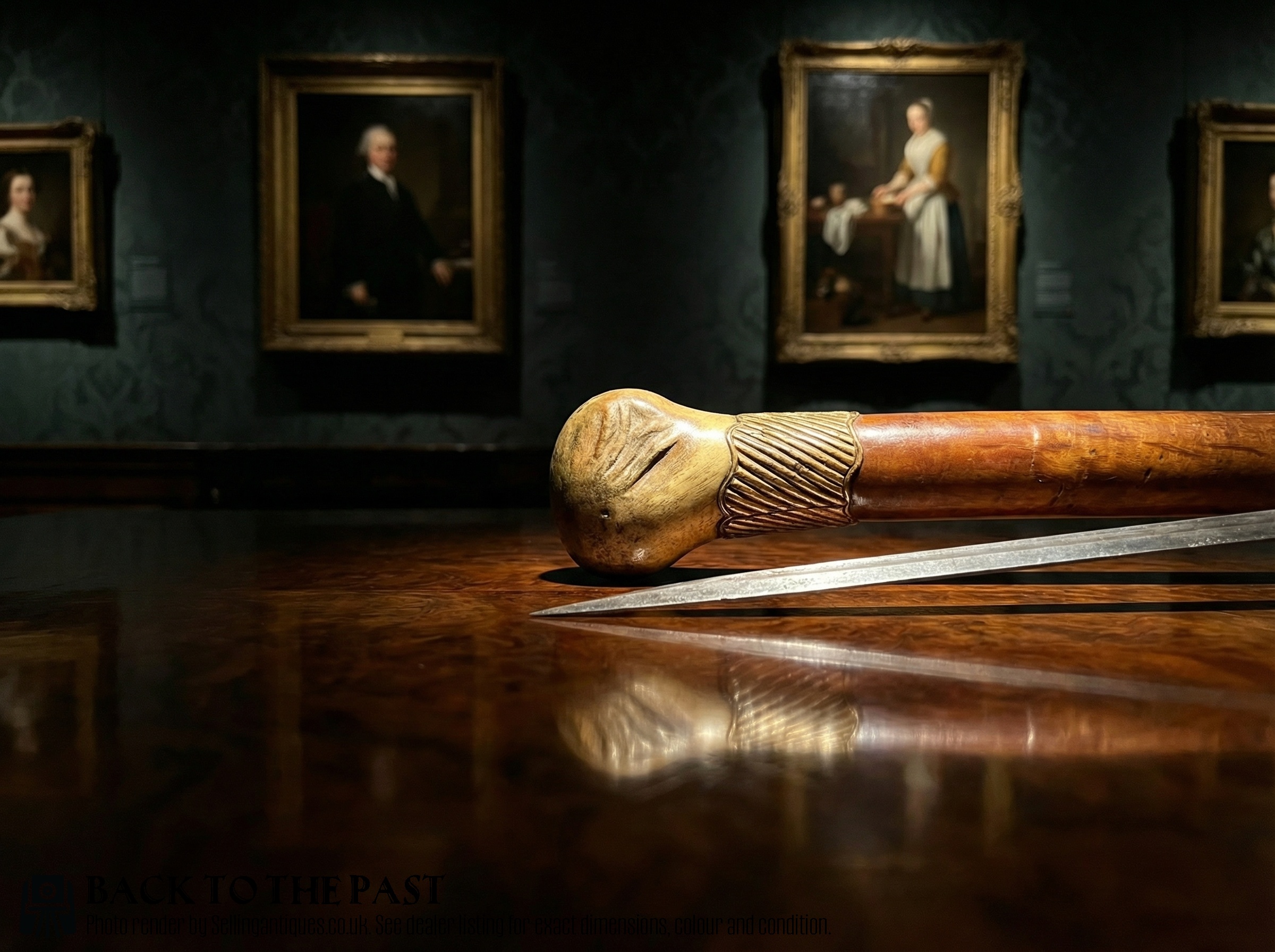
An antique cane sword combines personal defence with everyday gentlemanly attire, housing a concealed steel blade within a robust walking stick.
Understanding the antique cane sword
An antique cane sword serves as a discreet personal weapon disguised as a standard walking stick or cane, originating primarily from the nineteenth century. These pieces reflect an era when gentlemen often carried concealed protection during daily transit or travel.
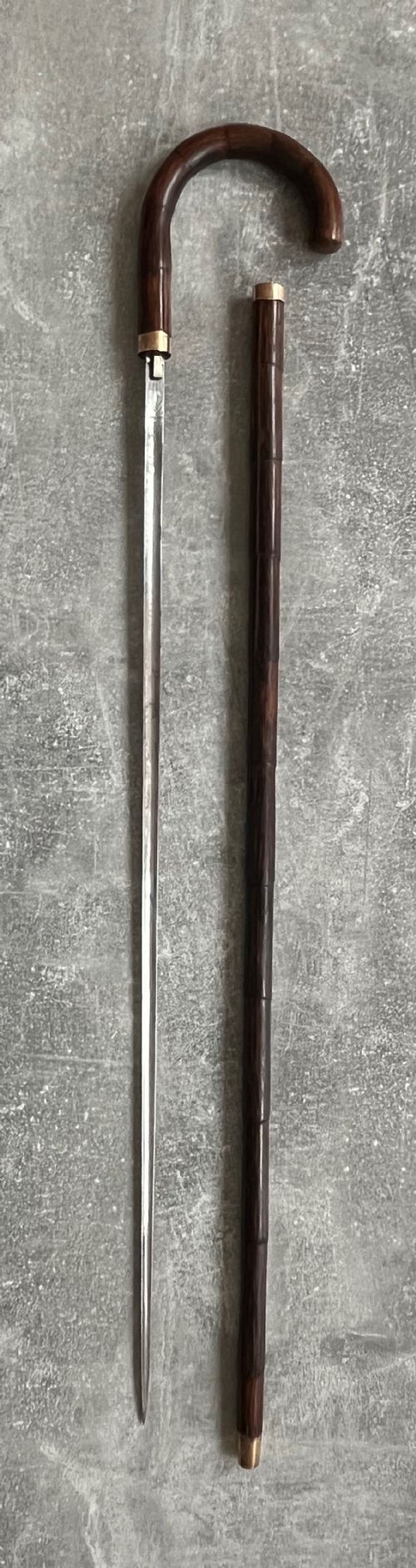
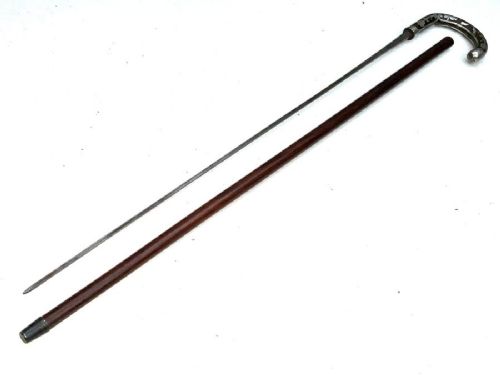
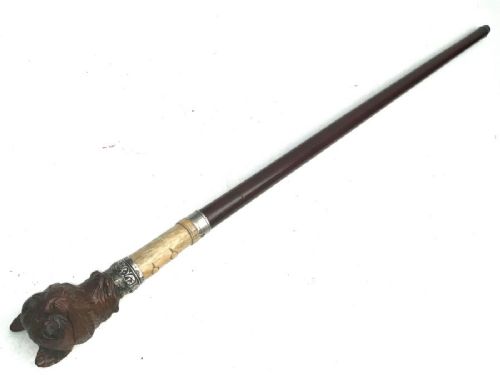
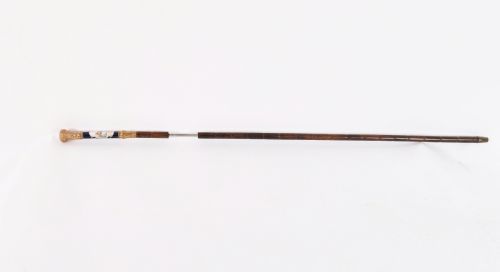
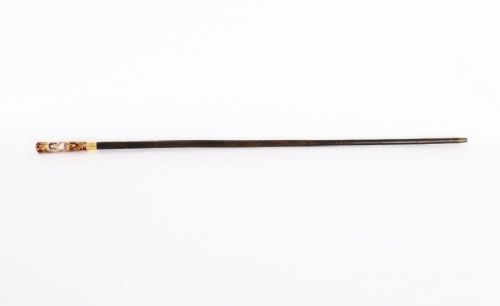
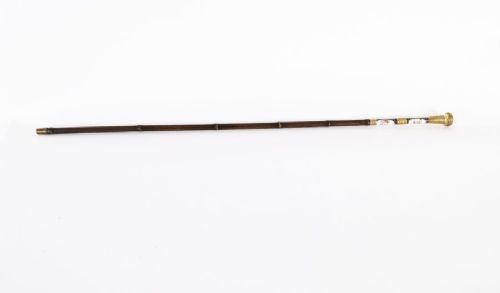
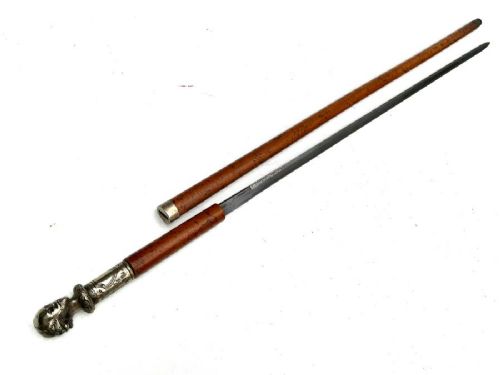
The most common examples encountered on this page date from the Victorian and Edwardian periods, typically featuring sturdy shafts made from Malacca cane, bamboo, or ebonised hardwood. Handles vary from simple wooden and bone knops to elaborate silver repoussé work and carved horn.
Makers utilised various regional styles, ranging from British walking sticks with silver collars to Imperial German military officers' sticks and carved East Asian bamboo pieces. Each item conceals a steel blade secured by mechanisms such as button releases.
Materials and construction
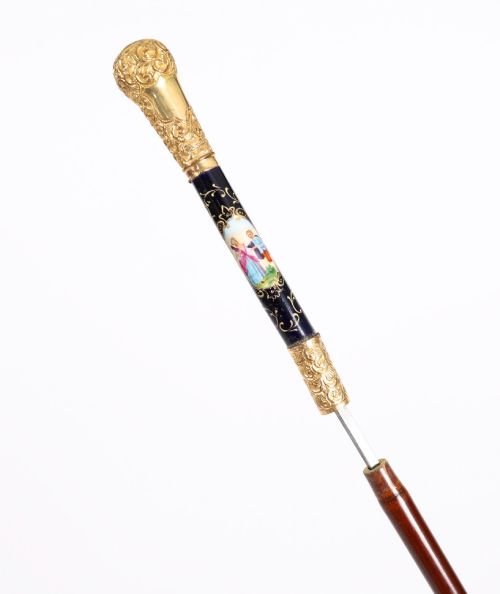
Makers built these walking sticks using natural materials like Malacca cane, bamboo, and hardwood for the exterior shaft, often paired with metal components. Brass, ormolu, and silver collars reinforce the construction where the handle meets the shaft.
The concealed blades are formed from steel, occasionally featuring etched Toledo work, and connect to internal mechanisms designed for quick release via buttons. Handles incorporate carved bone, horn, and silver repoussé work secured to the main body.
Retail Price Guide 2026
Typical UK retail prices for cane sword, calculated from the Sellingantiques database of over a million retail prices indexed since 2003. This retail price guide relies exclusively on Sellingantiques data; no external sources or auction records are used, so the figures do not describe the wider market.
The archive and active listings span Victorian, Edwardian, and nineteenth-century periods originating from Britain, Germany, and East Asia.
Distinguishing quality across pieces
Quality separates through the execution of metalwork on handles and collars, alongside the refinement of the internal blade release mechanism. Pieces featuring hallmarked silver, intricate repoussé work, or carved bone knops demonstrate higher levels of craftsmanship.
The choice and preparation of the shaft material also dictate overall standard, with well-finished Malacca cane and seasoned hardwoods sitting above basic bamboo or standard wood variants. Additionally, blades bearing etched Toledo markings indicate superior manufacturing effort compared to plain steel.
The Antique Cane Sword Glossary
- Malacca Cane
- A resilient stem derived from a climbing palm native to Southeast Asia, prized for its mottled brown finish and strength. It serves as the primary shaft material for many nineteenth-century examples.
- Toledo Blade
- A steel blade originating from the Spanish city renowned for weapon-smithing, often featuring decorative etching. These blades denote high craftsmanship within concealed walking sticks.
- Knop
- A decorative knob or handle attached to the top of a walking stick or cane. They appear in materials such as bone, silver, horn, and carved wood.
- Repoussé
- A metalworking technique where silver or other metals are hammered from the reverse side to create a raised design. This adorns collars and handles on finer pieces.
- Ormolu
- Gilded bronze applied as an ornamental mount or collar on walking sticks. It provides a bright golden finish to the upper shaft.
Frequently Asked Questions
How do you release the hidden blade?
Many examples utilise a mechanical button release set near the collar to unlock the steel blade from the shaft.
Once pressed, the blade slides out smoothly from its wooden or cane housing.
What materials were used for the shafts?
Makers constructed the exterior shafts primarily from Malacca cane, bamboo, and ebonised or plain hardwoods.
These materials provided the necessary rigidity and durability for daily walking support while concealing the inner weapon.
How do you date an antique cane sword?
Dating relies on stylistic clues, hallmarked silver collars, and manufacturing periods associated with Victorian and Edwardian fashions.
Inscribed dates or London hallmarking years on metal components offer precise markers for origin and creation time.
How should you display a cane sword?
These pieces display well in specialised walking stick stands or mounted horizontally in secure wall display cabinets.
Proper storage protects the delicate silver collars, carved handles, and natural cane shafts from environmental damage.