




Antique Weapon Cane
An antique weapon cane offers discreet self-defence, combining everyday gentlemen's accessories with hidden blades and club heads.
Antique Weapon Cane
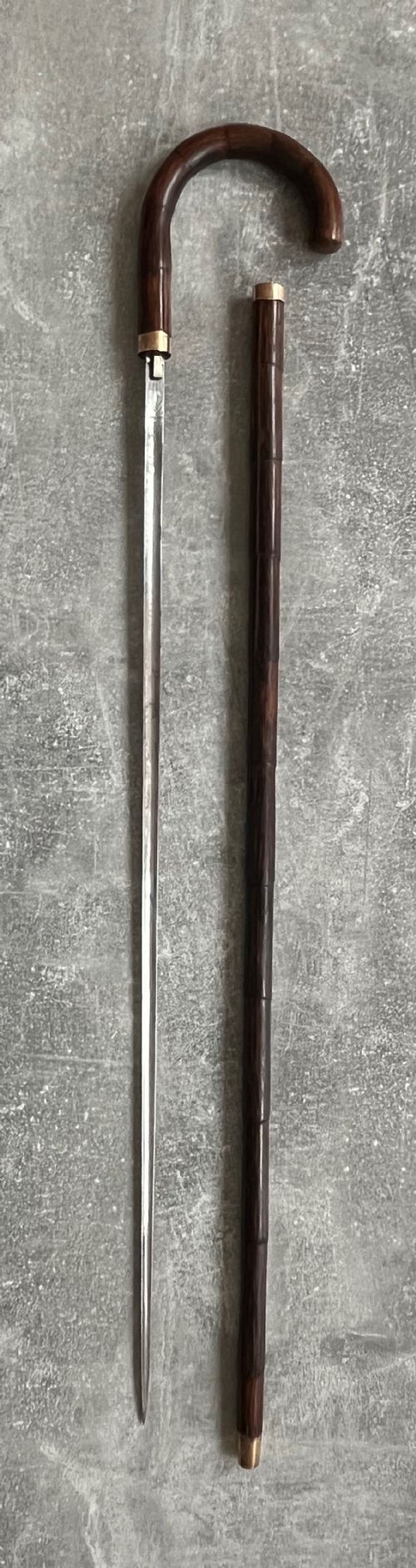
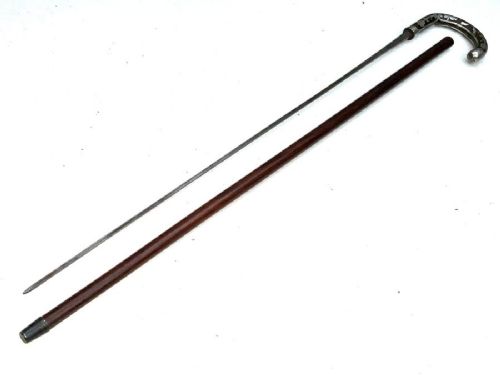
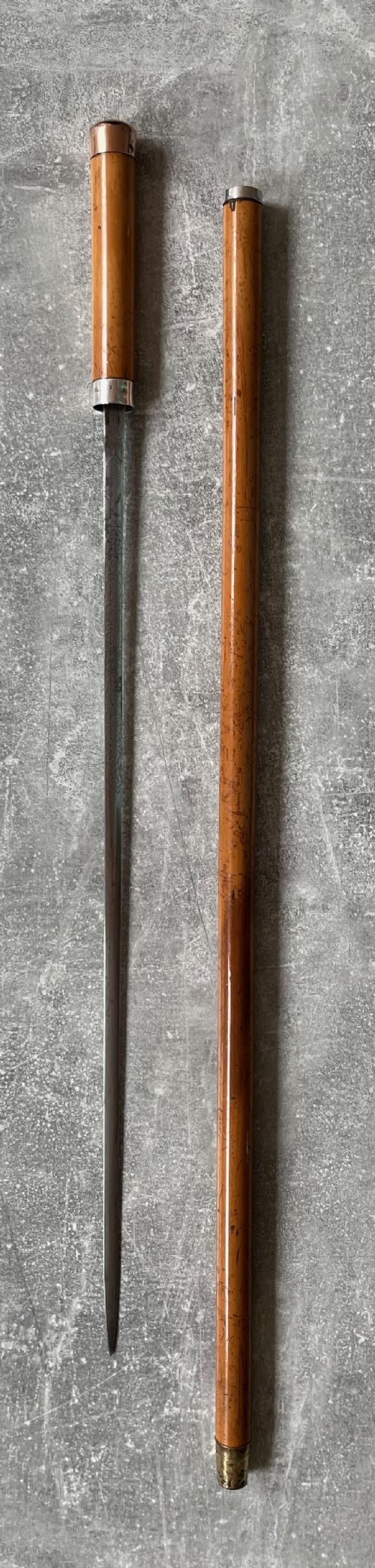
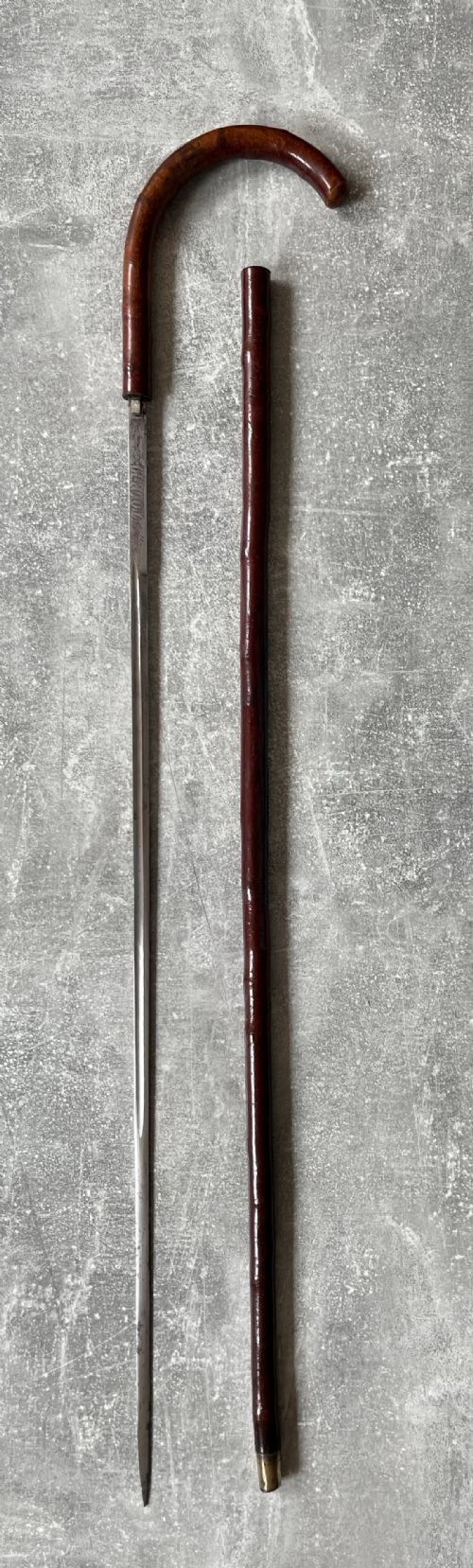
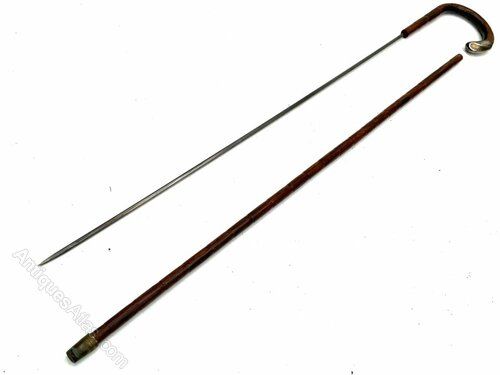
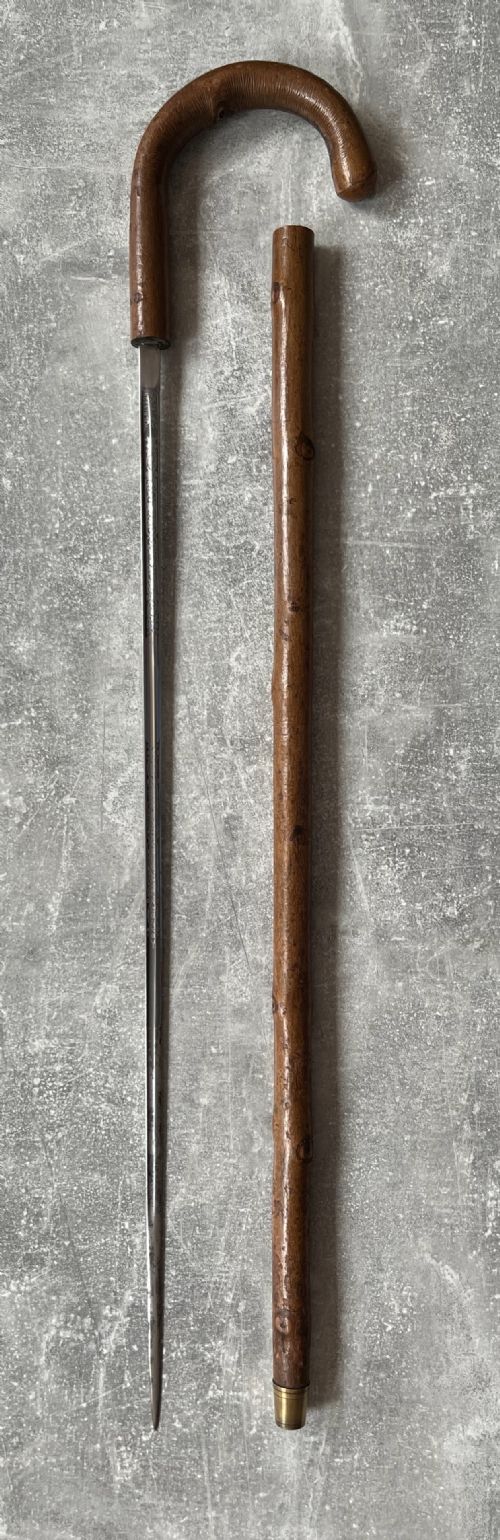
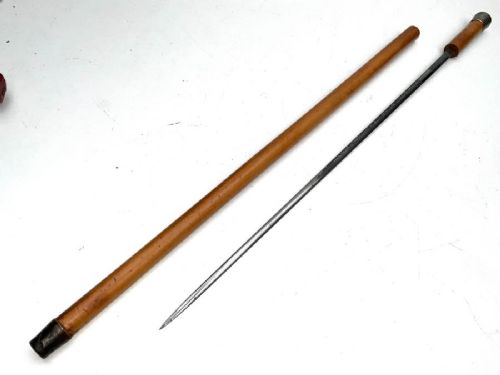
When you examine an antique weapon cane, you encounter walking sticks and sword sticks that conceal steel blades, clubs, or hammers beneath unassuming exteriors. These pieces date from the nineteenth century through the early twentieth century, spanning Victorian and Edwardian periods with occasional French and Oceanic examples.
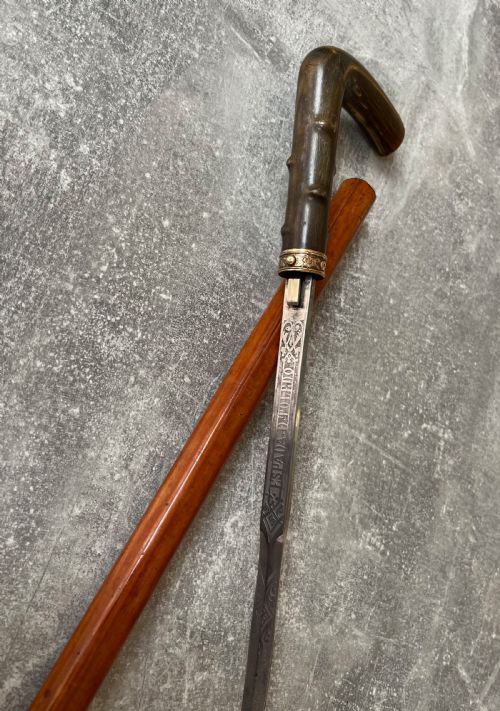
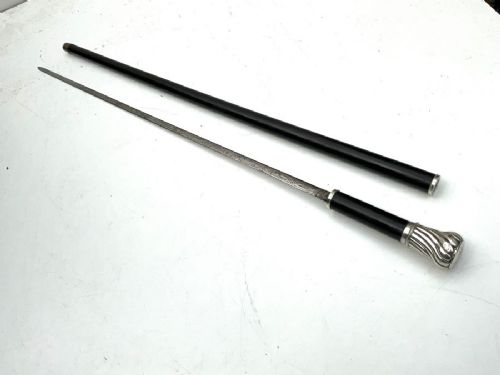
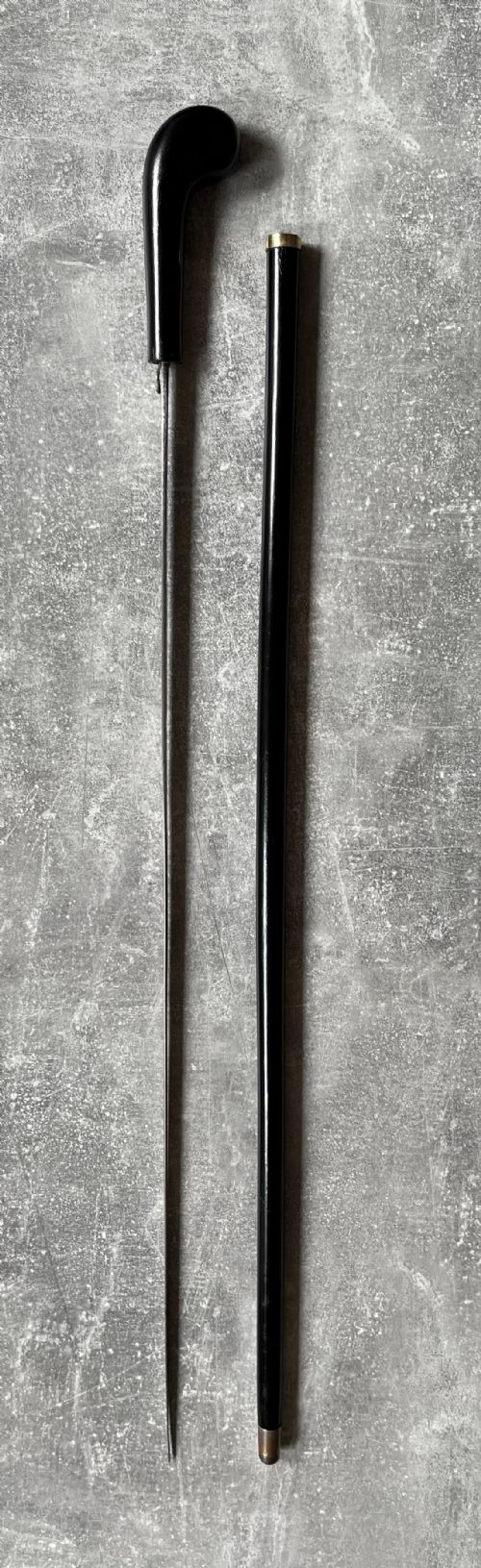
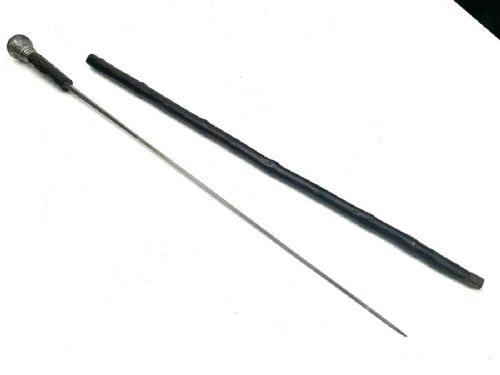
The most common versions on this page are timber shafts paired with concealed Toledo or Wilkinson blades, fitted with button releases or screw threads. You will also find tribal fighting clubs and walking sticks featuring horn, bone, or root-ended handles alongside silver and brass mounts.
Materials and construction
Makers fashioned shafts from malacca, bamboo, ebonised wood, cherrywood, partridge wood, hazel, holly, chestnut, and rosewood, sometimes covering them in leather or snakeskin. Handles incorporated horn, antler, porcelain, and root ball timber.
Internal blades utilised forged steel, frequently signed by makers such as Wilkinson or forged in Toledo, secured inside wooden or metal scabbards concealed within the walking stick shaft.
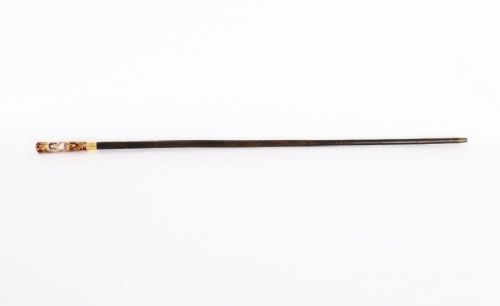
One French walking stick conceals its blade beneath a painted Sevres porcelain handle, proving that nineteenth-century diplomacy sometimes required fine dining aesthetics.
Factors of quality
Quality rests in the precision of the joinery between the handle and the shaft, where superior pieces close with a seamless, flush fit that conceals the internal blade entirely. The reputation of the steel blade, such as those bearing recognised maker signatures or etched decoration, elevates the standard.
Finer examples incorporate precious metal collars, hallmarked silver mounts, or intricate French porcelain and carved horn handles, contrasting with plain utilitarian military or civilian sticks.
BRIGG·Wilkinson
The Antique Weapon Cane Glossary
- Toledo blade
- A steel blade originating from Toledo, Spain, known for traditional swordsmanship quality and often etched along the fuller.
- Malacca
- A sturdy, mottled rattan cane imported from Southeast Asia, prized for its flexibility and strength as a walking stick shaft.
- Ebonised wood
- Timber treated with a dark stain or finish to imitate ebony, commonly used for nineteenth-century walking sticks.
- Knop
- A rounded knob or decorative handle fitted to the top of a walking stick or sword stick.
- Wilkinson blade
- A steel blade produced by the renowned British sword maker, sought after by collectors for its forging standard.
Antique Weapon Cane: Frequently Asked Questions
How do you release the hidden blade?
Most pieces utilise a simple button release mechanism set into the collar or a screw thread that unfastens the handle from the shaft.
Pulling the handle straight out reveals the concealed steel blade housed securely within the wooden body.
What woods were used for the shafts?
Craftsmen utilised resilient timbers including malacca, bamboo, partridge wood, hazel, holly, chestnut, and rosewood.
Some shafts feature ebonised finishes or coverings made from leather and snakeskin.
Are these sticks Victorian?
Many examples date from the Victorian era, spanning the late nineteenth century alongside Edwardian and early twentieth-century pieces.
French makers also produced similar walking sticks during the nineteenth century.
What is a tribal weapon cane?
Certain listings include Oceanic tribal artefacts, such as fighting clubs from Papua New Guinea.
These functional implements differ from European gentleman's sword sticks but serve a parallel defensive purpose.