


Hidden Blade Cane
A hidden blade cane is a discreet support housing a concealed steel sword, combining everyday gentlemanly attire with hidden self-defence.
Hidden Blade Cane
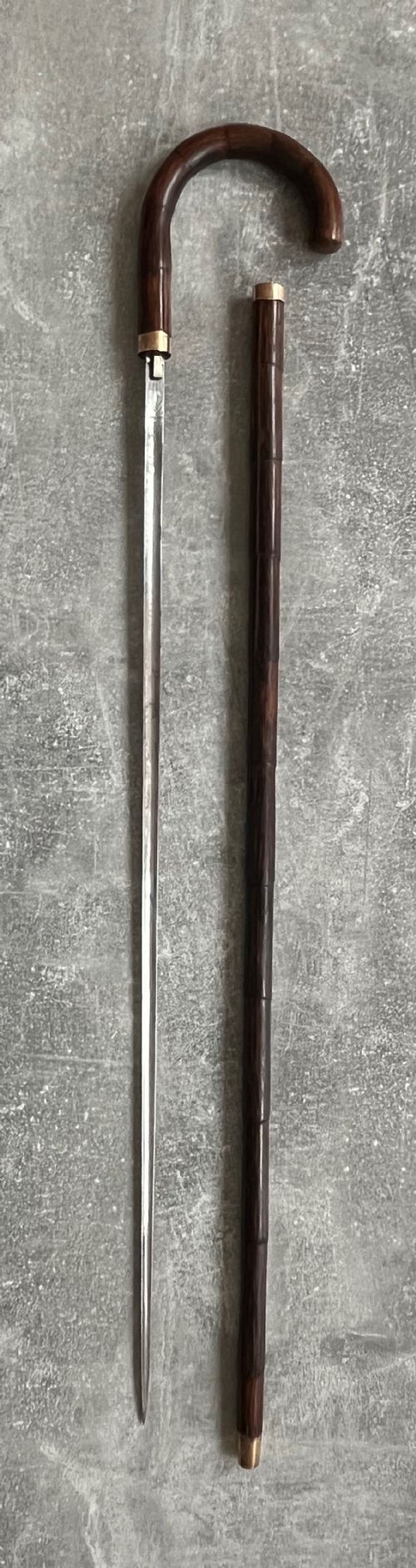
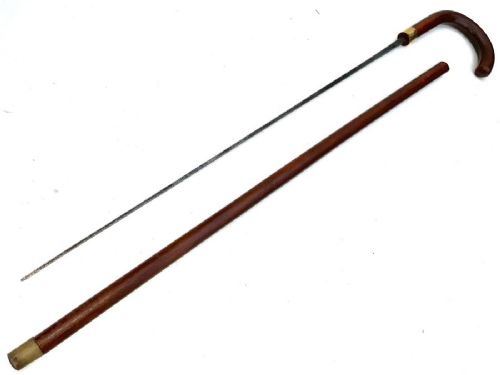
A hidden blade cane is an outwardly conventional walking stick designed with a concealed interior compartment holding a steel blade. When you examine these pieces, you encounter forms primarily originating from the late nineteenth century and the Edwardian period, alongside Victorian military or militia contexts.
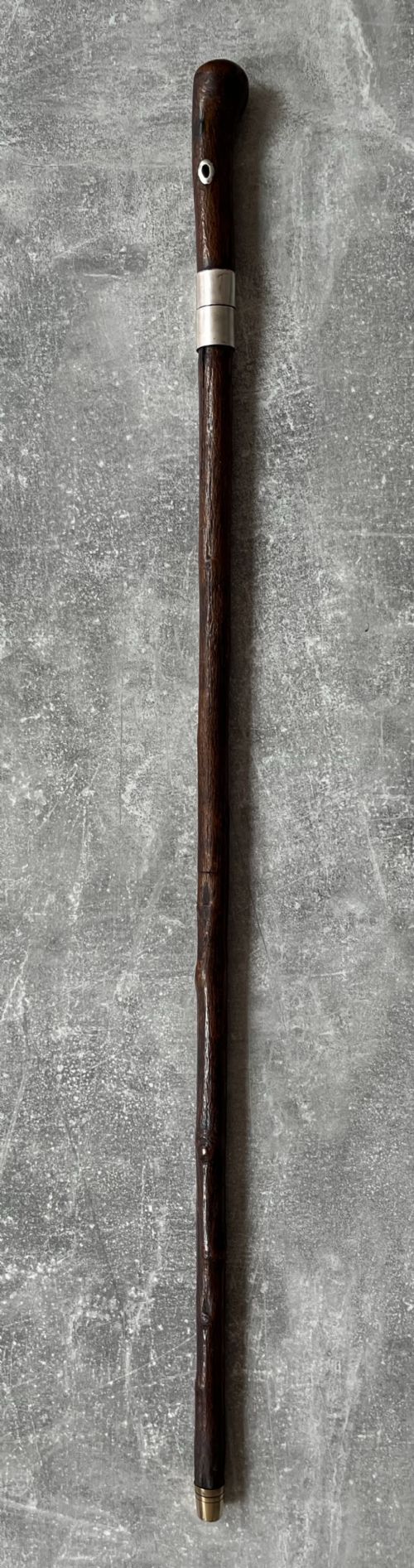
The versions you are most likely to meet on this page utilise materials such as bamboo, malacca, hazel wood, and hardwood for the exterior shaft. Handles vary considerably, ranging from crook shapes to silver horses heads, antler, bone pistol grips, and simple straight mounts.
Makers integrated various release mechanisms, such as button releases, to secure the blade inside the shaft until needed. These objects served military officers and civilian gentlemen alike as practical tools for support and personal protection during transit.
Materials and construction
The exterior shafts are built from natural materials including bamboo, faux bamboo, hazel wood, malacca, and hardwood, sometimes covered in snakeskin or styled with bone and antler handles. Craftsmen fitted these organic materials around internal channels designed to accommodate metal blades securely.
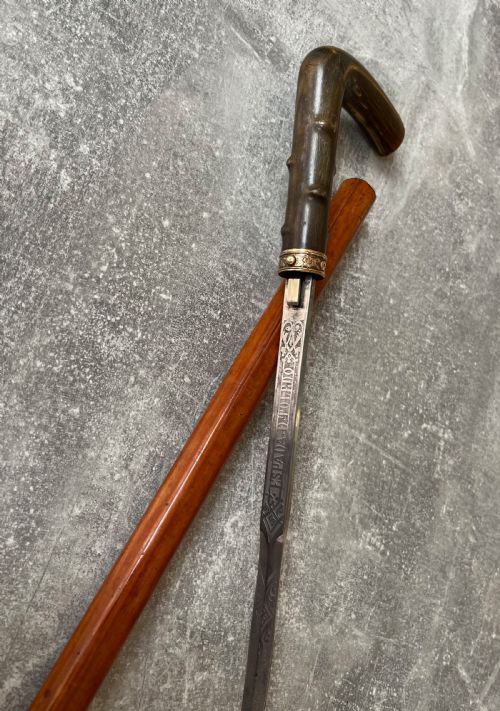
Blades are forged from steel, with several notable examples featuring etched Toledo blades originating from Spain. Metal and brass components frequently reinforce the collars and locking points, while silver is utilised for decorative handles.
Hidden Blade Cane Retail Price Guide 2026
Typical asking prices for hidden blade cane among the pieces listed under this phrase on Sellingantiques today, from the lower quarter to the upper quarter. They describe what is for sale here now, not the wider market.
Current listings feature pieces dated across the nineteenth century, 1890, 1900, 1910, and the Edwardian period, utilising bamboo, steel, brass, silver, bone, and hardwood.
Assessing quality and craftsmanship
Quality in a hidden blade cane rests upon the integration between the handle release mechanism and the fit of the blade within the wooden or bamboo shaft. Superior examples demonstrate a seamless closure where the shaft and handle meet without looseness or visible gaps.
The refinement of the materials dictates the tier of the piece, distinguishing standard utilitarian military items from those featuring carved bone pistol grips, silver animal heads, or intricately etched Toledo steel blades.
The Hidden Blade Cane Glossary
- Sword stick
- A walking cane containing a concealed blade housed within its shaft. It functions primarily as a walking aid while housing a pointed steel weapon.
- Toledo blade
- A steel blade produced in the city of Toledo, Spain, renowned historically for its metalworking quality and often etched for decoration.
- Swagger stick
- A short walking stick or cane carried by military officers, sometimes incorporating a hidden blade for personal use.
- Malacca
- A type of rattan cane featuring distinctive brown markings and nodes, highly prized in the nineteenth century for umbrella and walking stick shafts.
- Button release
- A mechanical catch operated by pressing a small button on the handle or collar to unlock and withdraw the concealed blade.
Hidden Blade Cane: Frequently Asked Questions
What is a hidden blade cane?
A hidden blade cane is a walking stick constructed to conceal a steel sword or dagger inside its main shaft. These items were designed for gentlemen and military officers needing discreet personal protection.
They appear in various nineteenth-century and Edwardian styles, using natural materials like bamboo, malacca, and hardwood for the outer casing.
How do you release the blade?
Many examples utilise a button release mechanism built into the collar or handle to unlatch the steel blade from the wooden or bamboo scabbard.
Others rely on screw threads or friction fits to keep the blade securely housed until the user pulls the handle.
Who carried hidden blade canes?
Military officers, gentlemen, and travellers carried these walking sticks during the Victorian and Edwardian eras for everyday support and self-defence. They offered a socially acceptable way to carry a weapon in public.
Officers often utilised swagger stick variants during their service.