
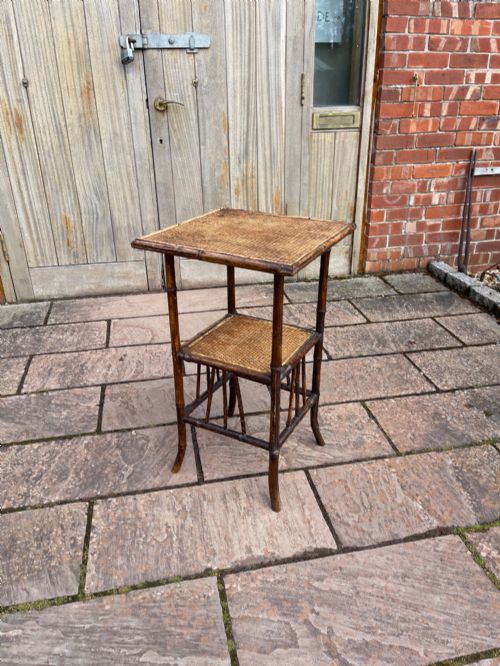


Antique Bamboo Cane
An antique bamboo cane brings organic texture and lightweight strength to an interior, spanning walking sticks, seating and occasional tables.
Antique Bamboo Cane
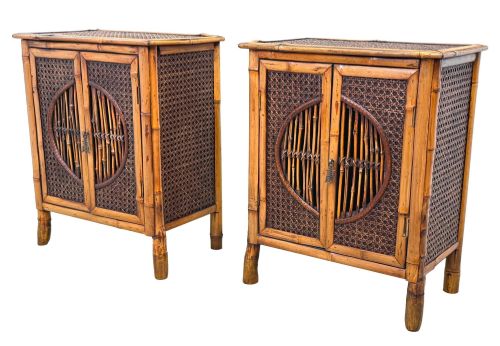
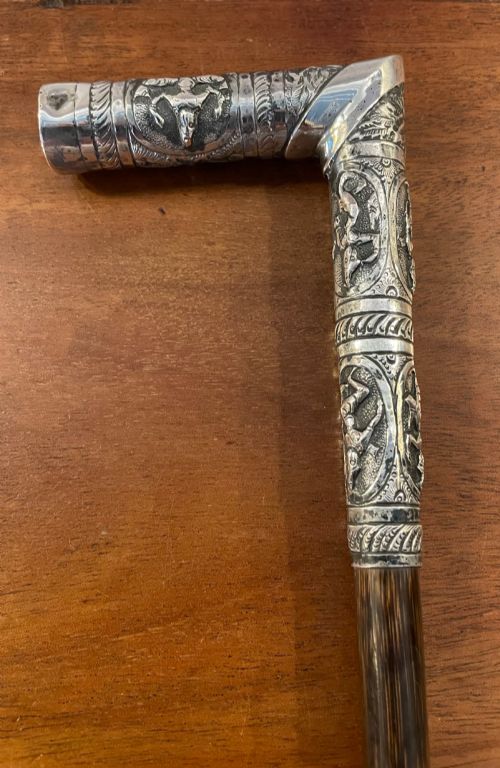
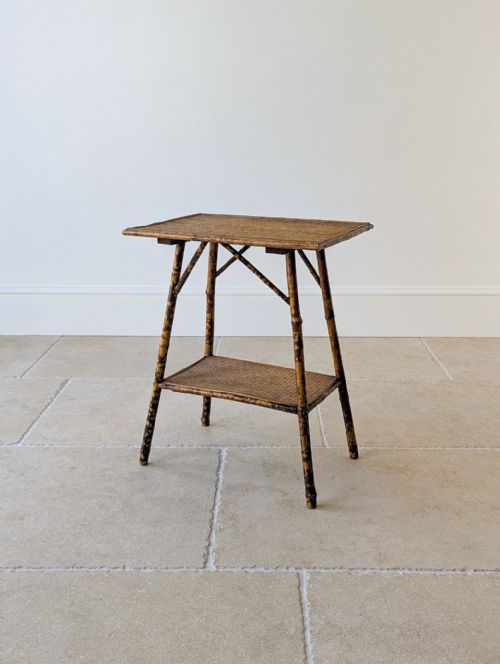
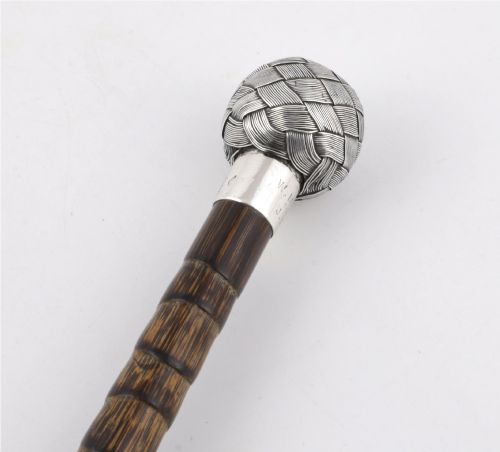
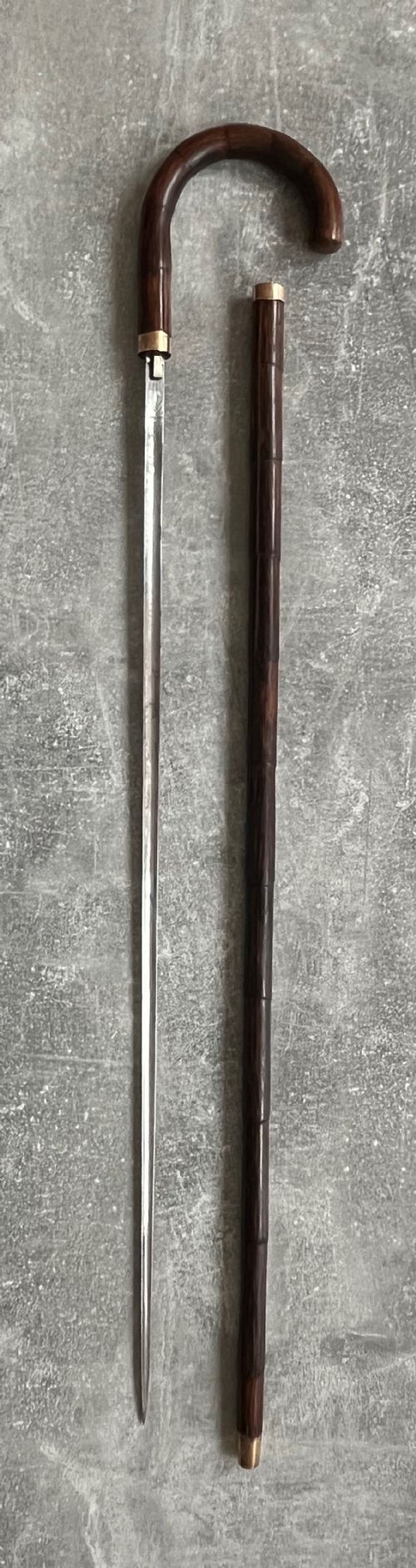
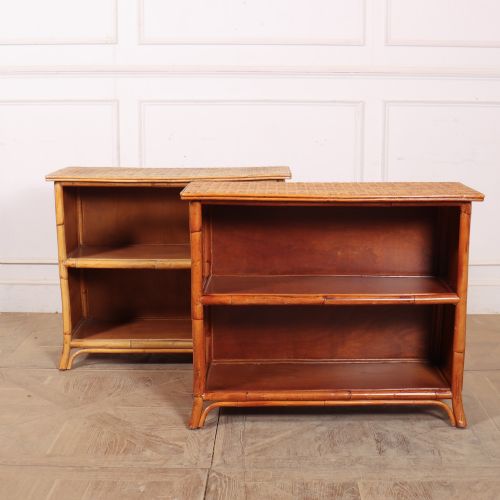
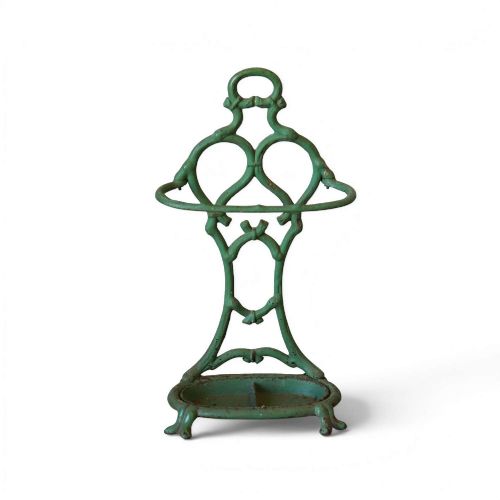
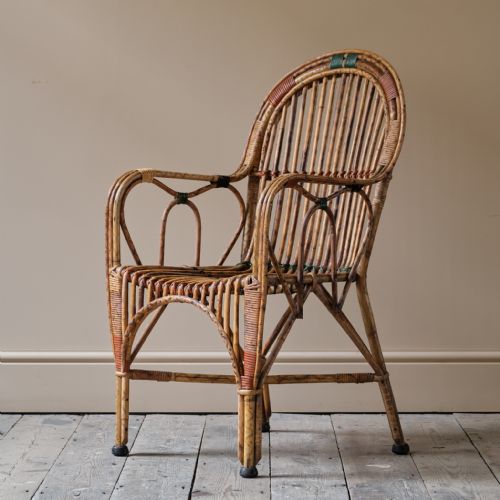
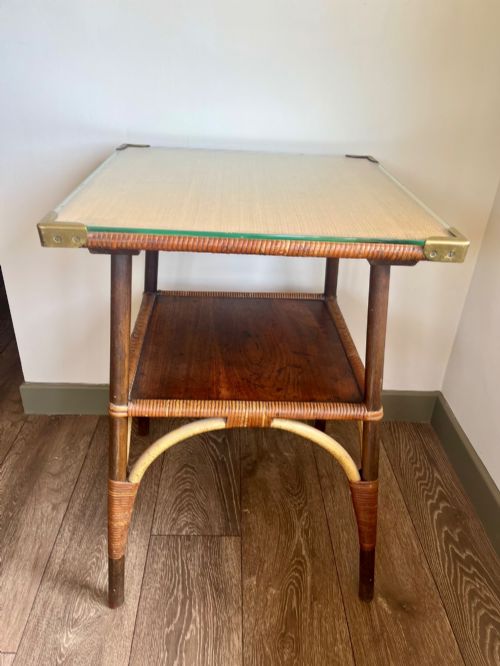
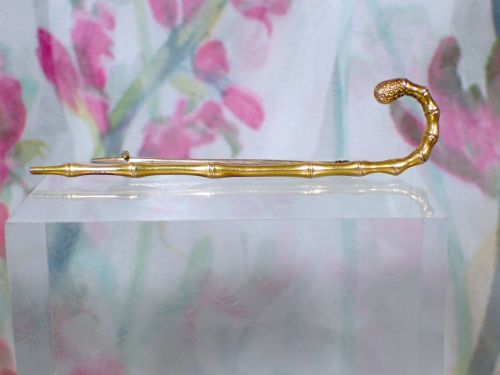
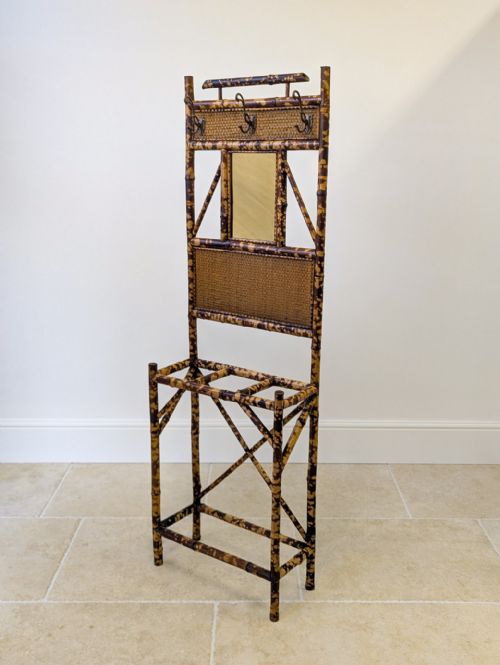
When you search for antique bamboo cane, you encounter a diverse range of furniture and accessories spanning the nineteenth and early twentieth centuries. The selection encompasses seating such as armchairs and side chairs, alongside functional hall stands, umbrella stands and occasional tables. Walking sticks and sword sticks mounted in silver or ormolu also appear frequently across the periods.
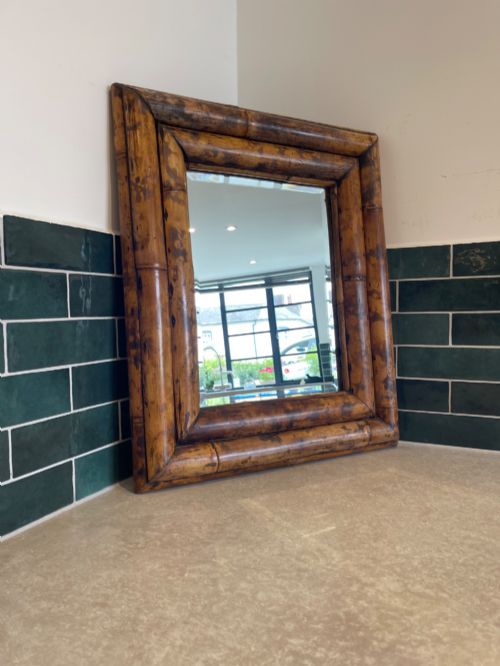
Victorian and Edwardian examples dominate the selection, often reflecting the Aesthetic Movement or Chinoiserie tastes. Makers utilised natural bamboo alongside painted faux bamboo finishes in wood, creating pieces that bridged British domestic interiors with Asian export styles.
How they were made
Craftsmen built these pieces using natural bamboo stems, rattan, and woven reed, frequently pairing them with structural timber frames finished with paint to simulate bamboo. Metal mounts in silver, ormolu, and cast iron added functional strength and decorative contrast to walking sticks and umbrella stands.
Joinery techniques involved careful binding with cane or wire, alongside turned wood components shaped to mimic segmented bamboo nodes. Surface treatments ranged from ebonised finishes to natural varnishes that protected the fibrous material.
Listings span from the Regency era through the Edwardian period, featuring materials like silver, rattan, and cast iron.
What varies in quality
Quality in an antique bamboo cane piece rests upon the structural integrity of the joints and the preservation of the natural or painted surface. Tighter node alignment and skilled cane work elevate a piece above standard utility items.
The presence of hallmarked silver mounts, original painted decoration, or integrated leather and woven reed panels distinguishes finer workshop productions from simpler domestic wares.
Liberty & Co·Jonathan Howell
The Antique Bamboo Cane Glossary
- Aesthetic Movement
- A late nineteenth-century design style emphasising visual beauty over narrative subject matter, frequently incorporating Japanese motifs and bamboo construction. It championed art for art's sake in domestic furnishings.
- Faux bamboo
- Wood turned, carved, and painted to imitate the segmented stalks of natural bamboo. This technique allowed cabinetmakers to achieve an exotic aesthetic using domestic timbers.
- Ormolu
- Gilt bronze mounts applied to furniture and walking sticks for decoration. It provided a polished metallic contrast against natural cane and bamboo surfaces.
- Rattan
- A palm-derived material utilised for flexible stems and woven seating panels. It offered durable pliability suited for chairs and loungers.
Antique Bamboo Cane: Frequently Asked Questions
How do I care for antique bamboo furniture?
Keep pieces away from direct heat sources and excessive moisture to prevent the natural bamboo or rattan from drying out and splitting.
Dust gently with a dry cloth and avoid harsh chemical polishes that can degrade the original surface finish.
Were faux bamboo items made at the same time as natural bamboo?
Cabinetmakers produced both natural and faux bamboo pieces concurrently throughout the nineteenth century, particularly during the Victorian and Aesthetic Movement periods.
Turned and painted wood offered a sturdy alternative for larger furniture frames that required greater load-bearing capacity than hollow bamboo stems.
What is an Aesthetic Movement bamboo table?
An Aesthetic Movement bamboo table reflects late nineteenth-century tastes inspired by Japanese design, often featuring ebonised surfaces or woven reed inserts.
These pieces served as tea tables or occasional furniture in artistic interiors, prioritising slender profiles and decorative linear patterns.
How can I date an antique walking stick?
Silver mounts often bear hallmarks indicating the assay office and year of manufacture, helping to pinpoint the exact date.
Stylistic details like metal ormolu handles, bone grips, and the presence of concealed blades also point toward specific Victorian or Edwardian production periods.