


Dark Handle Walking Stick
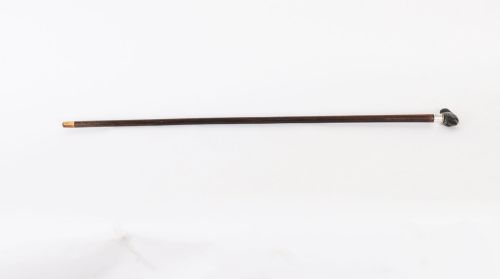
A dark handle walking stick brings together functional support and distinctive metal, horn or porcelain grips from the Victorian, Edwardian and Art Deco eras.
Dark Handle Walking Stick
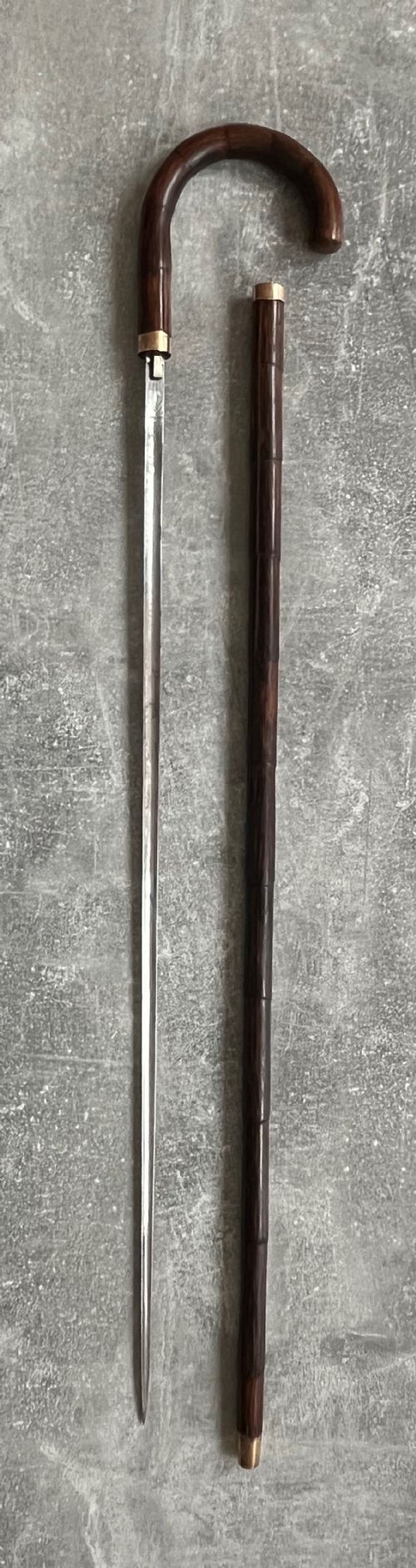
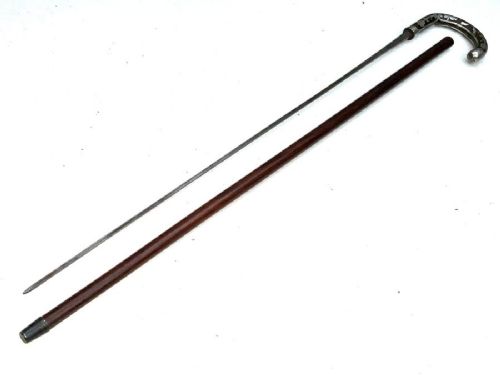
A dark handle walking stick serves as both a traditional walking cane and a decorative accessory spanning the nineteenth and early twentieth centuries. These pieces appear across Victorian, Edwardian, Art Deco and Art Nouveau periods, often incorporating concealed blades or mechanical compartments.
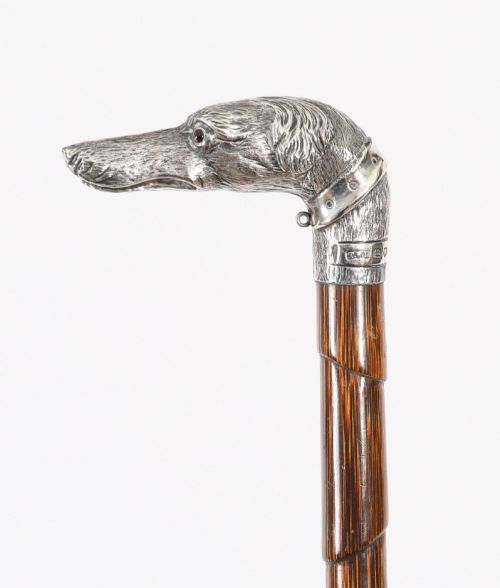
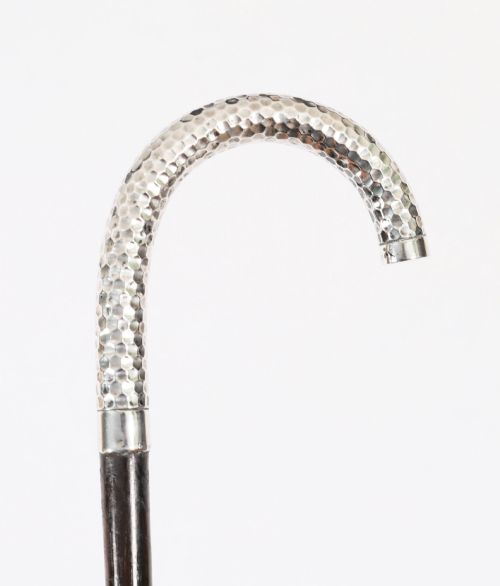
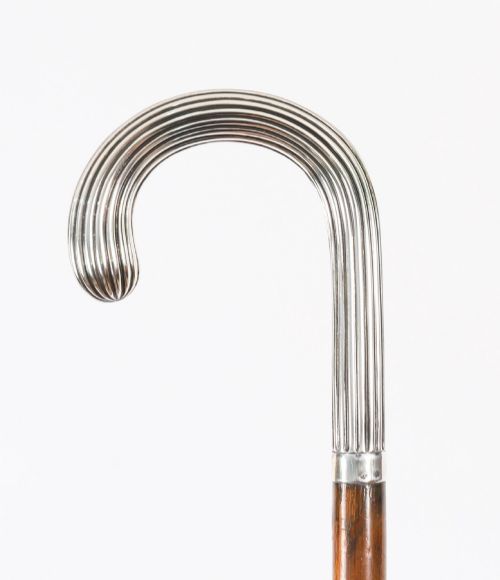
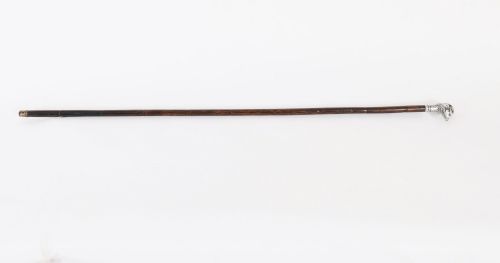
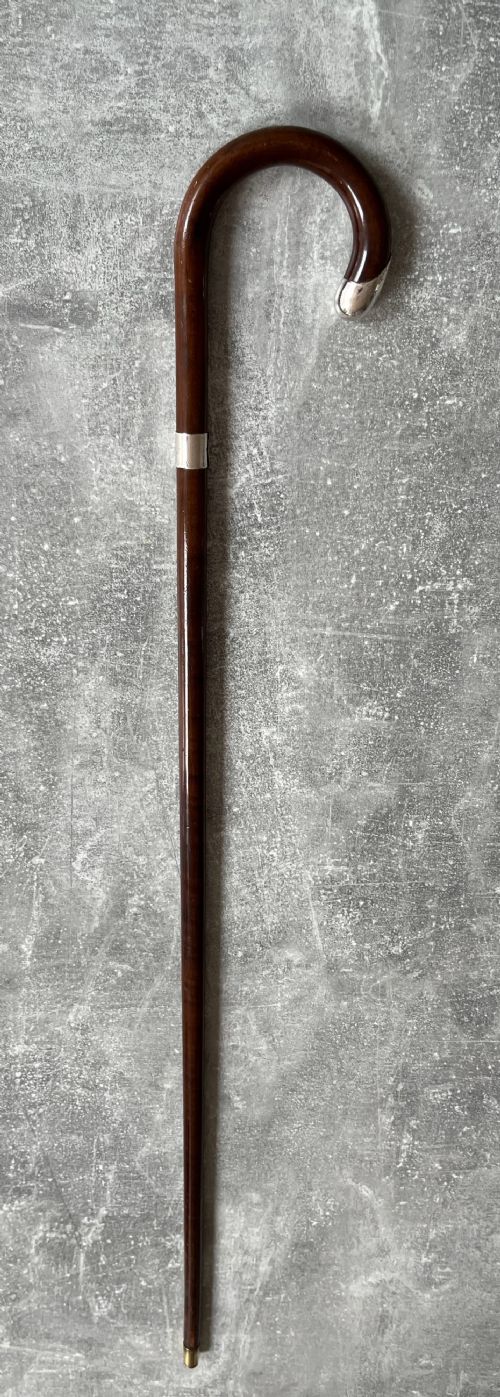
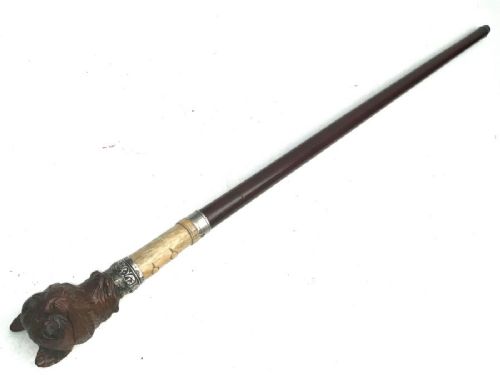
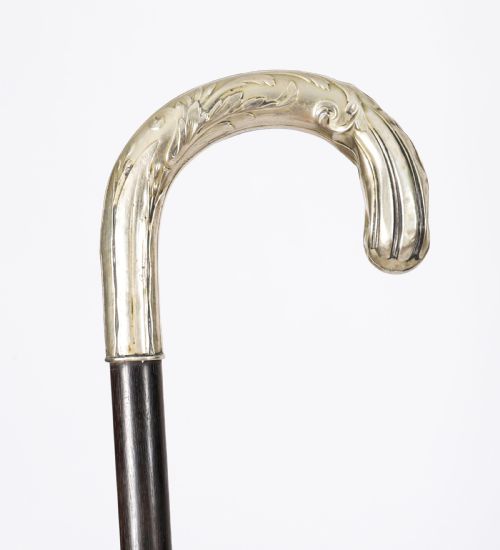
The most common examples on this page feature silver mounts, duck or greyhound animal heads, and porcelain or horn grips mounted on hardwood shafts. Such canes reflect the formal attire and personal gadgetry favoured by gentlemen of the period.
Materials and construction
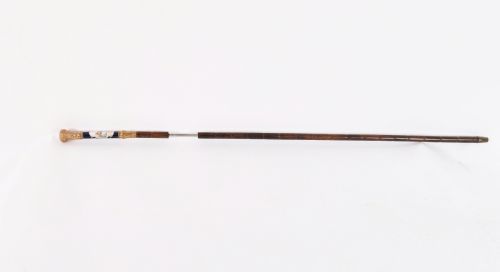
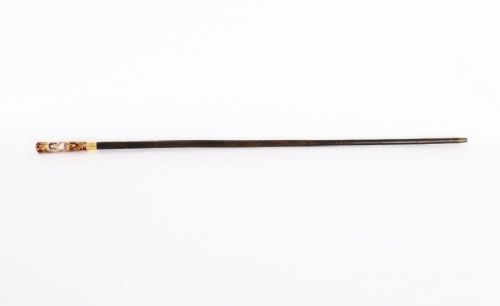
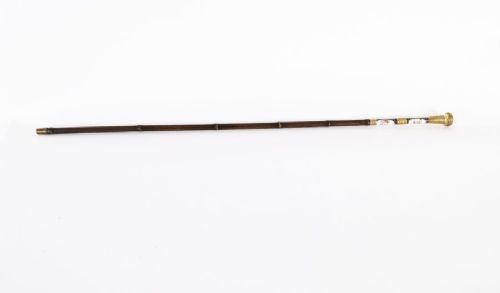
Craftsmen built these walking sticks using sturdy timbers such as partridge wood, malacca, rosewood, bamboo and palm wood, frequently fitted with steel Toledo blades or internal mechanisms. Handles were fashioned from carved horn, bone, porcelain and hardwood, secured to the shaft with silver collars or gold-plated mounts.
Metalwork involved silver plating, gold plating and intricate damascene inlay, whilst porcelain elements often bore Sevres markings. Artisans combined these disparate materials to create durable supports that doubled as fashion statements or concealed personal defence items.
Materials recorded on this page include silver, brass, porcelain, horn, steel, gold plate and diverse hardwoods.
Assessing quality and craftsmanship
Quality rests in the finesse of the handle carving and the integration of any mechanical or concealed elements, such as working snuff boxes or hidden sword blades. Finely cast silver animal heads and detailed porcelain grips separate standard utility canes from bespoke examples.
The choice of shaft material and the precision of the silver mounts or collars dictate the overall integrity of the piece. Superior specimens display balanced proportions, robust joinery between grip and shaft, and well-preserved plating or natural horn.
BRIGG
The Dark Handle Walking Stick Glossary
- Sword stick
- A walking cane containing a concealed steel blade within its shaft. These pieces often feature release mechanisms hidden beneath the handle.
- Sevres porcelain
- Fine ceramic material produced by the French factory, utilised here for decorative cane handles. These porcelain grips frequently feature hand-painted details.
- Damascene
- The art of inlaying different metals into a dark steel background to produce intricate patterns. This technique appears on specialised palm wood walking sticks.
- Malacca
- A sturdy rattan cane imported from Southeast Asia, prized for its mottled brown surface and strength. It forms the shaft for many silver mounted walking sticks.
- Blackthorn
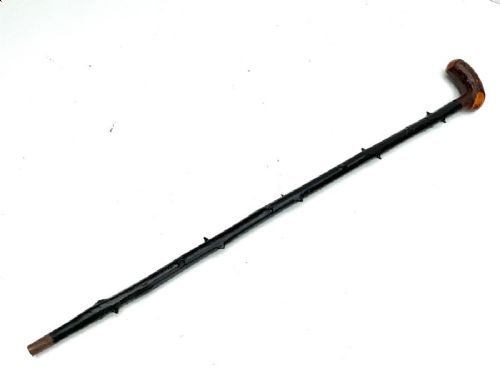
- A dense Irish hardwood traditionally utilised to fashion rustic walking sticks. These natural stems retain a knobbly profile.
Dark Handle Walking Stick: Frequently Asked Questions
How do I date a walking stick?
Dating relies on stylistic markers from periods such as the Victorian, Edwardian or Art Deco eras. Silver mounts often bear hallmarks that pinpoint the exact year of manufacture.
Materials and construction techniques, including the presence of Toledo steel blades or Sevres porcelain, also help establish the historical context of the piece.
Were all sword sticks used as weapons?
Many sword sticks were carried by gentlemen during the nineteenth century primarily as a precaution against urban hazards or highwaymen. The concealed blade provided a discreet means of personal protection.
Over time, these items evolved into novelty accessories and collectibles rather than active defensive tools.
What woods are used for shafts?
Makers utilised a variety of dense timbers including partridge wood, rosewood, palm wood and malacca. Bamboo and faux bamboo were also popular choices for their lightness and rigidity.
Irish blackthorn provided a more rustic appearance, whilst specific woods were selected to complement the weight of the metal or horn handles.