


19th Century Sword Stick
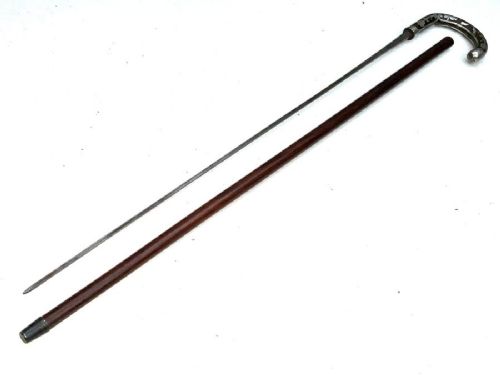
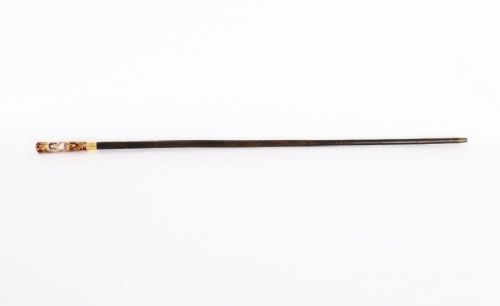
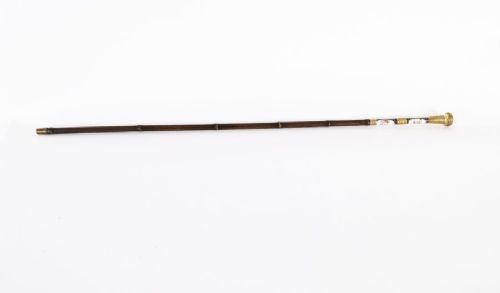
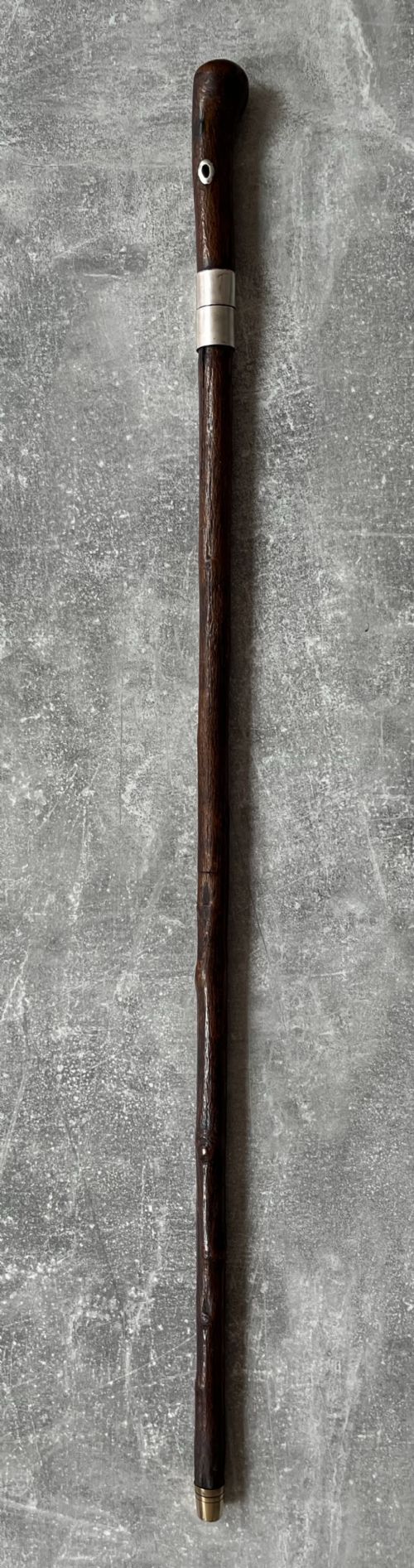
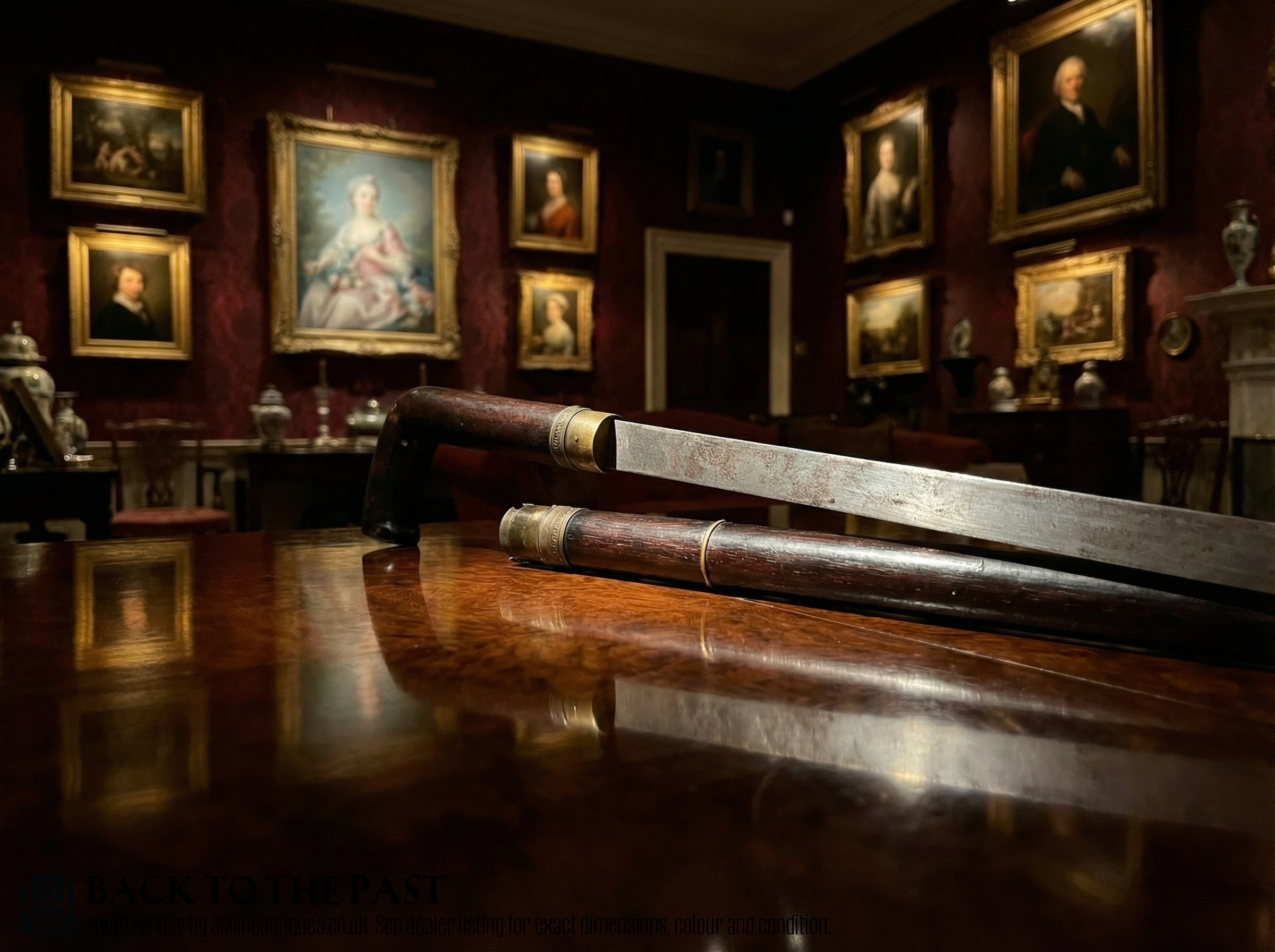
These 19th century sword stick examples are discreet personal defence pieces combining functional walking canes with concealed steel blades.
Identifying 19th Century Sword Sticks
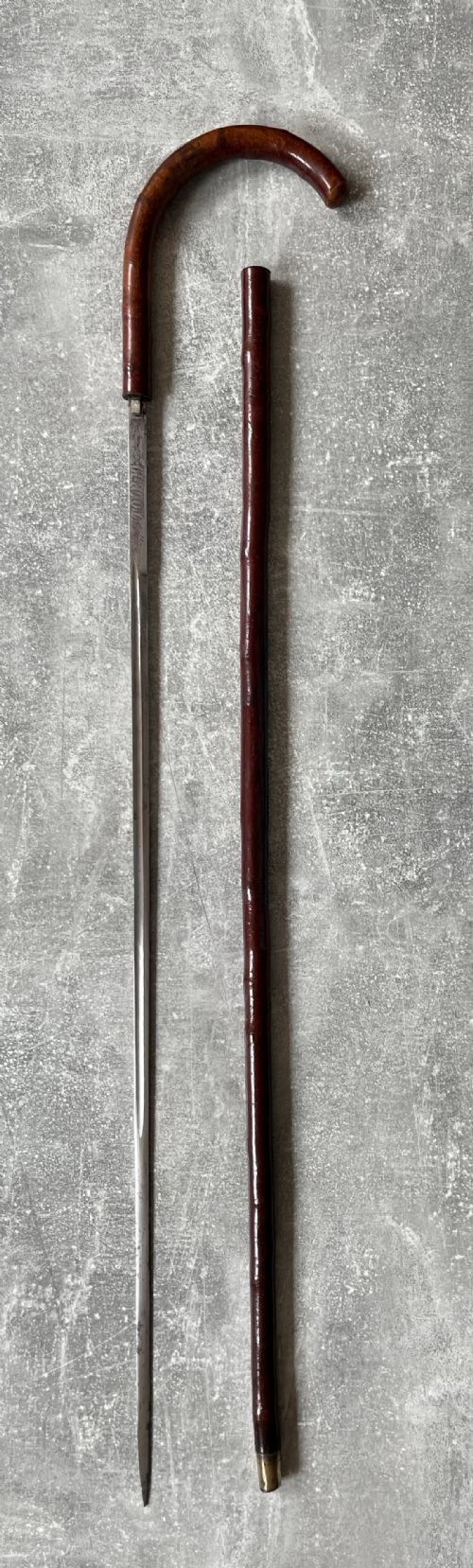
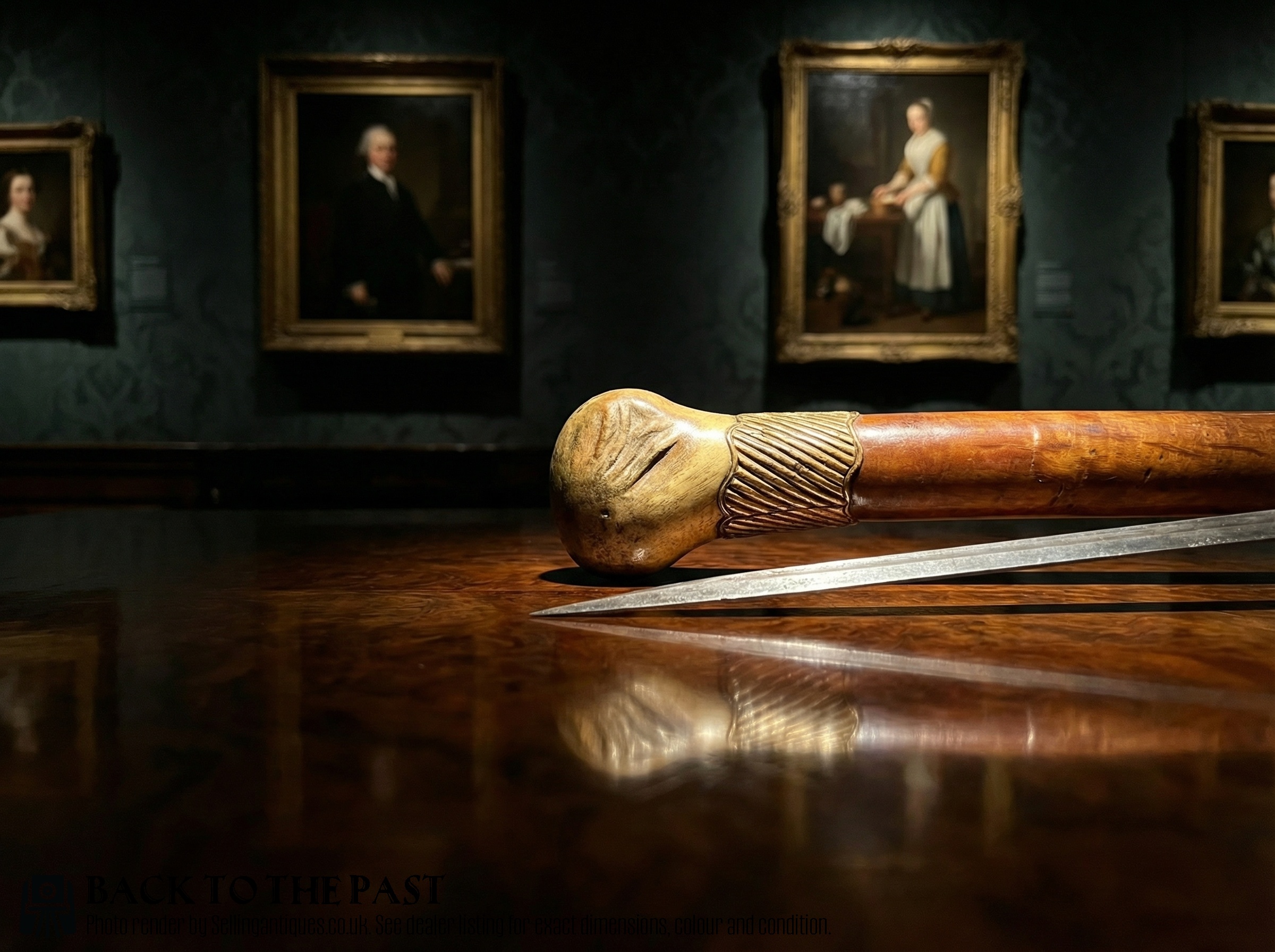
A 19th century sword stick serves as an everyday walking cane while housing a hidden blade beneath the handle and shaft. The selection spans Victorian pieces alongside French, German, and Imperial Russian examples.
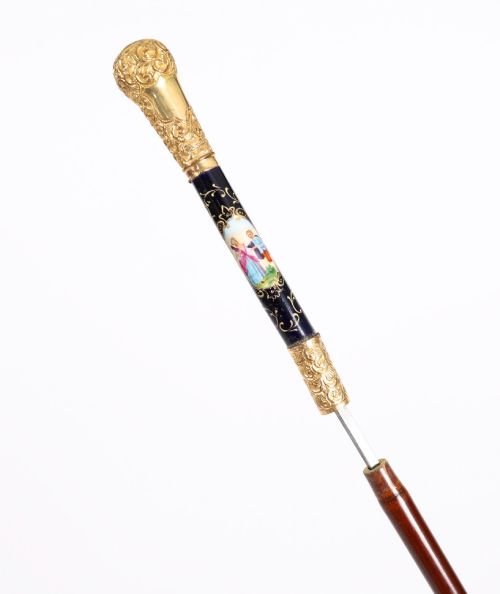
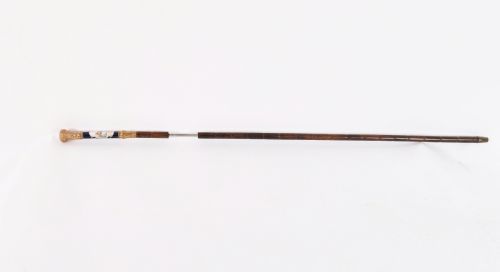
Most entries utilise timber shafts paired with steel blades, appearing in forms such as cherrywood, blackthorn wood, and malacca cane. Handles vary significantly, incorporating silver collars, horn, antler, porcelain, and carved horse heads.
Makers and origins range from English workshops to French and Warsaw makers, producing both plain utility items and ornate gentleman accessories with embossed or plated mounts.
Materials and Construction
Craftsmen built these pieces using natural timbers like malacca, oak, mahogany, briarwood, and ebonised wood to form the exterior housing. Steel forms the concealed blades, sometimes specifically sourced from Toledo.
Mounts and handles integrate metals such as silver, brass, gilt metal, and silver plating. Additional decorative elements incorporate porcelain, horn, and carved bone or wood.
Retail Price Guide 2026
Typical UK retail prices for 19th century sword stick, calculated from the Sellingantiques database of over a million retail prices indexed since 2003. This retail price guide relies exclusively on Sellingantiques data; no external sources or auction records are used, so the figures do not describe the wider market.
The listings show materials ranging from simple cherrywood and blackthorn to silver, porcelain, and Toledo steel.
Grading Quality and Craftsmanship
Superior examples demonstrate precision engineering in the locking mechanism between the handle and shaft, ensuring a seamless exterior line. Inferior versions show loose joins and poor alignment when closed.
The choice of materials dictates the upper tier of pieces, where solid silver repoussé handles, marked silver collars, and signed steel blades elevate the work above standard utilitarian timber shafts.
BRIGG
The 19th Century Sword Stick Glossary
- Malacca
- A sturdy rattan cane imported from Southeast Asia, prized for its mottled brown finish and strength in sword stick shafts.
- Collar
- The metal band fitted immediately below the handle of a cane, frequently bearing silver hallmarks or maker marks.
- Ebonised
- Wood treated with a dark finish to imitate expensive ebony.
- Repoussé
- Metalwork hammered into relief from the reverse side to create decorative patterns on silver handles.
- Toledo blade
- A steel blade forged in the Spanish city renowned for weapon-making traditions.
Frequently Asked Questions
How do you release the hidden blade?
Most pieces rely on a twist-lock or a spring catch mechanism integrated just beneath the handle. Twisting or pulling firmly separates the shaft from the grip.
Regular use requires keeping the internal locking channels clean to ensure the mechanism releases smoothly without sticking.
Were these used for self-defence?
Gentlemen carried them during the Victorian period as a practical precaution against street crime and aggressive stray animals. The concealed steel blade provided unexpected protection.
Over time, they evolved from purely functional items into status symbols and collector curiosities.
How do I identify French pieces?
French examples often incorporate distinctive decorative elements like Sevres porcelain sections, ornate gold plating, or specific regional metalwork styles. Makers in France focused heavily on decorative handles.
Examining the silver or metal assay marks can also reveal continental European origins compared to English or German equivalents.
What woods are most common?
Malacca is the most frequently recorded timber across surviving archive pieces, valued for its durability and distinctive mottled appearance. Cherrywood, blackthorn, and briarwood also appear regularly.
Darker finishes like ebonised wood and oak provide alternative textural options for the exterior shaft.