



Black Wood Walking Cane
A black wood walking cane is a dependable accessory combining dark timber with metal or horn, offering traditional support and distinct character.
Black Wood Walking Cane
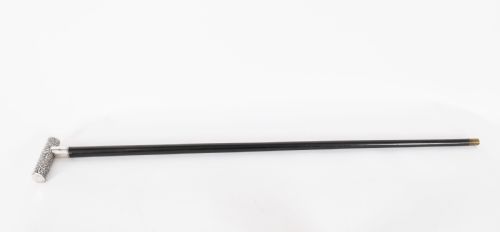
A black wood walking cane serves as a traditional aid or formal accessory, frequently featuring dark finishes or natural blackthorn. The pieces available here span the Victorian era and the late nineteenth to early twentieth centuries, reflecting the period's preference for functional elegance.
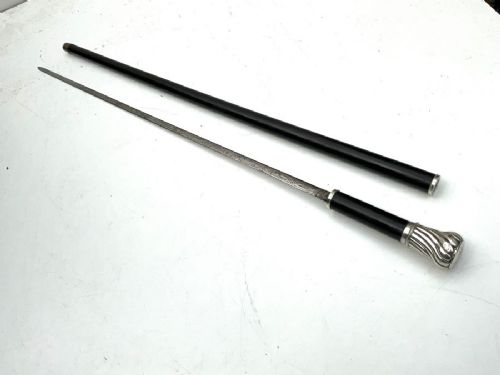
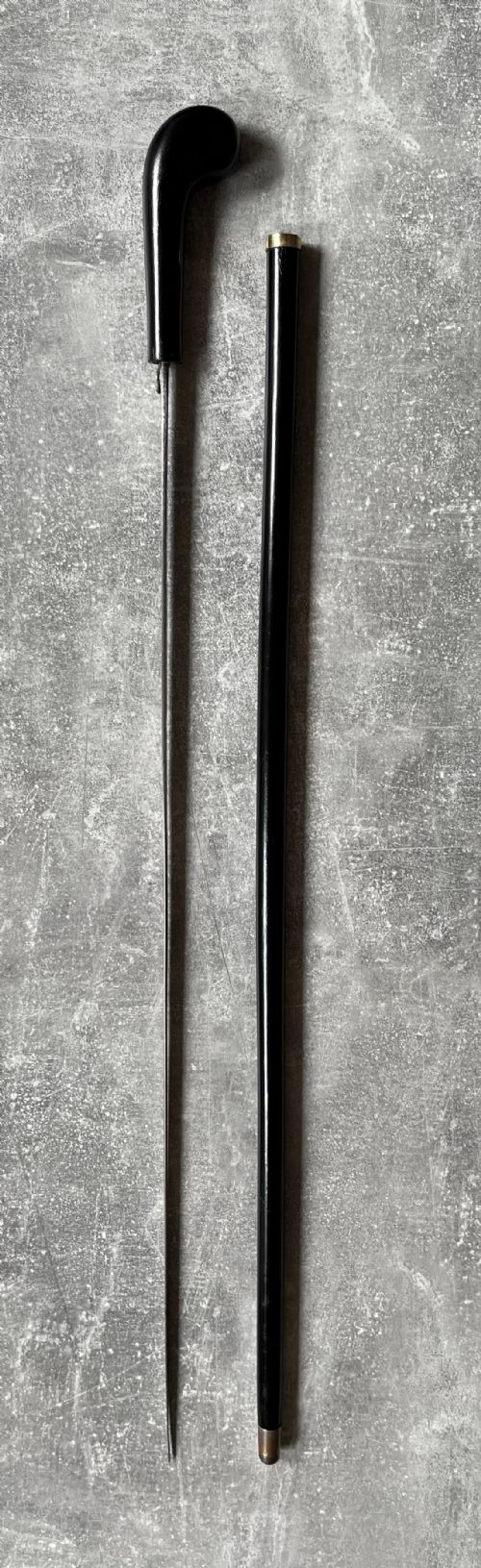
Most examples combine ebonised wood or hardwood shafts with contrasting handles made from silver, brass, or horn. Makers from this era also produced specialised forms, including timber flute sticks and concealed sword sticks.
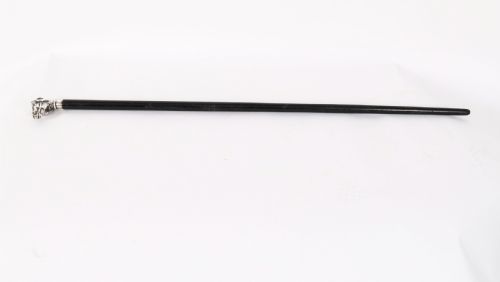
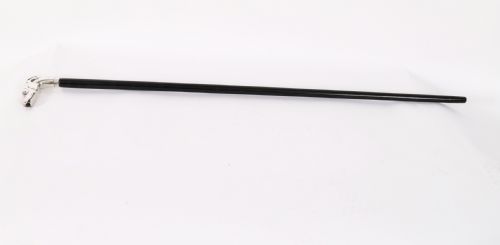
Origins range across English, French, Chinese Export, Black Forest, and Imperial Russian workshops. Buyers find both plain gentleman's sticks and elaborate novelty designs depicting animal heads like horses, greyhounds, boars, and dogs.
Materials and Construction
Construction relies on durable timbers such as ebonised wood, blackthorn, and various hardwoods to form a sturdy shaft. Ebonisation darkens standard wood to imitate expensive ebony, creating a uniform black finish.
Handles and mounts incorporate metals like silver, brass, steel, and metal alloy, often secured to the timber shaft with internal pins or collars. Specialised pieces integrate functional steel blades or musical mechanisms within the wooden body.
Current listings feature nineteenth-century and early twentieth-century examples incorporating silver, ebonised wood, blackthorn, and steel.
Assessing Quality and Craftsmanship
Quality shows in the detail and execution of the handle, particularly in embossed silver work and carved animal heads. Finer pieces display crisp casting and careful hand-chasing on metal mounts rather than simple stamped decoration.
The integrity of the timber shaft and the precision of any concealed mechanisms, such as sword blades or flute joints, determine the overall standard of the piece. Balance and weight distribution also separate everyday utility sticks from high-status dandy accessories.
The Black Wood Walking Cane Glossary
- Ebonised Wood
- Timber treated with a black stain or finish to resemble ebony. This technique allowed makers to produce uniform dark shafts using more accessible domestic woods.
- Blackthorn
- A dense, tough hardwood traditionally used for Irish walking sticks. It often retains natural knots and a rugged texture along the shaft.
- Sword Stick
- A walking cane containing a concealed steel blade within the shaft. These pieces feature a locking mechanism to secure the blade safely inside.
- Novelty Cane
- A walking stick featuring a decorative handle shaped like an animal head or figure. These designs were popular status symbols during the Victorian period.
- Hallmark
- An official stamp applied to precious metals indicating purity and origin. Silver mounts on these canes frequently bear hallmarks that help date the piece.
Black Wood Walking Cane: Frequently Asked Questions
Are these walking canes suitable for daily use?
Most antique canes function adequately as walking aids, provided the wooden shaft and ferrule remain sound. However, delicate novelty handles or pieces with concealed blades are better suited for collection and display.
Buyers intending to use a cane regularly should check the structural stability of the join between the handle and the shaft.
How do I identify a Victorian black wood cane?
Victorian examples typically date from the nineteenth century and often feature ebonised wood shafts paired with embossed silver or metal handles. Stylistic clues include naturalistic animal carvings and detailed metalwork characteristic of the period.
Examining any silver mounts for hallmarks provides a reliable method for determining the exact year and place of manufacture.
What is the purpose of a sword stick?
A sword stick conceals a steel blade inside the wooden shaft, functioning as both a walking aid and a personal defence tool. They were carried by gentlemen in urban environments during the nineteenth century for added security.
The blade is typically released by unscrewing or unlatching the handle from the top of the shaft.
How should I store and care for an antique cane?
Keep the cane in a stable environment away from direct sunlight and extreme humidity to protect the wood and metal components. Applying a suitable wax to wooden shafts helps prevent the finish from drying out over time.
Avoid leaning heavy weight on antique pieces, particularly those with delicate carved or silver handles.