
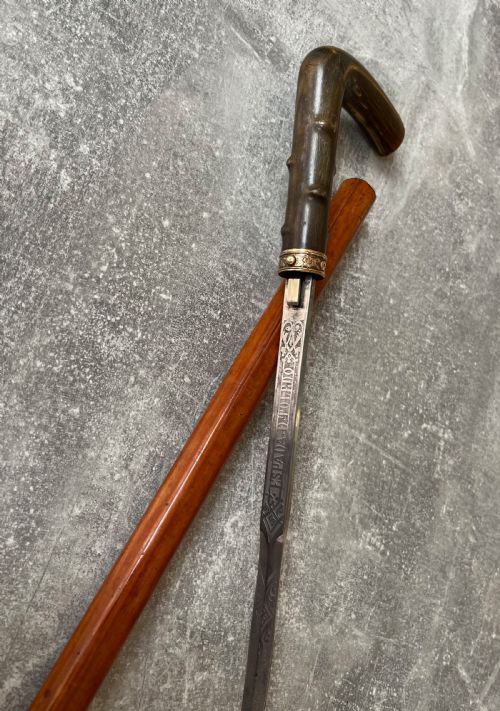


Victorian System Cane
A victorian system cane combines everyday support with concealed utility, offering gentlemen discreet mechanical compartments or hidden blades.
Victorian System Cane
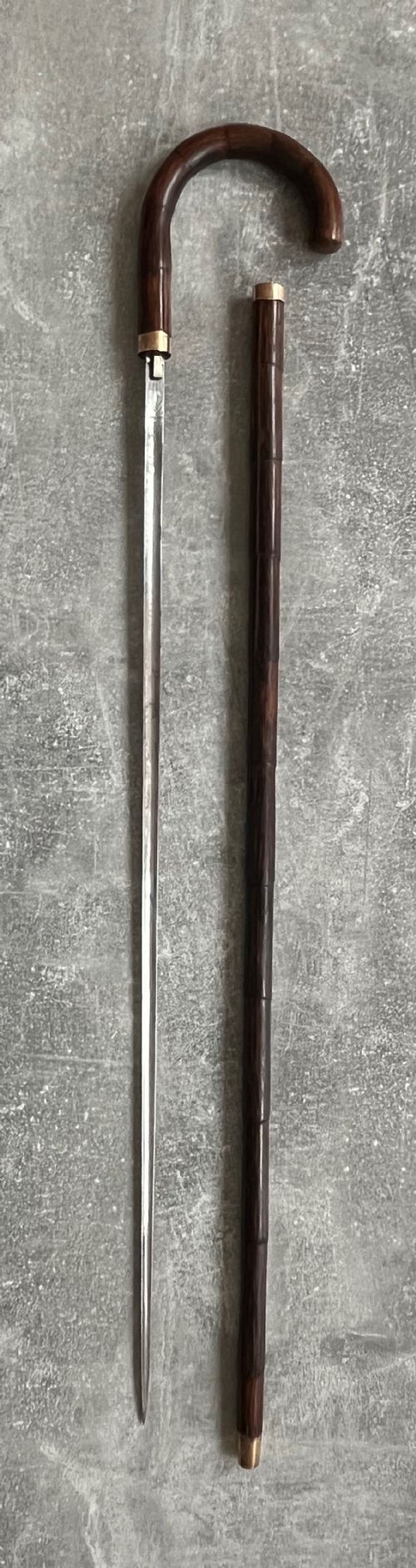
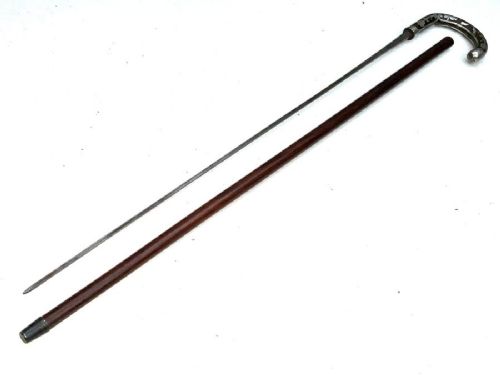
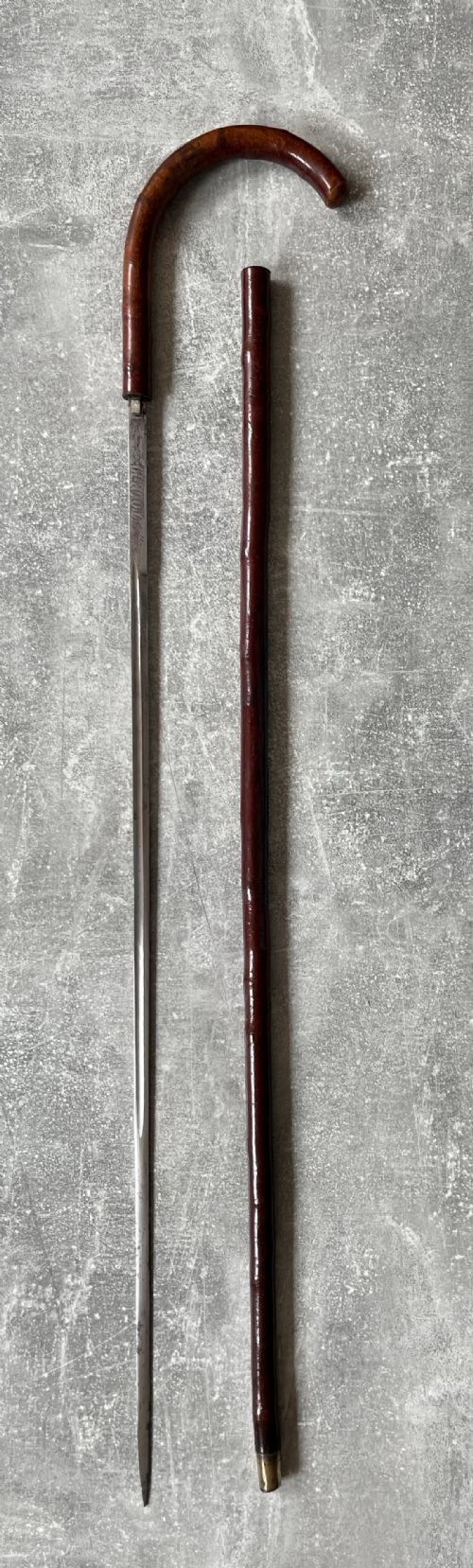
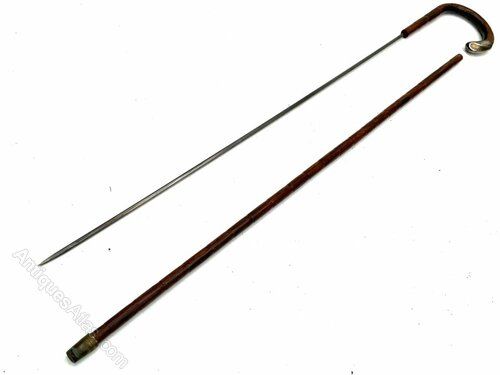
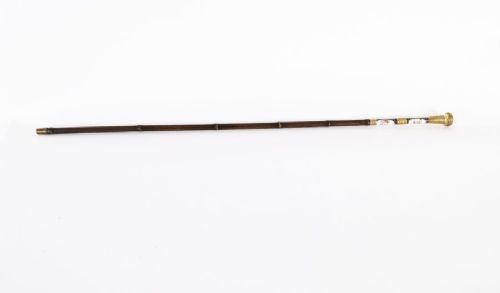
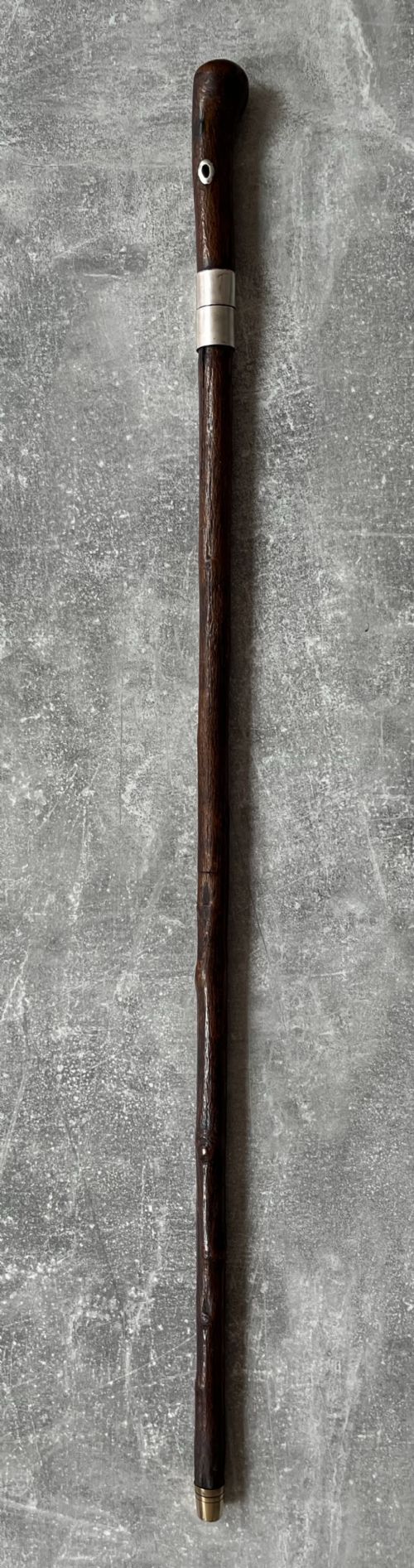
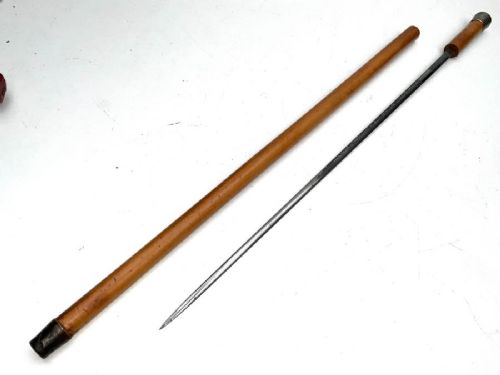
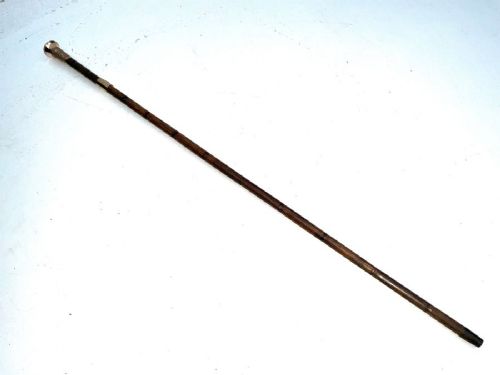
When you examine a victorian system cane, you are looking at walking sticks fitted with functional concealed elements such as blades, watch movements, or snuff boxes. Most examples found here originate from the nineteenth century through to the early decades of the twentieth century.
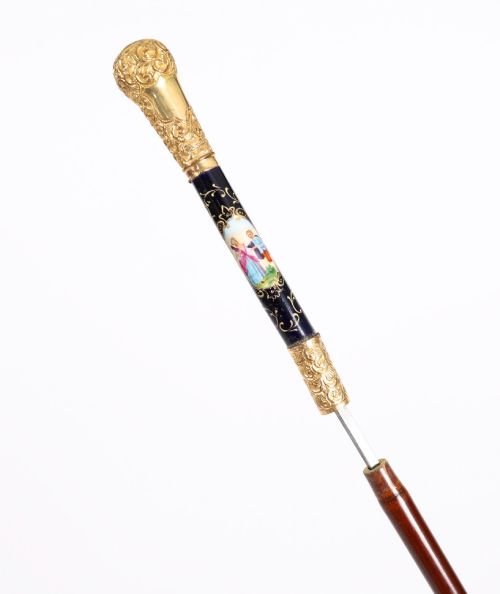
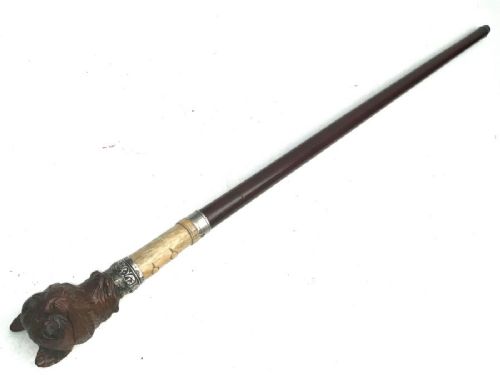
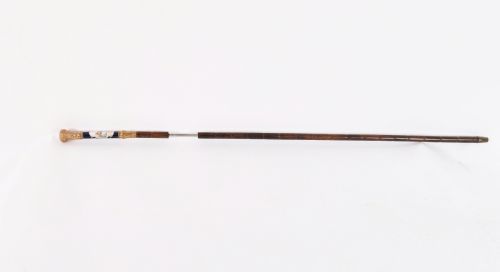
Masonic emblems, military associations, and French porcelain details frequently appear among these historical pieces. Buyers encounter both plain utilitarian designs and elaborate decorative versions equipped with button release mechanisms.
Materials and construction techniques
Natural woods such as malacca, partridge wood, hazel, and cherrywood form the primary shafts of these items. Artisans fitted these shafts with metal blades, often utilising Toledo steel, alongside brass, silver, and horn components.
Concealed mechanisms require precise carpentry and metalworking to ensure the hidden blade, corkscrew, or compartment sits flush within the cane shaft. Silversmiths and metalworkers added collars, plates, and decorative pommels cast in silver or gold plate.
Victorian System Cane Retail Price Guide 2026
Typical asking prices for victorian system cane among the pieces listed under this phrase on Sellingantiques today, from the lower quarter to the upper quarter. They describe what is for sale here now, not the wider market.
Current listings feature system canes spanning the Victorian, Edwardian, and early twentieth-century periods, utilising woods like partridge wood and malacca.
Determinants of quality
The sophistication of the internal mechanism dictates the grade of the piece, distinguishing simple threaded joints from spring-loaded button releases. Finer specimens exhibit robust blade engagement and tightly integrated compartments that remain secure during daily use.
Artisanal detail in the handle carving and the quality of precious metal mounts elevate an item above standard utility wares. Superior examples feature maker signatures, etched steel blades, or specialised components like integrated timepieces and porcelain panels.
BRIGG·Wilkinson
The Victorian System Cane Glossary
- System cane
- A walking stick housing a concealed tool, weapon, or instrument. These pieces served practical or defensive functions behind an ordinary appearance.
- Sword stick
- A walking stick containing a concealed steel blade. The blade locks securely inside the wooden shaft until released.
- Malacca
- A stem derived from the rattan palm featuring characteristic brown markings. This material was favoured for its strength and flexibility.
- Toledo blade
- A steel blade originating from a traditional Spanish sword-making centre. These blades are recognised for their tempering and resilience.
- Snuff box handle
- A pommel fitted with a small lidded compartment for holding powdered tobacco. This addition reflects period social habits.
Victorian System Cane: Frequently Asked Questions
What is a Victorian system cane?
A Victorian system cane is a walking stick designed to house a hidden utility, such as a blade, watch, snuff box, or telescope.
These items allowed nineteenth-century gentlemen to carry practical tools or defensive implements discreetly during daily walks.
How do you release the hidden blade?
Most concealed blades rely on a mechanical button release or a threaded screw mechanism built into the collar.
Pressing the button or twisting the handle disengages the internal catch, allowing the shaft to separate from the blade.
What woods were commonly used?
Makers utilised dense, resilient timbers capable of housing internal channels without warping.
Common materials include malacca, partridge wood, hazel, bamboo, and cherrywood, often paired with silver mounts.
Were these canes used for defence?
Many sword sticks and system canes served as personal protection devices for travellers navigating poorly lit Victorian streets.
Others functioned primarily as novelty items or status symbols displaying Masonic or military affiliations.