



Horn Handle Walking Stick
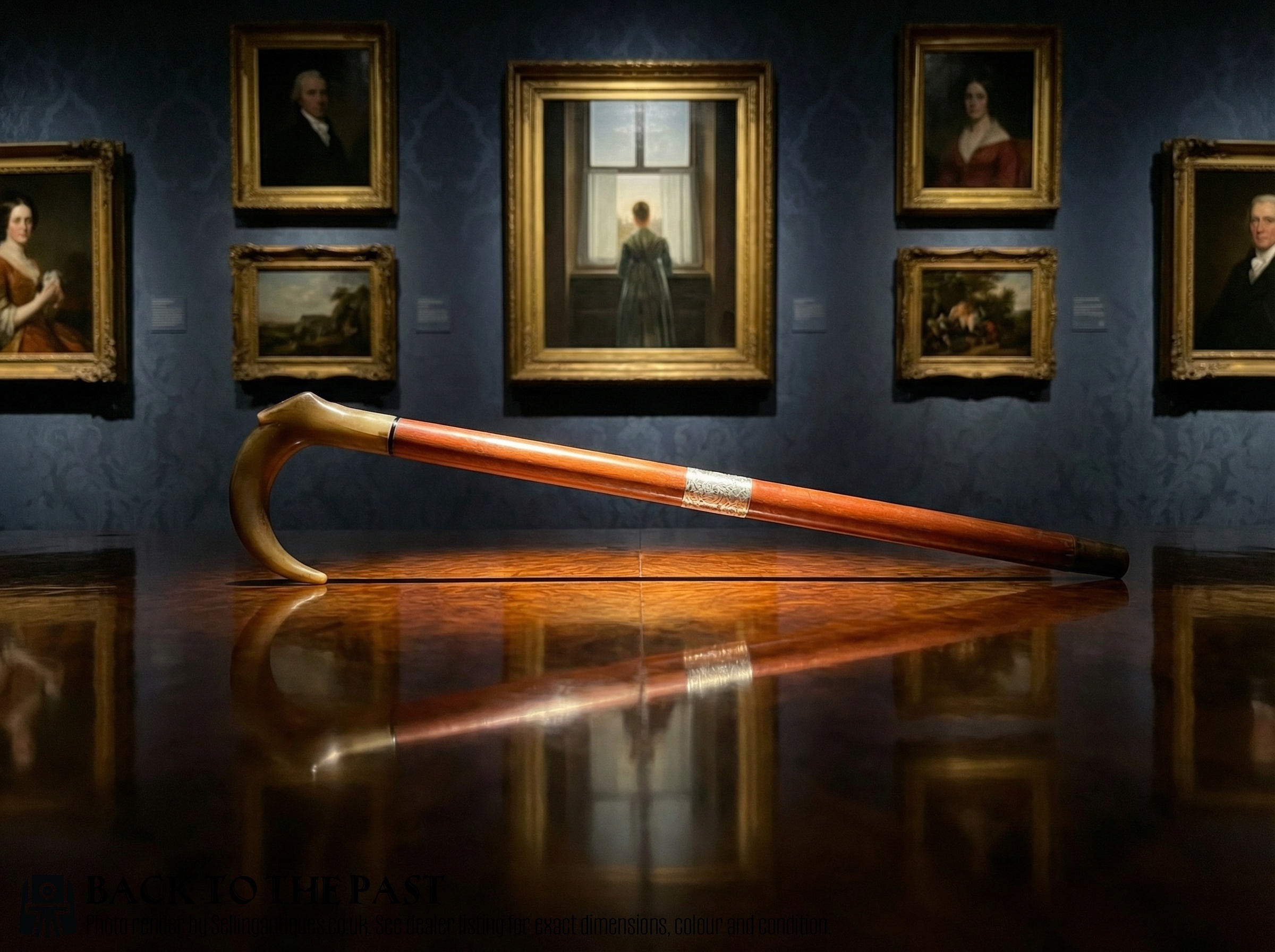
A horn handle walking stick brings together organic material and functional support, offering collectors practical history from the nineteenth and early twentieth centuries.
Horn Handle Walking Stick
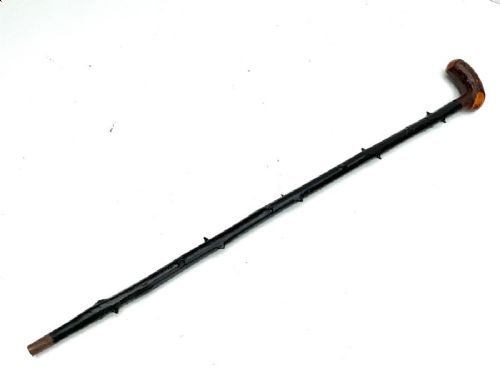
When you search for a horn handle walking stick, you encounter a variety of gentleman's and lady's supports spanning the nineteenth century, the Edwardian era, and the early twentieth century. These pieces frequently pair carved horn, stag horn, or antler grips with shafts of malacca cane, rosewood, ebony, briar, or blackthorn.
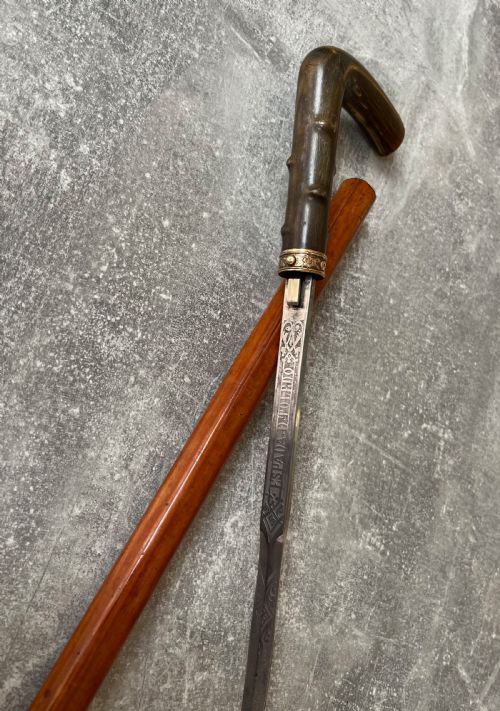
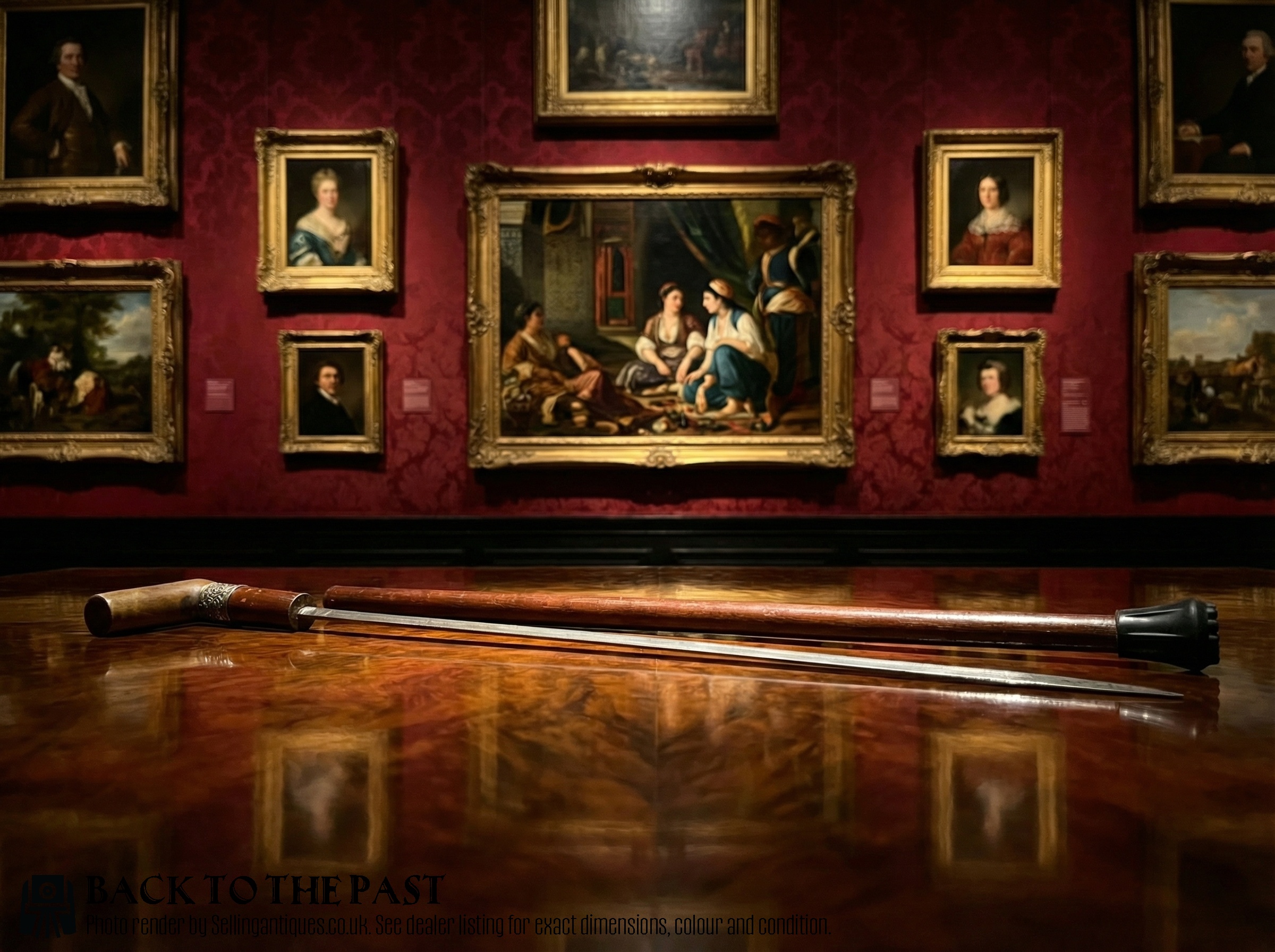
The selections on this page demonstrate that many examples double as gadget canes, concealing sword blades, daggers, flutes, or corkscrews within the shaft. Others feature decorative elements such as silver collars, gold pommels, metal mounts, or intricately carved animal forms including dogs, horses, rabbits, and hands.
Origin points vary across the inventory, encompassing traditional Irish craftsmanship, Victorian Gothic design, nineteenth-century French workshops, and Meiji period Japanese carving. Whether plain or elaborately detailed, each item reflects the daily accessories utilised by past generations.
Distinctions in craftsmanship and design
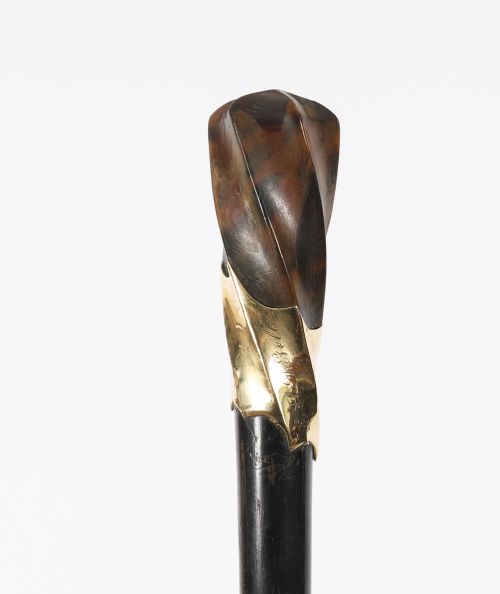
The incorporation of precious metals such as gold pommels or hallmarked silver collars elevates the status of a stick. Furthermore, the complexity of concealed mechanisms in sword sticks and gadget canes distinguishes standard supports from exceptional workshop creations.
Horn Handle Walking Stick Retail Price Guide 2026
Typical asking prices for horn handle walking stick among the pieces listed under this phrase on Sellingantiques today, from the lower quarter to the upper quarter. They describe what is for sale here now, not the wider market.
Listings feature woods such as malacca cane, rosewood, ebony, briar, and blackthorn paired with horn and antler grips.
Brigg's·Swaine Adeney Brigg
The Horn Handle Walking Stick Glossary
- Pommel
- The rounded knob on the end of a walking stick handle. It provides a comfortable grip for the hand.
- Sword stick
- A cane containing a hidden blade within the wooden shaft. A button release or pull mechanism usually secures the blade in place.
- Malacca cane
- A type of rattan stem known for its flexibility and mottled brown finish. It forms the shaft on numerous traditional walking sticks.
- Gadget cane
- A walking stick that conceals a functional tool such as a corkscrew, flute, or dagger inside. These multifunctional items were popular during the Victorian period.
Horn Handle Walking Stick: Frequently Asked Questions
What is a horn handle walking stick used for?
These items served primarily as daily walking supports and fashionable accessories for gentlemen and ladies during the nineteenth and early twentieth centuries. Many examples incorporated hidden tools or blades, functioning as practical multi-use instruments.
Beyond basic support, owning one allowed individuals to display personal status through precious metal collars and carved animal motifs. Today, collectors preserve them as examples of historical craftsmanship and utility.
How do I identify a sword stick?
A sword stick conceals a steel blade, such as an etched Toledo blade, entirely within the wooden shaft of the cane. A discreet button release or simple pull mechanism allows the user to separate the handle and blade from the outer housing.
Examining the join just below the horn handle usually reveals the seam where the two parts meet. These pieces required careful fitting to ensure the blade remained secure during normal walking use.
What materials are used in these canes?
Handles are typically carved from domestic horn, stag horn, antler, or bone, sometimes shaped into specific animals or novelty hands. Shafts utilise sturdy woods and natural materials including malacca cane, rosewood, ebony, briar, blackthorn, and even shark vertebrae.
Additional components frequently include silver, brass, or gold-coloured collars and metal mounts that reinforce the join between the grip and the shaft. Leather discs and snakeskin coverings also appear on specific historical examples.
How should I display a walking stick?
Displaying these pieces safely involves using a dedicated cane stand or wall rack that supports the weight vertically without putting pressure on the handle. Keeping them away from direct sunlight and extreme humidity protects both the organic horn and the polished wood shafts.
For gadget canes and sword sticks, storing them closed prevents accidental release of internal blades or mechanisms. Regular dusting preserves the metal collars and the natural texture of the horn.