



Antique Malacca Cane
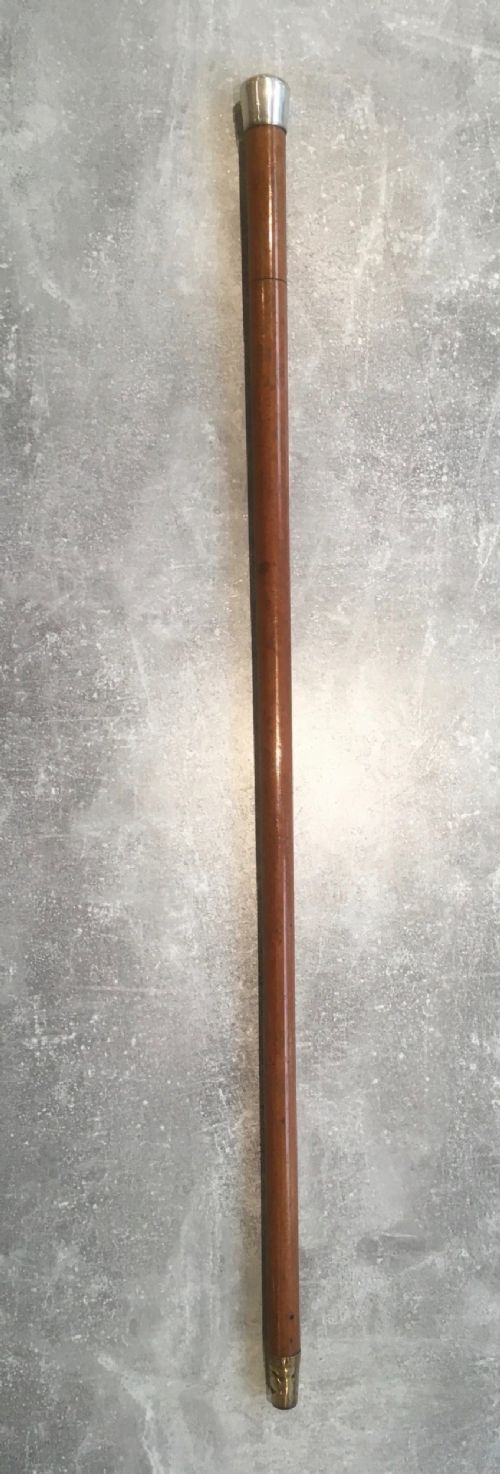
An antique malacca cane brings together the distinct mottled warmth of tropical palm stems with precious metal mounts and concealed steel blades.
Antique Malacca Cane
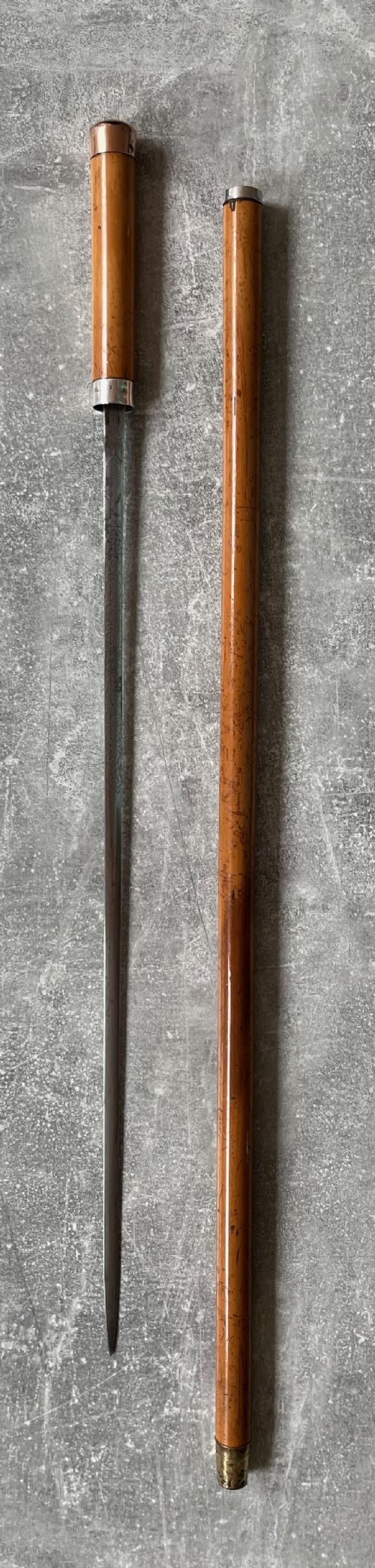
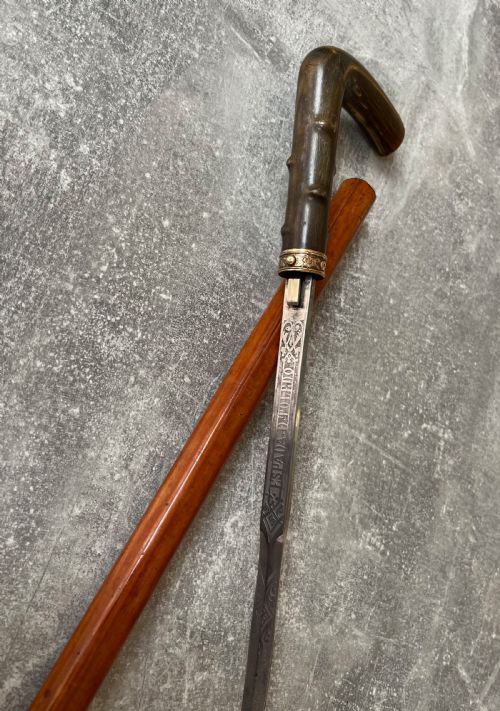
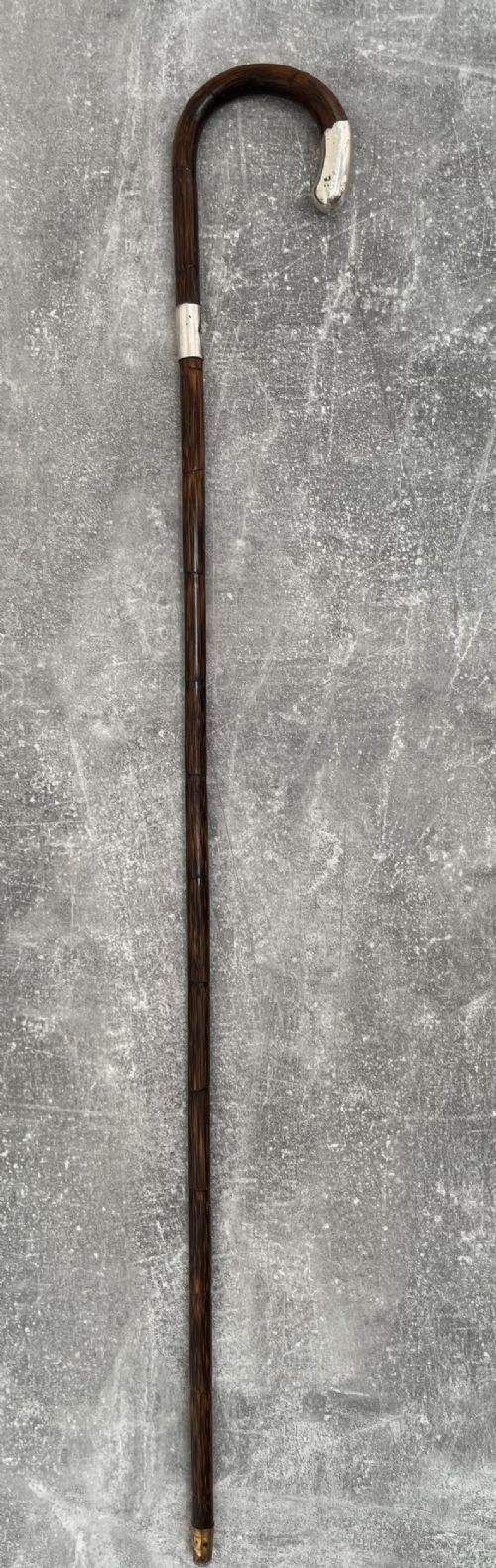
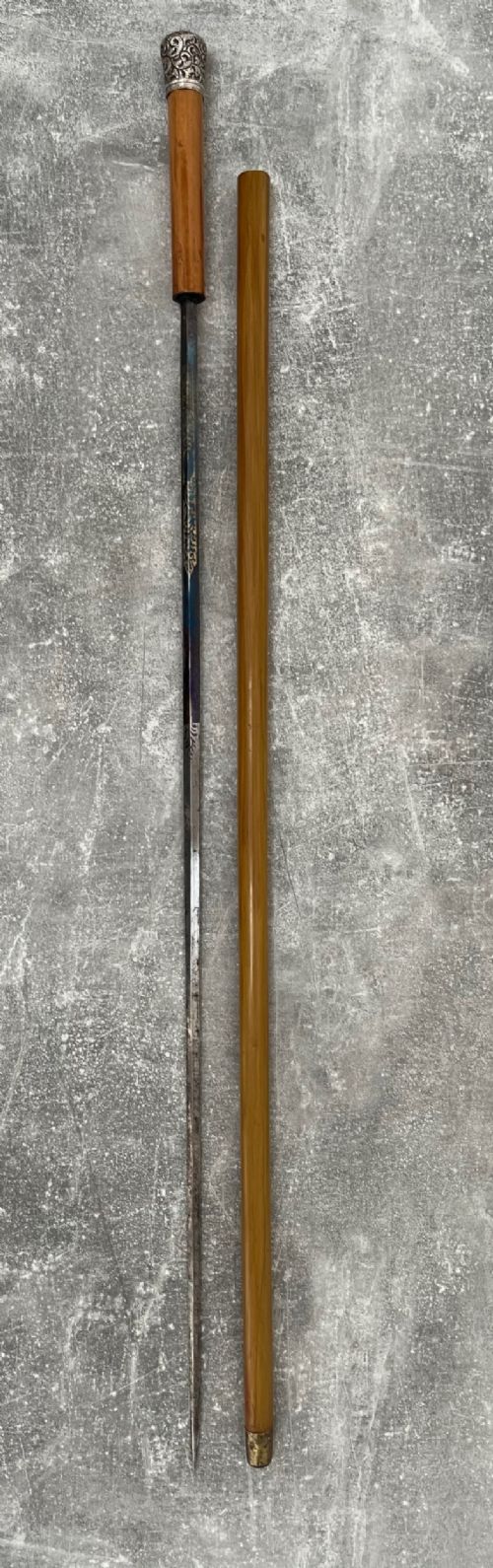
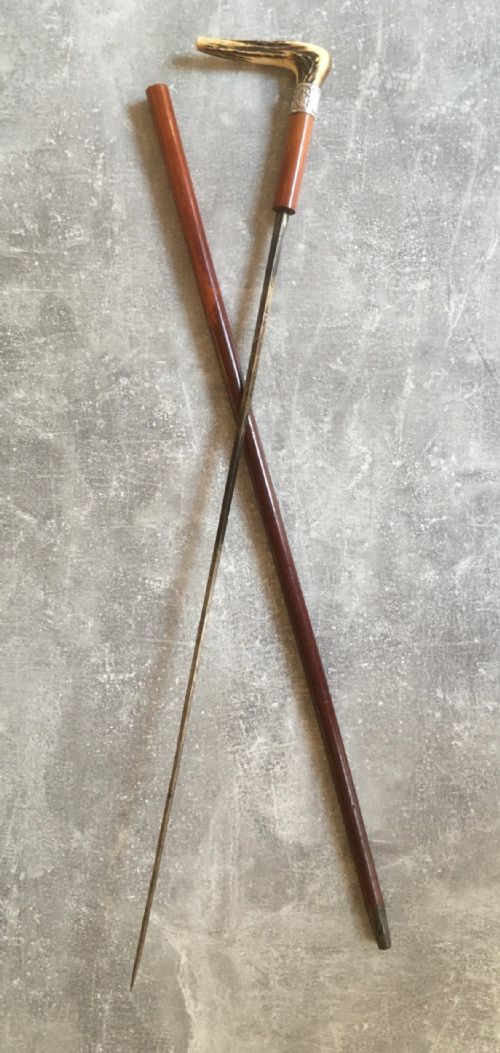
The majority of pieces meeting this description take the form of walking sticks and sword sticks, frequently fitted with button releases or threaded mechanisms. Surviving specimens range from simple crook-handled walking canes to elaborately mounted examples housing Toledo or Wilkinson blades.
Origins stretch from English workshops to Chinese Export pieces bearing local silver work, reflecting the global reach of nineteenth-century trade. Buyers find items intended for daily pedestrian use alongside gentleman's personal defence implements.
How they were made
The foundation rests on the malacca cane itself, a durable stem harvested from Southeast Asian palms and valued for its resilience and distinctive skin. Makers straightened these shafts with heat before applying grips formed from horn, bone, antler, or precious metals.
Metal components involved standard silversmithing techniques, including repousse work for collars and knops, alongside silver plating. Internal blades were forged from steel, such as Toledo or Wilkinson steel, and secured within the hollow shaft by screw threads or spring button releases.
The archive reveals multiple walking sticks fitted with functional additions like corkscrews alongside standard sword blades.
What varies in quality
Quality depends upon the integration of the mount to the malacca shaft and the precision of the blade release mechanism. Finer pieces demonstrate careful hand-chasing on silver collars and tight joints between the handle and the cane body.
The provenance of the blade and the execution of regional silver work also separate standard examples from superior pieces. Signed blades by makers like Wilkinson or finely etched Toledo steel elevate the standing of a sword stick.
Wilkinson·Franzi
The Antique Malacca Cane Glossary
- Malacca
- A slender tropical palm stem used for walking sticks, identifiable by its rich brown colour and scale-like node markings. It provides a lightweight yet remarkably tough shaft.
- Knop
- The rounded or decorative handle fitted to the top of a cane. Knops can be fashioned from solid silver, bone, horn, or carved antler.
- Repousse
- A metalworking technique where silver is hammered from the reverse side to form raised decorative patterns. This method appears frequently on Victorian collar mounts.
- Toledo blade
- A steel blade produced in Toledo, Spain, renowned historically for its flexibility and tempering quality. These blades were often imported and fitted into British walking sticks.
Antique Malacca Cane: Frequently Asked Questions
How do I spot a sword stick?
A sword stick typically conceals its blade beneath a threaded collar or a concealed spring button release located near the handle. The joint between the upper mount and the shaft often reveals a hairline seam where the two sections separate.
Closer inspection of the weight distribution and balance also helps, as a concealed blade adds heft toward the top of the shaft. Collectors examine these joining points carefully to confirm the presence of an internal steel blade.
What materials make up the handles?
Handles on these canes were fashioned from a diverse range of materials depending on the intended use and fashion of the period. Sterling silver, gold, and silver-plated mounts appear alongside carved bone, horn, and greyhound pommels.
Natural materials like antler also provided sturdy grips for outdoor use. Each material reflects the status of the original owner and the workshop style of the Victorian or Edwardian era.
Are Chinese Export canes common?
Chinese Export pieces frequently appear in surviving collections, typically featuring distinctive regional silver work applied to the malacca shaft. These canes often incorporate dragon motifs or character hallmarks alongside traditional English-style forms.
They demonstrate the nineteenth-century trade exchange between Asian silversmiths and Western clientele. The silver mounts on these pieces often exhibit intricate hand-chasing distinct from London workshops.
How should I date my cane?
Dating relies on hallmarks stamped into the silver collars, style of the handle, and manufacturing techniques of the internal blade. London hallmarked pieces often carry date letters that pinpoint the exact year of production.
Stylistic cues such as Arts and Crafts influences or Edwardian slimness help narrow down unmarked specimens. Comparing the collar ornamentation to established Victorian and Edwardian designs provides further chronological context.