


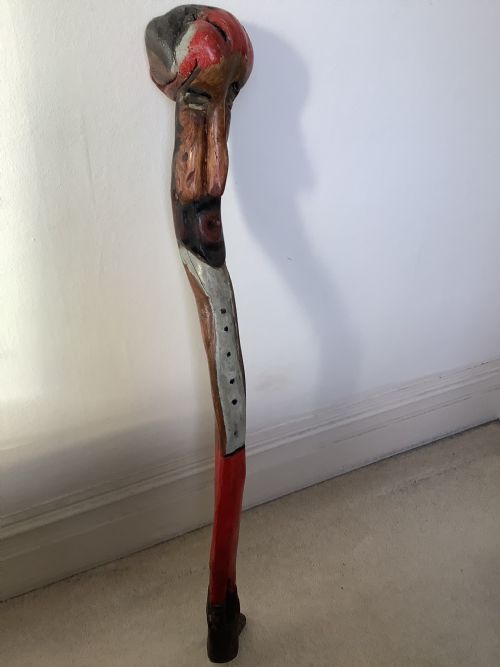

Carved Head Walking Cane
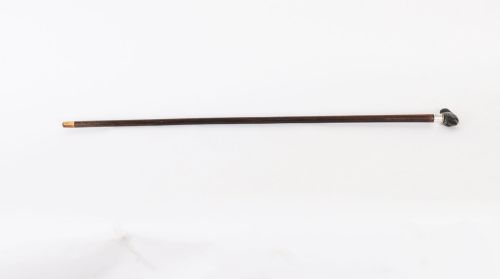
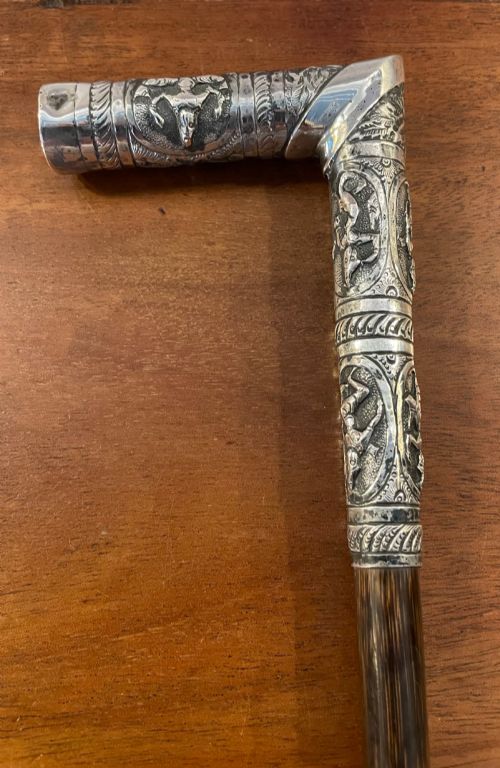
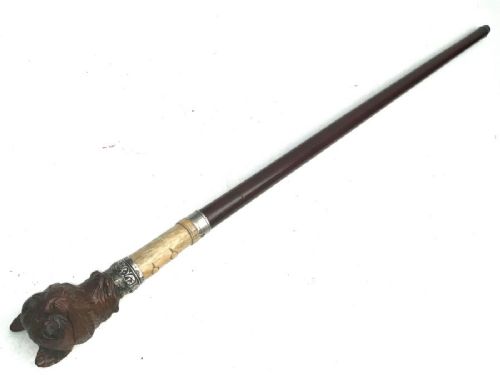
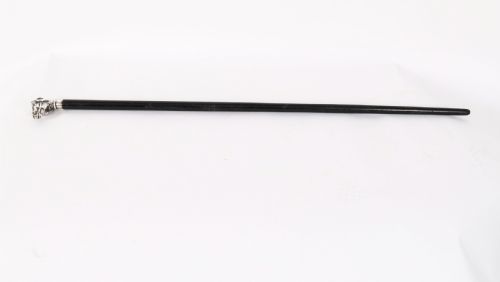
These carved head walking cane examples combine functional support with sculptural animal and novelty grips from the nineteenth and early twentieth centuries.
Carved Head Walking Cane
A carved head walking cane serves as both a practical support and a display of miniature sculpture, spanning Victorian, Edwardian, and Art Deco periods. The most common specimens encountered here pair a carved wooden, bone, or ivory animal head with a sturdy hardwood shaft.
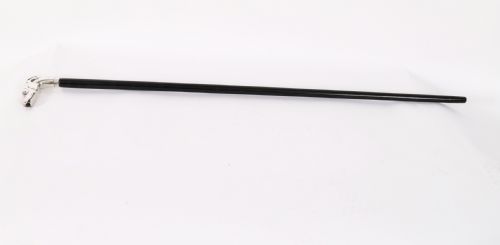
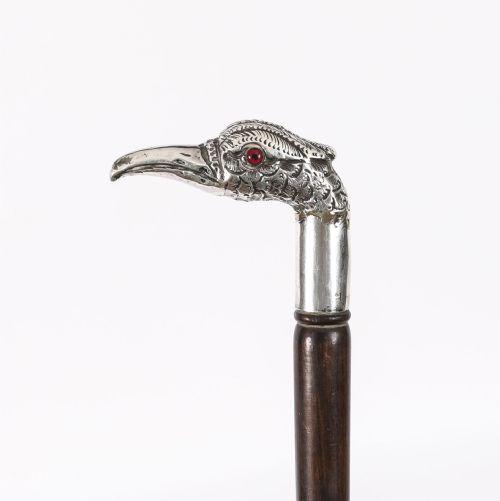
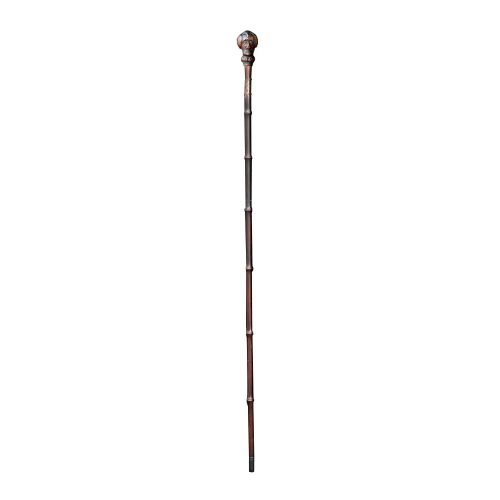
Makers shaped these shafts from ebonised wood, bamboo, thorn wood, and malacca, often fitted with silver collars or mounts. Examples range from naturalistic animal portraits like horses, dogs, and birds to novelty mechanisms such as concealed blades or nutcrackers.
How they were made
Craftsmen carved the detailed handles from solid blocks of bone, ivory, or dense hardwoods, securing them to tapered wooden shafts using internal metal screws or pins. Many mounts and collars utilise silver or silver plating, stamped or chased with floral and geometric patterns.
Folk art pieces employ natural forms in thorn wood and bamboo, while European workshops utilised specialised carving techniques for Black Forest animal studies and French greyhound handles. Shafts were straightened with heat, polished with wax, and fitted with steel ferrule tips for daily use.
Some nineteenth-century makers concealed nutcrackers and entire golf clubs inside walking sticks for the deeply impatient.
What varies in quality
The precision and depth of the handle carving dictate the quality of a carved head walking cane, distinguishing master carvers from mass production. Lifelike proportions in animal subjects, such as dogs, horses, and birds, show superior hand work.
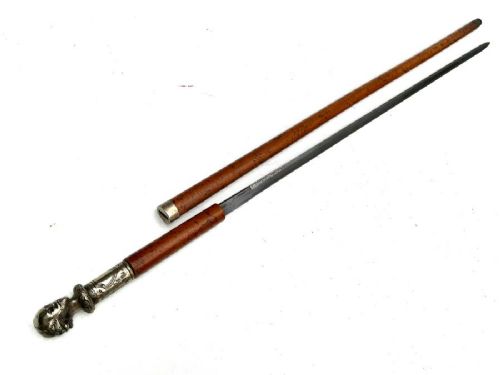
Materials also separate tiers, with solid silver mounts, carved ivory, and genuine malacca shafts holding higher regard than plain metal or basic hardwoods. The integration of functional novelties, like concealed sword blades or mechanical jaws, requires sophisticated internal engineering that elevates the piece.
The Carved Head Walking Cane Glossary
- Ferrule
- The metal cap fitted to the bottom of a walking stick to protect the wood from wear. Early examples are typically made of iron or steel.
- Malacca
- A sturdy, mottled rattan cane imported from Southeast Asia, prized for flexibility and rich brown colouring. It served as a premium shaft material for nineteenth-century canes.
- Ebonised
- Wood treated with a dark stain or chemical finish to imitate expensive ebony. This process provided a uniform black appearance popular on Victorian shafts.
- Novelty cane
- A walking stick incorporating a hidden function, such as a sword, flask, or mechanical element. These pieces catered to the collector market of the late nineteenth century.
Carved Head Walking Cane: Frequently Asked Questions
How do I date a walking cane?
Dating relies on stylistic clues, mounting hallmarks, and the specific materials used in the construction. Victorian and Edwardian examples often display distinct fashion trends in handle carving.
Silver collars frequently carry assay office stamps and date letters which provide a precise year of manufacture. Examining the wear pattern on the ferrule and the interior joinery helps confirm the period.
Were these canes used for support?
Many nineteenth-century gentlemen and ladies carried these items as daily walking aids and fashionable accessories. The sturdy hardwood shafts provided genuine physical support.
Heavier novelty handles and thin sword sticks, however, functioned primarily as status symbols or covert self-defence tools rather than heavy mobility aids.
What are sword sticks?
Sword sticks are functional walking canes with a concealed steel blade hidden inside the shaft. A locking mechanism secures the handle to keep the blade safely enclosed during transit.
Military officers and civilian gentlemen carried them in the nineteenth century for personal protection in urban environments.
How should I display a cane collection?
Canes are best displayed upright in a dedicated umbrella stand or wall-mounted rack that supports the weight without straining the handle. Keep them away from direct sunlight and extreme temperature fluctuations to protect organic materials like ivory, bone, and wood.
Occasional light waxing preserves the finish of the wooden shafts and silver mounts.