





Steel Blade Sword Stick
A steel blade sword stick combines daily support with concealed defence, offering Victorian ingenuity in a gentleman's walking cane.
Steel Blade Sword Stick
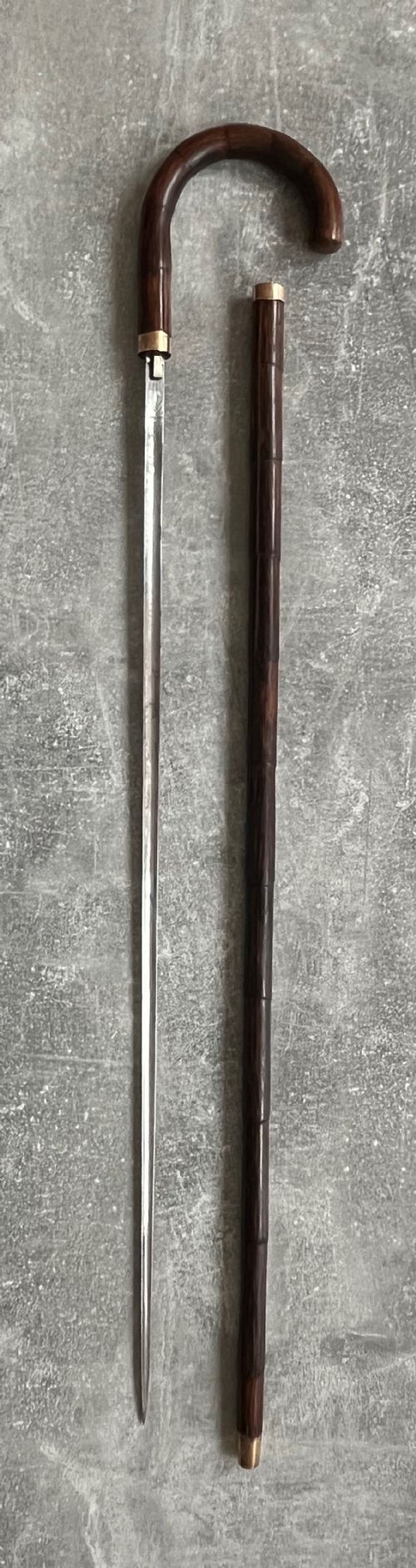
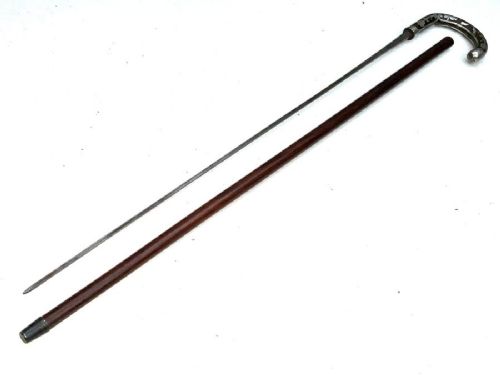
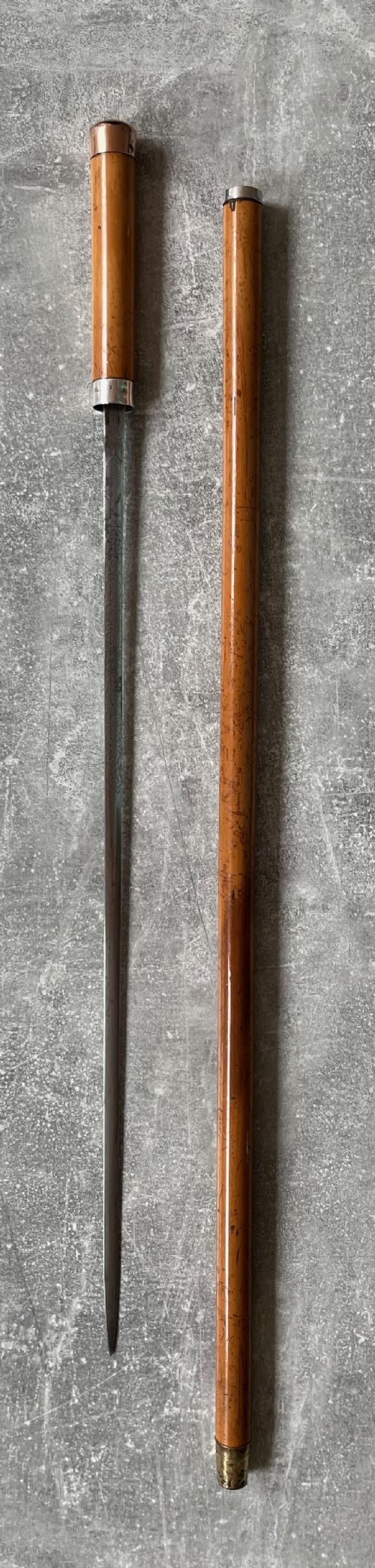
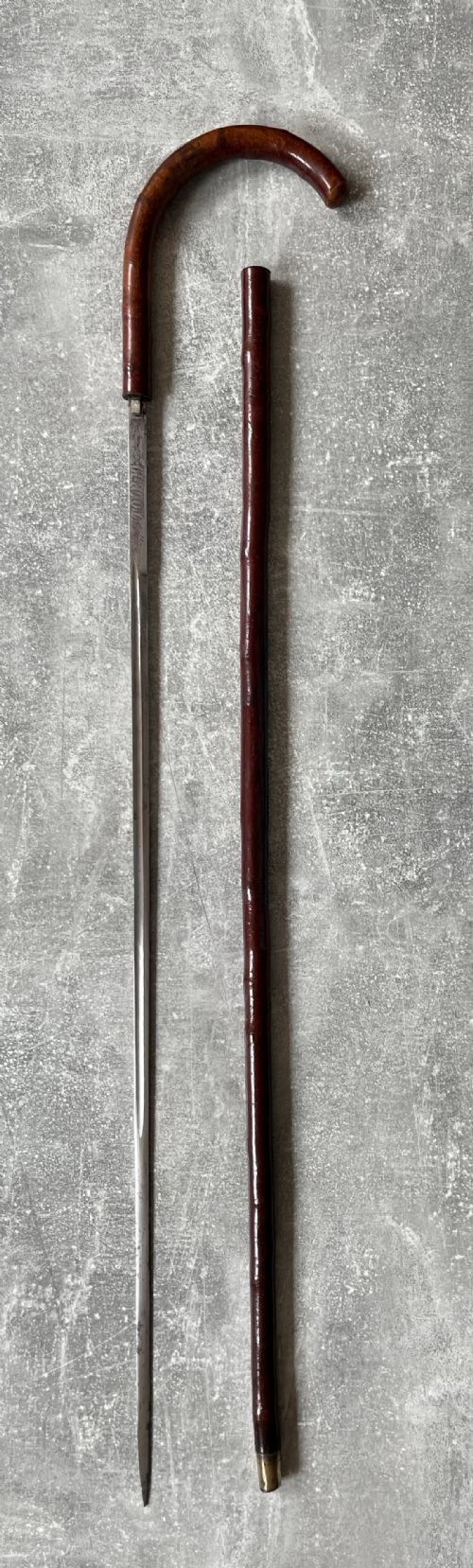
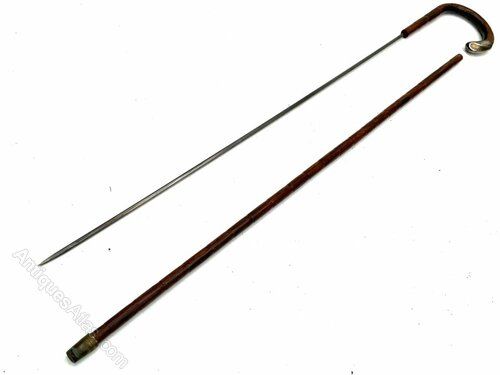
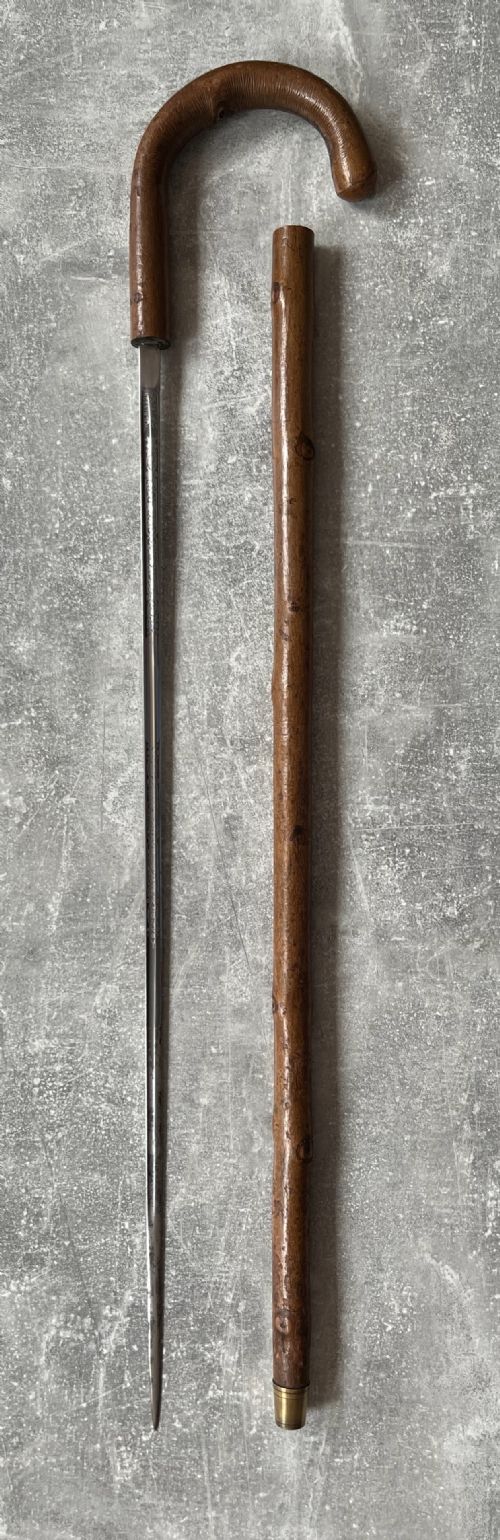
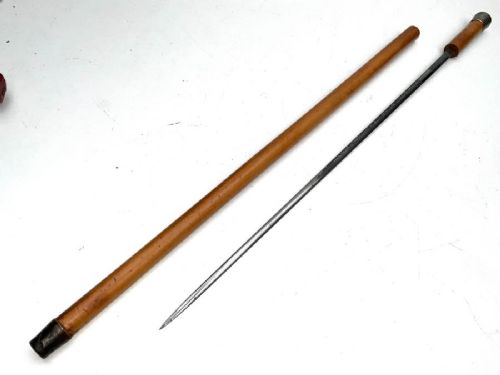
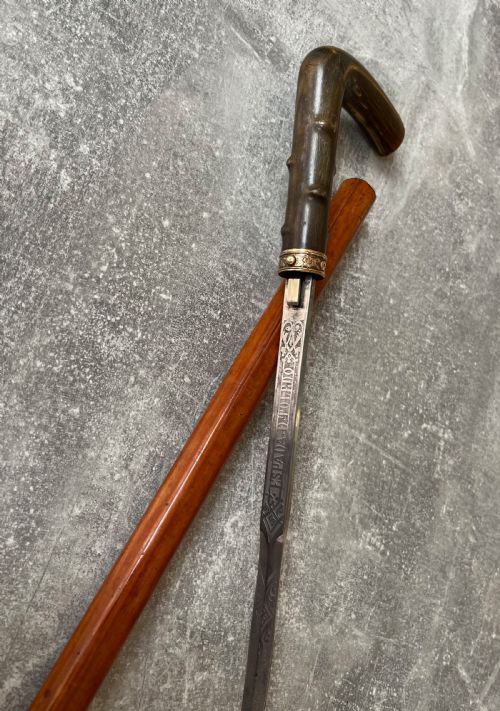
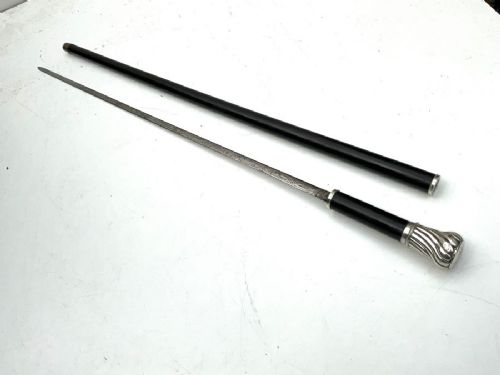
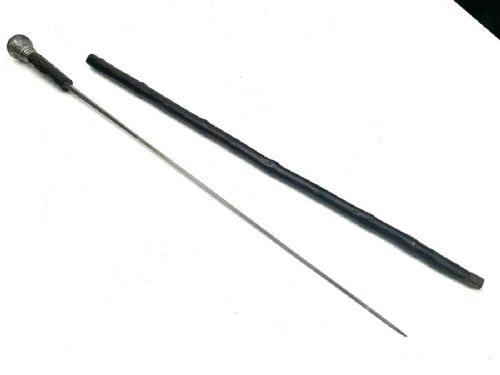
A steel blade sword stick appears as an ordinary walking cane to the casual observer, yet conceals a sharp metal weapon beneath the wooden or horn shaft. You are most likely to encounter Victorian and Edwardian examples on this page, dating from the late nineteenth and early twentieth centuries.
The form encompasses various shaft materials including malacca, partridge wood, cherrywood, bamboo, and hazel, frequently topped with crook handles, horn grips, or root ends. Many specimens feature secure button releases or screw mechanisms to keep the blade firmly housed within the wooden scabbard until needed.
Materials and construction
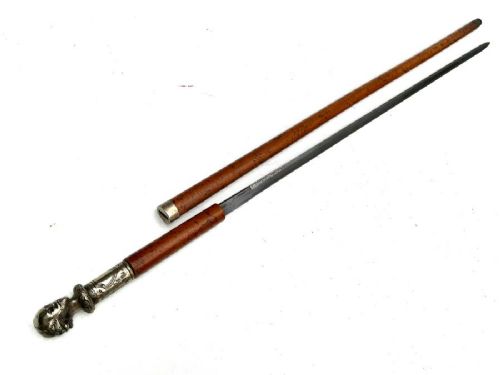
Makers utilised resilient natural woods and durable metals, pairing malacca, partridge wood, hazel, and bamboo shafts with forged steel blades. Metal mounts in silver, brass, and gold added structural reinforcement to the handle collars and tips.
Blades were often expertly forged, with specific examples bearing inscriptions or origins from renowned makers such as Toledo and Wilkinson. Leather coverings, bone pistol grips, and horn handles were also fitted to provide a secure hold for the gentleman carrying the cane.
Steel Blade Sword Stick Retail Price Guide 2026
Typical asking prices for steel blade sword stick among the pieces listed under this phrase on Sellingantiques today, from the lower quarter to the upper quarter. They describe what is for sale here now, not the wider market.
Listings feature woods including malacca, partridge wood, cherrywood, hazel, holly, and bamboo, paired with steel blades and silver or brass mounts.
Assessing quality in a sword stick
Quality rests upon the integrity of the hidden mechanism and the provenance of the blade itself, distinguishing standard utility pieces from finer workshop productions. A tightly fitted shaft that conceals the join seamlessly demonstrates superior craftsmanship.
The presence of named blade makers like Wilkinson or Toledo, alongside hallmarked silver collars and precious metal mounts, elevates the standing of an individual cane. Refined handle materials such as carved horn, bone, or gold-mounted details further separate standard specimens from exceptional examples.
Brigg·Wilkinson
The Steel Blade Sword Stick Glossary
- Malacca
- A sturdy, mottled rattan cane imported from Southeast Asia, prized for its flexibility and strength in walking stick construction. It forms the shaft on numerous traditional sword sticks.
- Toledo blade
- A steel blade originating from the Spanish city renowned for centuries of swordsmithing expertise. These blades are frequently etched and highly regarded for their resilience.
- Collar
- A metal band encircling the top of the shaft just below the handle, often rendered in silver or brass. It reinforces the wood against splitting and frequently bears maker marks or initials.
- Partridge wood
- A dense, heavy exotic timber displaying a distinctive partridge-feather patterning. Makers selected this material for its durability and handsome appearance.
Steel Blade Sword Stick: Frequently Asked Questions
How do you release the blade?
Most pieces utilise a concealed button release or a threaded screw mechanism built into the collar to secure the blade inside the shaft.
Operating this release allows the user to gently draw the steel weapon from its wooden scabbard.
What periods do these pieces date from?
The examples on this page span the late nineteenth century through to the early twentieth century, encompassing the Victorian and Edwardian eras.
Dates range from the 1880s up to the 1920s, reflecting the popularity of concealed-weapon walking sticks during that period.
What materials make up the shafts?
Shafts are constructed from natural materials such as malacca, partridge wood, bamboo, hazel, cherrywood, and holly.
Some pieces also feature leather coverings wrapped around the wooden core for an alternative texture and appearance.
Who carried sword sticks?
Gentlemen, military officers, and civilians during the Victorian and Edwardian periods carried these items for personal protection and daily support.
Imperial German and British military officers frequently utilised them as part of their walking attire.