


Vintage System Cane
Vintage system cane pieces are concealed blade and gadget walking sticks spanning the Victorian and Edwardian eras, prized for their covert engineering and social history.
Vintage System Cane
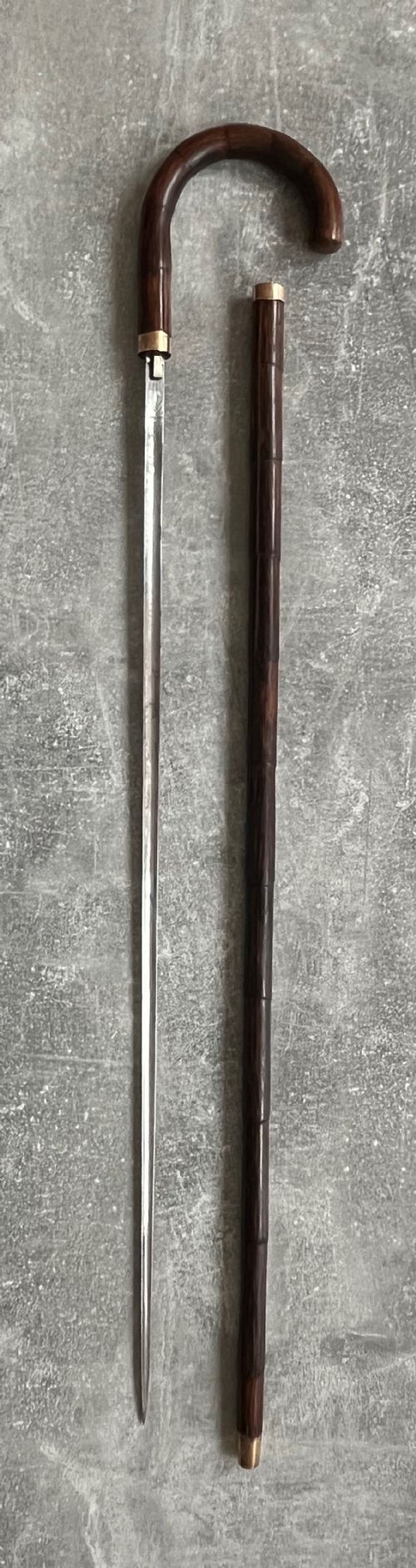
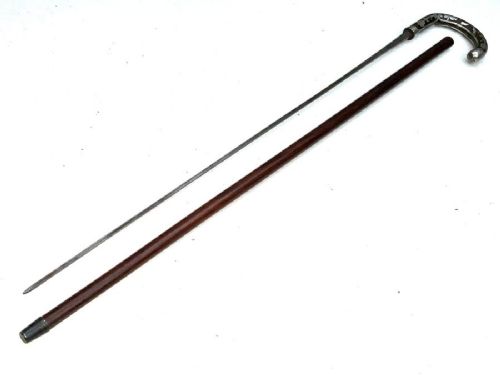
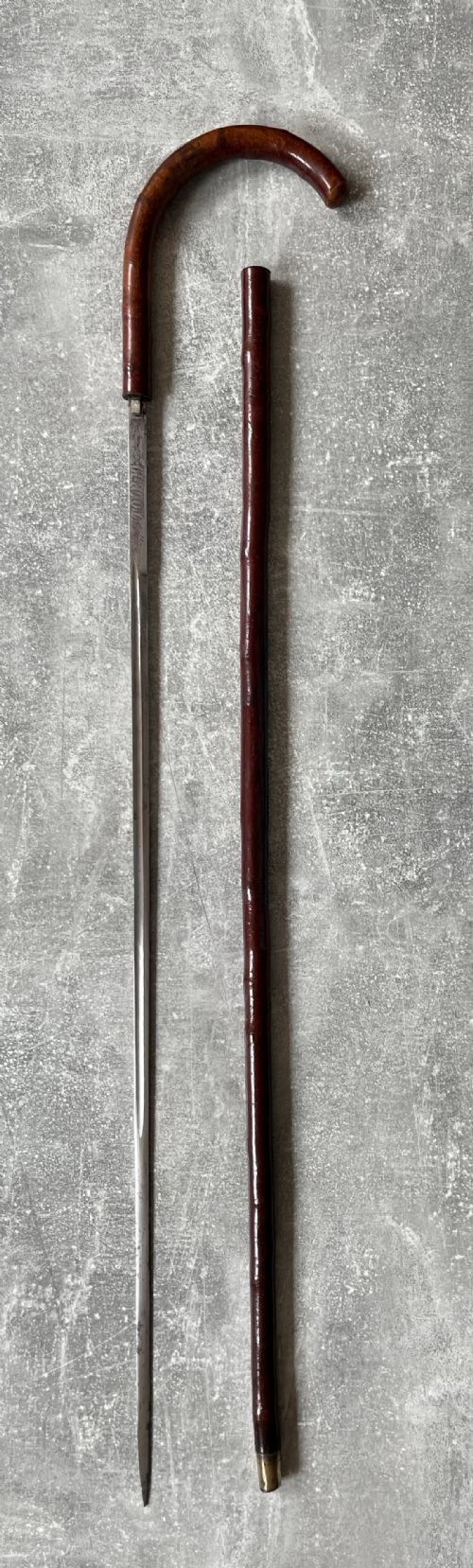
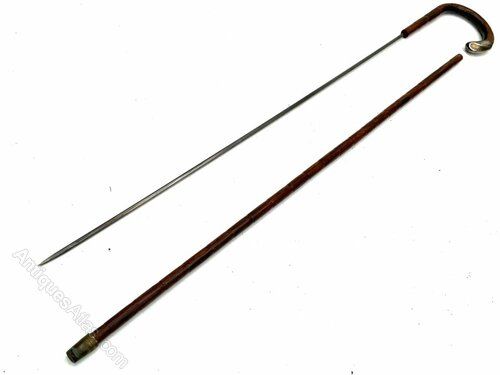
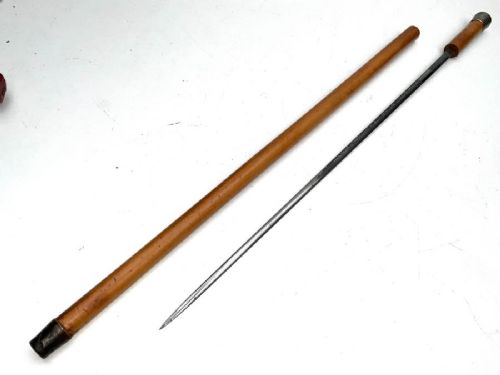
When you search for vintage system cane, you find historical walking sticks housing concealed swords, telescopes, corkscrews or watch movements. These items served gentlemen for fashion, defence and utility during the nineteenth and early twentieth centuries.
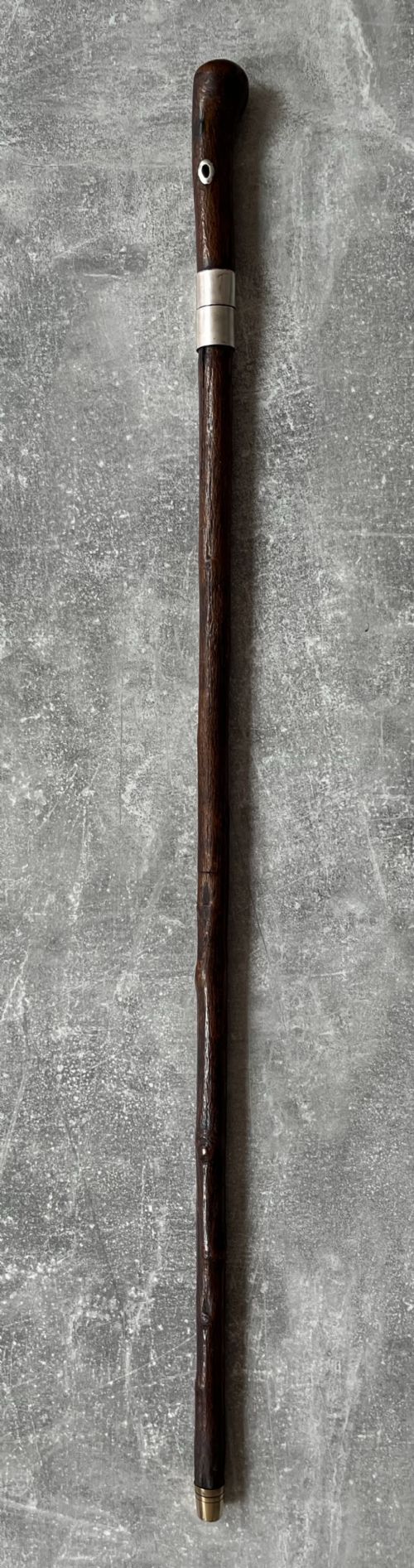
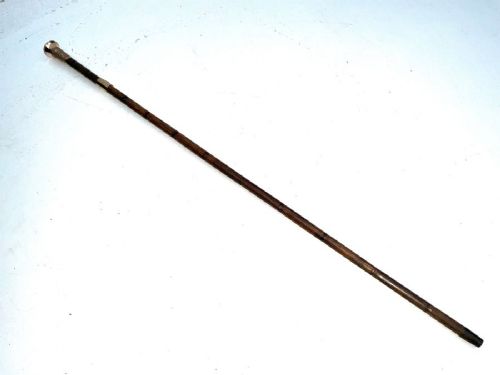
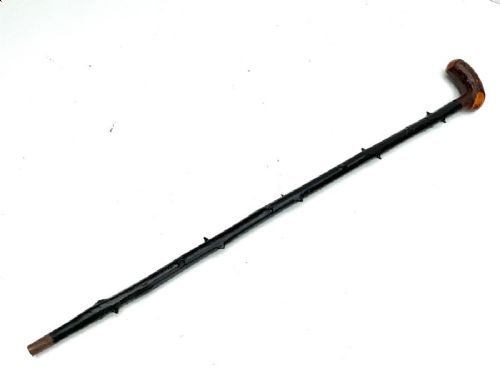
The most common versions on this page are sword sticks and masonic walking sticks from the Victorian and Edwardian periods, alongside traditional Irish blackthorn examples. Materials range from partridge wood and malacca to hazel and chestnut.
Materials and Construction
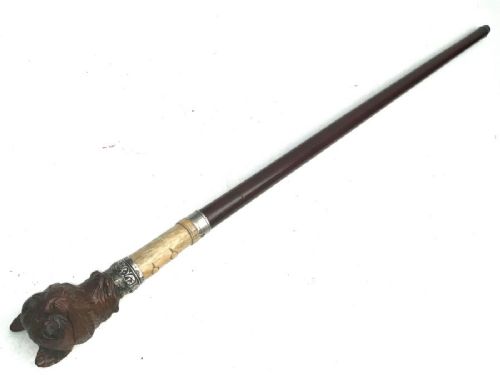
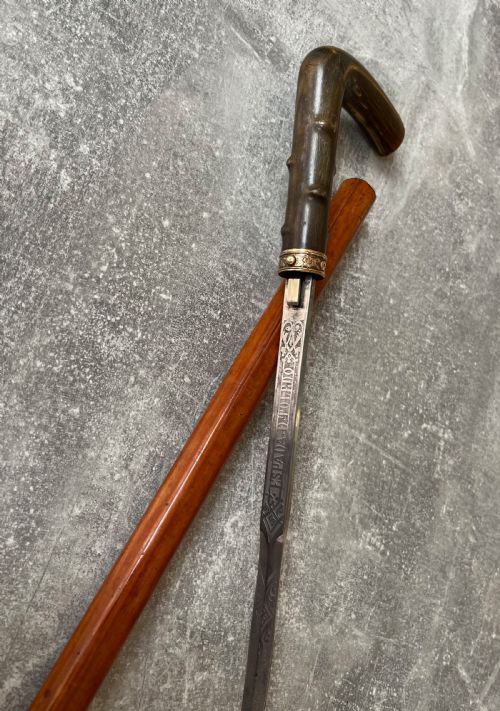
Maker workshops utilised natural timbers such as partridge wood, bamboo, malacca and snakewood, often fitted with silver collars, brass mounts or bone handles. Blades were frequently forged from steel, including Toledo steel, and secured with button release mechanisms.
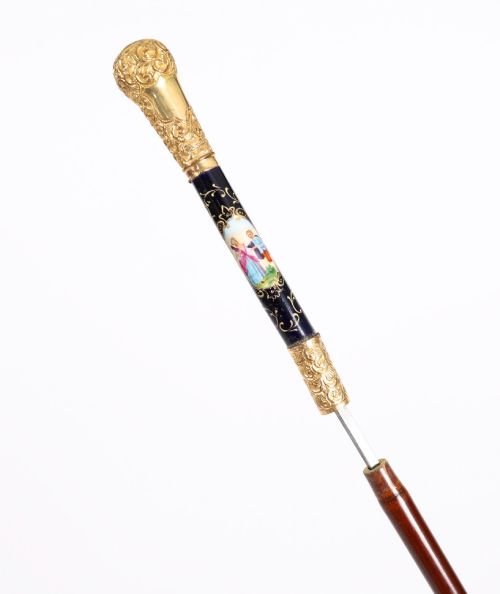
Specialist elements like porcelain, horn and silver top mounts were integrated into the shafts alongside concealed functional components such as telescopes, corkscrews and watch movements.
Vintage System Cane Retail Price Guide 2026
Typical asking prices for vintage system cane among the pieces listed under this phrase on Sellingantiques today, from the lower quarter to the upper quarter. They describe what is for sale here now, not the wider market.
One exceptional nineteenth-century gadget cane hides both a rabbit handle and a secret corkscrew.
Evaluating Quality
Quality rests in the precision of the concealing mechanism, the integrity of the timber shaft and the origin of the steel blade. Etched Toledo blades and hallmarked silver mounts distinguish higher grade workshop production from standard utility items.
The sophistication of the handle design, whether carved root, horse head, rabbit or masonic motif, dictates the tier of the piece.
Brigg·Wilkinson
The Vintage System Cane Glossary
- Sword stick
- A walking cane containing a concealed blade accessed via a screw or button release. These items were carried for personal protection during the nineteenth century.
- Toledo blade
- A steel sword blade produced in Toledo, Spain, known for flexibility and durability. Many nineteenth-century British walking sticks incorporated imported Spanish blades.
- System cane
- A walking stick featuring a concealed mechanical function or tool, such as a telescope, corkscrew or watch. They represent the ingenuity of Victorian gadgetry.
- Malacca
- A rattan cane with characteristic dark rings, imported from Southeast Asia and utilised for walking stick shafts due to its strength and flexibility.
- Blackthorn
- A dense wood traditionally used for Irish walking sticks, known for its knotty texture and resilience.
Vintage System Cane: Frequently Asked Questions
What is a system cane?
A system cane is a walking stick designed to conceal a secondary function, tool or weapon within its shaft and handle. Common hidden items include swords, telescopes and corkscrews.
These pieces were popular among gentlemen in the Victorian and Edwardian eras who desired discretion, utility and fashionable support during daily transit.
How do I release the blade?
Most antique sword sticks utilise a button release mechanism or a screw-thread collar that secures the handle to the wooden scabbard. Pressing the button disengages the internal catch to draw the blade.
Care should be taken with historical release mechanisms to preserve the original metalwork and timber fit.
What materials are used?
Shafts are constructed from natural timbers including partridge wood, malacca, bamboo, hazel and blackthorn. Handles and mounts incorporate silver, brass, bone, horn, porcelain and carved wood.
Blades are forged from steel, frequently originating from Toledo workshops known for quality weapon production.
How do I date these pieces?
Dating relies on stylistic markers, hallmarks on silver collars, and documented maker names active during the Victorian and Edwardian periods. Materials such as faux bamboo or specific porcelain types also indicate the era of manufacture.
Most surviving examples date from the late nineteenth century up to the 1930s.