



Carved Wooden Walking Stick
A carved wooden walking stick brings together practical support and intricate craft, offering a tactile piece of history shaped from timber, horn, and bone.
Carved Wooden Walking Stick
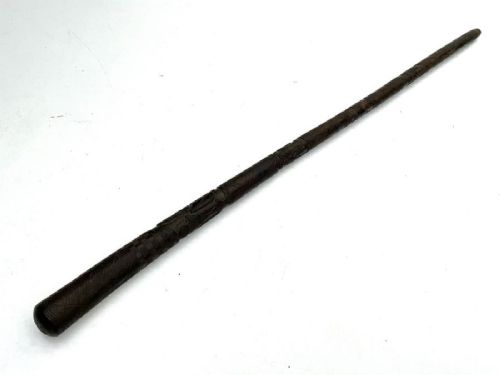
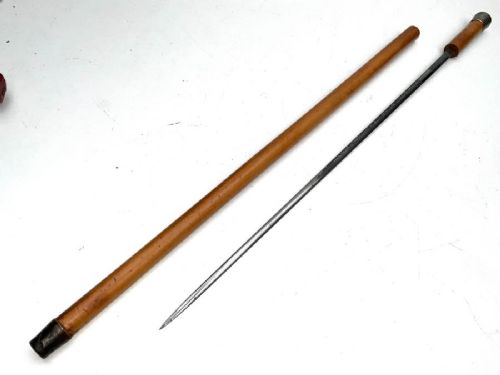
A carved wooden walking stick is a functional support that often doubles as a social accessory, a hidden weapon, or a folk art carving. When searching for a carved wooden walking stick, buyers encounter everything from simple root-ended handles to elaborate Black Forest animal carvings and concealed sword sticks.
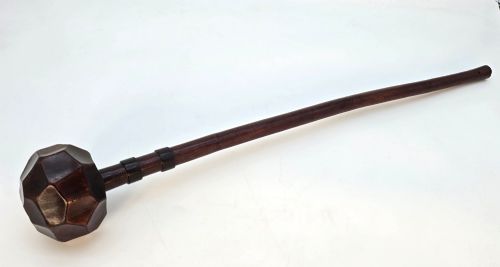
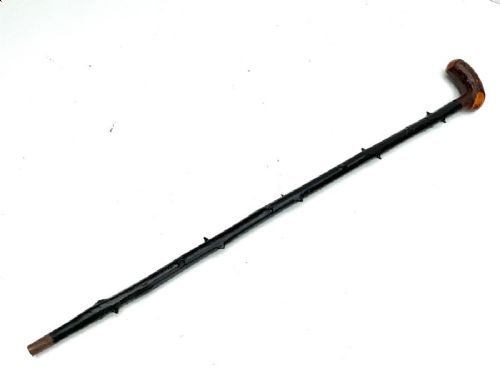
The pieces appearing on this page span the Victorian and Edwardian eras, stretching from the late nineteenth century into the 1930s. They include traditional Irish blackthorn, military walking canes, and ethnographic items such as Zulu knobkerries alongside European decorative designs.
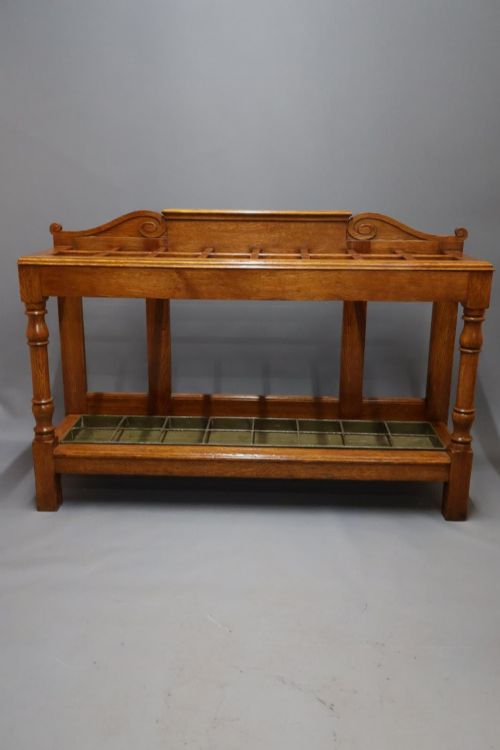
Most examples function as personal walking aids or gentlemen's accessories, while larger related items like oak and walnut stick stands provide a context for how these objects were kept in period hallways.
Materials and construction methods
Makers utilised a variety of timbers including oak, walnut, fruitwood, and thorn wood, often retaining natural forms such as root ends or branching stems. Selected woods were carved by hand into detailed handles depicting animals, clenched fists, or human heads.
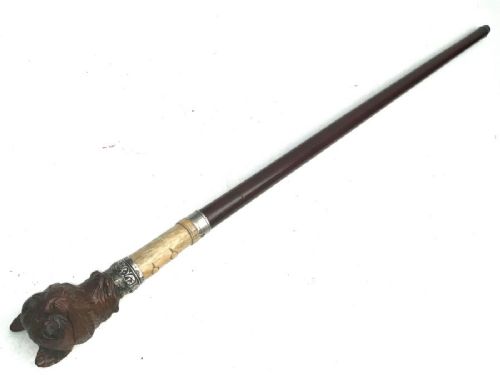
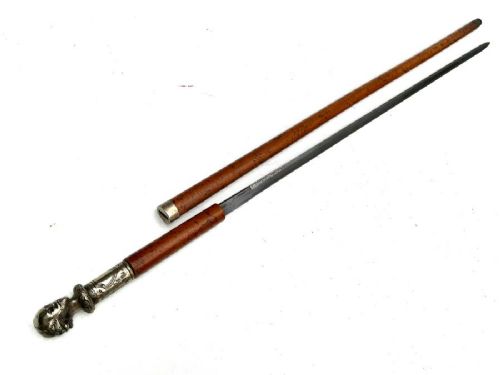
Many specimens incorporate mixed media, combining wooden shafts with metal, steel, brass, silver mounts, horn, or bone. Concealed mechanisms integrate hidden sword blades, corkscrews, or gadget tools directly into the wooden shafts.
Listings feature woods such as oak, walnut, fruitwood, and thorn wood, alongside mounts of silver, brass, and steel.
Distinctions in craftsmanship and design
Quality rests in the depth and precision of the hand carving, seen particularly in expressive animal forms, Black Forest bears, and detailed figural handles. Finer pieces demonstrate superior anatomical accuracy and smoother integration of hidden mechanisms.
The choice of materials also divides the range, distinguishing standard turned shafts from substantial polychromed thorn wood, dense root ends, and fitted silver embellishments or hallmarked mounts.
The Carved Wooden Walking Stick Glossary
- Black Forest
- A nineteenth-century style of wood carving originating from the mountainous region of Germany and Switzerland, characterised by realistic depictions of bears and other animals.
- Sword stick
- A walking stick or cane with a concealed steel blade fitted inside the wooden shaft, popular among nineteenth-century gentlemen for personal defence.
- Knobkerrie
- A traditional African wooden throwing club featuring a heavy rounded knob at the end, often associated with Zulu craftsmanship.
- Blackthorn
- A dense, tough wood traditionally used for Irish walking sticks, retaining natural thorns and knotted textures.
- Swagger stick
- A short, light stick carried by military officers as a symbol of authority rather than for physical support.
Carved Wooden Walking Stick: Frequently Asked Questions
What is a sword stick?
A sword stick is a walking cane equipped with a concealed metal blade hidden inside the wooden shaft. These pieces were carried by gentlemen and military officers during the nineteenth and early twentieth centuries.
The blade is typically released by a locking mechanism or a simple pull, allowing the shaft to act as a scabbard while the handle provides a secure grip.
How do I identify Black Forest carvings?
Black Forest carvings are identified by their dark, highly detailed woodwork depicting animals, most frequently bears, dogs, and rabbits. These pieces originate from the late nineteenth and early twentieth centuries.
The carving style prioritises naturalistic textures, glass eyes in animal subjects, and dynamic poses integrated into walking stick handles and hall stands.
How should I care for antique wood?
Antique wooden walking sticks require stable indoor humidity and protection from direct sunlight to prevent the timber from drying out or splitting. Gentle dusting keeps the surface clean without damaging delicate carved details.
Avoid applying modern chemical polishes, as historical wax finishes respond best to occasional light application of traditional beeswax applied with a soft cloth.