



Collectable Cane
These collectable antique cane pieces bring gentlemanly style and hidden utility, offering a glimpse into Victorian and Edwardian daily life.
Collectable Cane
When you search for a collectable antique cane, you encounter walking sticks, walking canes, and swagger sticks originating from the nineteenth and early twentieth centuries. These items served as daily accessories for gentlemen, military officers, and individuals of social standing.
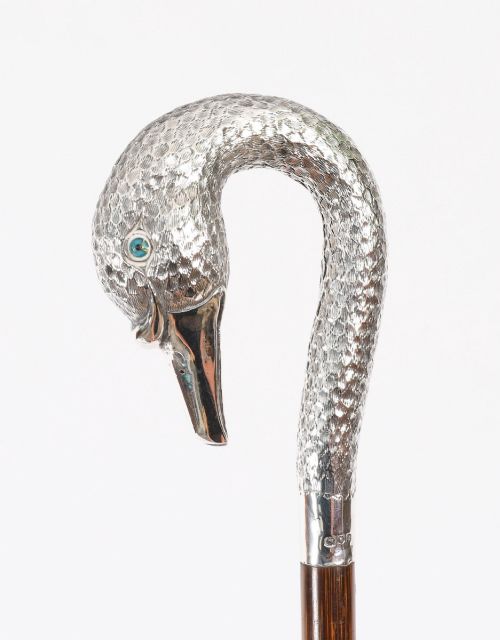
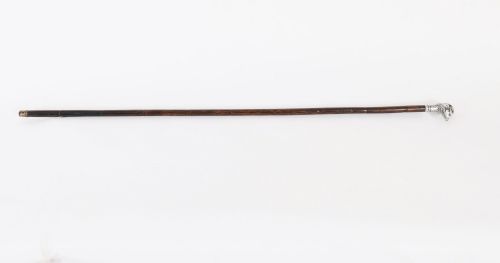
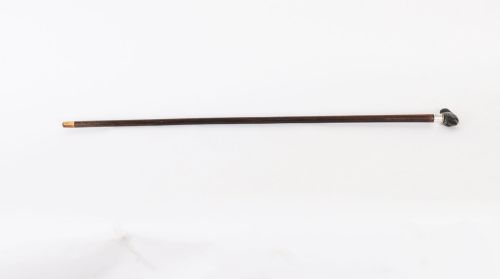
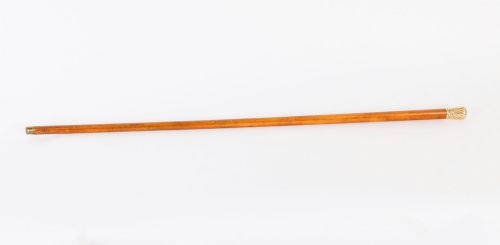
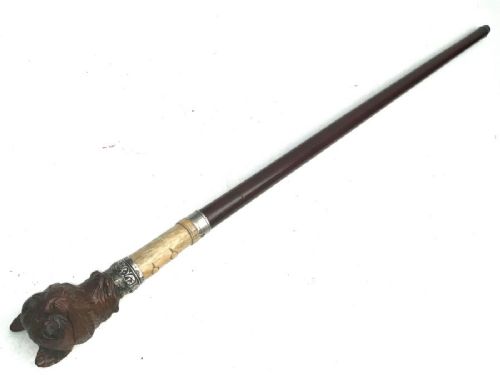
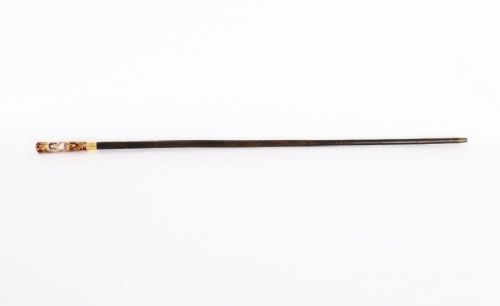
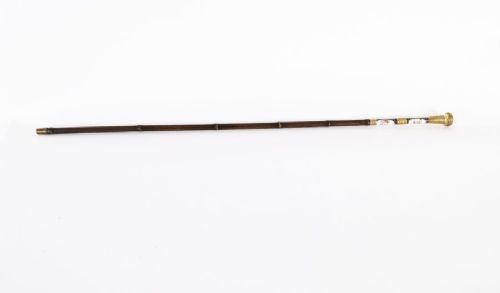
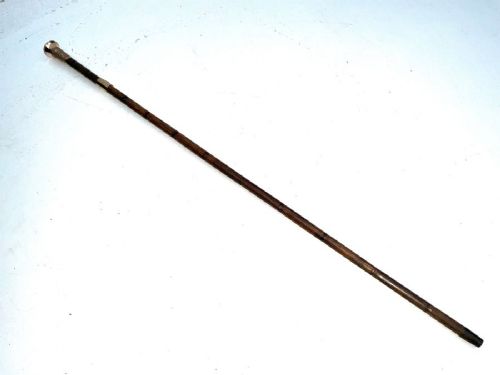
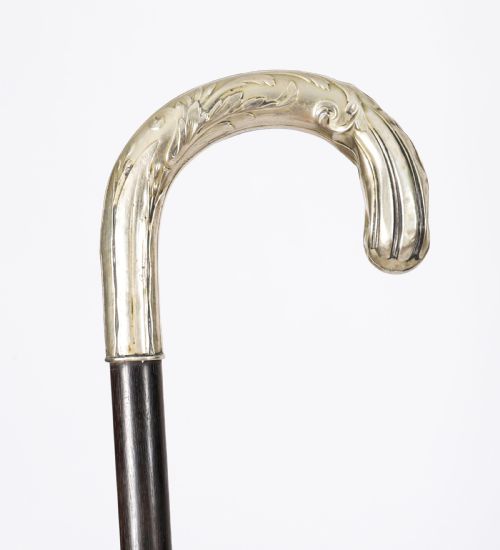
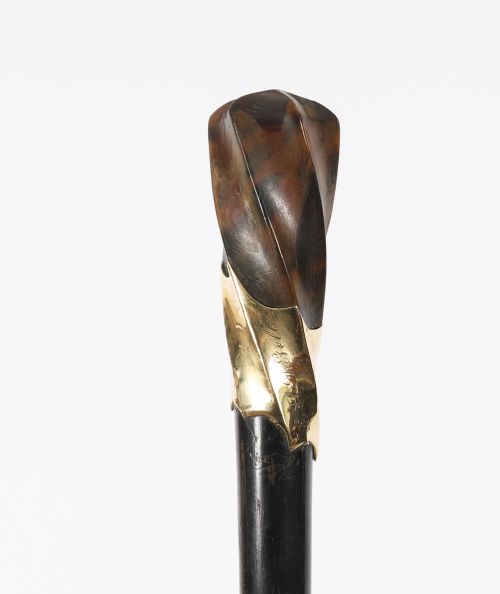
The versions most commonly met on this page include traditional wooden shafts paired with silver, gold, horn, or porcelain handles. Many examples combine standard support functions with concealed mechanisms such as hidden blades or corkscrews.
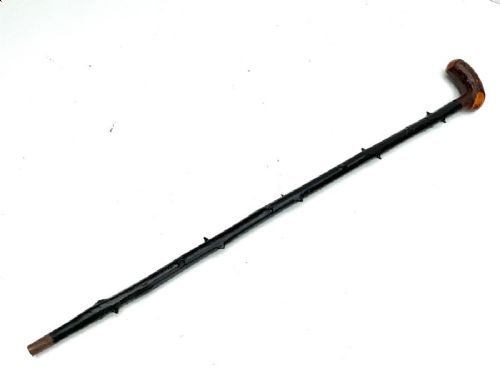
Periods represented stretch from the Victorian and Edwardian eras into the Art Deco and Art Nouveau movements. Makers utilised diverse regional materials, producing both formal city canes and rustic Irish blackthorn or folk art pieces.
Materials and construction
Craftsmen shaped shafts from hardwoods, palm wood, malacca, ebonised timber, holly, and blackthorn. These natural woods provided the necessary strength and flexibility for daily walking support.
Handles and pommels utilised sterling silver, 18ct gold, brass, steel, bone, horn, leather, and Sevres porcelain. Metal components frequently received detailed engraving, silver plating, or damascene inlay work.
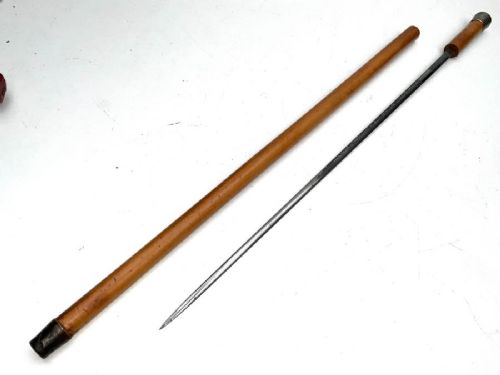
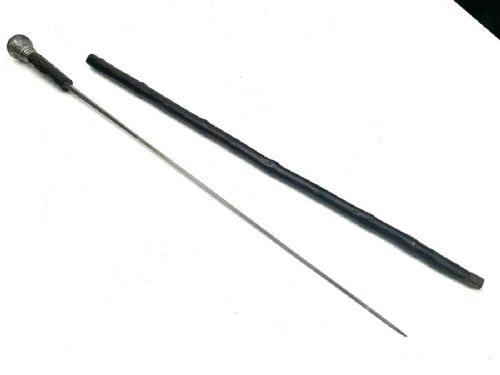
Concealed elements required precise metalworking to integrate hidden sword blades, corkscrew mechanisms, and novelty animal heads into the upper portion of the shaft.
Several walking sticks double as practical social tools, hiding everything from corkscrews to razor-sharp steel blades inside.
Determinants of quality
Quality rests upon the fineness of the handle material and the intricacy of its modelling, such as hand-carved animal heads or painted porcelain. Plain wooden knobs sit at one end of the scale, whilst solid gold pommels and detailed silver figures represent the other.
The complexity of the internal mechanism dictates the standard of execution in functional pieces. Simple walking supports differ significantly from sticks housing concealed Toledo steel blades or specialised novelty gadgets.
The integrity of the shaft and the cohesion between handle and timber determine overall preservation. Items retaining original finishes and uncompromised structural joins demonstrate superior historical manufacture.
Brigg
The Collectable Cane Glossary
- Pommel
- The rounded knob or handle at the top of a walking stick. This decorative feature often displays precious metals or carved animal forms.
- Swagger stick
- A short, light stick carried by military officers as a mark of authority. These pieces are typically slender and highly portable.
- Sword stick
- A walking cane containing a concealed blade within the wooden shaft. A release mechanism secures the blade safely inside until needed.
- Malacca
- A sturdy reed derived from Southeast Asia, prized for its mottled brown appearance and resilience in cane manufacturing. It formed a popular choice for quality walking sticks.
- Damascene
- The art of inlaying different metals into a dark background steel to produce intricate patterns. This technique appears on specialised imported cane work.
Collectable Cane: Frequently Asked Questions
What is a sword stick?
A sword stick is a walking cane engineered with a hollow shaft that conceals a metal blade. The handle acts as the hilt when the blade is drawn.
Historically, these pieces provided personal protection for travellers navigating unlit streets during the Victorian and Edwardian periods.
How do I identify the period?
Dating relies upon stylistic markers such as Art Nouveau curves or Victorian silver hallmarks stamped onto the handle mounts. Material choices and manufacturing techniques also align with specific decades.
Examining maker marks or hallmarks helps narrow down the exact year of production.
Were these canes used daily?
Gentlemen and military officers carried these items as standard elements of outdoor attire. They offered physical support while walking and functioned as visible symbols of social standing.
Specialist variants served niche purposes, such as golf spectator sticks or novelty conversation pieces.
How should I display a cane?
Canes fit well in hallway umbrella stands or wall-mounted display racks that secure the shaft safely. Displaying them vertically prevents warping of the wooden structure over time.
Keeping pieces away from direct sunlight and excessive humidity preserves the natural wood and metal finishes.