


Silver Collared Cane
A silver collared cane offers gentlemanly support and concealed steel, combining practical utility with Victorian and Edwardian craftsmanship.
Silver Collared Cane
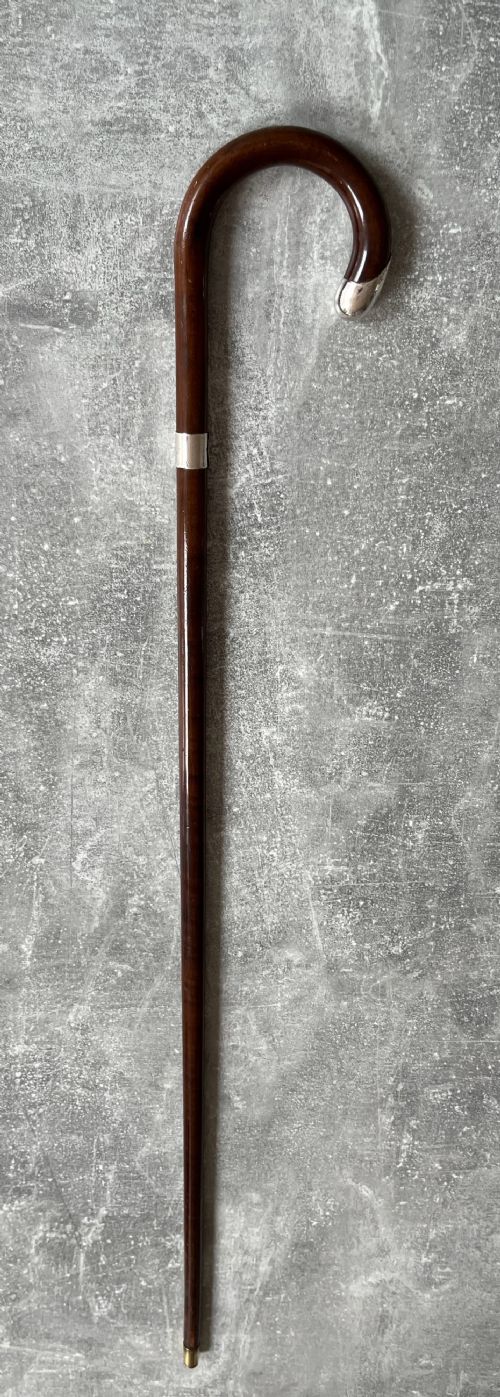
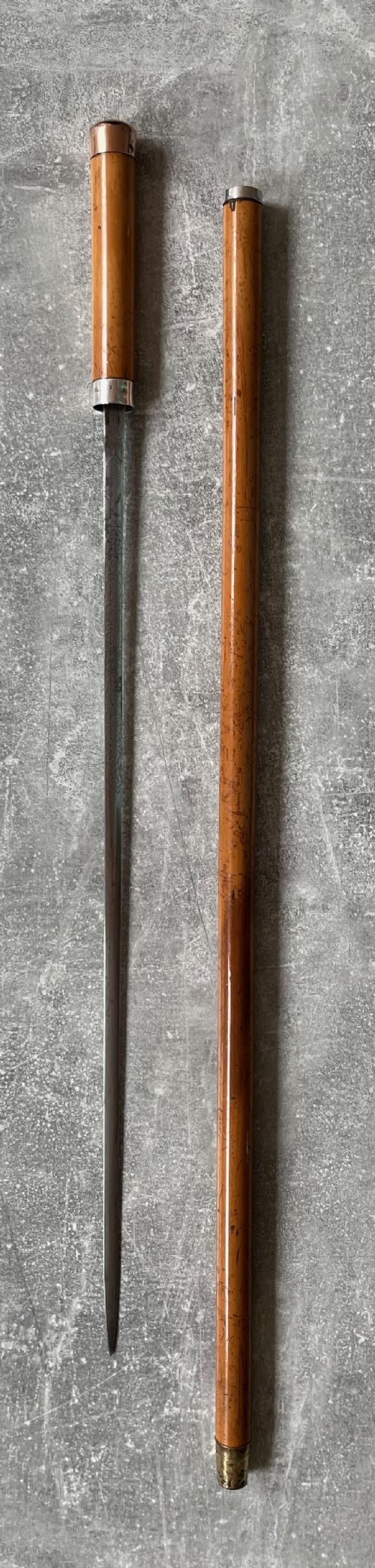
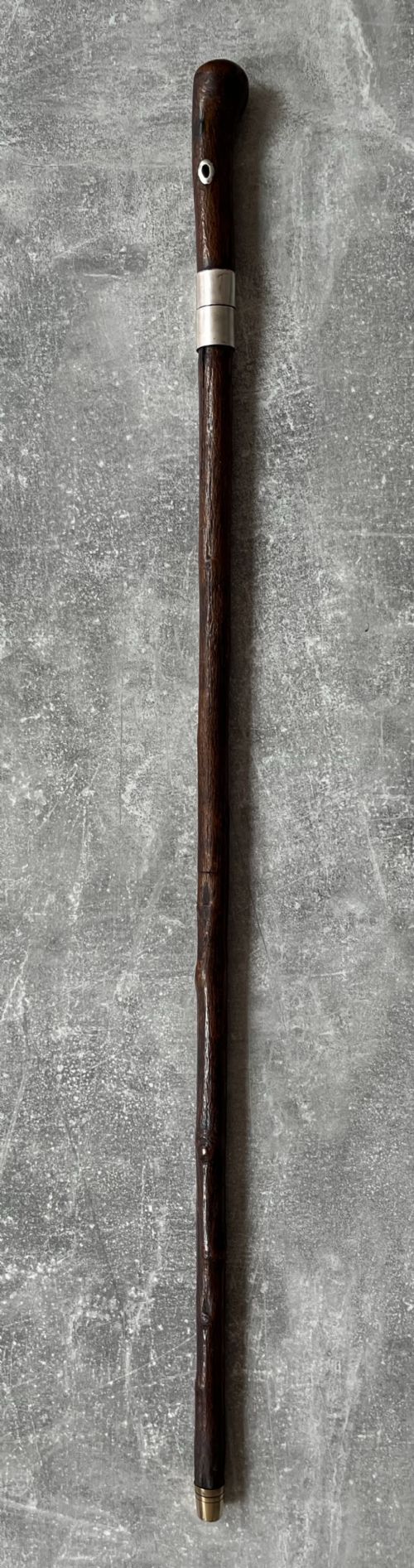
A silver collared cane is a walking stick featuring a metal band below the handle, often paired with wooden shafts and occasionally housing concealed blades.
The pieces on this page span the nineteenth century, the Edwardian era, and the art deco period, taking forms such as walking sticks, riding crops, and sword sticks.
Makers utilised woods like malacca, hazel, rosewood, and palm alongside horn, bone, and silver mounts to produce functional items for gentlemen.
Materials and construction methods
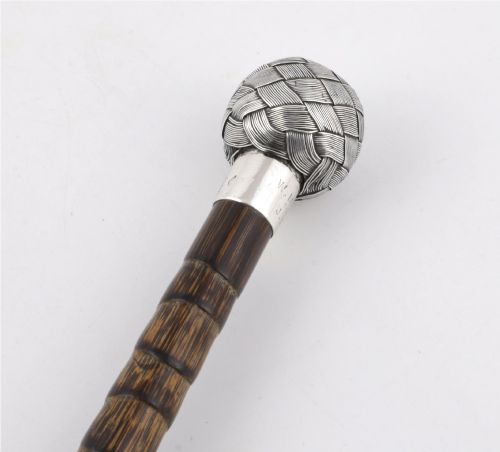
Craftsmen fitted silver collars around the upper shaft to secure wooden or cane bodies made from malacca, ebonised wood, and bamboo.
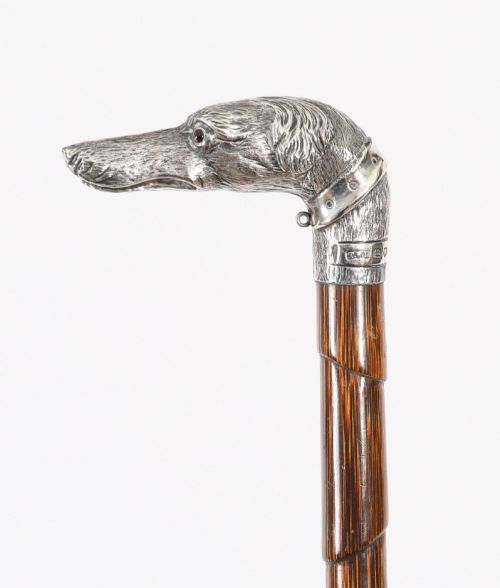
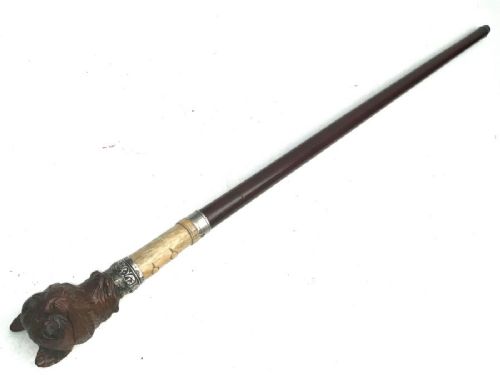
Handles utilised diverse materials including horn, bone, steel, and brass, sometimes incorporating novelty animal heads or intricate wire knots.
Certain specimens concealed Wilkinson or Toledo sword blades within the wooden housing, requiring precise metalwork and fitted collars.
Keep your wits about you when inspecting these pieces, as a gentlemanly stroll might suddenly reveal a hidden corkscrew or a rabbit handle.
Distinctions in craftsmanship
Quality separates standard wooden shafts from specimens featuring detailed silver mounts, engraved collars, and carved handles depicting animal heads like boars and greyhounds.
The sophistication of the concealed mechanism defines better examples, particularly those integrating hidden sword blades, snuff boxes, or corkscrews within the cane.
Wilkinson·Henry Borlase Stevens
The Silver Collared Cane Glossary
- Malacca cane
- A tropical palm stem known for its light brown mottled finish and strength, frequently utilised for walking sticks.
- Sword stick
- A walking cane containing a concealed steel blade within the shaft.
- Silver mount
- Decorative metalwork fitted to the handle or collar of a cane.
- Ebonised wood
- Timber treated to resemble ebony, providing a dark and polished finish.
- Wilkinson blade
- A steel blade produced by the renowned maker, often found in military or gentleman's walking sticks.
Silver Collared Cane: Frequently Asked Questions
What is a silver collared cane?
A silver collared cane is a walking stick featuring a decorative metal band just beneath the handle. These items served as gentleman's accessories during the Victorian and Edwardian periods.
Many examples combine functional wooden shafts made from malacca or ebonized wood with silver mounts, and some conceal functional steel blades inside.
How do I identify the period?
Dating relies on style markers, hallmarks, and materials associated with the nineteenth century up to the art deco era. Victorian pieces often display ornate animal head handles or detailed silver work.
Edwardian and later twentieth-century specimens reflect changing design preferences while maintaining traditional mounting techniques on wooden shafts.
Were these canes used as weapons?
Certain walking sticks functioned primarily as sword sticks, housing steel blades from makers such as Wilkinson or Toledo. These were carried for personal protection by gentlemen.
Other variants incorporated hidden compartments like snuff boxes or corkscrews, serving social rather than defensive purposes during daily walks.
What woods were used for shafts?
Shafts utilised materials recorded in nineteenth and early twentieth-century examples, including malacca cane, bamboo, hazel, palm wood, and rosewood. Ebonised finishes were also common.
These timbers provided the necessary rigidity and durability to support the silver collars and varied handles.