
Gentlemans Cane Handle
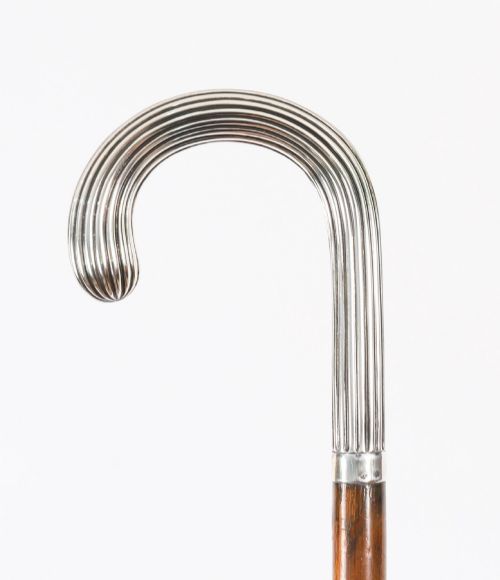
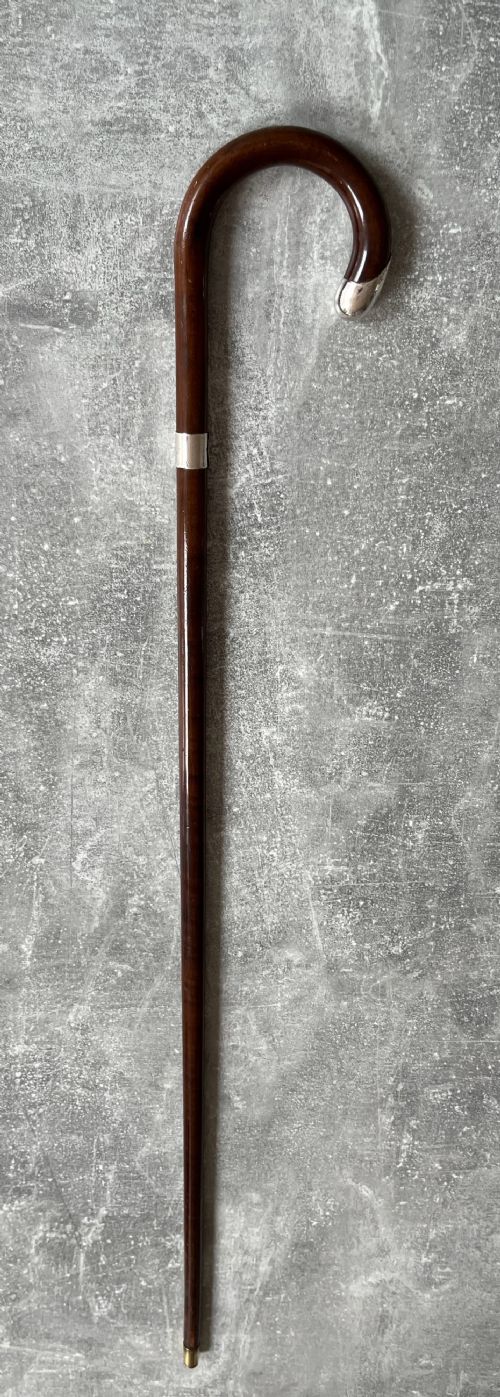
A gentlemans cane handle is the functional yet decorative grip atop a walking stick, often rendered in silver, gold, horn or porcelain.
Gentlemans Cane Handle
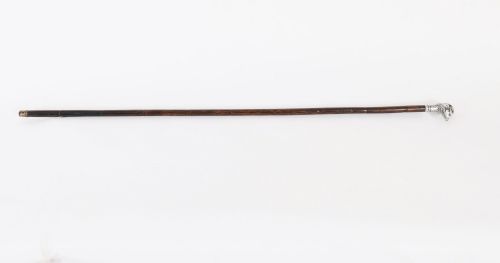
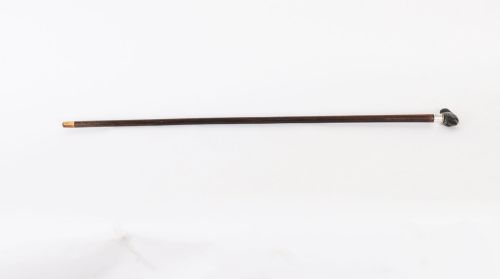
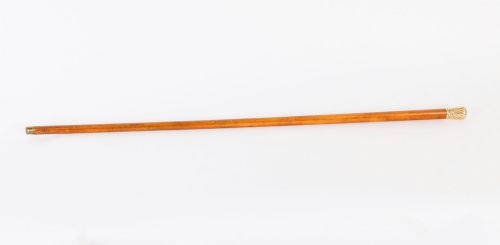
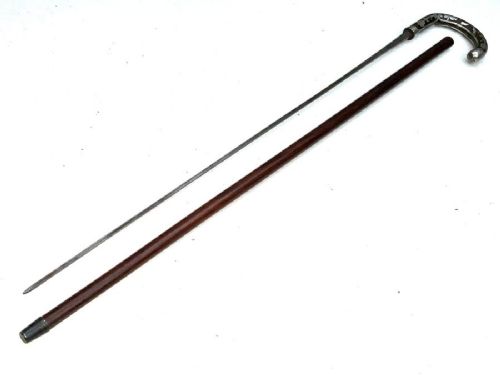
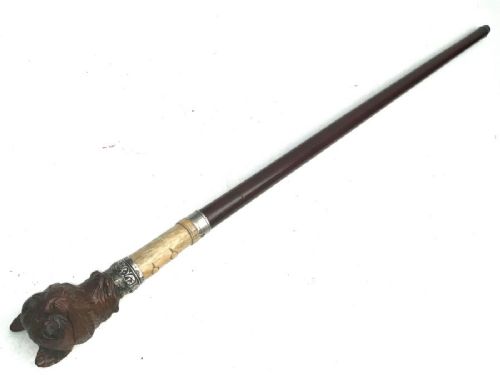
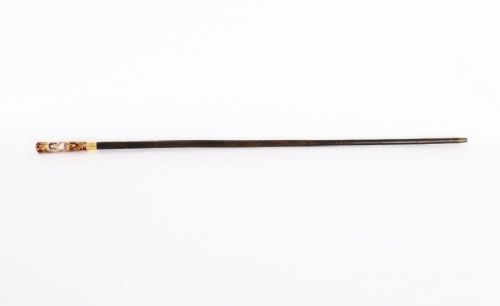
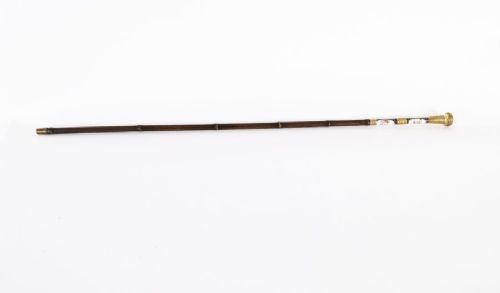
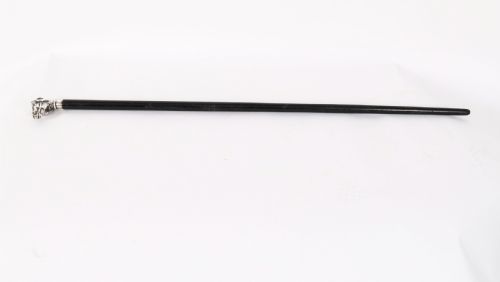
A gentlemans cane handle forms the uppermost grip of a traditional walking stick or sword stick, created to be held comfortably in the palm or over the arm. The versions most commonly met on this page span the Victorian, Edwardian, and Art Deco periods, ranging from plain wooden roots to elaborate animal heads.
Many examples incorporate precious metals, silver mounts, or carved horn, while others conceal hidden blades or functional compartments such as snuff boxes. Their origins stretch across British, French, and Continental workshops, reflecting the diverse tastes of nineteenth and early twentieth-century gentlemen.
How they were made
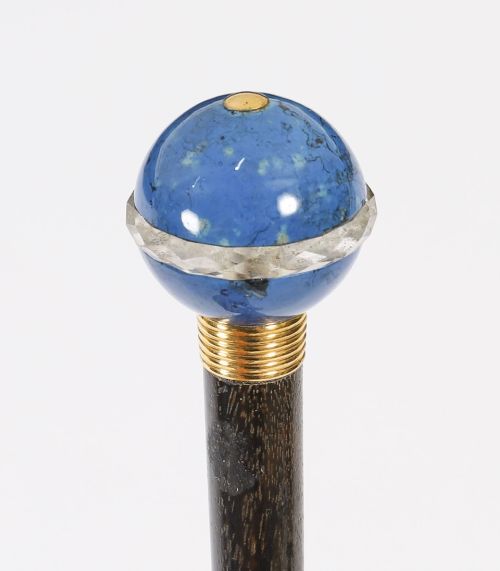
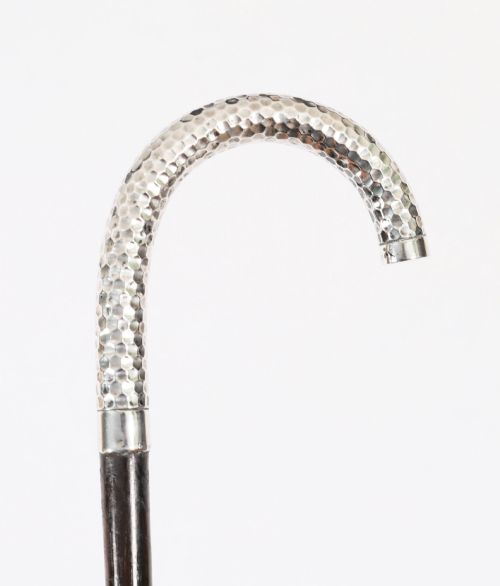
Silversmiths and goldsmiths shaped precious metals into animal heads, pommels, and decorative collars, often employing hallmarking to record the assay office and year. Carvers worked natural materials such as horn, bone, hardwoods, and lapis lazuli into ergonomic curves or novelty figures.
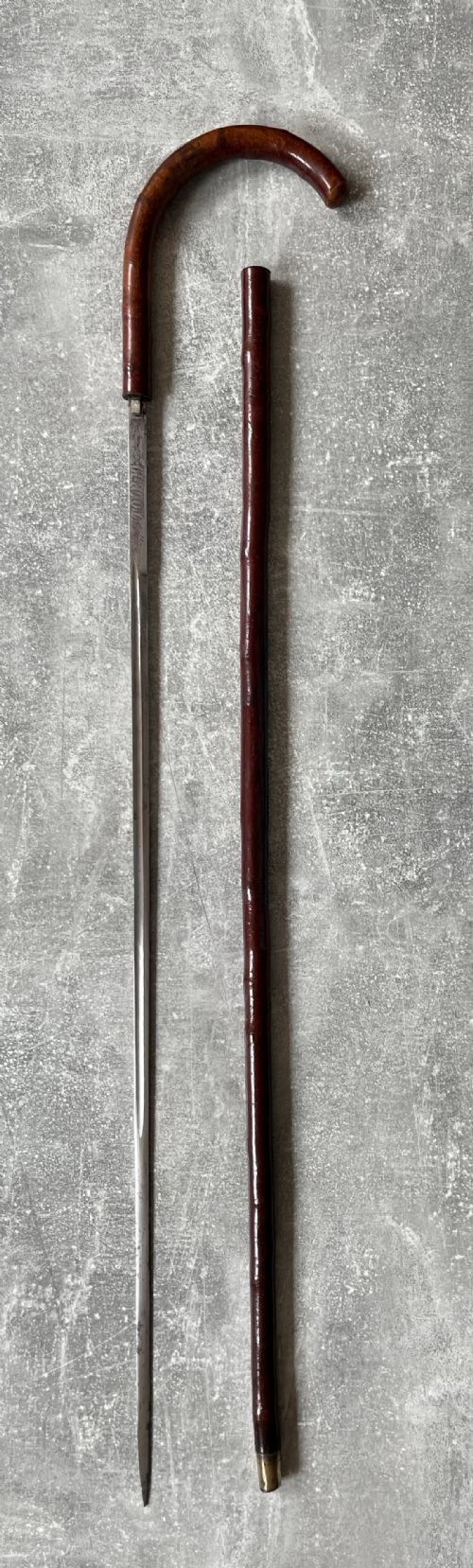
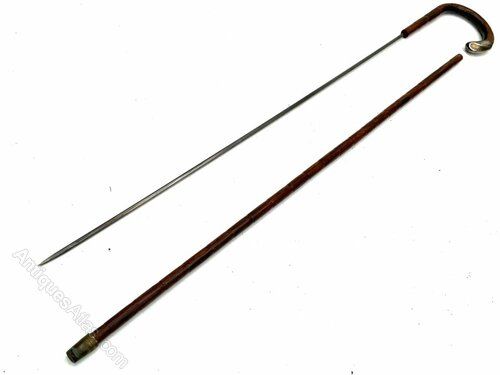
Makers paired these handles with shafts of malacca, partridge wood, cherrywood, or hazel, frequently integrating button releases for concealed Toledo or Wilkinson blades.
Listings span from the 1870s through the 1930s, incorporating materials such as silver, gold, horn, malacca, and Sevres porcelain.
What varies in quality
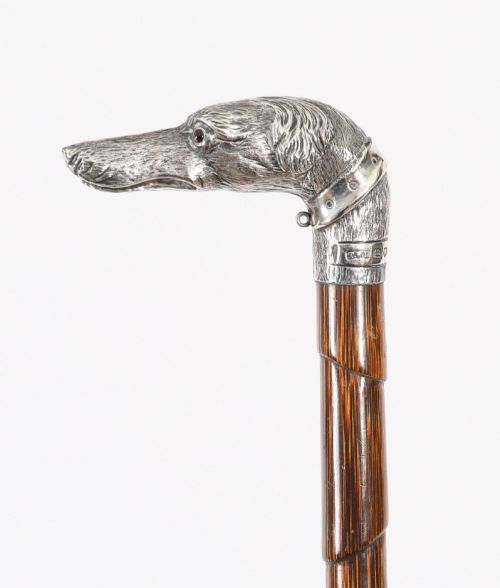
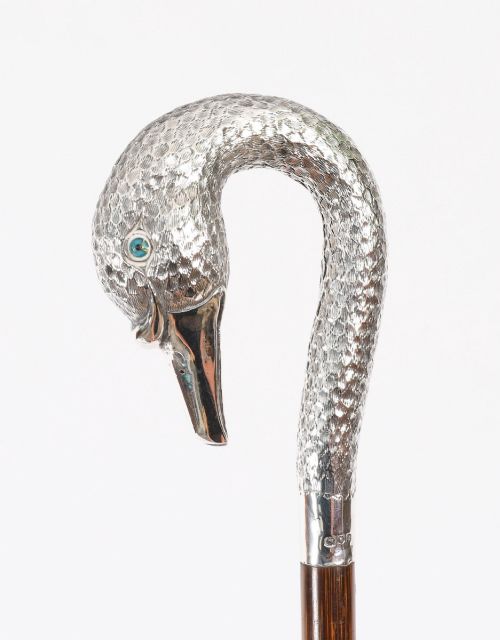
The standard of a gentlemans cane handle rests upon the crispness of the carving and the fidelity of the metalwork, particularly in animal heads and novelty designs. Superior pieces display intricate detailing in feathers, fur, and facial expressions, alongside substantial metal weight rather than thin plating.
Engineering precision distinguishes utilitarian versions from elite examples, ensuring that hidden mechanisms, button releases, and threaded collars operate with seamless alignment.
Briggs·Wilkinson
The Gentlemans Cane Handle Glossary
- Pommel
- A rounded knob forming the top of a handle. It is designed to fit snugly into the palm of the hand during use.
- Malacca
- A sturdy rattan cane imported from Southeast Asia. It is valued for its mottled brown finish and resilience.
- Toledo blade
- A steel sword blade produced in Spain. It is renowned for its strength and fine etching.
- Sevres porcelain
- Fine ceramic material originating from France. It is often painted or glazed and mounted with gold plate.
Gentlemans Cane Handle: Frequently Asked Questions
What materials were used for handles?
Makers utilised sterling silver, gold, lapis lazuli, Sevres porcelain, horn, bone, and various hardwoods.
Precious metals frequently bore hallmarks indicating the year of manufacture and assay office.
How do I identify a sword stick?
Sword sticks feature a concealed blade housed within the wooden shaft, typically accessed via a button release or threaded collar.
Many examples pair these hidden blades with silver collars and carved animal head handles.
Which periods are most common?
The listings predominantly feature pieces from the Victorian and Edwardian eras, alongside late nineteenth-century and Art Deco examples.
French Belle Epoque and Continental designs also appear frequently among the inventory.
How were novelty handles designed?
Novelty handles took the form of carved animal heads, including greyhounds, swans, ducks, horses, and parrots.
Some incorporated functional elements such as snuff boxes or Masonic motifs into the grip.