




Gentlemans Defence Cane
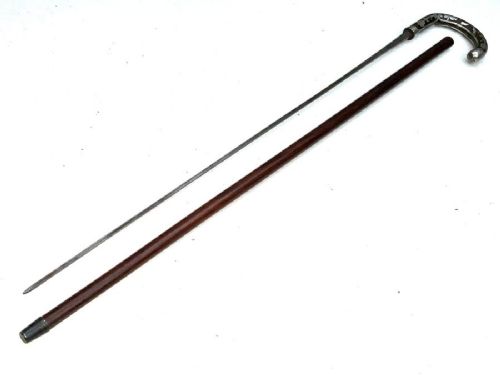
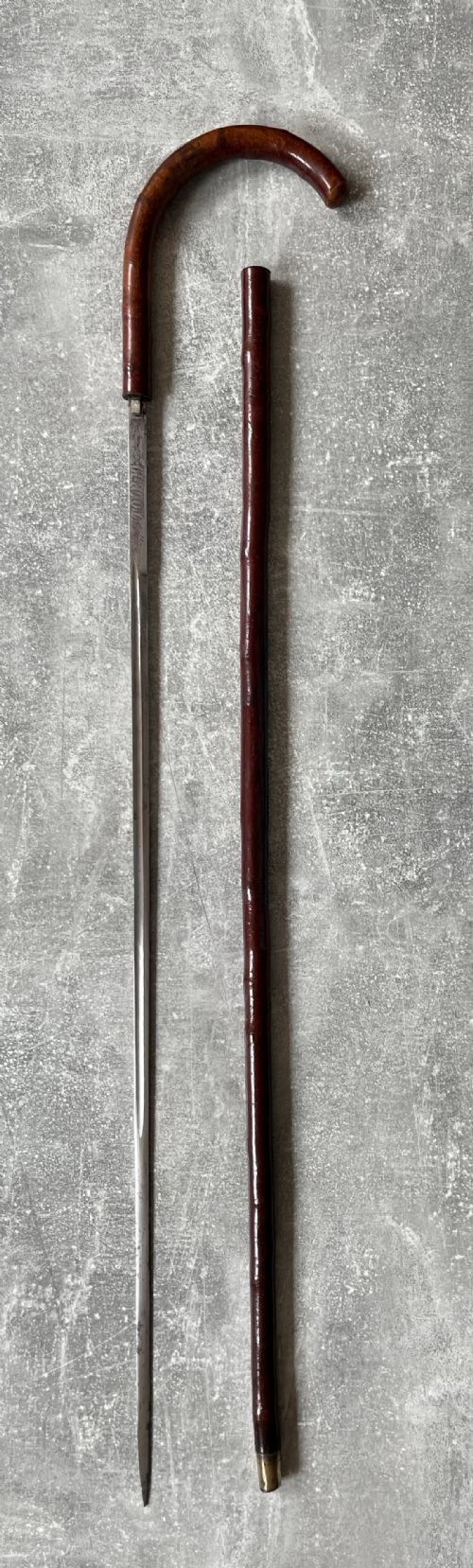
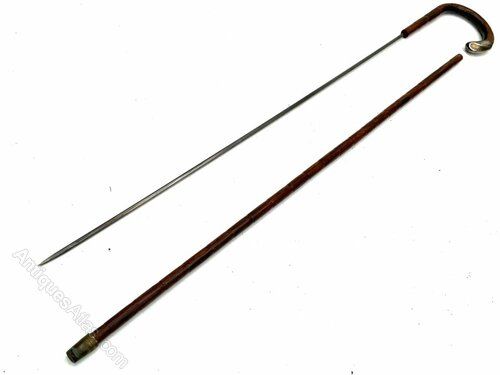
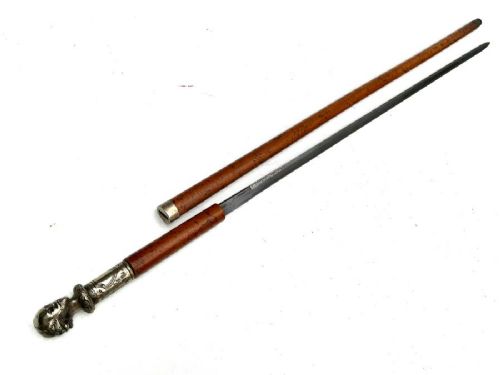
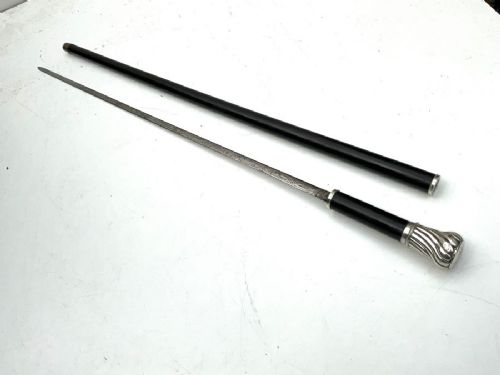
A gentlemans defence cane is a discreet personal protection piece combining a sturdy walking support with a concealed steel blade.
Gentlemans Defence Cane
A gentlemans defence cane is primarily a walking stick housing a hidden blade, designed for personal security during the Victorian and Edwardian eras. These pieces appear across decades from the late nineteenth century through to the nineteen thirties, encompassing styles such as Victorian, Edwardian, and Imperial German.
What varies in quality
Quality differences emerge in the selection of timber for the shaft, the pedigree of the blade, and the refinement of the metal mounts. Pieces featuring named blade makers like Wilkinson or Toledo alongside hallmarked silver collars represent superior craftsmanship.
The handle mechanism and the snugness of the fit between blade and shaft distinguish standard walking sticks from finer bespoke examples. Superior specimens display carved horn, antler, or detailed silver repousse work paired with exotic woods such as malacca.
Listings span the Victorian and Edwardian periods, featuring materials including steel, silver, brass, horn, partridge wood, and ebonised wood.
Brigg·Wilkinson·Kendal
The Gentlemans Defence Cane Glossary
- Sword stick
- A walking cane containing a concealed blade accessed by unscrewing or releasing a locking mechanism.
- Toledo blade
- A steel blade produced in the Spanish city renowned for historic swordsmithing quality. These blades are often stamped to indicate their origin.
- Partridge wood
- A dense, heavily mottled tropical timber utilised for strong walking stick shafts. Its distinctive pattern resembles partridge plumage.
- Malacca
- A smooth, resilient rattan cane featuring characteristic joints, prized for flexibility and strength in walking stick manufacture.
- Repousse
- A metalworking technique where silver mounts or collars are hammered from the reverse side to form raised decorative patterns.
Gentlemans Defence Cane: Frequently Asked Questions
What is a gentlemans defence cane?
A gentlemans defence cane is a dual-purpose walking stick that conceals a steel blade inside the wooden shaft. These items were carried by gentlemen in the nineteenth and early twentieth centuries for personal protection.
They combine the appearance of a standard gentleman's walking accessory with a hidden weapon, often secured with a screw or catch mechanism.
How do I date a defence cane?
Dating relies on examining hallmarks on silver mounts, style markers of the period, and material choices. Victorian and Edwardian examples often feature stamped assay office marks and specific handle designs.
Makers' marks on the steel blades or silver collars provide precise manufacturing years and locations.
What woods are used for shafts?
Shafts utilise durable timbers such as malacca, partridge wood, cherrywood, rosewood, and ebonised wood. These materials offer the necessary rigidity and strength for daily walking support.
Exotic woods like malacca and partridge wood are particularly common due to their attractive grain patterns and resilience.
How do the blade and shaft lock together?
Blades are housed entirely within the wooden scabbard and secured by a friction fit, a twist-lock mechanism, or a release catch near the collar. This keeps the blade firmly in place during normal walking use.
When the handle is pulled, the internal blade slides smoothly out of the wooden housing.