




Concealed Weapon Walking Stick
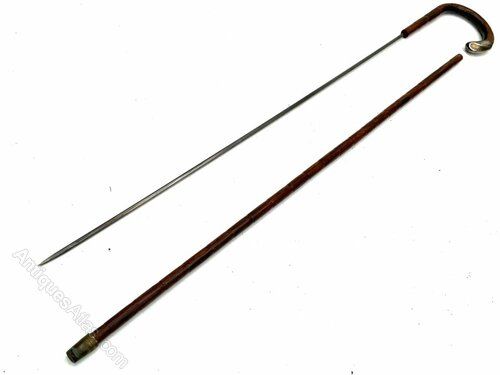
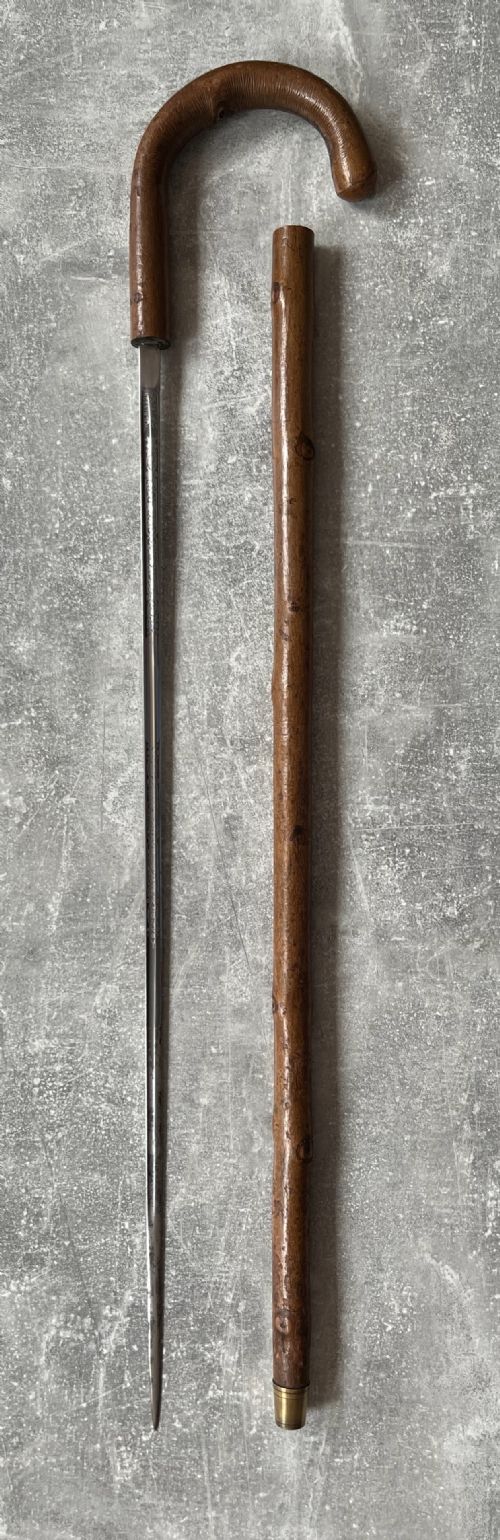
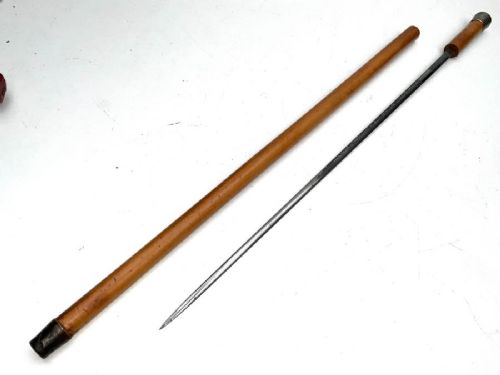
A concealed weapon walking stick is a gentleman's cane housing a hidden blade, combining everyday support with discreet personal defence.
Concealed Weapon Walking Stick
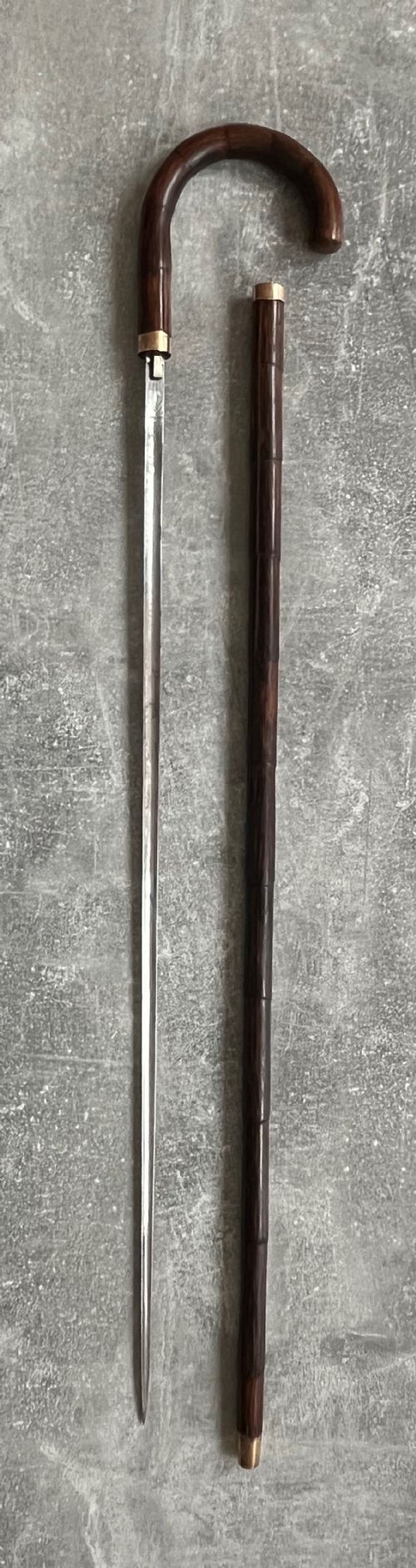
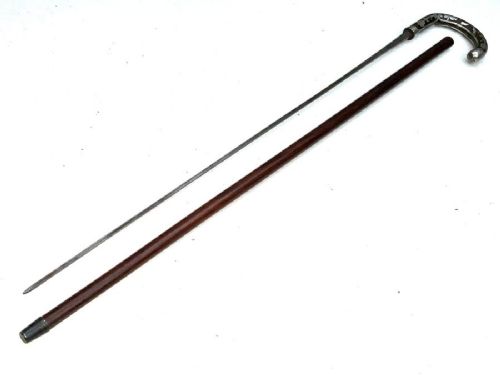
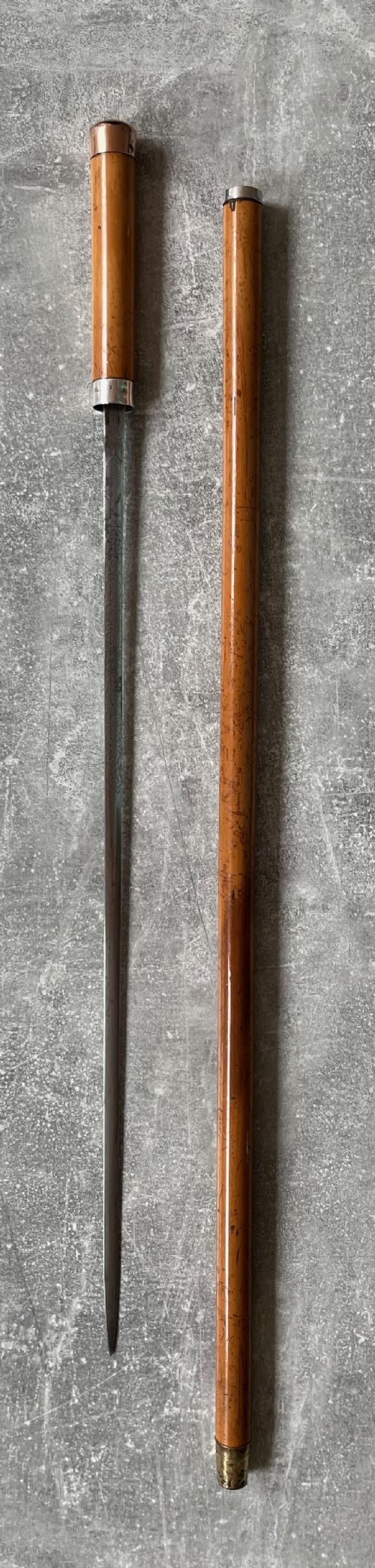
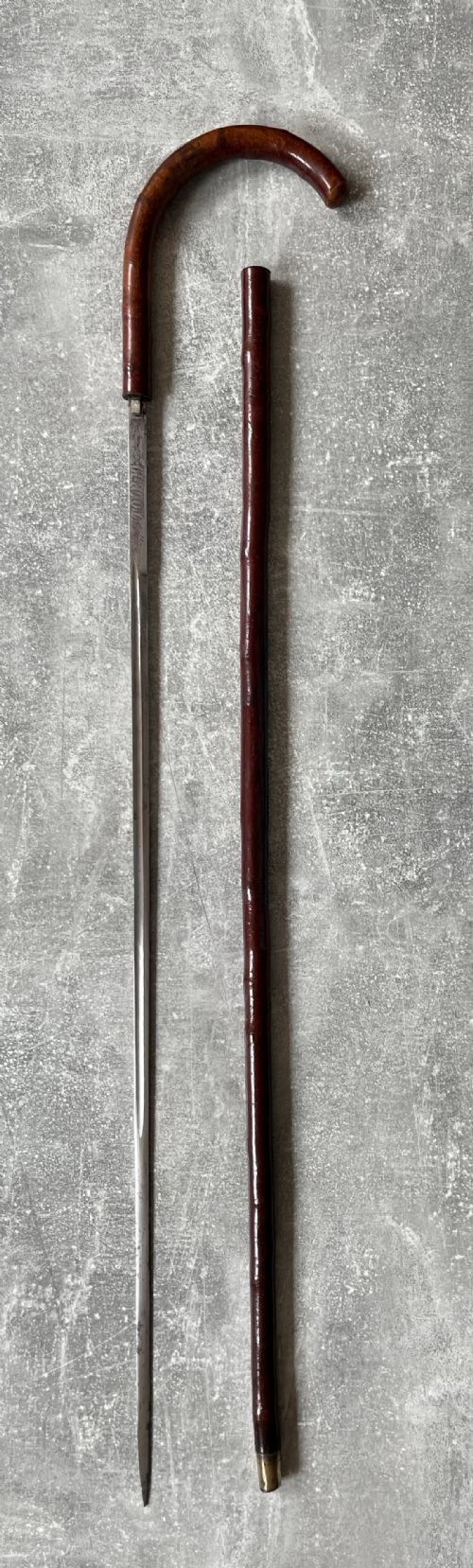
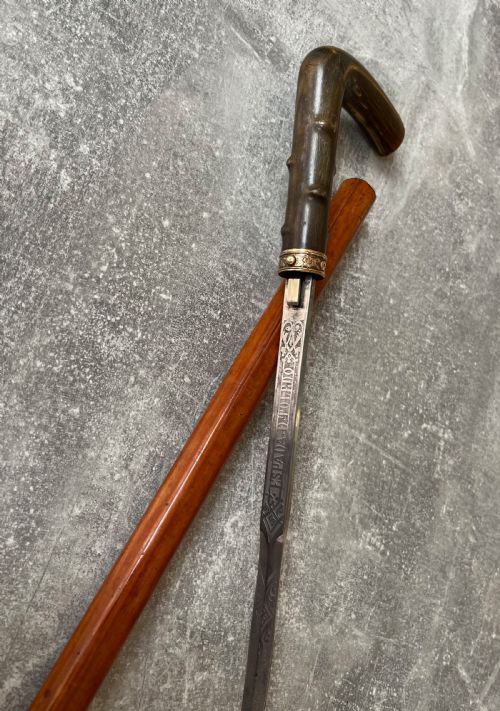
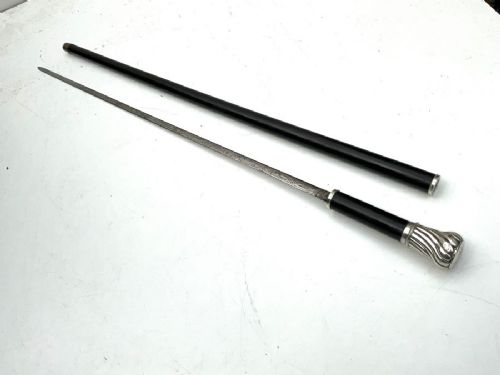
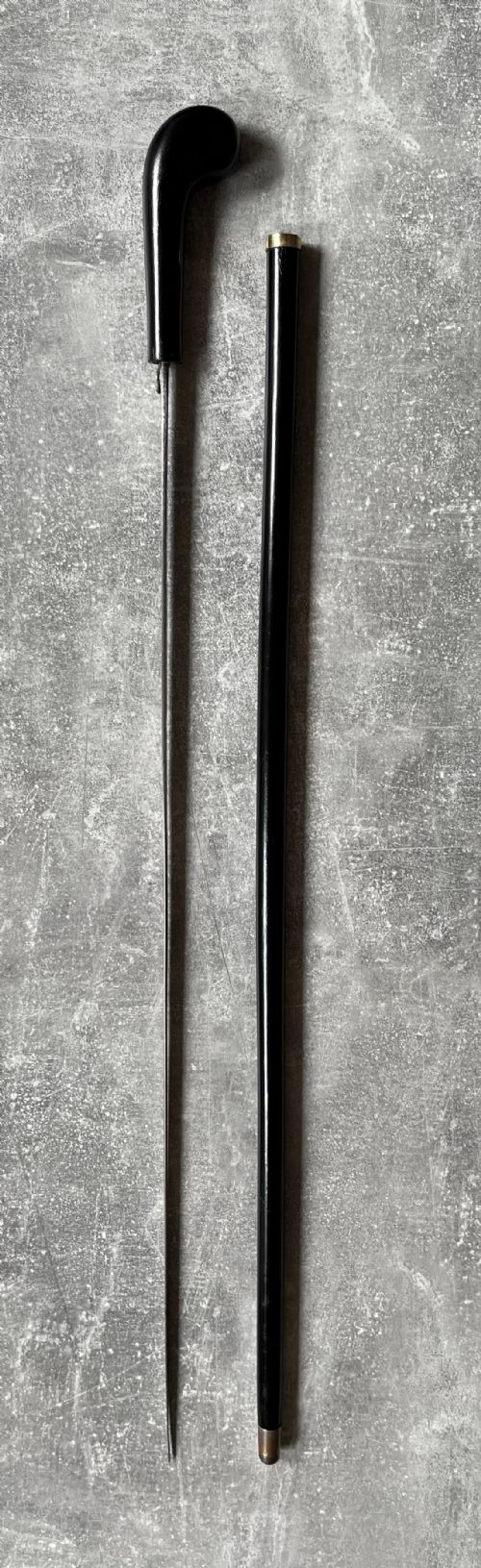
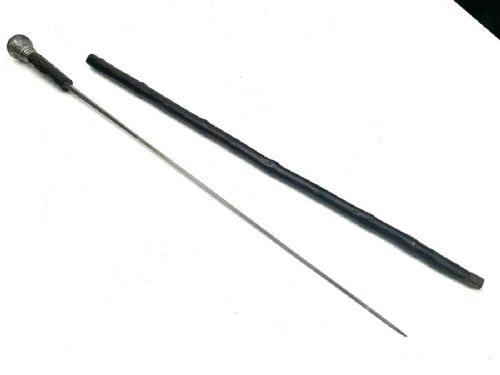
A concealed weapon walking stick usually takes the form of a sword stick, where a steel blade is hidden inside the wooden or covered shaft. These pieces emerge primarily from the Victorian and Edwardian eras, spanning the late nineteenth and early twentieth centuries.
You will encounter various shaft timbers on this page, including malacca, ebonised wood, cherrywood, partridge wood, hazel, holly, bamboo, rosewood, and chestnut, alongside leather and snakeskin coverings. Handles vary from simple root ends and horn grips to crook shapes, hammer head grips, and porcelain or silver knops.
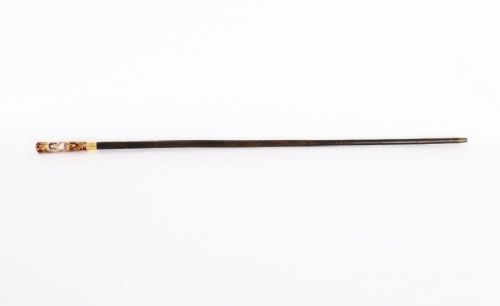
Makers and origins recorded in the listings include English makers like Brigg and Wilkinson, alongside French 19th-century examples featuring Sevres porcelain, gold-coloured collars, and antler handles.
Evaluating quality and craftsmanship
Quality rests upon the refinement of the materials and the precision of the mechanics, such as a flush-fitting button release that secures the blade firmly within the shaft. Fine examples incorporate precious metal mounts, silver collars, or decorated blades alongside distinct handle materials like horn, silver, or Sevres porcelain.
Makers such as Brigg and Wilkinson elevate a piece through superior blade forging and balanced construction, distinguishing standard utility pieces from high-status gentleman's accessories.
Materials documented across the inventory include steel, brass, wood, silver, metal, horn, ebonised wood, and malacca.
Brigg·Wilkinson
The Concealed Weapon Walking Stick Glossary
- Sword stick
- A walking stick containing a concealed blade housed within its shaft. It functions as a dual-purpose accessory from the nineteenth and early twentieth centuries.
- Toledo blade
- A steel blade associated with the traditional smithing techniques of Toledo, Spain. These blades appear frequently in nineteenth-century sword sticks.
- Malacca
- A type of rattan cane known for its mottled brown surface and jointed nodes. It is commonly utilised for walking stick shafts.
- Ebonised wood
- Timber treated to resemble ebony through a dark staining and polishing process. This material provides a uniform black finish on Victorian shafts.
- Knop
- A rounded knob or ornamental handle fitted to the top of a walking stick. These can be formed from silver, porcelain, or horn.
Concealed Weapon Walking Stick: Frequently Asked Questions
What is a concealed weapon walking stick?
A concealed weapon walking stick is a traditional gentleman's cane featuring a hollow shaft designed to conceal a steel blade. These items served as practical walking aids and discrete personal protection during the Victorian and Edwardian periods.
They combine everyday woodwork with hidden metalwork, often released via a button mechanism hidden beneath the handle collar.
How do I identify the period of a sword stick?
Dating relies on examining the materials, hallmarks, and manufacturing styles characteristic of the nineteenth and early twentieth centuries. Victorian and Edwardian examples often feature specific timbers like malacca or ebonised wood paired with silver mounts or specific blade makers.
Assay office hallmarks on silver collars provide precise London date letters, while French pieces from the nineteenth century display distinct aesthetic choices such as Sevres porcelain or snakeskin.
What woods were used for the shafts?
Craftsmen utilised a wide range of natural timbers and materials depending on the desired finish and strength. Common woods include malacca, bamboo, cherrywood, partridge wood, hazel, holly, rosewood, and chestnut, alongside ebonised wood.
Some shafts are further elaborated with leather coverings, root-ended handles, or complete snakeskin wraps over an internal haft.
Who made these walking sticks?
Production was divided between specialist stickmakers, blade smiths, and luxury retailers operating during the nineteenth and early twentieth centuries. Prominent names recorded include Brigg and Wilkinson, alongside French workshops.
Many pieces also feature precious metal mounts bearing silversmith hallmarks and date letters from towns like London.