
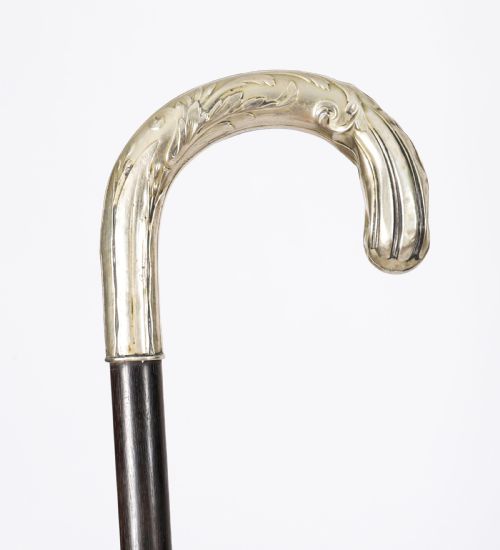


Crook Handled Walking Cane
A crook handled walking cane offers gentlemanly poise and concealed steel, combining practical support with covert craftsmanship.
Crook Handled Walking Cane
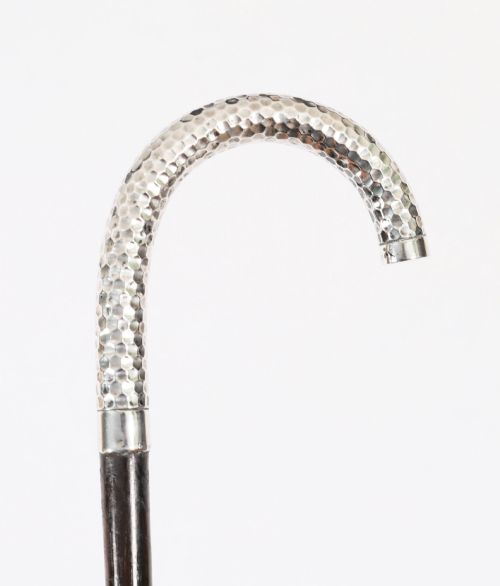
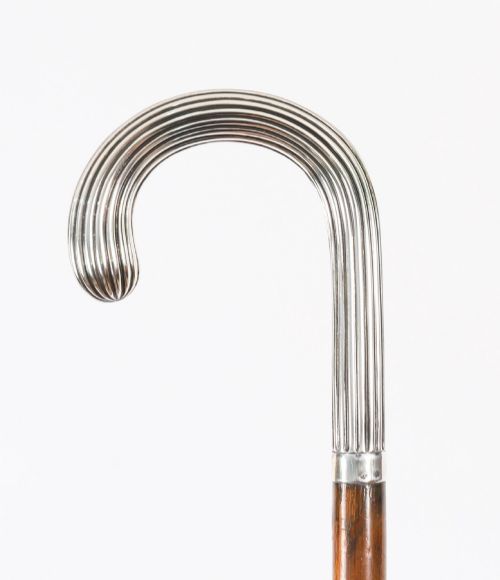
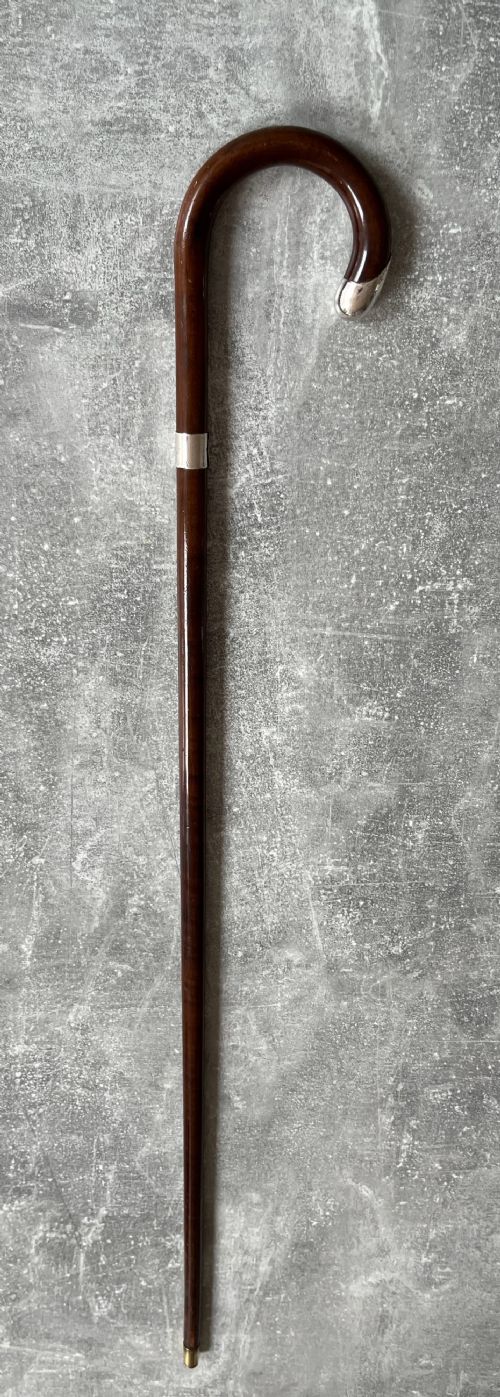
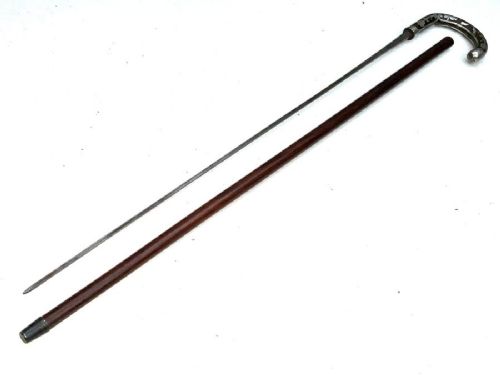
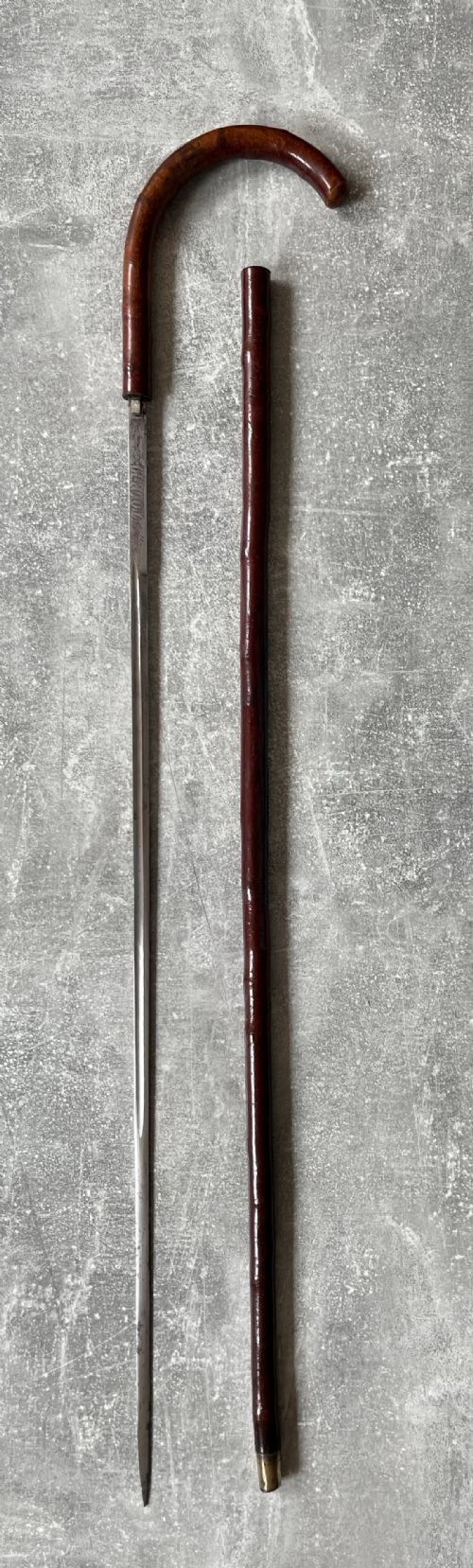
A crook handled walking cane takes many forms across the Victorian, Edwardian, and Art Nouveau periods, appearing most often here in timber or metal mounted varieties. These pieces serve as daily accessories or conceal hidden blades.
The evidence shows examples emerging from French workshops, British makers, and continental makers, spanning from the 1870s through the 1920s. Buyers encounter everything from simple hazel wood shafts to mounted silver handles.
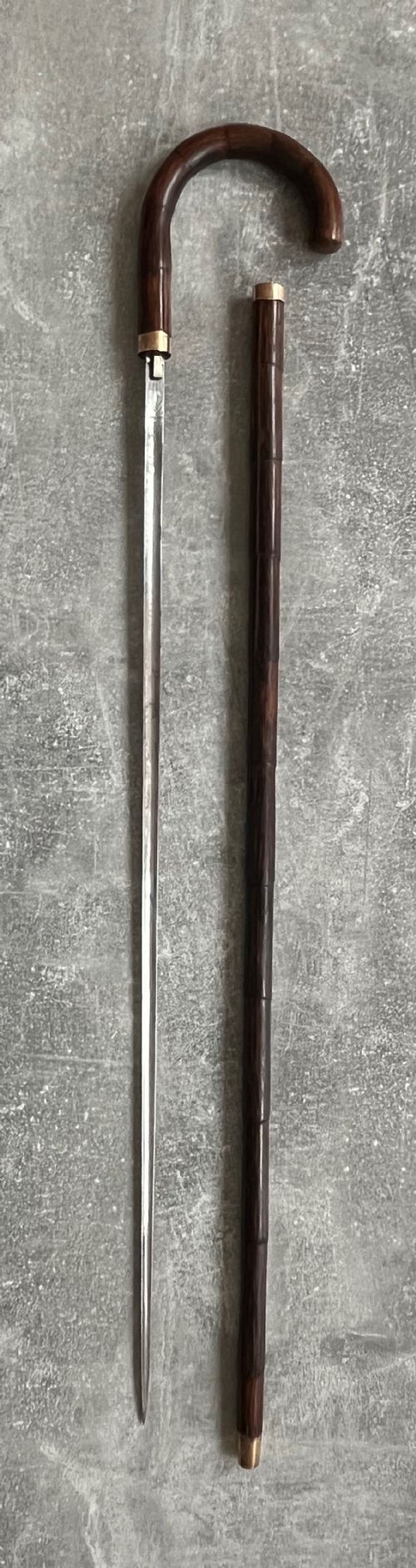
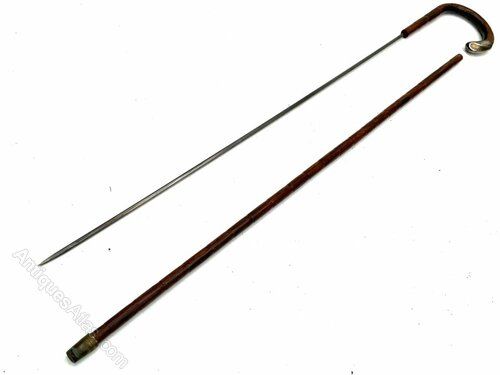
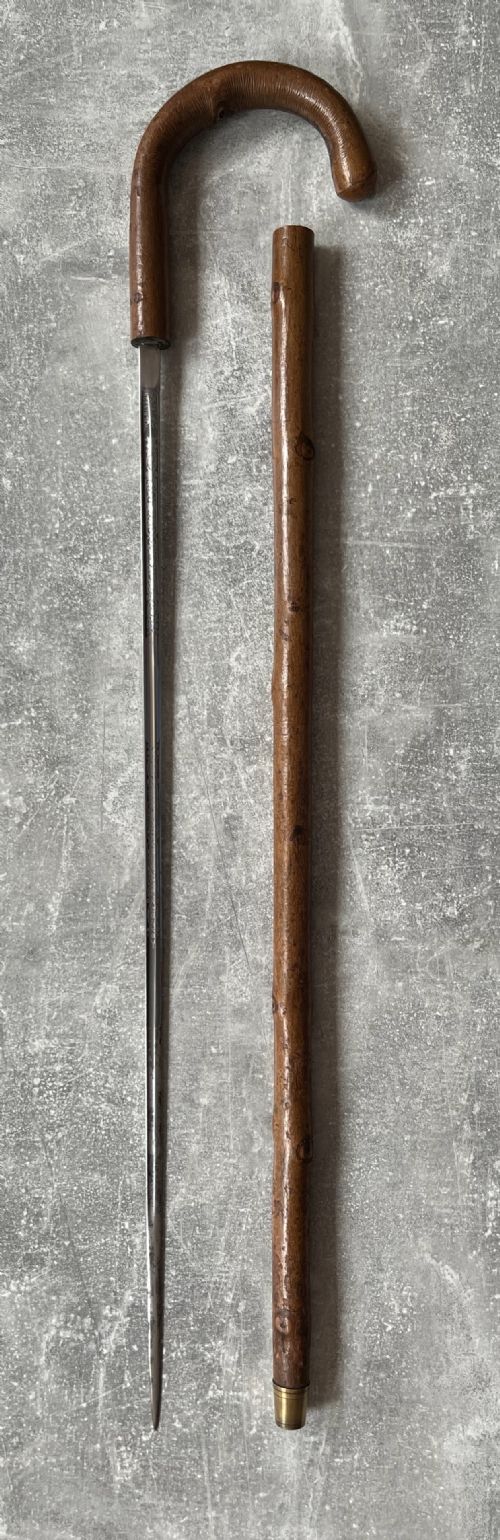
Many items in this category double as sword sticks, incorporating Toledo or Wilkinson blades beneath the crook handle. Others utilise partridge wood, malacca, or cherrywood for the main shaft.
How they were made
Maker construction relies heavily on natural timbers such as partridge wood, malacca, hazel, and ebonized oak paired with metal components. Silver mounts, silver plate, and brass collars secure the crook handles to the wooden shafts.
Blades forged from steel, including Toledo and Wilkinson examples, fit snugly within the hollowed wooden bodies of the sword sticks. Artisans also carve handles from stag horn and shape brass or steel for specialised military and civilian use.
What varies in quality
Quality rests upon the choice of timber and the execution of metalwork, distinguishing standard utility items from elite gentleman accessories. Fine examples employ dense hardwoods like partridge wood alongside marked silver mounts.
The integration of the blade and handle determines the overall caliber of a piece, particularly when signed by notable makers such as Brigg. Superior items display precise embossing on silver handles and seamless joins between crook and shaft.
BRIGG·Wilkinson
The Crook Handled Walking Cane Glossary
- Crook handle
- A curved handle shaped like a shepherd's crook for easy arm hanging. This design provides a comfortable grip for daily walking.
- Sword stick
- A walking cane concealing a steel blade within its shaft. These pieces require a secure locking mechanism to keep the blade in place.
- Silver mount
- A decorative metal collar or cap fitted to the cane shaft. This addition protects the wood and adds visual distinction.
- Partridge wood
- A dense, mottled timber prized for cane shafts. It offers both durability and a striking patterned surface.
Crook Handled Walking Cane: Frequently Asked Questions
What is a crook handled walking cane?
A crook handled walking cane is a traditional accessory featuring a curved top for gripping or hanging over the arm. Many examples from this era also function as concealed sword sticks.
Makers utilised materials like silver, horn, and partridge wood to construct these daily gentlemanly items.
How do I date my walking cane?
Dating relies on identifying style markers from periods such as Victorian, Edwardian, and Art Nouveau. Silver hallmarks and maker stamps provide precise clues to the year of origin.
Examining the construction methods and blade signatures further narrows the manufacturing decade.
Are all these canes sword sticks?
Not every cane conceals a blade, though a significant portion of the selection houses steel blades within the wooden shaft. Standard walking sticks focus solely on support and gentlemanly presentation.
Swords sticks feature discreet joins where the handle separates from the main body.
What materials were used?
Cane makers employed a range of natural hardwoods including malacca, hazel, cherrywood, and partridge wood. Handles incorporated silver, silver plate, brass, and carved stag horn.
Blades were typically forged from steel by established swordmakers.