


Edwardian System Cane
An edwardian system cane combines daily support with a concealed blade or instrument, offering a discreet portable edge for the gentleman collector.
Edwardian System Cane
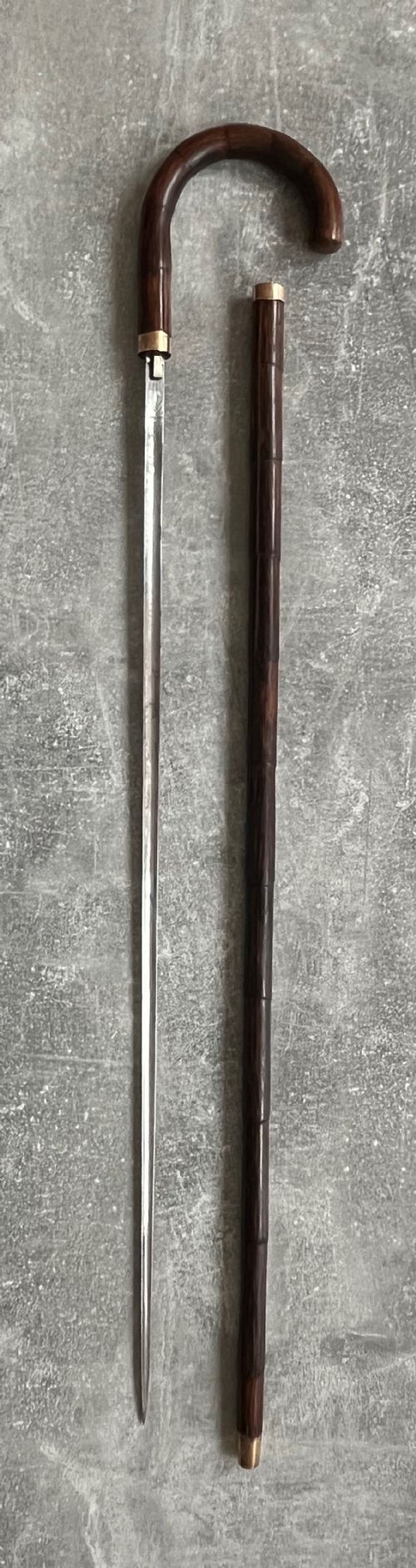
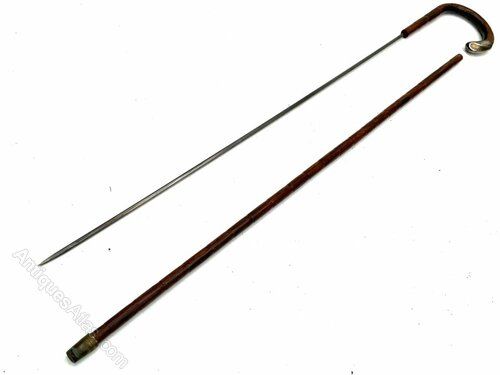
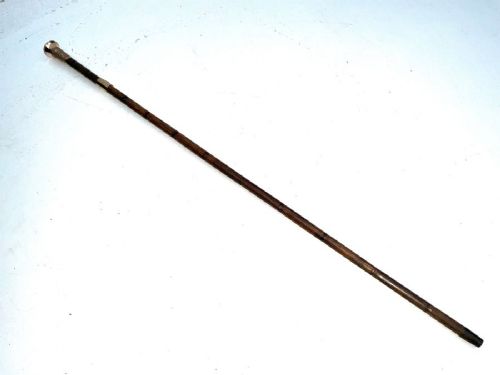
When you search for an edwardian system cane, you are looking at dual-purpose walking sticks that conceal a steel blade beneath the handle. The selection includes Malacca cane and partridge wood shafts fitted with button releases or threaded collars.
You will most frequently meet pieces from the Edwardian period and the late nineteenth century. These shafts often house Toledo blades or specialised functional components.
Masonic and military examples appear alongside simple crook-handled designs. Each piece reflects the formal dress codes of the era.
How they were made
Craftsmen shaped shafts from Malacca cane, bamboo, chestnut, and partridge wood, attaching handles fashioned from horn, bone, antler, and root wood. Metals such as silver and brass formed the collars and mounts that secured the internal mechanisms.
Blades were forged from steel, including Toledo steel, and fitted with button release mechanisms or simple screw threads. These concealed elements required precise joinery to ensure the shaft appeared solid and ordinary from the exterior.
Several examples feature carved silver horses heads and bone pistol grips, proving that practicality rarely interfered with a gentleman's desire for theatre.
What varies in quality
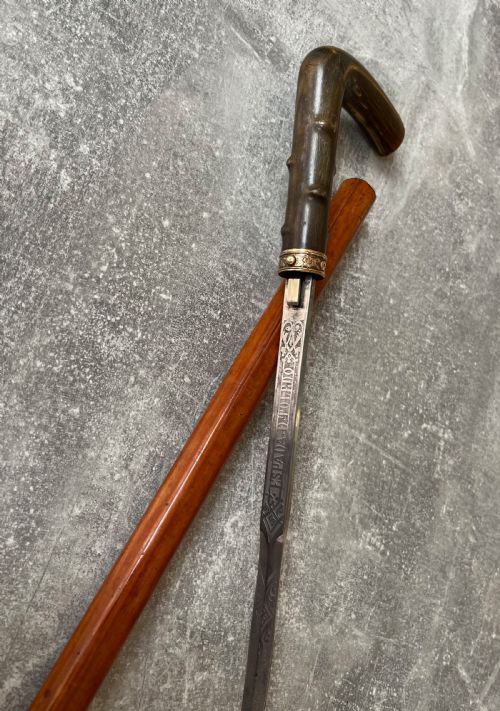
The distinction between a standard walking stick and a superior system cane lies in the refinement of the hidden mechanism and the quality of the blade. Etched Toledo steel and London hallmarks elevate a piece above standard utility items.
Handle materials also dictate the hierarchy, with carved silver, horses heads, and genuine antler marking out pieces made for discerning owners. The seamless alignment of the collar and the shaft determines the overall integrity.
The Edwardian System Cane Glossary
- Malacca cane
- A strong, resilient rattan imported from Southeast Asia, prized for its mottled brown finish and flexibility.
- Partridge wood
- A dense, durable timber featuring distinct partridge-feather patterning, commonly utilised for gentleman's walking sticks.
- Toledo blade
- A steel blade originating from Toledo, Spain, recognised for its temper and flexibility.
- Silver collar
- A decorative and structural metal band fitted beneath the handle to prevent the wood from splitting.
- System cane
- A walking stick that conceals an additional function, most commonly a sword blade or telescope.
Edwardian System Cane: Frequently Asked Questions
What is an edwardian system cane?
It is a walking stick that conceals a steel blade, often accessed via a button release or a threaded collar. These items served as both walking aids and personal protection during the Edwardian era.
Craftsmen built them from materials such as Malacca, partridge wood, and bamboo, fitted with handles of horn, silver, or bone.
How do you open the blade?
Many examples utilise a concealed button release mechanism located near the collar, which disengages a catch to allow the shaft to pull apart. Others rely on a threaded screw mechanism that requires a partial turn to unsheathe the steel.
The precision of these hidden joints determines how smoothly the two sections separate.
What materials were used for the shafts?
Makers selected timbers and canes known for straight grain and resilience, including Malacca cane, partridge wood, bamboo, and chestnut. Some shafts incorporated root balls or faux bamboo carving for texture and grip.
Silver mounts and brass collars frequently reinforced the point where the handle met the main shaft.
Who carried these walking sticks?
Gentlemen, military officers, and Masonic members carried these pieces as part of standard formal attire during the late nineteenth and early twentieth centuries. They provided a socially accepted accessory that doubled as a concealed defence.
Specialised versions also incorporated telescopes or bone pistol grips to suit specific owner preferences.