




Concealed Weapon Walking Cane
A concealed weapon walking cane combines everyday support with a hidden blade, offering gentlemen a discreet means of personal protection during the nineteenth and early twentieth centuries.
Concealed Weapon Walking Cane
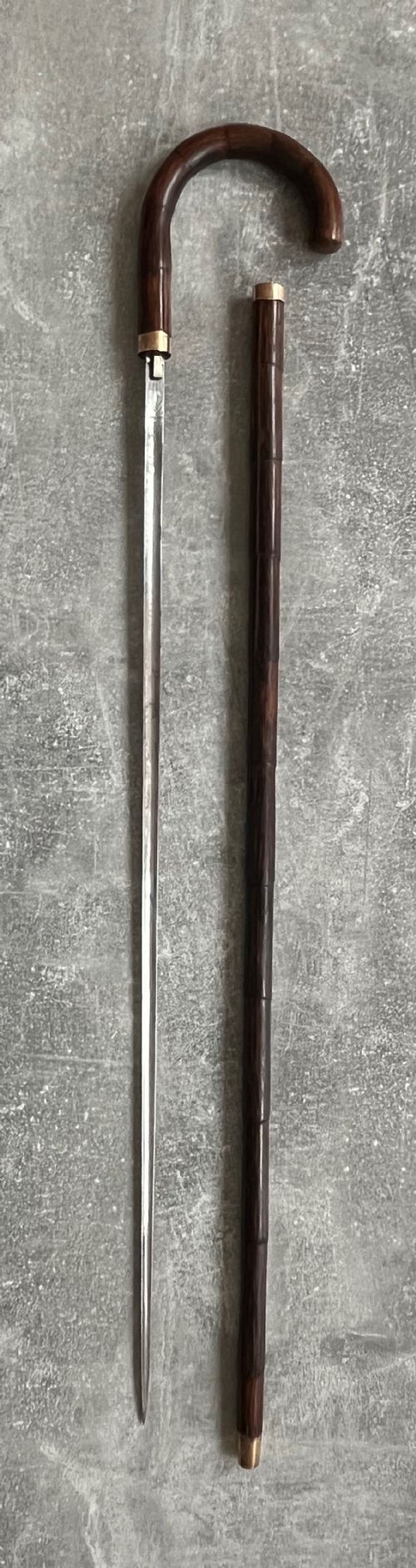
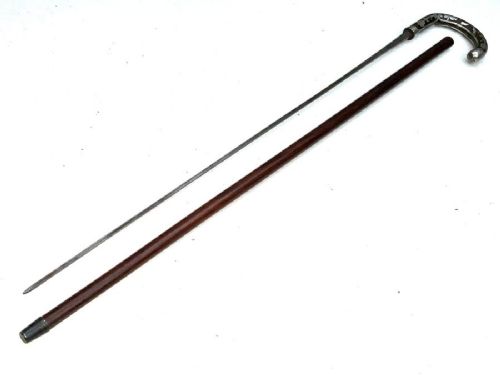
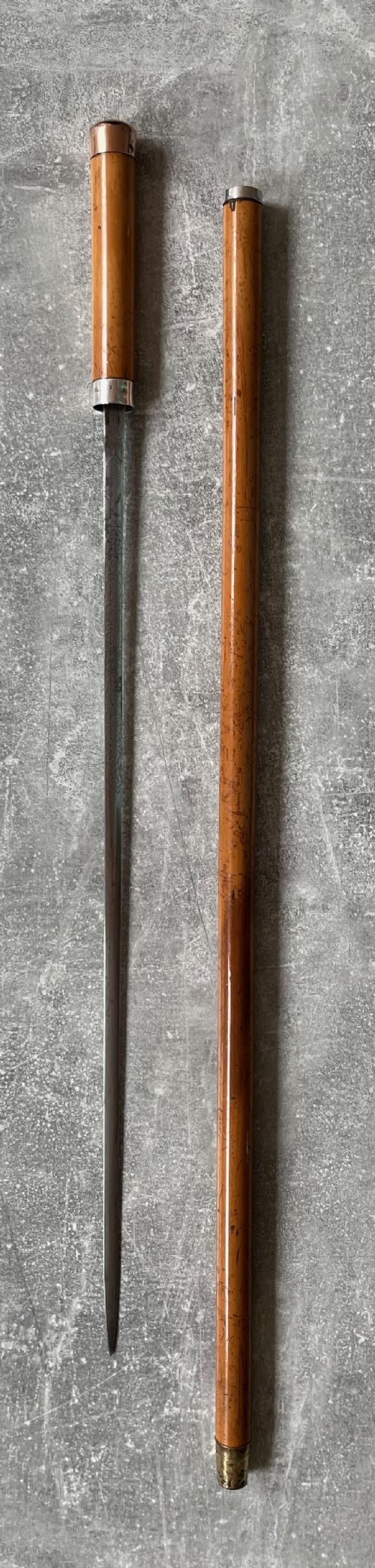
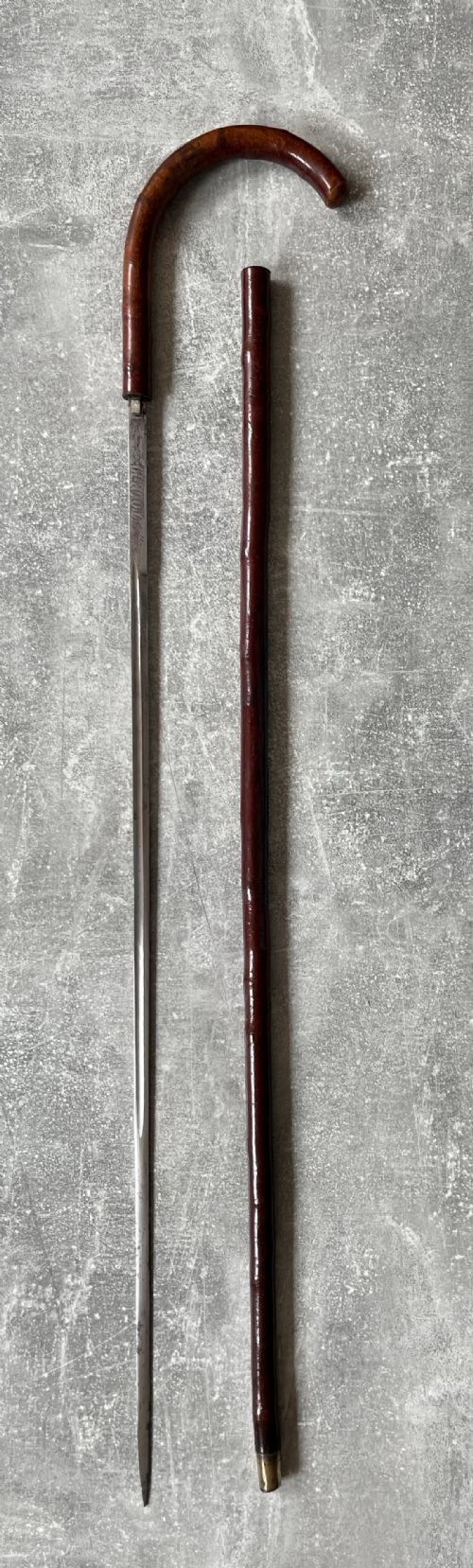
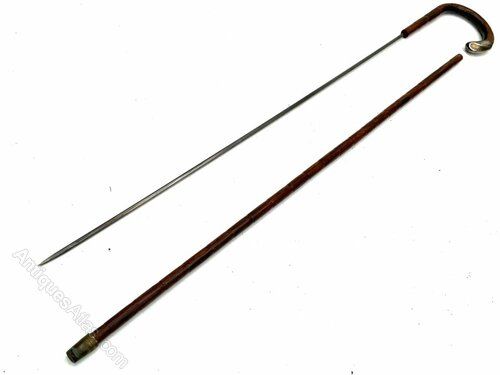
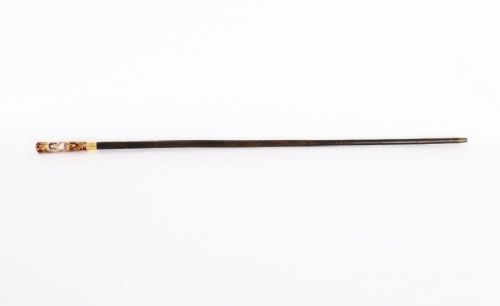
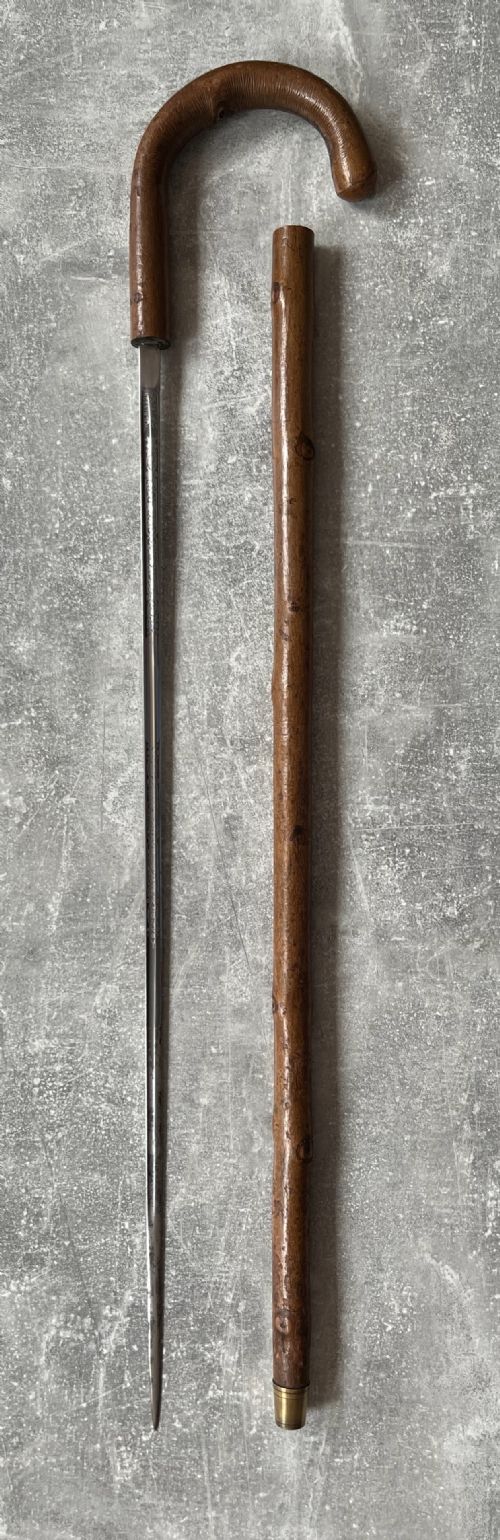
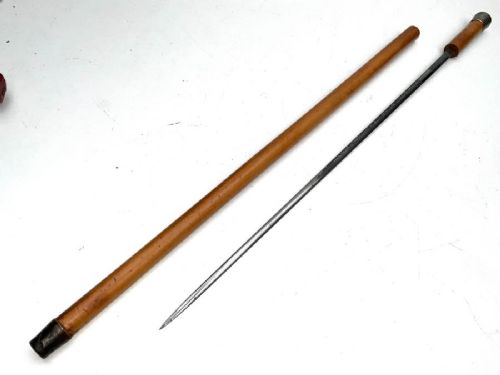
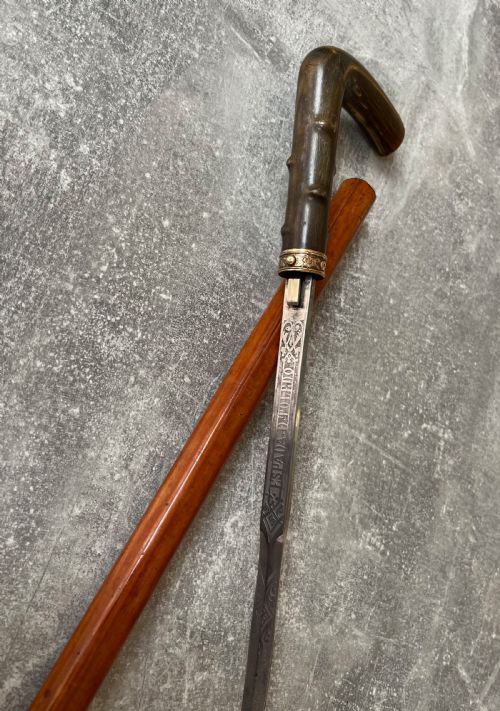
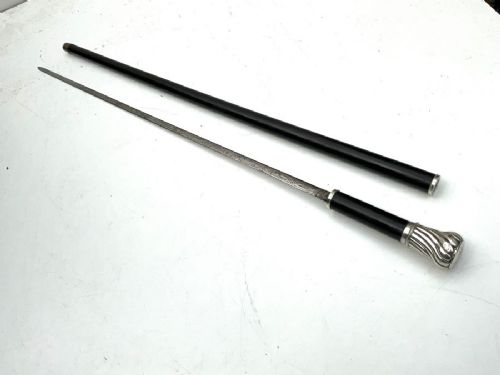
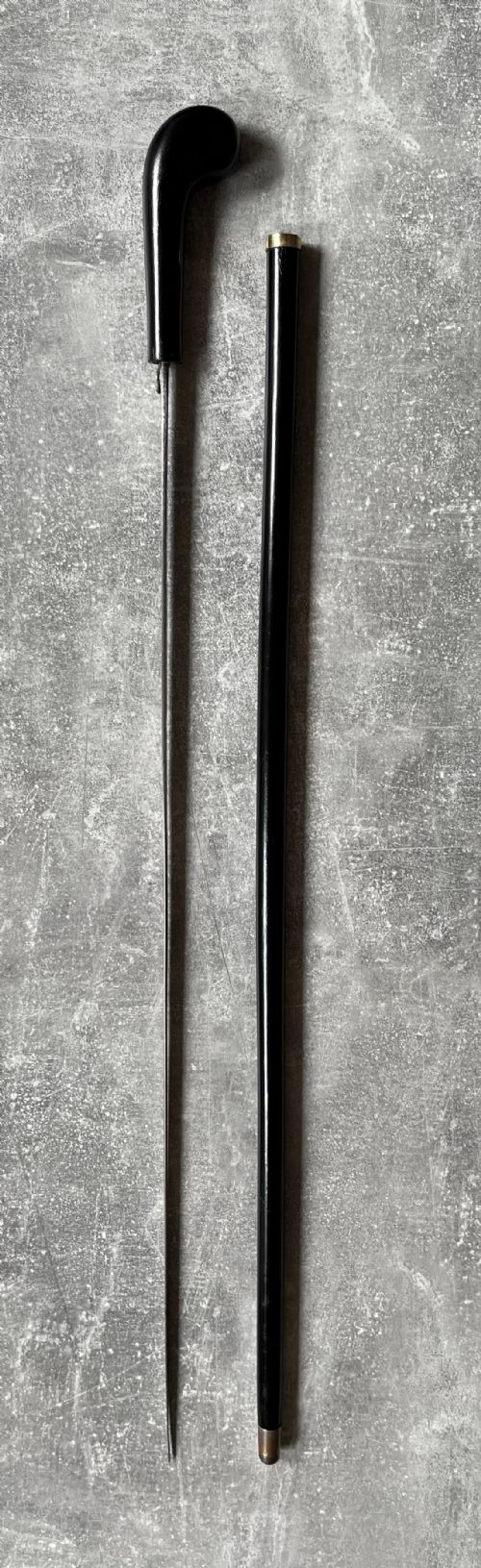
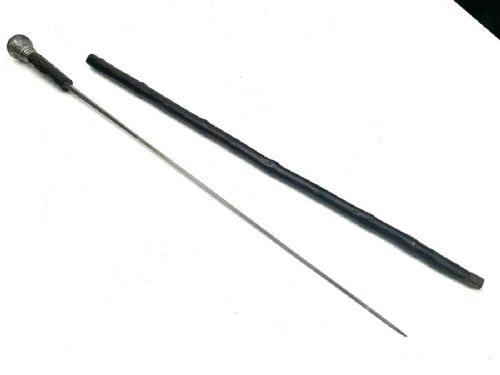
When you examine a concealed weapon walking cane, you encounter functional props housing steel blades beneath various forms of wooden and natural shafts. The items appearing on this page span the Victorian, Edwardian, and early twentieth-century periods, showing considerable variety in their handles and overall construction.
You meet examples fashioned from malacca, ebonised wood, bamboo, and cherrywood, often fitted with button releases or screw mechanisms to secure the blade within the shaft. Handles range from simple crook shapes to hammer heads, root balls, and carved horn, reflecting the personal tastes of past owners.
Origins include British workshops and nineteenth-century French makers, with some pieces featuring specific silver mounts or London assay marks. These walking sticks and sword sticks served gentlemen who required both a walking aid and a concealed defence during urban and rural outings.
Evaluating Quality and Craftsmanship
The distinction between standard examples and superior pieces rests on the precision of the blade fitting and the quality of the handle materials. Finely forged Toledo or Wilkinson blades paired with solid silver mounts and robust button-release mechanisms indicate higher workshop standards.
Listings feature concealed weapon walking canes from the Victorian, Edwardian, and early twentieth-century periods, utilising steel, brass, silver, horn, and malacca.
BRIGG·Wilkinson
The Concealed Weapon Walking Cane Glossary
- Sword stick
- A walking cane containing a hidden steel blade secured within the hollow shaft. These pieces required a reliable release mechanism, such as a button or screw catch, to keep the blade safely stowed during normal walking use.
- Toledo blade
- A steel blade originating from Toledo, Spain, renowned historically for its strength and flexibility. Many nineteenth-century walking canes house these blades for durability.
- Wilkinson blade
- A blade produced by the renowned British sword-making firm, often found in high-quality nineteenth and twentieth-century walking sticks. Their presence indicates superior metalworking standards.
- Malacca
- A type of rattan cane imported from Southeast Asia, prized for its strength, resilience, and distinctive mottled brown finish. It formed a primary material for luxury walking sticks.
- Knop
- A rounded knob or ornamental handle at the top of a walking stick. In concealed weapon walking canes, the knop often conceals the locking mechanism for the internal blade.
Concealed Weapon Walking Cane: Frequently Asked Questions
How do you release the hidden blade?
Most concealed weapon walking canes utilise a simple button release, a screw mechanism, or a friction fit to secure the blade inside the shaft. Pressing the button or twisting the handle disengages the internal catch.
Once released, the blade slides smoothly out of the wooden housing, revealing the steel weapon stored within.
What woods were used for the shafts?
Makers constructed the exterior shafts from a variety of durable timbers, including malacca, ebonised wood, cherrywood, chestnut, and partridge wood. Some pieces feature bamboo or faux bamboo shaping.
Other examples include leather-covered or snakeskin-wrapped hafts over a wooden core, paired with handles made from horn, antler, or root balls.
How can you tell the age of a cane?
Dating relies on stylistic clues, materials, and any accompanying hallmarks found on the silver or gold mounts. Pieces marked with London assay stamps or specific maker names provide clear chronological markers.
Victorian and Edwardian examples often display distinct design preferences, such as root-ended handles or etched Toledo steel blades typical of the late nineteenth century.
Were these canes used as weapons?
Gentlemen carried concealed weapon walking canes primarily for personal protection during the nineteenth and early twentieth centuries. They provided a discreet means of defence while navigating unfamiliar streets.
Despite their defensive purpose, many served equally as fashionable accessories for daily walks, combining practical support with hidden utility.