





Steel Blade Walking Cane
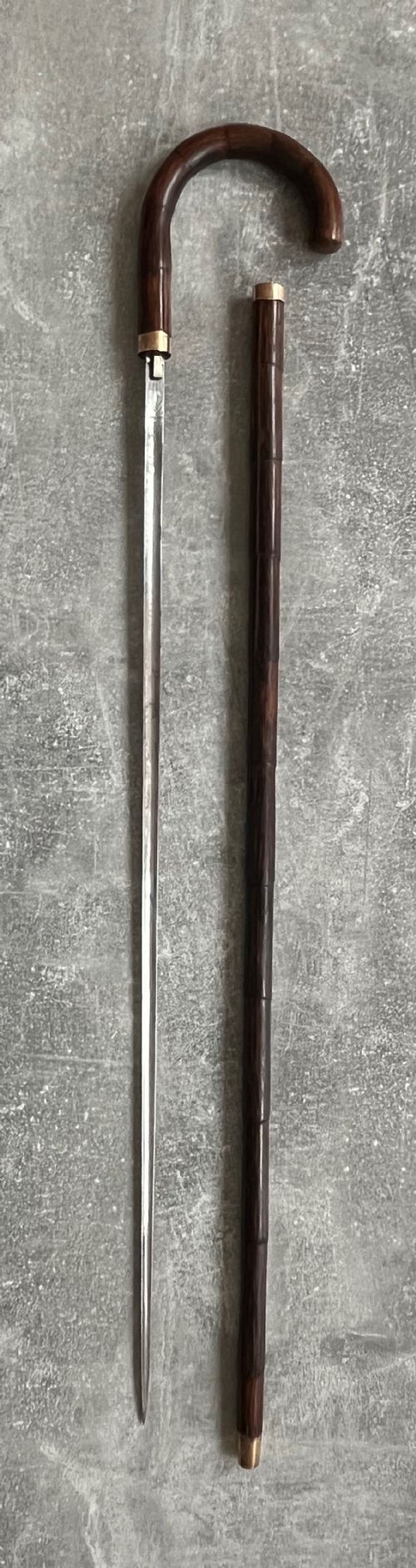
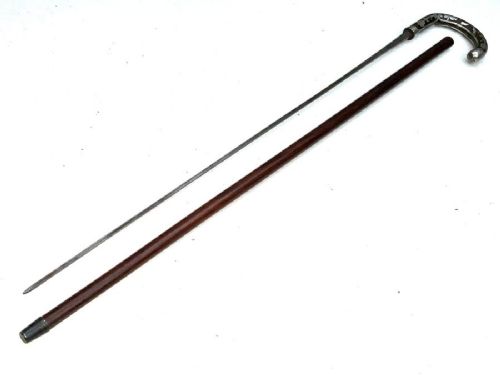
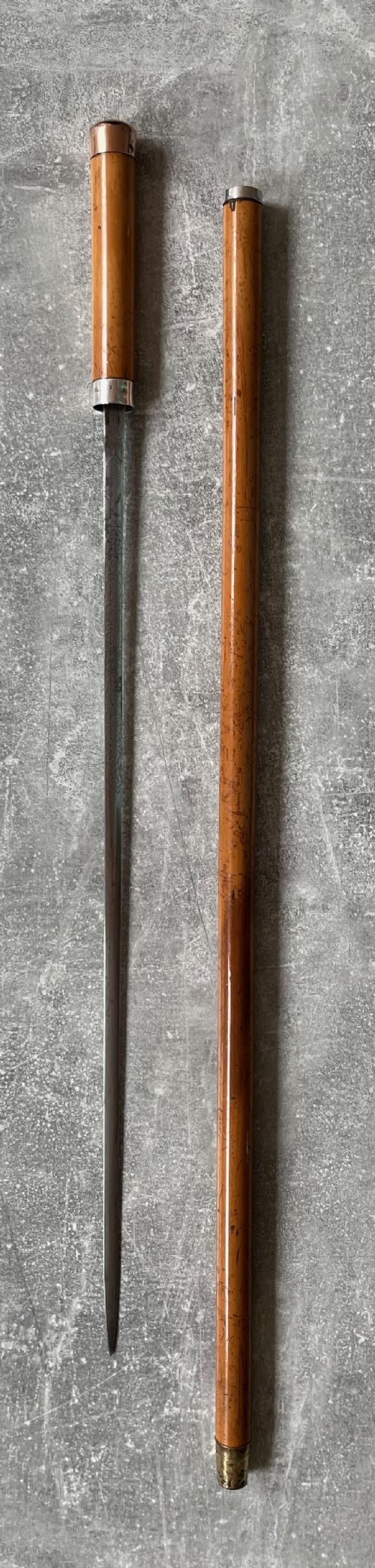
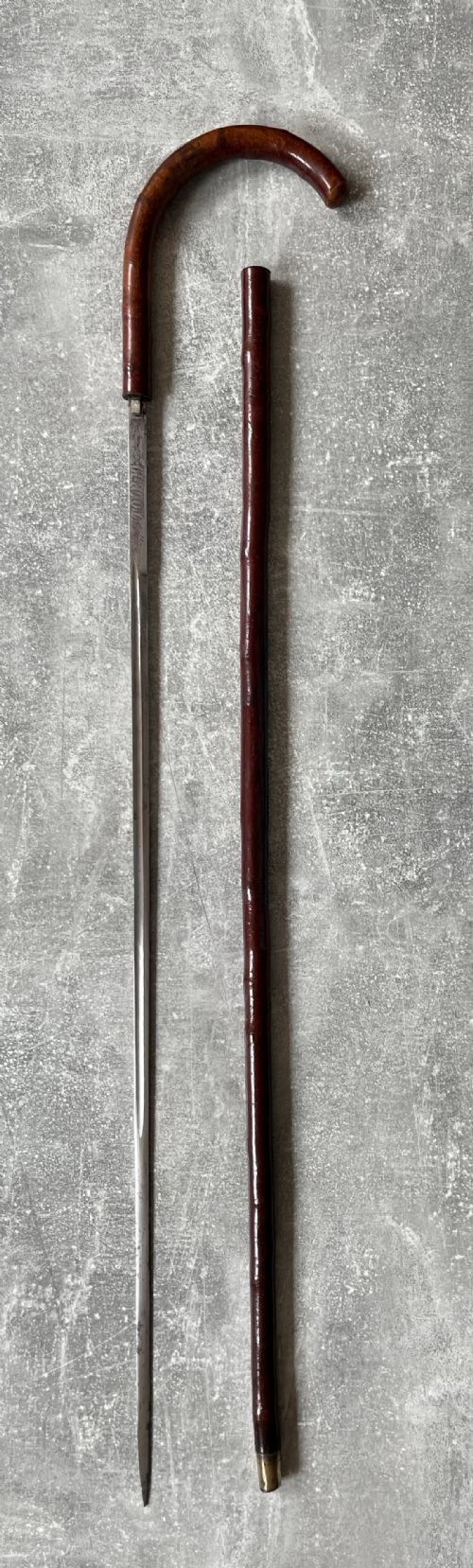
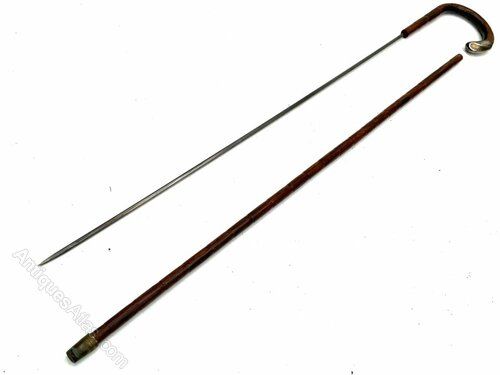
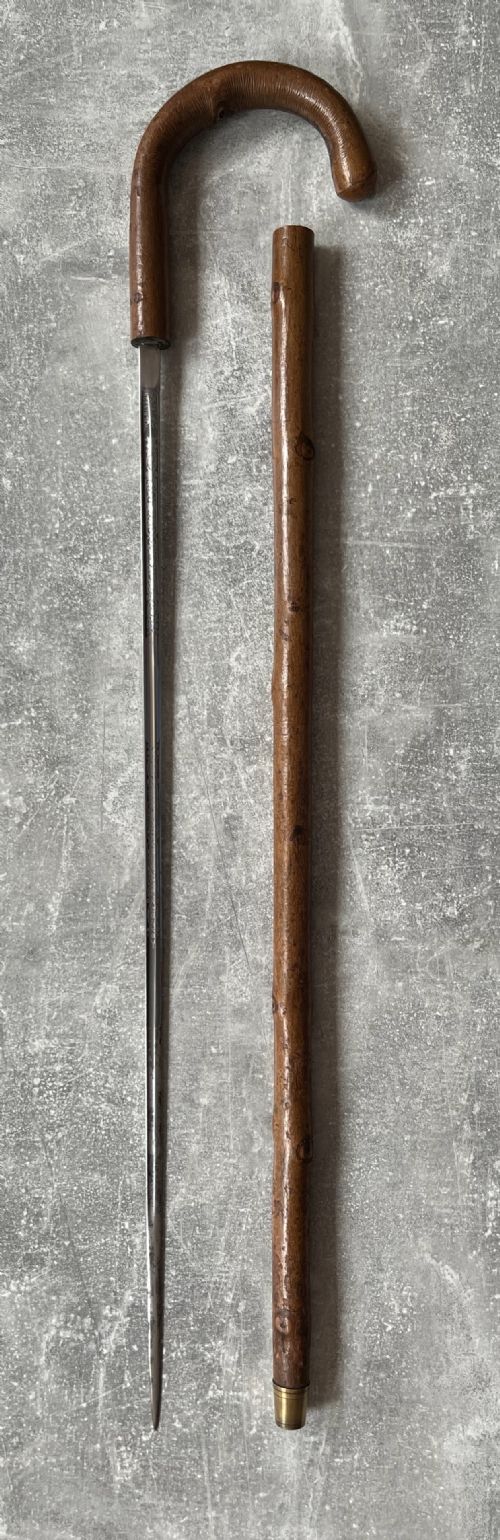
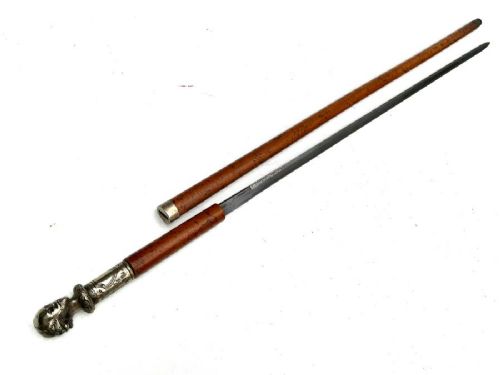
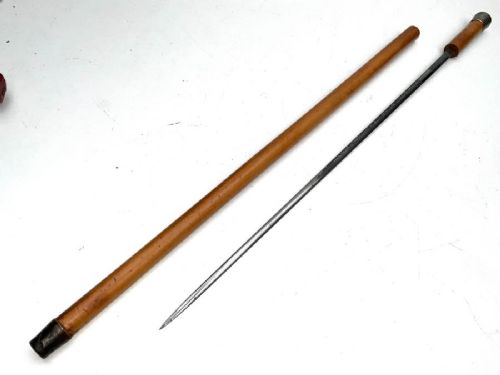
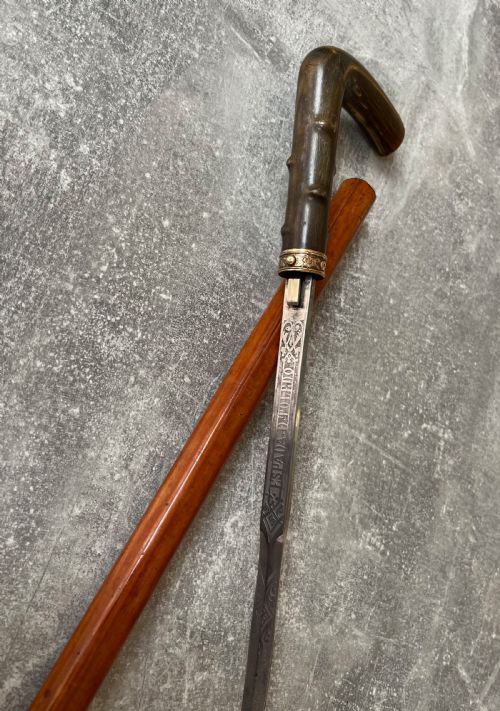
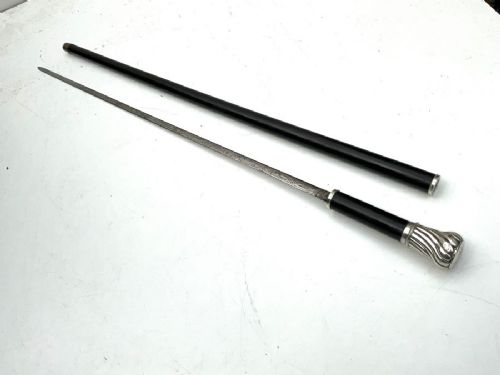
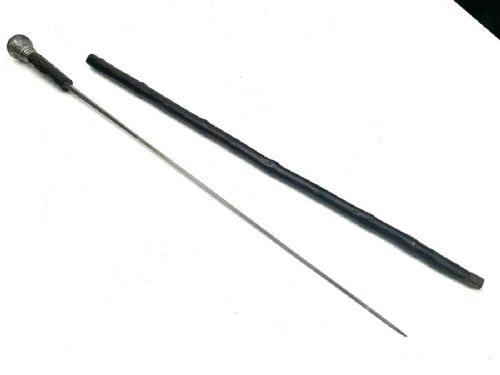
These steel blade walking cane examples are concealed weapon sticks that combine everyday gentlemanly support with a hidden blade.
Steel Blade Walking Cane
A steel blade walking cane is a functional support stick housing a concealed blade, historically carried by gentlemen for personal defence. When you search for a steel blade walking cane, you encounter specimens primarily originating from the Victorian and Edwardian eras, alongside pieces dated across the nineteenth and early twentieth centuries.
Makers and origins span British, French, and Imperial German workshops, with specific pieces linked to military officers and Masonic organisations. These historical accessories reflect a period when concealed carry was a common aspect of gentlemanly attire.
Materials and construction
Shafts are constructed from natural materials and hardwoods such as malacca, partridge wood, bamboo, cherrywood, hazel, holly, blackthorn, and general hardwood, sometimes covered in leather or styled as faux bamboo. Handles utilise horn, bone, wood, and metal.
Blades forged from steel, including Toledo steel and Wilkinson blades, are concealed within the wooden or metal shafts, secured by mechanisms such as button releases. Mounts, collars, and knops fashioned from brass, silver, and gold-coloured metal provide decorative and structural reinforcement.
Periods represented span the nineteenth century through to the Edwardian era and the nineteen-twenties.
Assessing quality in historical pieces
Quality rests upon the provenance and reputation of the maker, such as Wilkinson or Brigg, and the origin of the steel blade itself. Etched Toledo blades and signed makers elevate the standing of a piece considerably.
The selection of materials for the shaft and mounts dictates the refinement of the cane. Malacca shafts paired with silver collars and horn or bone handles represent superior craftsmanship compared to plain hardwood variants.
BRIGG·Wilkinson
The Steel Blade Walking Cane Glossary
- Sword stick
- A walking cane concealing a steel blade within its shaft. It functions as both a mobility aid and a hidden weapon.
- Toledo blade
- A steel blade originating from the Spanish city of Toledo, renowned historically for sword-making excellence. These blades often feature etched decorations.
- Malacca
- A type of rattan stem featuring characteristic dark patches and nodes, highly prized for walking cane shafts due to its strength and flexibility. It forms the body of many fine sword sticks.
- Knop
- A rounded knob or handle at the top of a walking stick. They frequently appear in horn, bone, or silver.
- Swagger stick
- A short cane carried by military officers. They occasionally house hidden blades within their compact frames.
Steel Blade Walking Cane: Frequently Asked Questions
What is a steel blade walking cane?
A steel blade walking cane is a traditional support stick that houses a concealed sword or dagger inside the wooden shaft. These items were designed to look like ordinary walking aids while providing a means of self-defence.
Most surviving examples date from the Victorian and Edwardian periods, reflecting the fashion and security needs of gentlemen at the time.
How do you release the hidden blade?
Many canes utilise a simple button release mechanism set into the collar or upper shaft to disengage the blade from the scabbard. Others rely on a friction fit that requires a firm pull to draw the steel blade.
Care must be taken with historic mechanisms to avoid damaging the internal wooden channel.
Who carried these walking sticks?
Gentlemen, military officers, and travellers carried these sticks during the nineteenth and early twentieth centuries for personal protection in urban and rural areas. Specific military units and officers utilised them as part of their walking out dress.
Fraternal groups such as Masons also commissioned specialised versions.
What woods are commonly used for the shafts?
Shafts are fashioned from exotic and native timbers including malacca, partridge wood, bamboo, hazel, holly, and blackthorn. Some examples feature faux bamboo carving or leather coverings over a wooden core.
The choice of wood affects the weight, flexibility, and overall durability of the cane.