
Vintage Sword Stick
A vintage sword stick is a concealed weapon disguised as an everyday walking cane that gentlemen carried for discretion and protection.
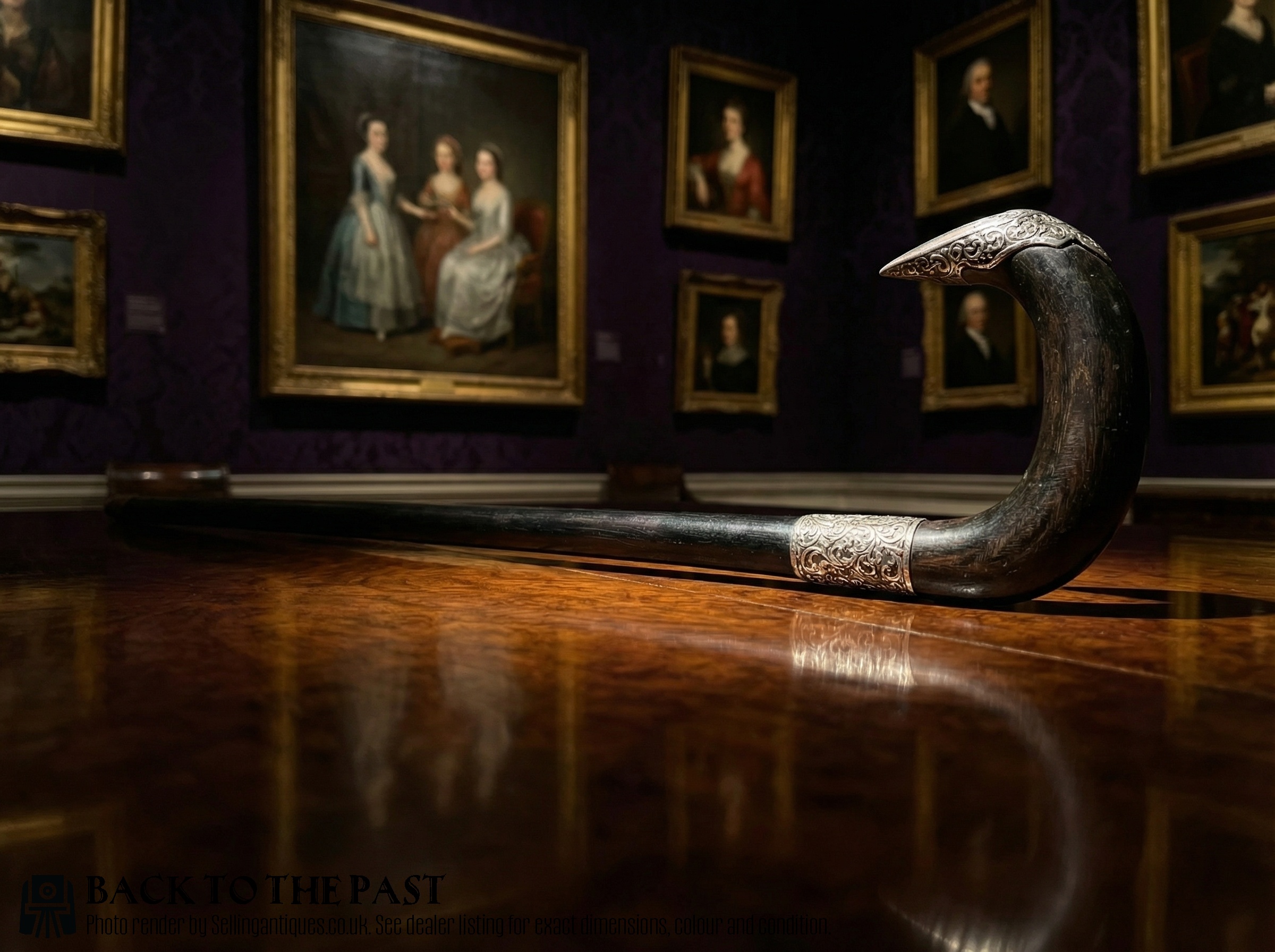
Vintage Sword Stick
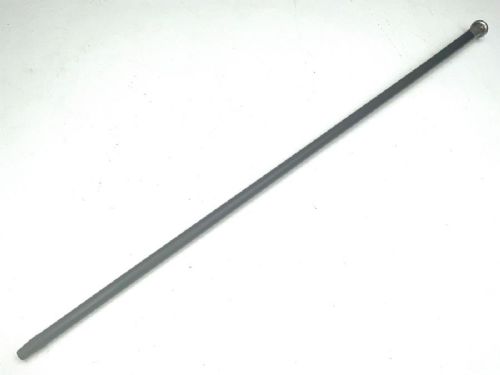
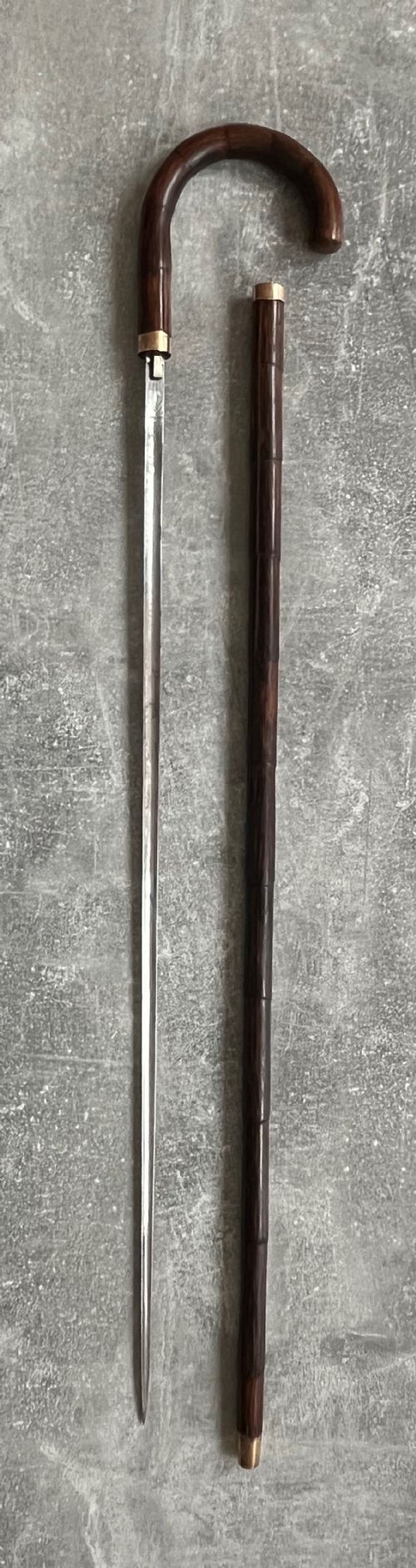
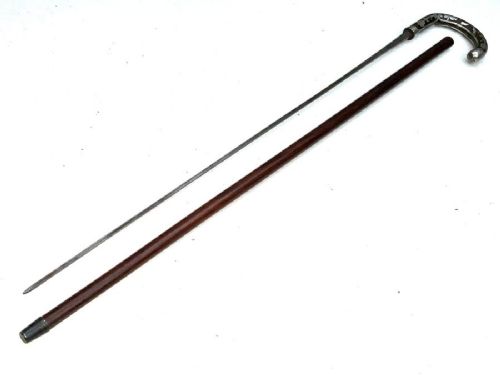
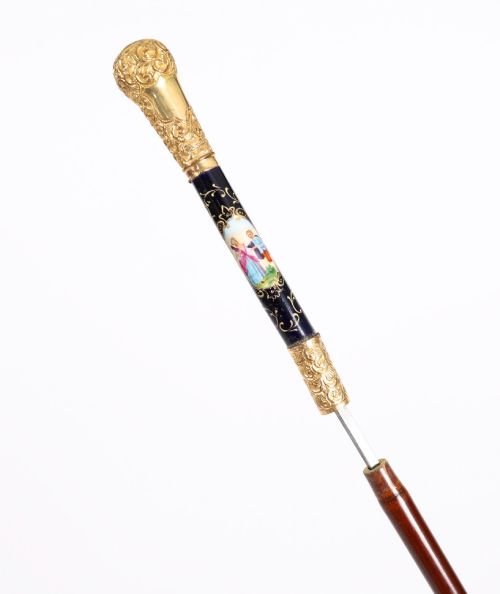
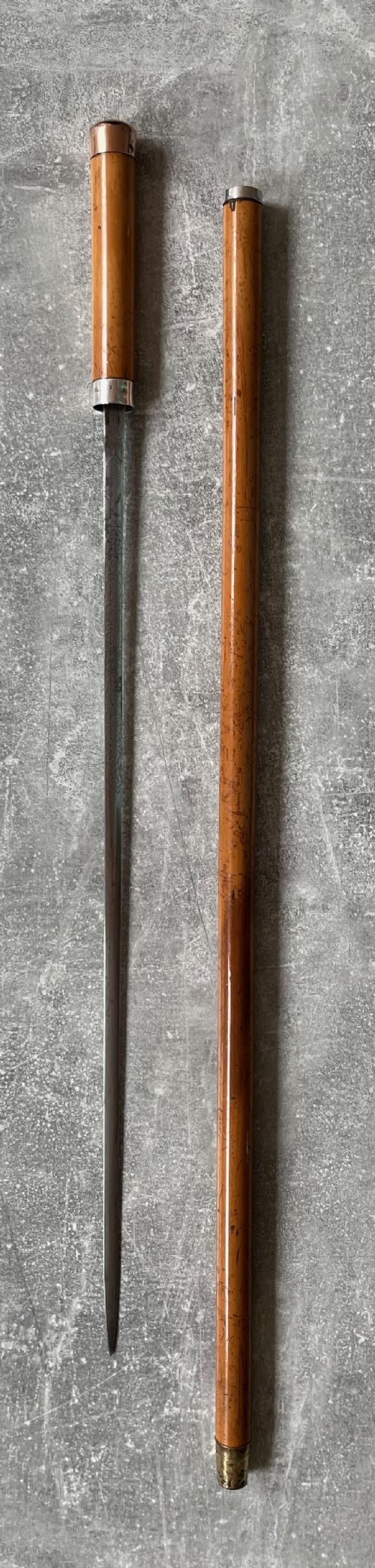
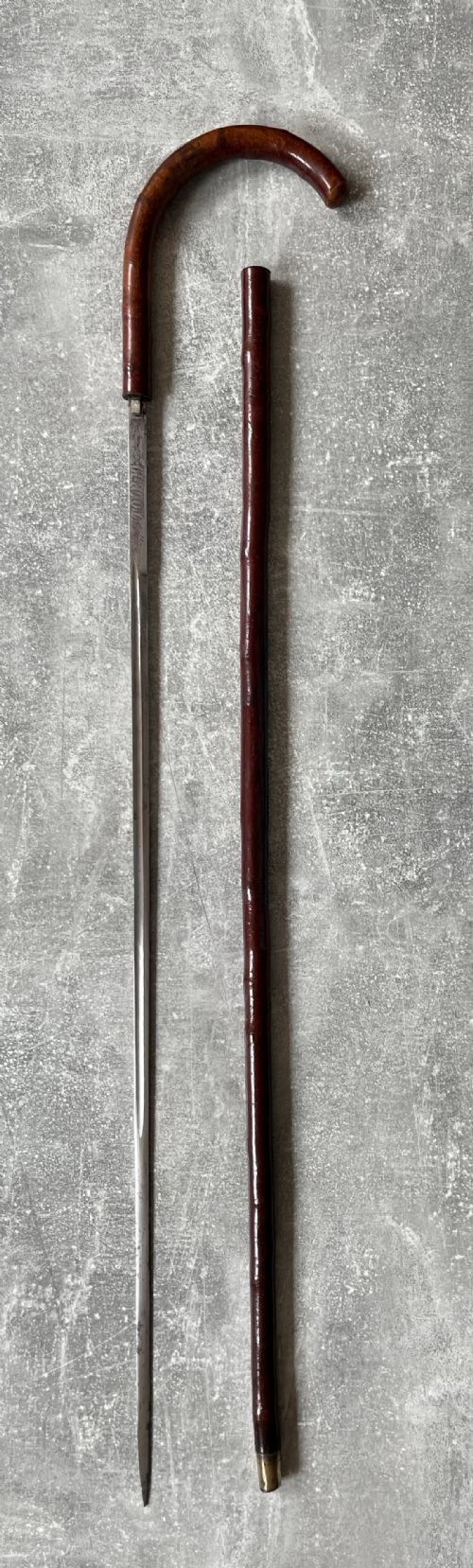
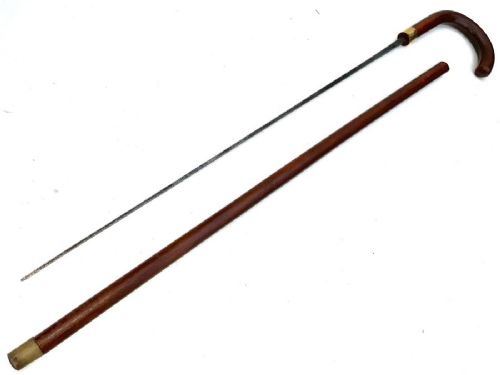
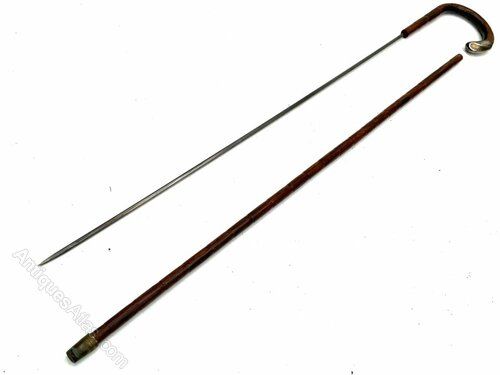
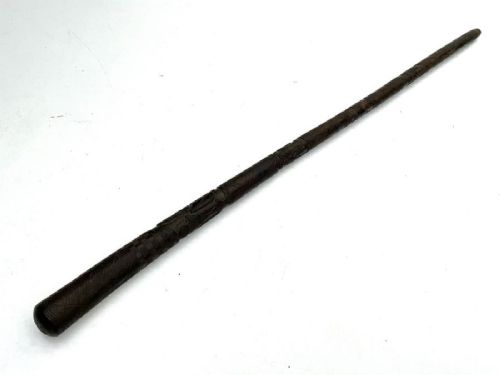
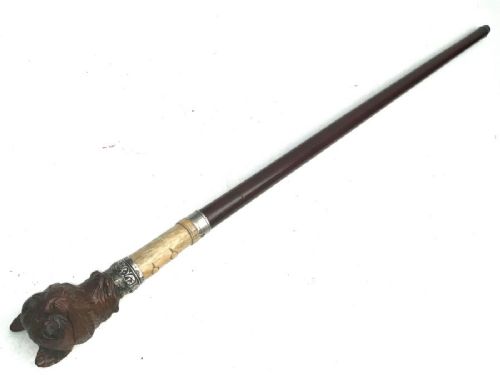
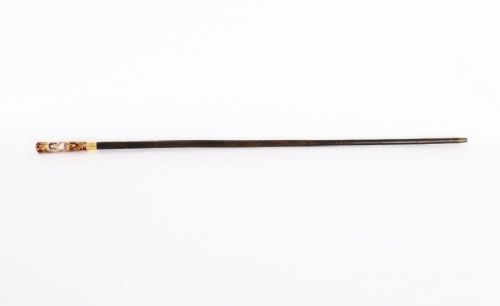
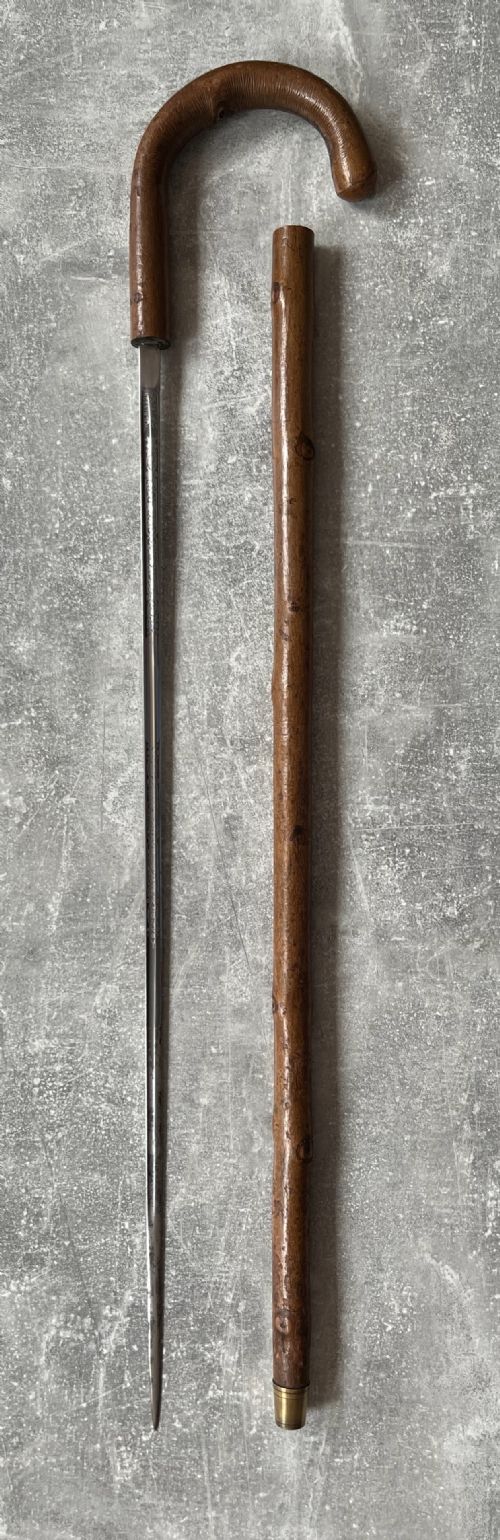
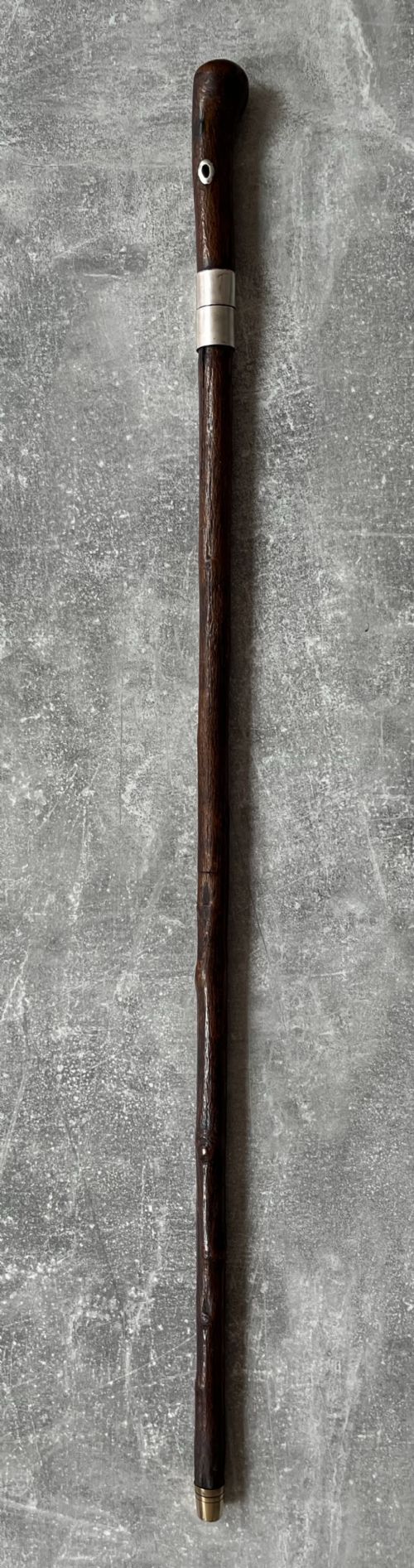
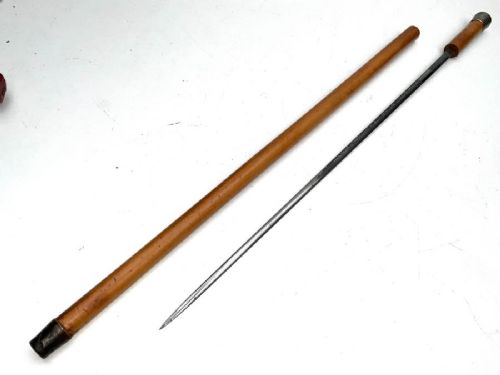
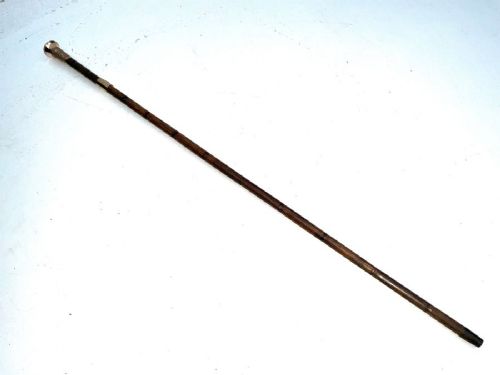
A vintage sword stick combines an ordinary walking cane with a concealed steel blade, designed to look like a standard gentleman's accessory. You will encounter forms ranging from simple wooden shafts to elaborate pieces featuring porcelain or precious metal mounts.
The pieces span the Victorian, Edwardian, and early twentieth century periods, reflecting the diverse social habits of military officers and civilian gentlemen. Makers utilised traditional timbers alongside exotic materials to create the outward appearance of a standard walking stick.
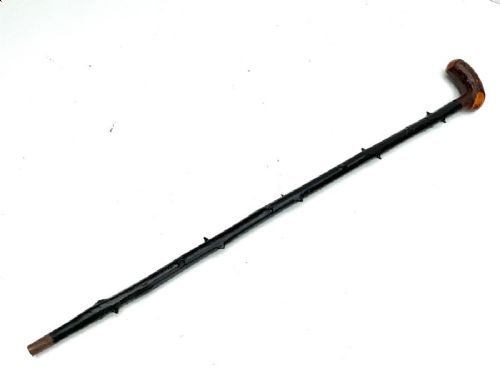
Origin styles vary from British military examples to French porcelain-mounted pieces and traditional Irish blackthorn sticks. A buyer examines these pieces for the subtlety of the concealment mechanism and the integrity of the shaft.

Materials and construction methods
Craftsmen built the shafts from woods such as malacca cane, partridge wood, hazel, cherrywood, and rosewood, often fitted with horn, bone, or silver handles. Metal components include brass, gold plate, and sterling silver collars that secure the inner blade.
Blades are forged from steel, frequently incorporating Toledo or Wilkinson signatures, and are housed securely within the wooden body. Release mechanisms range from simple button catches to screw-fit collars that join the handle to the shaft.
Vintage Sword Stick Retail Price Guide 2026
Typical asking prices for vintage sword stick among the pieces listed under this phrase on Sellingantiques today, from the lower quarter to the upper quarter. They describe what is for sale here now, not the wider market.
Listings feature items dated from the late nineteenth century through to the Edwardian period and the 1920s.
Judging quality and craftsmanship
Quality depends upon the precision of the joinery between the handle and the shaft, where superior examples achieve a seamless fit that hides the blade entirely. The choice of materials dictates the standing of the piece, moving from utilitarian timbers to fine malacca cane mounted with silver or porcelain.
Blade quality separates standard output from high-grade commissions, particularly those bearing recognised makers' signatures like Wilkinson or Toledo stampings. The artistry of the handle, whether carved root, horn, or Sevres porcelain, determines the distinction of the object.
BRIGG·Wilkinson
The Vintage Sword Stick Glossary
- Toledo blade
- A steel blade produced in Toledo, Spain, renowned for its flexibility and historical sword-making heritage. These blades are often etched with decorative motifs.
- Malacca cane
- A strong, resilient rattan stem imported from Southeast Asia, identifiable by its distinctive dark rings and used widely for premium walking sticks.
- Collar
- A metal band, often formed from silver or brass, fitted around the top of the shaft to prevent splitting and to conceal the join.
- Knop
- A rounded handle or terminal at the top of a walking stick, carved from bone, horn, or wood.
- Swagger stick
- A short, light stick carried by military officers, sometimes concealing a slender blade for ceremonial or defensive use.
Vintage Sword Stick: Frequently Asked Questions
What is a sword stick?
A sword stick is a functional walking cane that houses a concealed steel blade inside its wooden shaft.
Gentlemen utilised these items in the nineteenth and early twentieth centuries as a discreet form of personal protection during travel.
How do you release the blade?
Most examples release the blade through a mechanical button catch or a threaded screw collar near the handle.
Pulling the handle straight out reveals the steel blade locked securely within the hollow body of the cane.
Are these legal to own?
Ownership regulations for antique concealed weapons vary significantly by region and local jurisdiction.
Buyers must check their specific regional laws regarding possession and display of historical edged weapons before purchase.
How do you date a sword stick?
Dating relies on stylistic markers, hallmarks on silver mounts, and materials typical of the Victorian or Edwardian eras.
Maker signatures on the steel blade or specific handle designs also help narrow down the period of manufacture.