


Brown Wooden Sword Stick
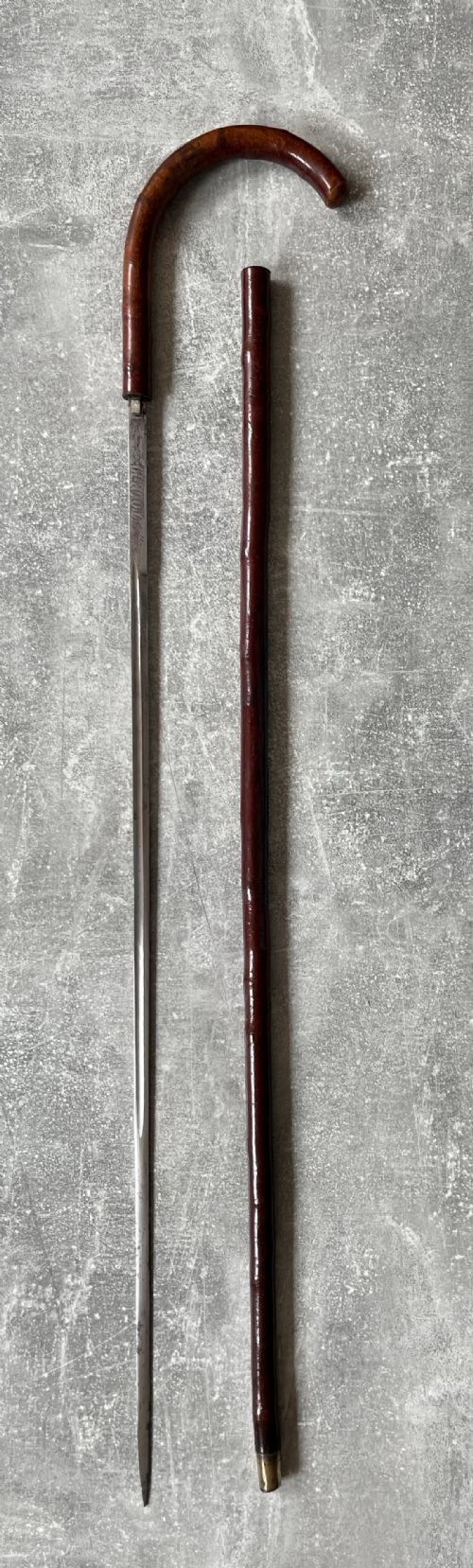
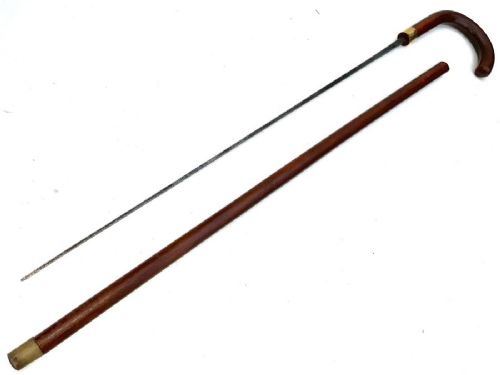
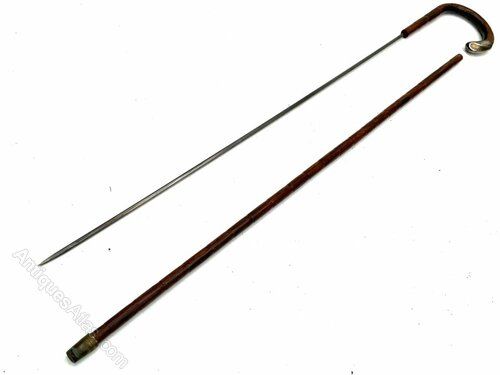
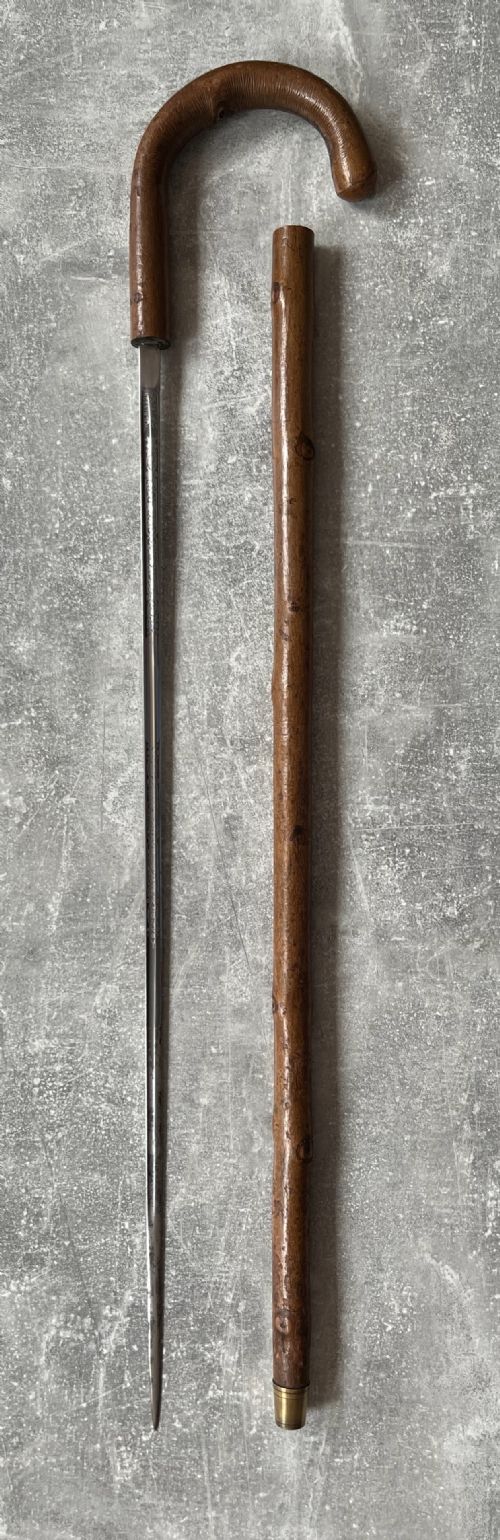
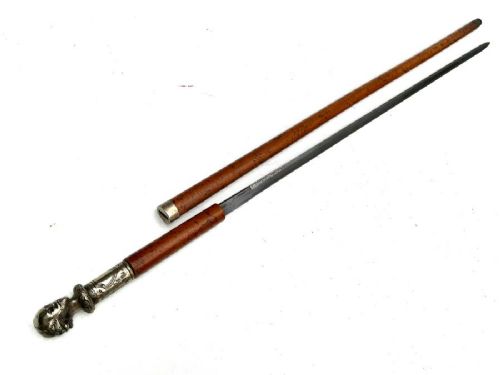
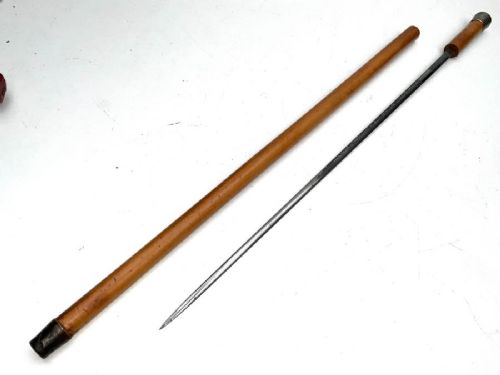
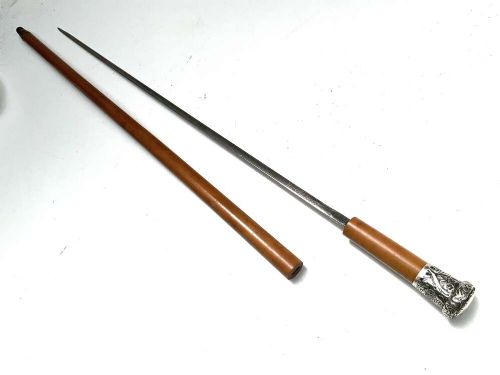
A brown wooden sword stick is a discreet gentleman's safeguard containing a hidden steel blade beneath a deceptive walking cane exterior.
Brown Wooden Sword Stick
A brown wooden sword stick is a dual-purpose accessory combining a functional walking aid with a concealed bladed weapon for personal defence. When you examine a brown wooden sword stick on this page, you will encounter examples fashioned from cherrywood, hazel, partridge wood, rosewood, and malacca cane.
Most pieces date from the late nineteenth century through to the early twentieth century, spanning Victorian, Edwardian, and later periods. Military officers frequently carried these items alongside civilian gentlemen seeking discreet urban protection during evening walks.
Formations vary from simple crook handles to root ends, antler grips, and horn mounts. Blades range from standard steel to named examples featuring Toledo or Wilkinson signatures.
Assessing quality
Quality rests in the precision of the joinery between the handle, collar, and wooden shaft, where a superior piece conceals its internal blade entirely without visible seams or warping. The rigidity of the timber and the balance of the cane during use separate utilitarian pieces from finer gentleman's accessories.
The pedigree of the internal blade elevates certain pieces, particularly those bearing maker marks from renowned blade smiths such as Wilkinson or Toledo. Additional refinements include hallmarked silver collars, carved horn or antler handles, and tightly fitted locking mechanisms that secure the blade safely within the wood.
Several examples feature discreet horns or root ends, ensuring your walking stick looks like a harmless country ramble until the steel appears.
Wilkinson·Toledo
The Brown Wooden Sword Stick Glossary
- Malacca cane
- A mottled brown stem derived from the rattan palm, prized for its strength and flexibility in walking stick production. It forms the lightweight body of many traditional sword sticks.
- Swagger stick
- A short, light cane traditionally carried by military officers as a symbol of authority rather than for physical support. Some military examples incorporate hidden blades.
- Toledo blade
- A steel blade forged in the Spanish city of Toledo, historically renowned for exceptional temper and flexibility. These blades often command greater interest among collectors.
- Collar
- A metal band, frequently silver or brass, fitted directly beneath the handle of the cane. It provides structural reinforcement and often bears engraved initials or hallmarks.
- Crook handle
- A curved grip shaped at the top of the shaft to allow the stick to be hooked over a forearm. This ergonomic form appears frequently across Victorian walking aids.
Brown Wooden Sword Stick: Frequently Asked Questions
How do you release the blade?
Most pieces release via a screw thread, a simple friction catch, or a small push button near the collar. Pulling the handle straight out reveals the concealed steel blade.
Care must be taken when unsheathing to avoid damaging the interior wooden channel or disturbing the locking mechanism.
Were these used by the military?
Yes, many officers carried sword sticks or swagger sticks during the Victorian and Edwardian eras. They served both as rank insignia and personal protection.
военny examples often feature regiment details or specific service dates stamped upon the metal components.
How should I maintain the wood?
Keep the wooden shaft nourished with appropriate furniture wax or natural oils to prevent drying and cracking. Avoid exposing the cane to damp environments or extreme temperature fluctuations.
Ensure the internal blade remains lightly oiled to prevent rust formation inside the wooden scabbard.
How do I date a sword stick?
Dating relies upon style markers, metal hallmarks on collars, and the specific timber types used in construction. Victorian examples often display heavier brass or silver mounts alongside darker woods.
Edwardian and later pieces frequently show sleeker profiles and distinct military regiment associations from the early twentieth century.