
Antique Cane with Sword
An antique cane with sword is a discreet gentleman's accessory concealing a steel blade beneath a timber or malacca shaft.
Antique Cane with Sword
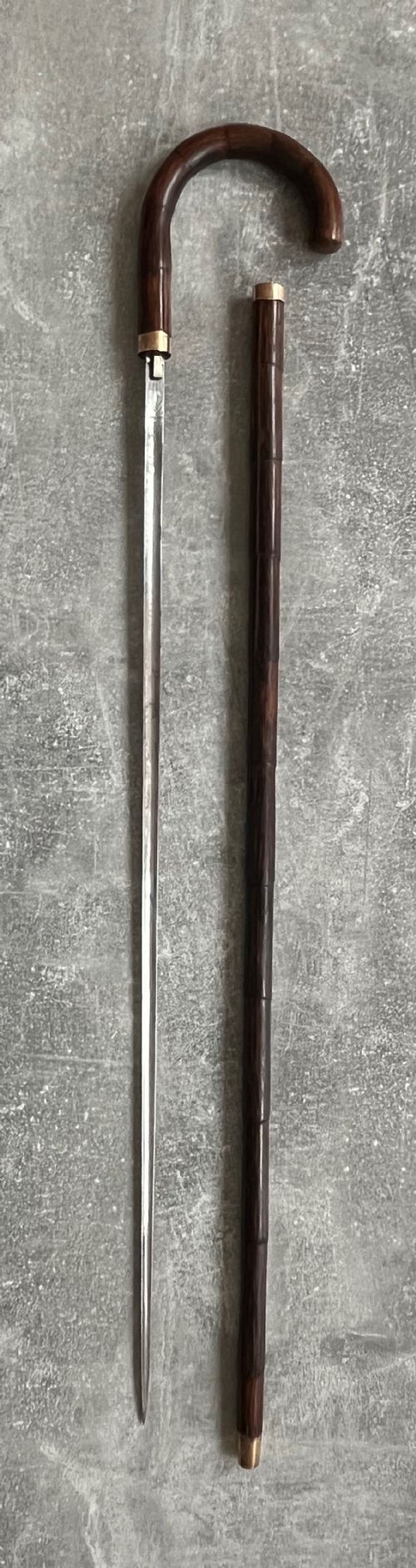
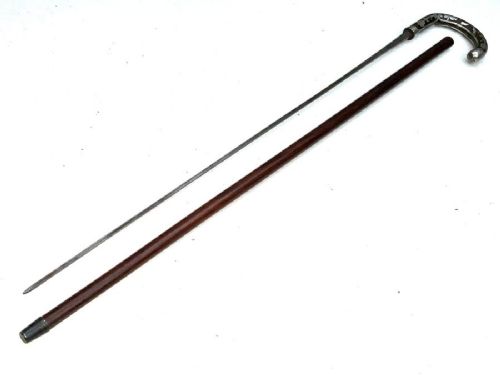
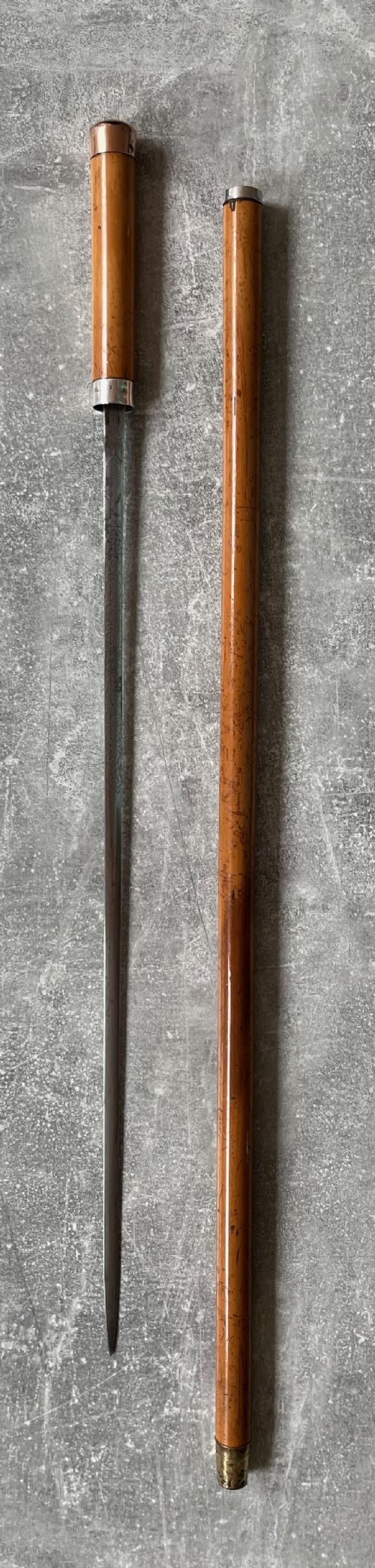
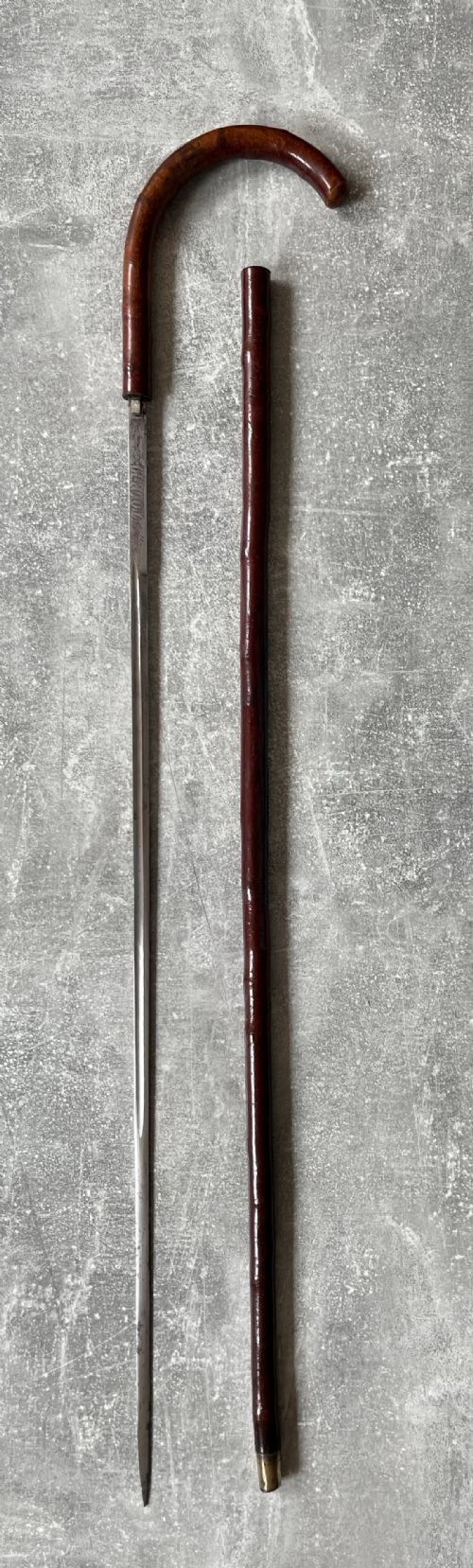
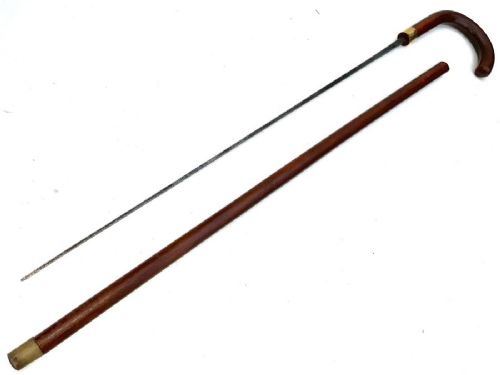
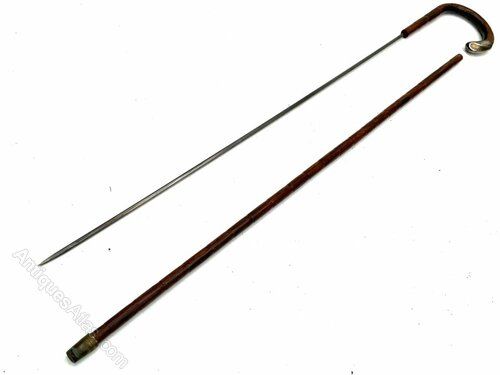
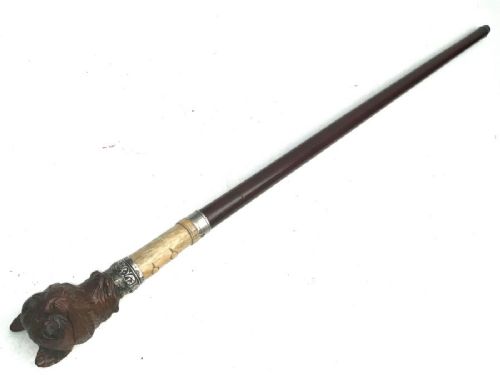
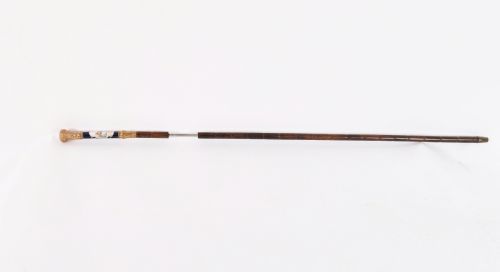
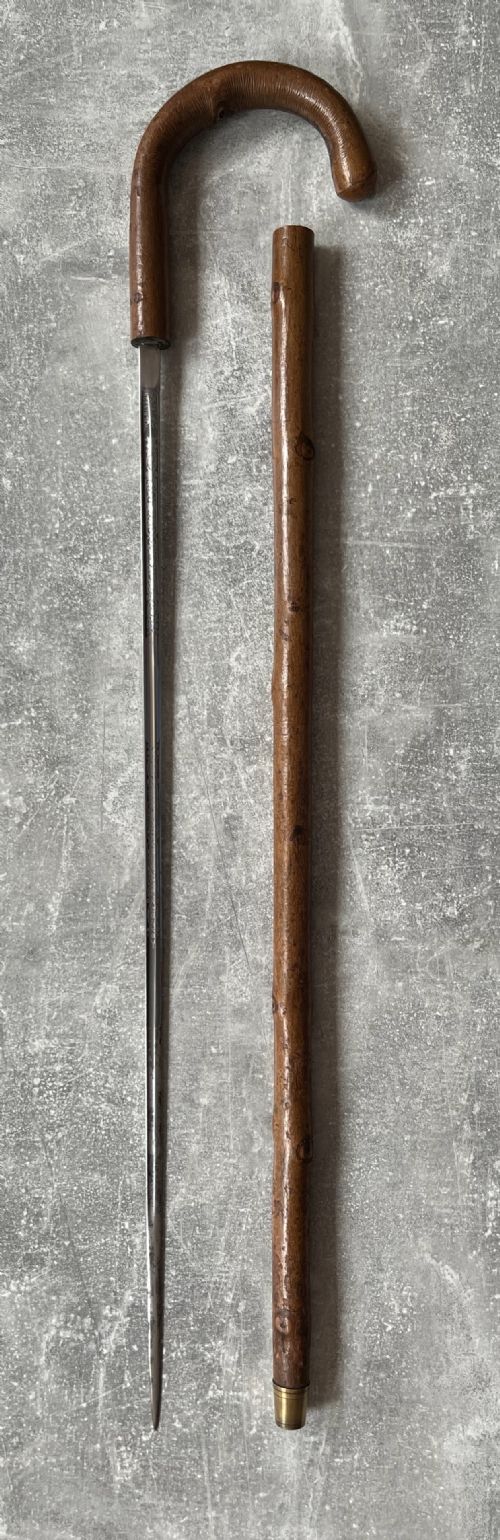
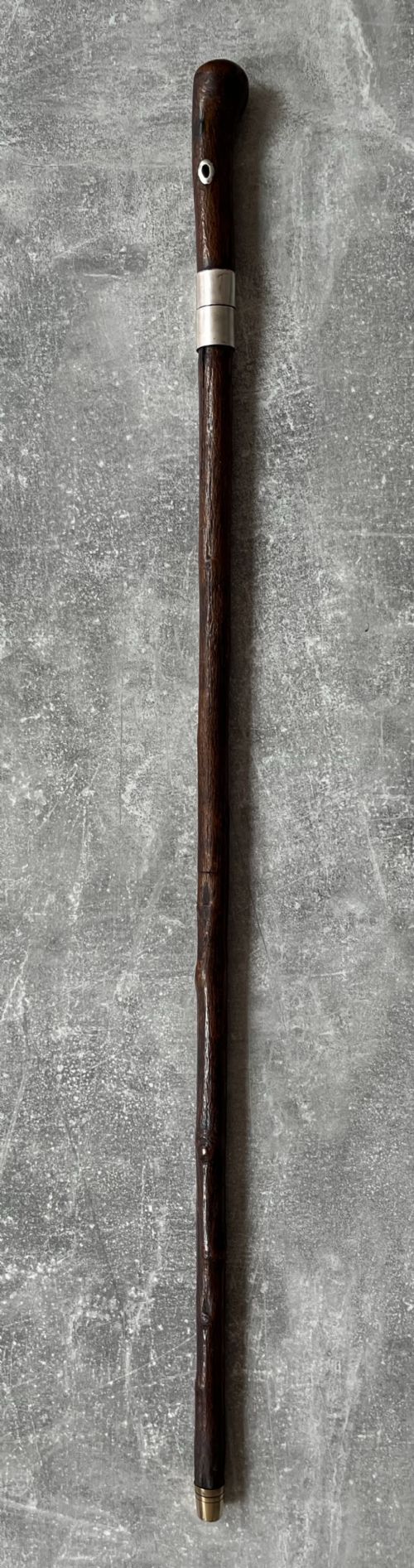
An antique cane with sword is a traditional walking stick fitted with a concealed internal blade secured by a button release or friction fit. The form served as both a practical walking aid and a subtle personal defence implement for gentlemen navigating nineteenth and early twentieth century streets.
The most common examples encountered on this page date from the Victorian and Edwardian eras, spanning the late nineteenth century through to the nineteen twenties. These pieces typically present as standard walking canes until the shaft is drawn to reveal the steel blade hidden within.
Materials and construction
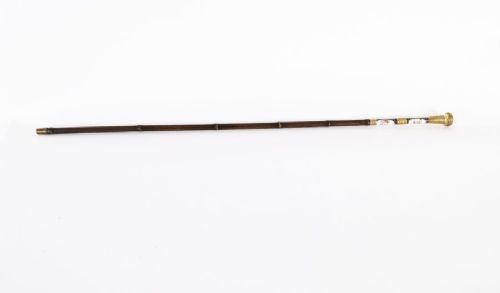
Shafts are fashioned from natural timbers and materials including malacca, bamboo, cherrywood, partridge wood, hazel, holly, blackthorn, ebonised wood, and leather covered cores. These shafts are often fitted with silver collars, gold and silver mounts, or distinct handles made from horn, bone, and carved wood.
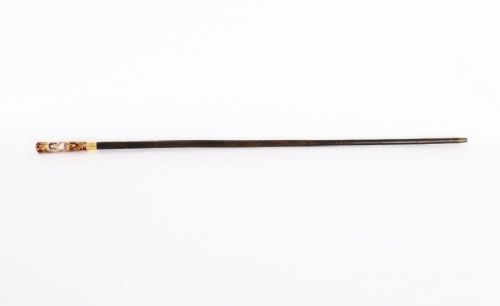
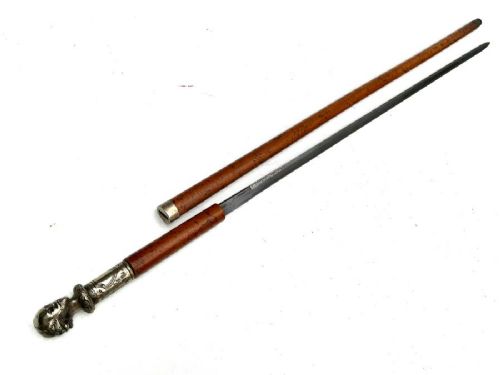
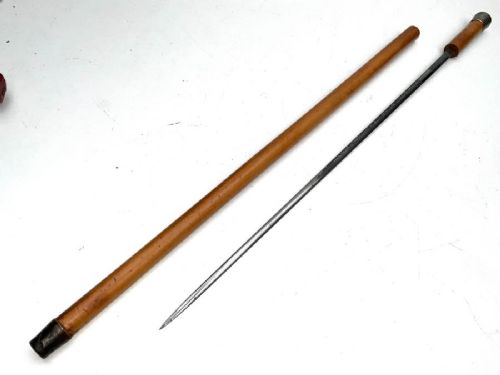
Blades are forged from steel, frequently incorporating Toledo or Wilkinson steel blades, sometimes featuring etched decorations. Construction methods rely on precise joinery to ensure the internal wooden scabbard houses the blade securely while maintaining the outward appearance of a standard walking stick.
A few ingenious gentlemen preferred a concealed Masonic sword or a novel pistol grip handle for their daily constitutional.
Assessing quality and craftsmanship
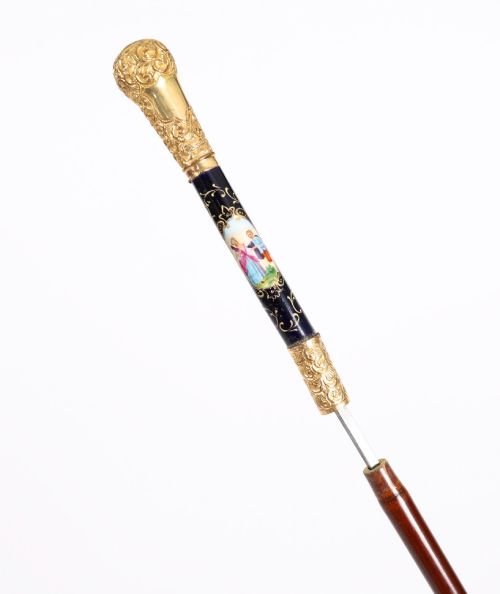
Quality in these pieces is dictated by the selection of materials for the shaft and handle, ranging from simple bamboo and fruitwood to premium malacca paired with hallmarked silver mounts. Finer examples feature intricate repousse silverwork, carved bone or horse head handles, and high grade maker blades from notable arsenals.
The engineering of the concealment mechanism also separates standard production from superior work. A tight, seamless closure between the handle and shaft, combined with a smooth button release mechanism, demonstrates a higher level of historical craftsmanship.
Wilkinson Blade
The Antique Cane with Sword Glossary
- Malacca
- A sturdy rattan cane imported from Southeast Asia, prized for its mottled brown finish and strength, frequently utilised for quality walking sticks.
- Toledo blade
- A steel sword blade produced in the Spanish city of Toledo, renowned historically for flexibility and temper.
- Repousse
- A metalworking technique where the silver mount or collar is hammered into relief from the reverse side to create decorative patterns.
- Knop
- A rounded knob or ornamental handle fitted to the top of the walking stick, often fashioned from bone, horn, or silver.
Antique Cane with Sword: Frequently Asked Questions
How do you release the hidden blade?
Most pieces utilise either a simple friction fit or a concealed button release mechanism near the collar. Pressing the button or pulling firmly separates the handle from the shaft to draw the steel blade.
Care should be taken when handling older mechanisms to avoid damaging the internal wooden scabbard or the retaining catch.
What materials were used for the shafts?
Shafts are commonly fashioned from natural timbers and canes such as malacca, bamboo, cherrywood, partridge wood, hazel, and blackthorn. Some examples feature leather coverings over a wooden core.
Handles vary widely from simple wooden crooks to ornate silver repousse knops, bone pistol grips, and carved horse heads.
How can I date these walking sticks?
Dating relies heavily on stylistic markers from the Victorian and Edwardian periods, alongside hallmarked silver collars which provide specific assay office years. Construction techniques and material popularity also help narrow the decade of manufacture.
Many pieces fall between the eighteen eighties and the nineteen twenties, reflecting the height of their popularity as gentlemanly accessories.
Were these used for actual defence?
These sticks served as personal protection and status symbols for gentlemen navigating unfamiliar or dimly lit urban areas during the nineteenth century. The concealed blade provided a discreet means of defence.
Over time, many transitioned into collectible curiosities and traditional accessories rather than active tactical items.