


Edwardian Gentleman Cane
An edwardian gentleman cane carries the distinct weight of period elegance, offering both practical support and hidden utility.
Edwardian Gentleman Cane
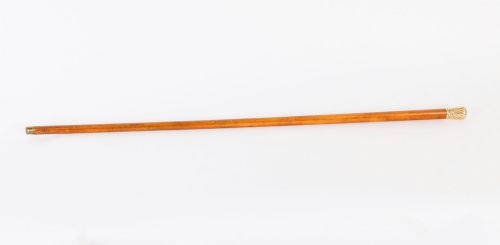
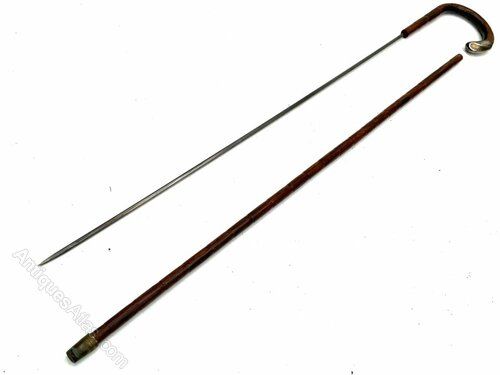
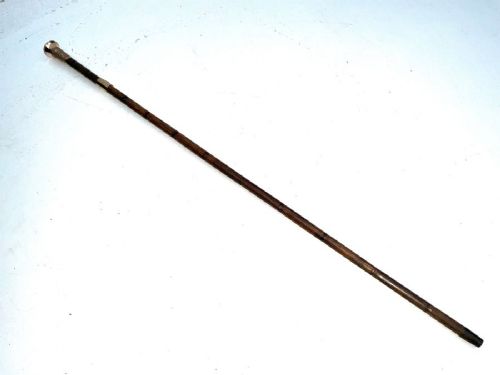
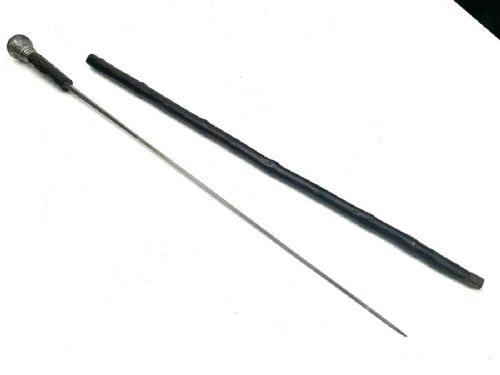
When you search for an edwardian gentleman cane, you encounter walking sticks and sword sticks shaped by the tastes of the nineteenth and early twentieth centuries. These pieces reflect the daily accessories carried by gentlemen of the period, ranging from simple hardwood supports to elaborate concealed blades.
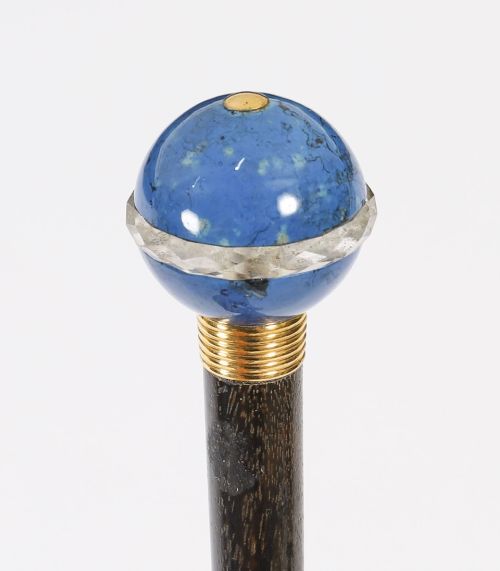
The versions most common on this page combine natural woods like partridge wood, malacca, and holly with metal mounts in gold, silver, and brass. Many incorporate horn, antler, or lapis lazuli handles, alongside specialised forms such as golf club shapes or masonic designs.
Materials and construction
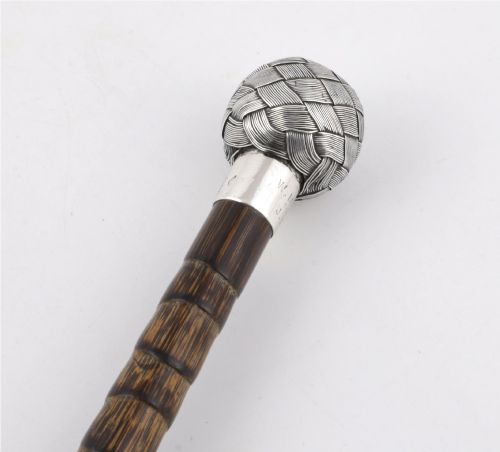
Makers utilised resilient natural materials, selecting hardwoods like ebony, oak, coromandel, and rosewood alongside flexible malacca and bamboo. These shafts were frequently fitted with horn, silver wire, or gold and silver pommels to create a balanced structure.
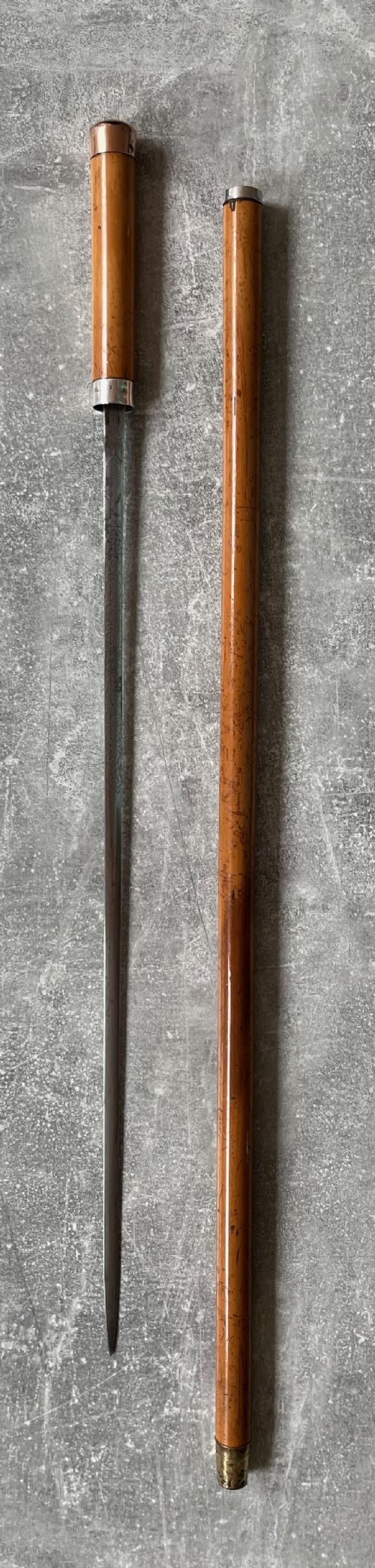
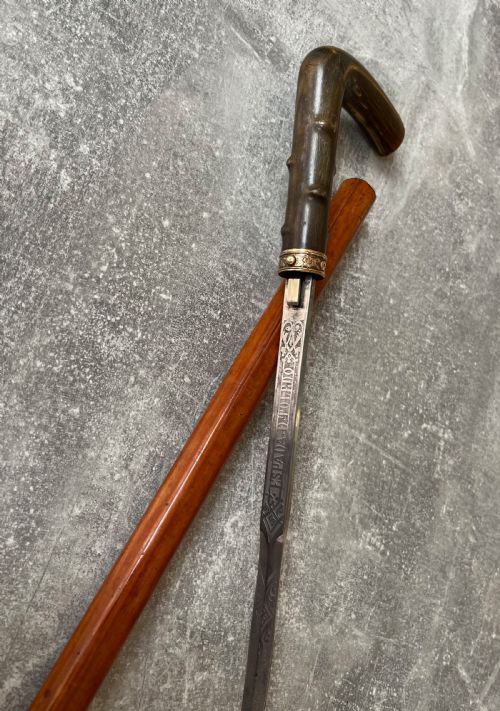
Bladed variants incorporated steel elements, including etched Toledo blades and Wilkinson blades secured with button releases. Metal collars in brass and silver reinforced the joints where handles met the wooden shafts.
Materials recorded across the inventory include steel, wood, silver, brass, metal, horn, hardwood, and gold.
Distinctions in quality
The distinction between standard examples and finer pieces lies in the choice of materials and the execution of the mounts. Solid gold and silver pommels, intricate silver wire work, and specialised handle forms such as horses' heads elevate the standard of a piece.
Blade quality and mechanism precision further separate the output of different makers. Etched Toledo or Wilkinson blades paired with functional button releases represent a higher tier of workmanship than basic wooden shafts.
Briggs·Wilkinson
The Edwardian Gentleman Cane Glossary
- Malacca
- A sturdy rattan cane imported from Southeast Asia, prized for its mottled brown finish and flexibility in walking stick construction.
- Pommel
- The rounded handle fitted to the top of a walking stick or cane, often fashioned from silver, gold, horn, or lapis lazuli.
- Sword stick
- A walking stick containing a concealed steel blade within the wooden shaft, released via a button mechanism.
- Partridge wood
- A dense, durable tropical hardwood characterised by distinct partridge-feather patterning, utilised for walking stick shafts.
- Ebonized
- Wood treated with a dark finish to imitate the appearance of solid ebony.
Edwardian Gentleman Cane: Frequently Asked Questions
How do I identify a sword stick?
A sword stick conceals a steel blade within its hollow wooden shaft, typically secured with a button release mechanism near the collar.
Many examples feature etched steel blades originating from Toledo or makers like Wilkinson, paired with malacca or partridge wood bodies.
What materials were used for handles?
Handles were fashioned from a range of materials including 18-carat gold, silver wire, lapis lazuli, antler, and horn.
Some handles took specific sculpted forms, such as horses' heads or golf clubs, mounted onto the wooden shafts.
How should I display walking sticks?
Walking sticks and canes are traditionally displayed in hallway stick stands and umbrella loops designed for upright storage.
Keeping them in stable environments prevents the wood and metal mounts from experiencing stress from humidity or temperature changes.