


Brown Wood Walking Cane
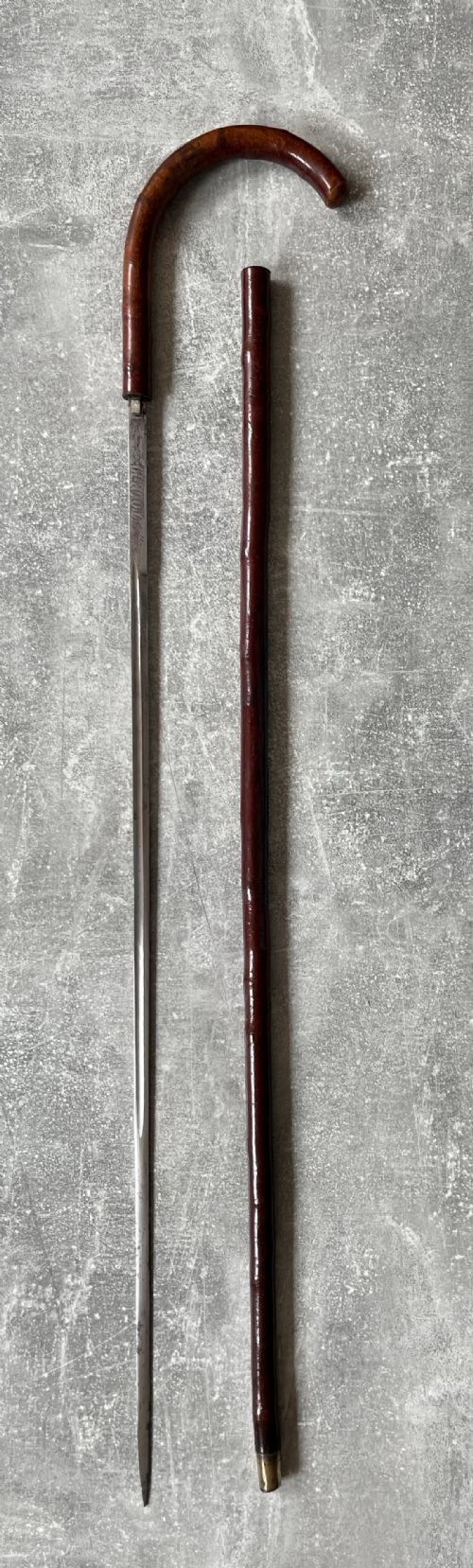
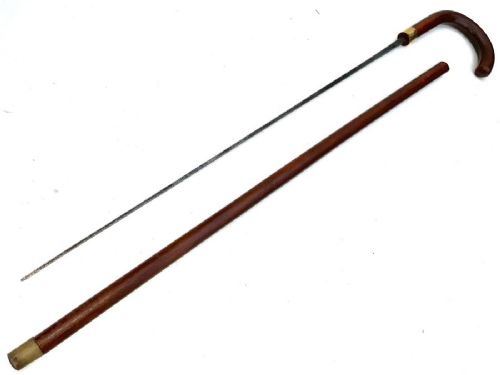
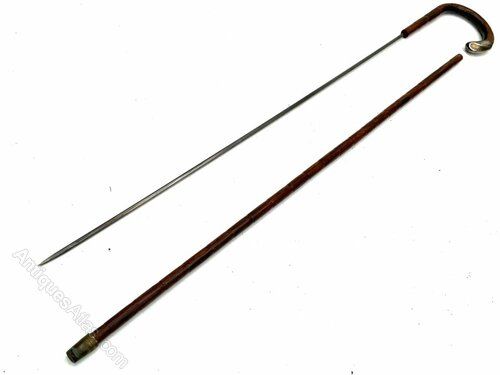
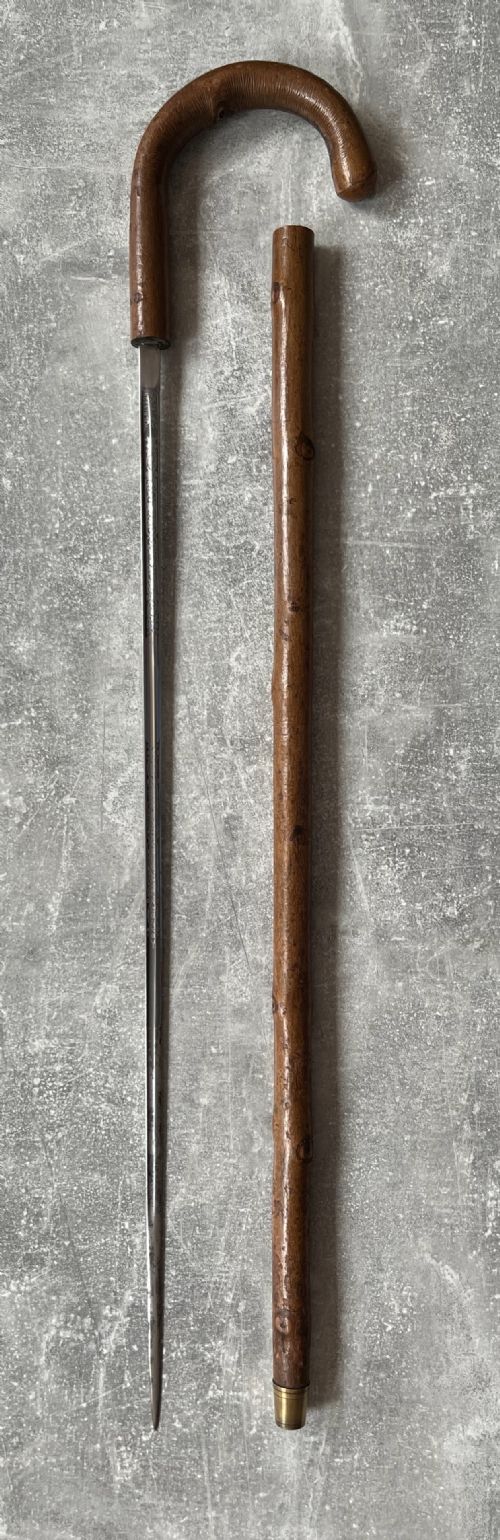
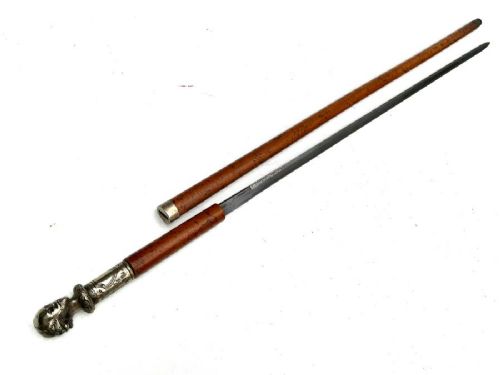
A brown wood walking cane is a practical support and a gentleman's accessory, crafted in hardwoods and fitted with concealed blades or carved handles.
Brown Wood Walking Cane
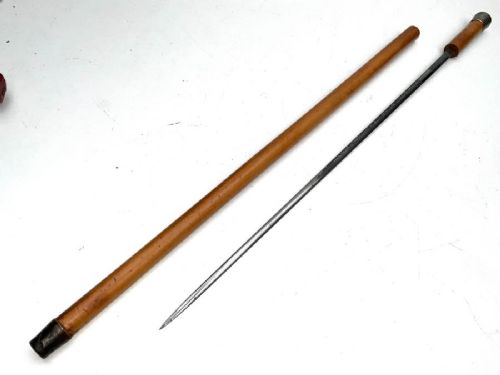
When you search for a brown wood walking cane, you encounter functional supports and gentlemanly accessories from the nineteenth and early twentieth centuries. These pieces encompass plain natural forms alongside sophisticated sword sticks concealing Toledo or Wilkinson blades.
The selections available on this page run from Victorian country sticks and Edwardian models to military officer swagger sticks and carved Black Forest specimens. Hardwoods dominate the inventory, frequently paired with silver mounts, brass collars, and root-ended handles.
Buyers seeking a brown wood walking cane will find examples featuring crook handles, antler grips, and fruitwood carvings shaped as clenched fists or animal figures. Alongside individual sticks, occasional oak and elm stick stands appear to house them.
How they were made
Maker construction relies heavily on dense timbers such as partridge wood, hazel, chestnut, and malacca, shaped by hand into natural stems and crook handles. Artisans integrated internal steel blades secured within wooden shafts for the military and civilian sword sticks.
Metalworking skill appears in the forged steel blades supplied by makers like Wilkinson and Toledo, matched with cast brass collars and silver mounts. Carving skill shows in fruitwood handles modelled into clenched fists or German Shepherd dog heads.
Finishing techniques involve steam-bending crook handles from root wood and fitting antler grips or carved root ball terminals to the timber shafts.
Object forms span walking sticks, sword sticks, swagger sticks, and large country house stick stands.
What varies in quality
The distinction between standard utility items and superior examples lies in the selection of timber and the execution of carved handles. Dense woods like partridge wood and malacca command attention for their grain and weight, while fruitwood carvings display fine detail in animal and hand motifs.
Blade quality separates utilitarian pieces from high-grade gentleman's accessories, particularly when stamped by known blade smiths such as Wilkinson or Toledo. Hallmarked silver mounts and cast brass elements further elevate the standing of an individual cane.
Integration of the internal mechanism defines the upper tier of sword sticks, ensuring the blade fits flush within the wooden scabbard without looseness.
The Brown Wood Walking Cane Glossary
- Partridge wood
- A dense tropical timber valued for its distinctive feather-like grain pattern, frequently utilised for nineteenth-century walking sticks.
- Malacca
- A slender rattan cane imported from Southeast Asia, prized for its strength, flexibility, and mottled brown surface.
- Swagger stick
- A short, light cane carried by military officers as a symbol of authority rather than for physical support.
- Blade smith
- A metalworker who tempers and shapes steel blades, seen on pieces fitted with Toledo or Wilkinson steel.
Brown Wood Walking Cane: Frequently Asked Questions
What is a brown wood walking cane?
A brown wood walking cane is a traditional accessory or support fashioned from timber during the Victorian and Edwardian periods.
These pieces range from simple natural form sticks to complex sword sticks containing concealed steel blades.
How were sword sticks used?
Sword sticks served gentlemen as both walking supports and personal defence items during the nineteenth and early twentieth centuries.
Officers and civilians carried them as part of daily attire or military dress.
How do I date a walking cane?
Dating relies on stylistic clues, mounting materials, and blade manufacturer stamps from eras like the Victorian period and Edwardian decades.
Silver mounts often bear hallmarks that pinpoint the exact year of manufacture.
What woods are used for canes?
Makers utilised robust timbers including partridge wood, malacca, hazel, oak, and chestnut for their shafts.
Fruitwood was frequently selected for detailed handle carvings such as clenched fists or animal heads.