



Silver Top Cane Stick
A silver top cane stick combines practical support with ornamental metalwork, offering collectors a wearable sculpture from the nineteenth and early twentieth centuries.
Silver Top Cane Stick
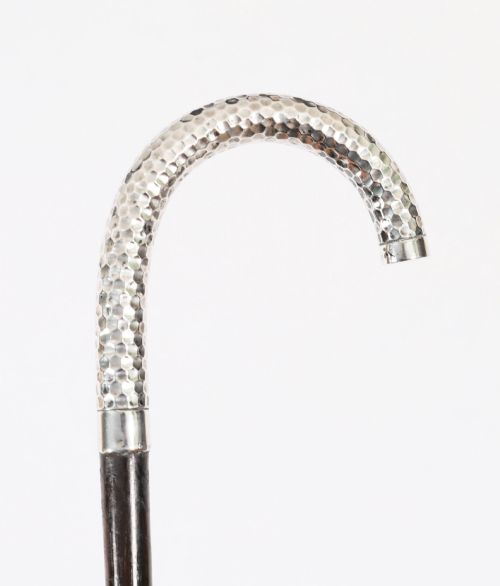
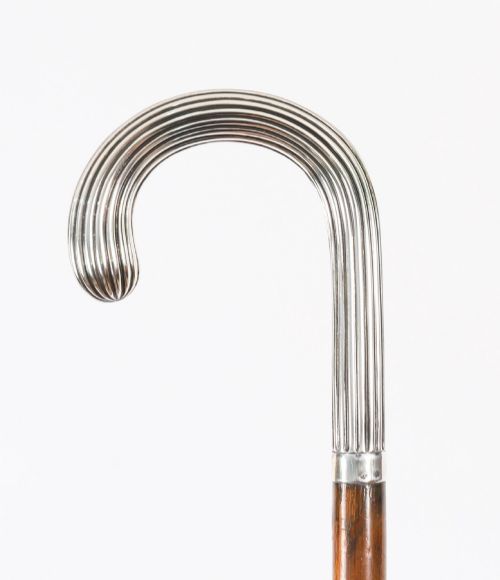
When searching for a silver top cane stick, buyers encounter personal walking aids, swagger sticks, and parasol handles originating from British, French, Chinese Export, and continental workshops. These objects span the nineteenth century through the Edwardian era, encompassing standard walking canes alongside specialised forms that conceal blades or incorporate timepieces.
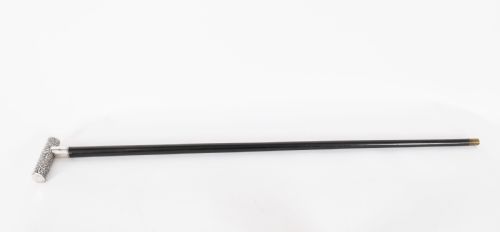
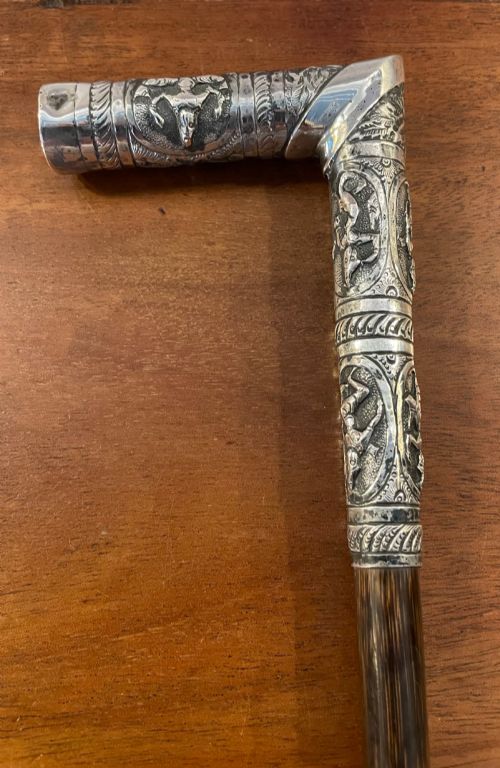
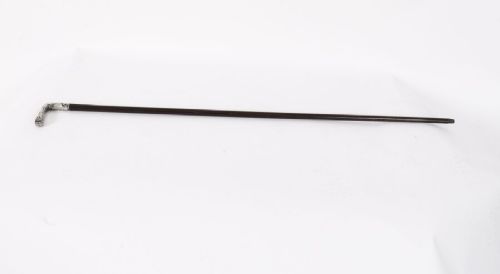
The most common versions on this page are gentleman's walking sticks fitted with decorative silver handles mounted on wooden shafts. Examples range from plain sterling handles to elaborately embossed continental designs, Chinese export bamboo pieces, and military swagger sticks used by regiments such as the Grenadier Guards.
How they were made
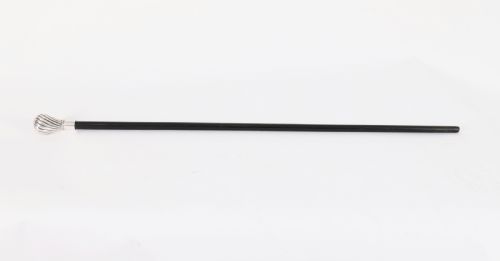
Handles were fashioned from silver, silver plate, or sterling silver using techniques like repousse work, chasing, and engraving to create animal heads, floral motifs, and geometric patterns. These metal mounts were secured to shafts of various timbers including ebonized wood, malacca, bamboo, palm, snakewood, and rosewood.
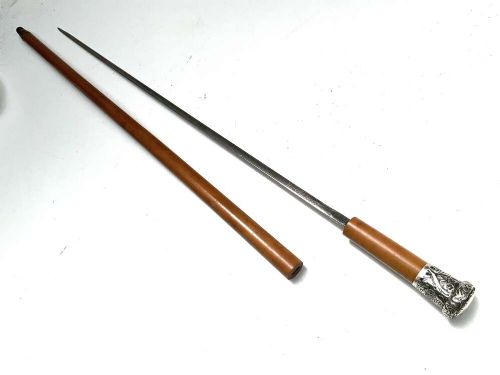
Specialised variants required internal engineering to fit functional elements such as hidden steel sword blades, daggers, or mechanical watch movements within the shaft and handle assembly.
Listings feature nineteenth-century and Edwardian pieces utilising materials such as silver, sterling silver, malacca, ebonized wood, and snakewood.
What varies in quality
Quality rests in the sculptural execution of the silver handle, where deeply chased repousse details and crisp hand engraving distinguish superior pieces from mass-produced mounts. The weight and gauge of the silver metal used for the top also indicate the original maker's investment in the piece.
The integration between handle and shaft dictates overall integrity, as well-fitted collars and choice hardwoods like malacca or snakewood elevate a stick above standard utility items.
Wang Hing and Company
The Silver Top Cane Stick Glossary
- Swagger stick
- A short cane carried by military officers as a symbol of authority rather than for physical support. These often feature distinctive regimental metal tops.
- Sword stick
- A walking cane containing a concealed steel blade within the wooden shaft. They combine personal defence mechanisms with standard walking aids.
- Malacca
- A prized stem of the rattan palm imported from Southeast Asia, known for its light weight, flexibility, and mottled brown finish. It forms the shaft on many fine nineteenth-century canes.
- Repousse
- A metalworking technique where the silver is hammered from the reverse side to create a raised, three-dimensional design on the handle. It appears frequently on floral and animal grips.
- Ebonized wood
- Timber treated with a dark stain or finish to imitate expensive ebony. It provides a stark contrast against bright silver tops.
Silver Top Cane Stick: Frequently Asked Questions
Were these canes used for walking or defense?
Most pieces served as daily walking aids or fashionable accessories for gentlemen and ladies navigating city streets. Standard walking canes and parasol handles were purely decorative and supportive.
A subset of these items functioned as sword sticks or dagger sticks, housing concealed steel blades inside the shaft for personal protection during the nineteenth and early twentieth centuries.
What woods are used for the shafts?
Shafts incorporate various timbers selected for resilience, flexibility, and appearance. Common materials include malacca, ebonized wood, bamboo, rosewood, snakewood, oak, and palm wood.
Exotic woods and specialised botanical specimens like square bamboo or snakewood indicate higher status and more deliberate material selection by the maker.
What are Chinese export silver canes?
Chinese export pieces were created in Asia during the nineteenth century specifically for Western markets. They frequently incorporate bamboo shafts paired with distinctive silver handles featuring local craftsmanship, such as prunus blossom motifs or calligraphy marks.
Maker signatures like those from Wang Hing appear on certain examples, reflecting the global trade in luxury walking sticks of the period.