




Vintage Defense Cane
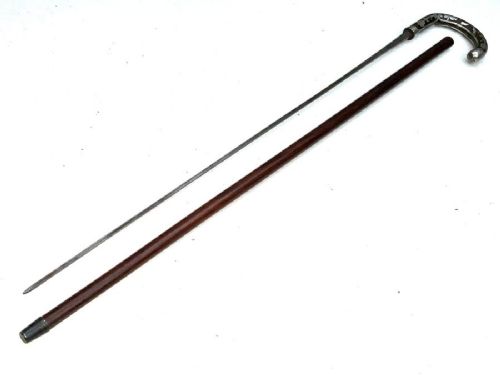
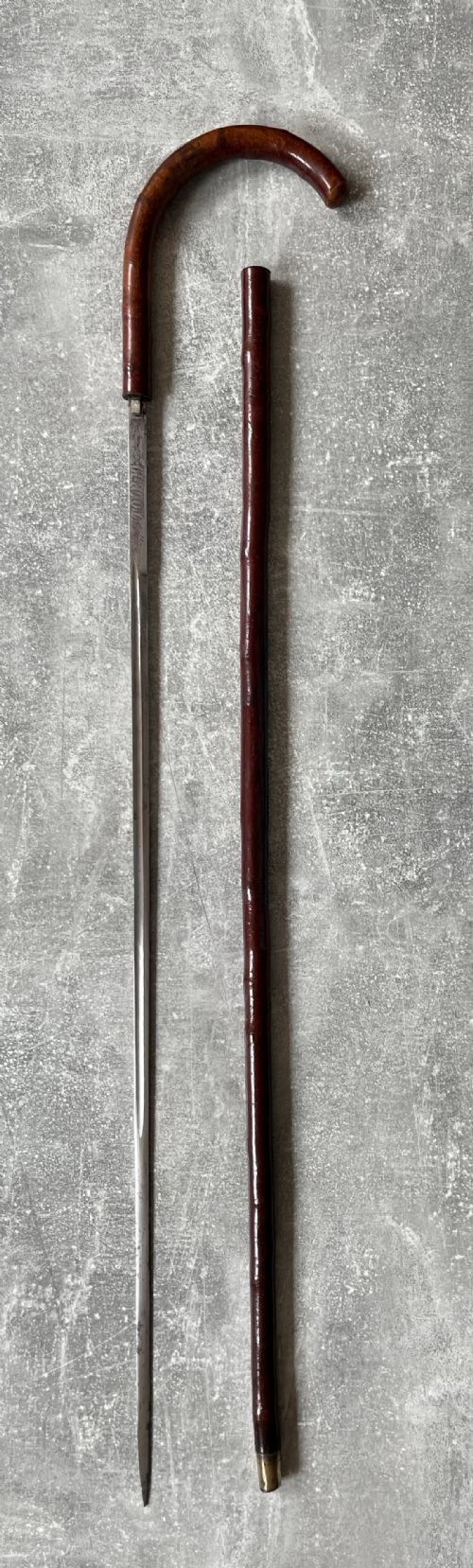
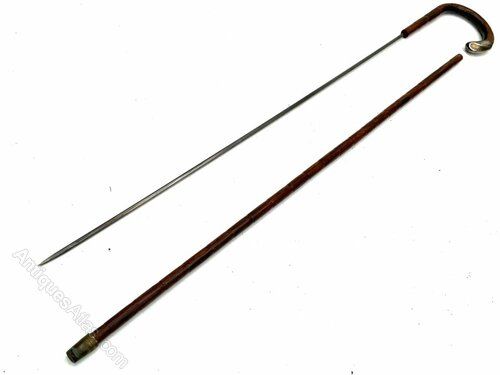
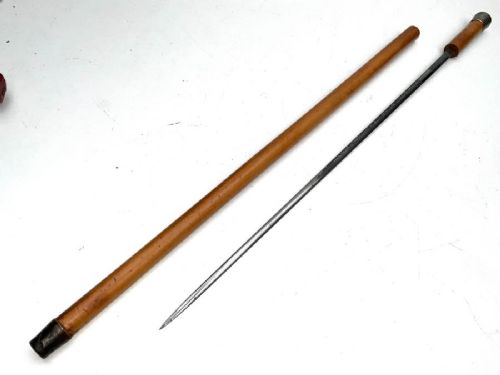
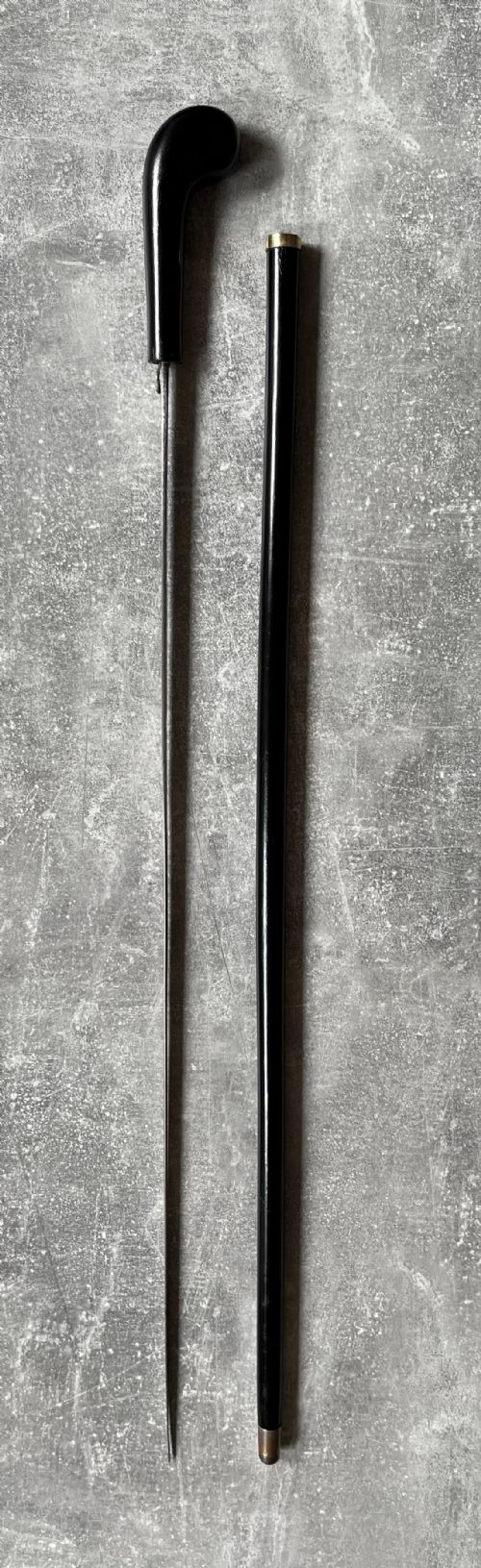
These vintage defence canes combine everyday gentlemanly support with a concealed blade for personal protection.
Vintage Defense Cane
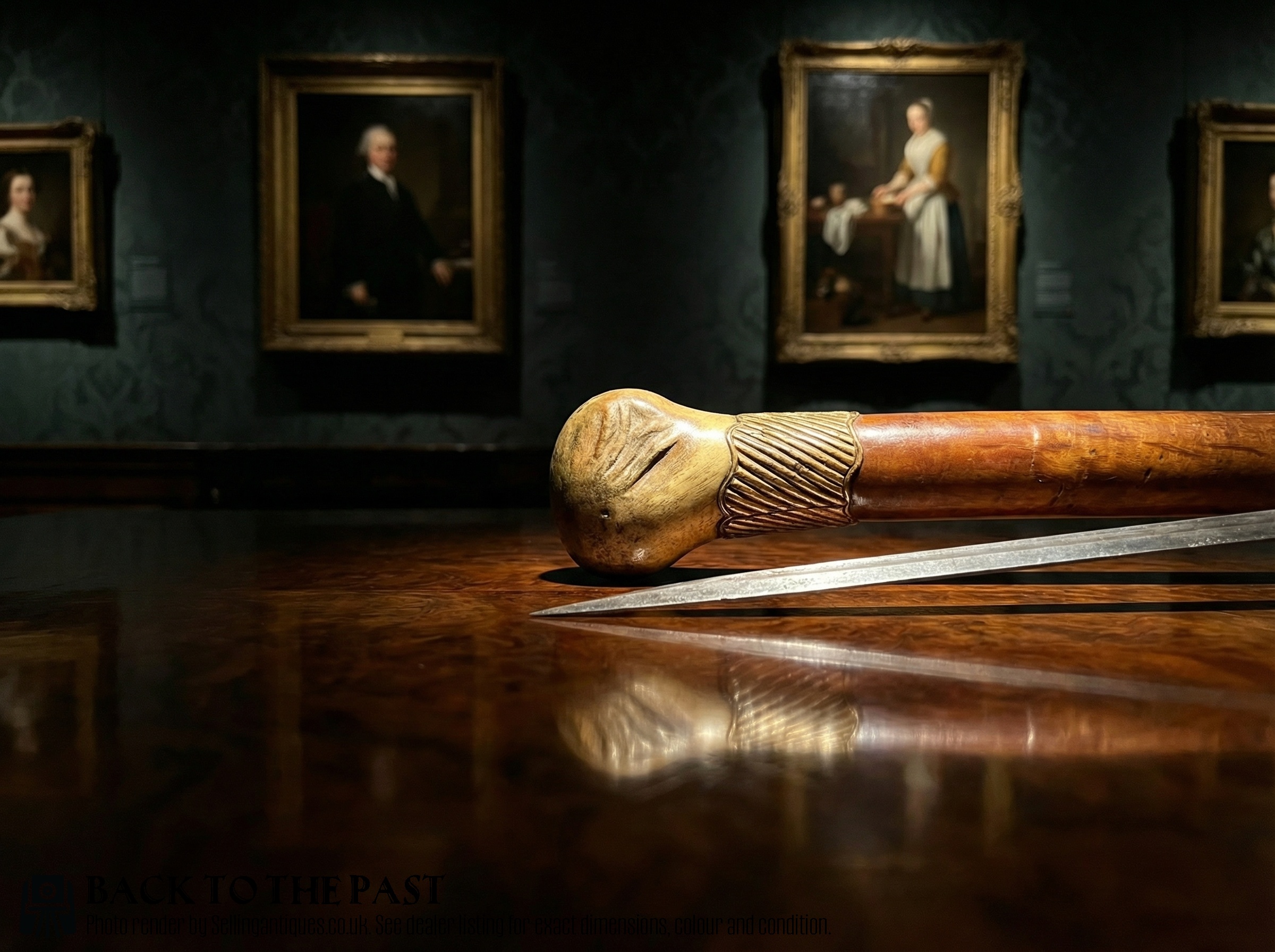
A vintage defence cane is a sturdy walking stick housing a hidden steel blade for self-protection. You encounter these pieces most frequently from the Victorian and Edwardian eras, spanning from the late nineteenth century into the early decades of the twentieth.
The selection includes specimens fashioned from woods such as partridge wood, malacca, cherrywood, and ebonised wood. Many examples feature specialised grips including horn, antler, bone, root ball, and silver mounts or collars.
How they were made
Craftsmen utilised natural materials like bamboo, blackthorn, and rosewood alongside forged steel blades. Metal components such as brass and silver collars were fitted securely to reinforce the shaft and handle.
Blades of notable origin, including Toledo and Wilkinson steel, were integrated into the shafts. Handles were shaped from horn, bone, and antler, then attached to wood bodies designed to disguise the weapon entirely.
Listings span from the 1870s through the 1930s, featuring Victorian and Edwardian periods with materials including steel, silver, wood, brass, horn, partridge wood, and ebonised wood.
What varies in quality
The standard of materials and maker signatures dictate the standing of each piece. Simple ebonised wood or bamboo shafts sit alongside distinguished examples utilising partridge wood and malacca fitted with silver mounts.
Blade origin and handle detail elevate the construction significantly. Signed blades from known makers and carved animal form handles separate standard walking aids from high-grade appointments.
Brigg·Wilkinson
The Vintage Defense Cane Glossary
- Partridge wood
- A dense, heavily mottled timber utilised for walking stick shafts. It provides exceptional durability and a distinct spotted grain.
- Malacca
- A type of rattan cane known for its light brown colouring and jointed nodes. It serves as a traditional material for fine walking sticks.
- Toledo blade
- A steel blade forged in Spain, renowned for its flexibility and strength. These blades were often fitted into concealed compartments.
- Ebonised wood
- Timber treated to resemble ebony through staining and polishing. This process creates a deep black, uniform finish.
- Knop
- A rounded knob or handle at the top of a cane. Materials range from horn and bone to carved animal forms.
Vintage Defense Cane: Frequently Asked Questions
What is a vintage defence cane?
A vintage defence cane is a traditional walking stick designed to conceal a steel blade within the wooden shaft. These pieces served gentlemen for both mobility support and personal protection.
Examples appear across Victorian and Edwardian periods, utilising materials like malacca, partridge wood, and ebonised wood alongside silver mounts.
How do I identify the period?
Dating relies on stylistic markers, materials, and occasional hallmarks found on silver collars. Victorian and Edwardian specimens often feature distinct handle carvings and specific wood types.
Items from the late nineteenth century display different mounting styles compared to those produced into the nineteen-twenties.
What woods were used?
Common timbers include partridge wood, malacca, cherrywood, rosewood, and ebonised wood. Blackthorn and bamboo also appear frequently among the listings.
Each wood offers different weight and grain characteristics, paired with handles made from horn, bone, or antler.
Are the blades marked?
Certain blades bear marks indicating their maker or origin, such as Toledo or Wilkinson steel. These signatures denote specific forge traditions and higher production standards.
Unmarked blades remain common, though specialised steel types indicate superior grade manufacturing.